Book of Ingredients

Image by hannaone and AI: Cooking with Magic
Book of Ingredients
Article by Gil "hannaone" © Copyright 2007-2026. All rights reserved.
Korean cuisine draws from an expansive pantry of ingredients—grains, legumes, vegetables, meats, seafood, fruits, nuts, herbs, mushrooms, and even lichens—each contributing to the vibrant and nuanced flavors of Korean cooking.
At the heart of contemporary Korean flavor are three foundational condiments: soy sauce, gochujang (fermented red chili paste), and doenjang (fermented soybean paste). These are complemented by essentials like fish sauce, shrimp paste, and sesame oil, which lend depth and aromatic richness to countless dishes.
Aromatic ingredients such as garlic, ginger, and gochugaru (sun-dried red chili flakes) are indispensable, along with seasonings like black pepper, salt, and a variety of herbs.
Rice is central to Korean meals, not only served simply steamed, but also transformed into rice wine, rice flour, rice cakes, and noodles—staples that offer diverse textures and culinary versatility.
Soybeans play a vital role: their sprouts, along with those of mung beans, are widely used, while the beans themselves are the source of key ingredients like tofu, doenjang, and soy sauce.
Korean cooking embraces an extraordinary range of components—many unique to the region and without direct substitutes elsewhere. This dictionary does not attempt to offer a rigid “Top 15” or “Must-Have 30” list. Instead, it introduces a selection of ingredients and their nutritional profiles, celebrating their use across traditional and modern Korean dishes.
Acorn Starch
Adzuki Beans, Raw
Agwi - Monkfish
Angelica Root
Ark Shell Clam
Arrowroot Flour
Bae
Baechu
Baek-jogi
Bachelor Radish
Bajirak
Beef Brisket, Flat Half
Beef Brisket, Point
Beef, Chuck Roll
Beef Rib Fingers
Beef Short Ribs, LA
Beef Short Ribs, Wang
Beef Tendon
Beef Oxtail
Beltfish
Blue Crab, Korean
Buchu
Burdock Root
Butterfish
Byeong-eo
Cabbage, Korean
Chadol-baegi
Chamdang-gwi
Chap-ssal
Cheonyeop
Cheongyang gochu
Chili Pepper Powder
Chikgaru
Chonggakmu
Clams
Cucumber
Daegu
Dandelion
Dang-gui
Dangmyeon
Dashima
Deungshim
Doenjang
Doraji
Dotori-garu
Dotori-guksu
Dwaeji Galbi
Flat Fish
Fish Sauce, Three Crabs
Flower Crab
Gajami
Galbi, Back Ribs
Galbisal
Galchi
Garlic
Garlic Chives
Glutinous Rice
Gochu
Gochugaru
Gochujang
Gochu-nip
Godeung-eo
Goguma-sun
Gopchang, daechang
Gosari
Gulbi
Hairtail
Hobak
Jogae
King Oyster Mushroom
Korean Chives
Kkongchi
Kkotge
Kudzu Starch
LA Galbi
Leaf Lettuce, Red
Lotus Root
Mackerel, Semi Dried
Maesil Extract
Manila Clam
Mat jogae
Mogi Beoseot
Mu
Mulyeot
Mushroom, Shiitake
Myeolchi
Noodles, Fresh
Omasum
Octopus Slices
Oi
Pat
Paengi beoseot
Pear, Korean
Perilla Leaves, Raw
Ponytail Radish
Pork Neckbones
Radish, Korean
Razor Clam
Sang-chu
Short-neck Clam
Shrimp, Pink, Dried
Silver Pomfret
Soesim
Sogogi yangjimeori
Sohimjol
Sokkori
Sole
Squid
Ssuk (Mugwort)
Ssukgat
Sweet Potato Noodle
Sweet Rice
Tofu, Soon dubu, Pulmuone Brand
Tree Ear Mushroom
Tteok - Rice Cake
Ueong
Wang Galbi
Yangjimeori
Yeotgireum-garu
Story Time
This evolving reference area explores the building blocks of Korean cuisine—from vegetables, spices, and herbs to fungi, seafood, meats, milled grains, and seeds. Each entry aims to illuminate not just the ingredient itself, but its role in Korean cooking and culture.
In future updates, I plan to add a dedicated subsection on Korean medicinal herbs, reflecting the “food as medicine” philosophy that underlies much of traditional Korean cuisine. These ingredients don’t just flavor a dish—they support well-being, balance, and seasonal harmony.
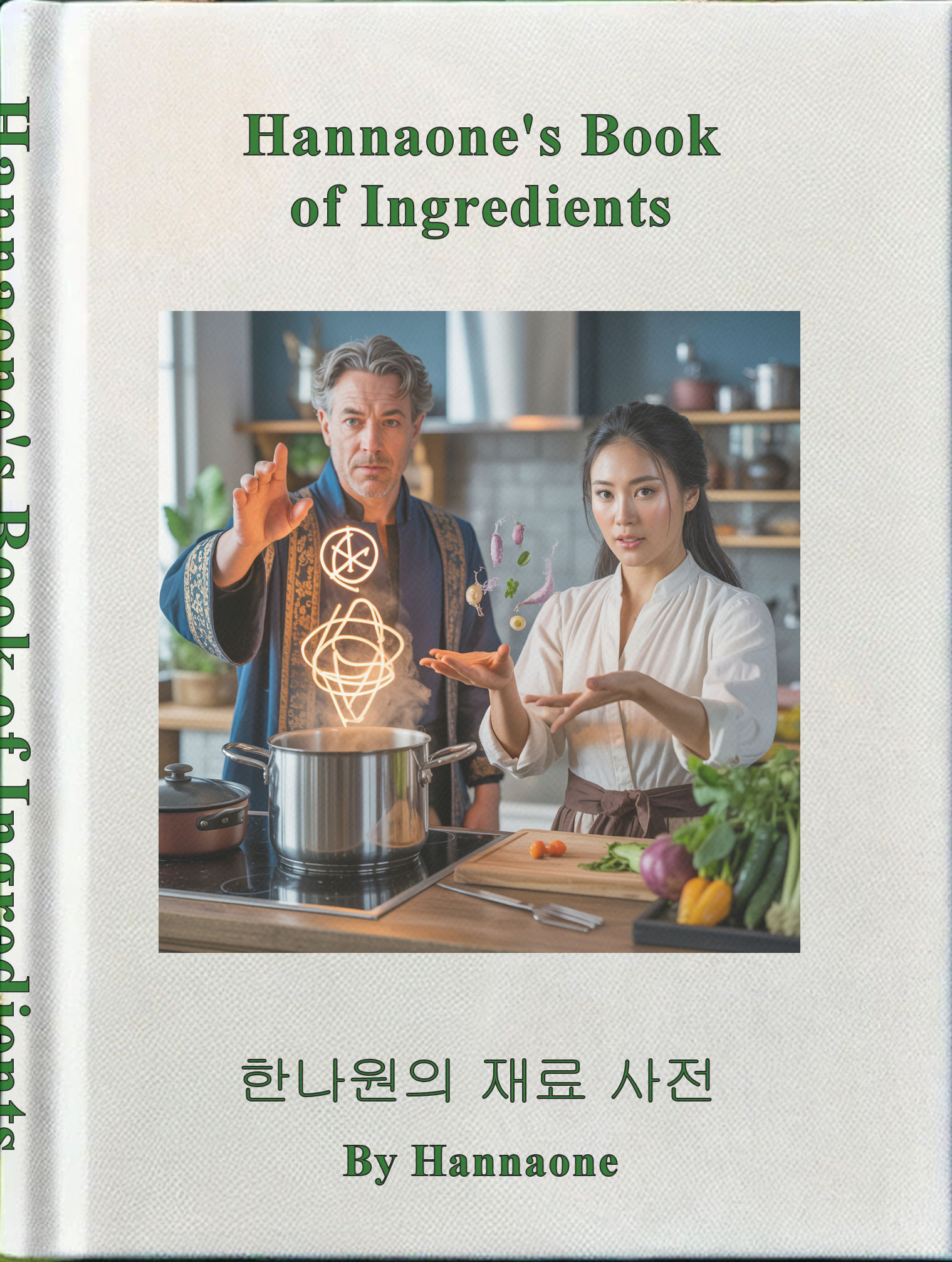
Image by hannaone: Book of Ingredients
This section will continue to grow, deepening its coverage and expanding its connections to Korean culinary history, everyday practice, and holistic nourishment.
Find it on Amazon! Purchases made through these links help support this site. As an Amazon Associate, we earn from qualifying purchases.