Book of Ingredients
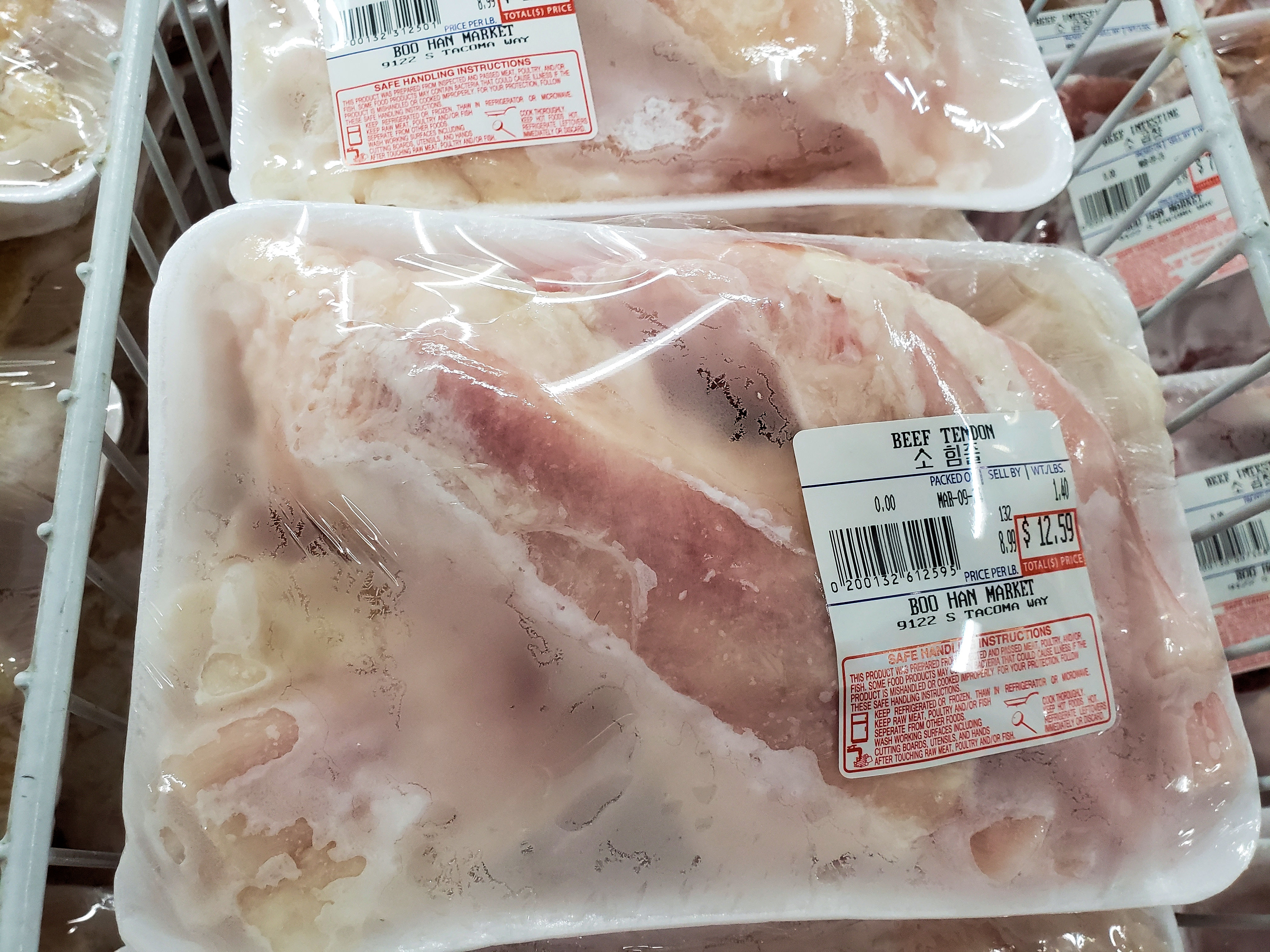
Image by hannaone: Soesim in the market
Soesim Beef Tendon
Article by Gil "hannaone" © Copyright 2007-2026. All rights reserved.
쇠심 | soesim
Ingredient Name: Soesim
Korean Spelling: 쇠심
English Name: Beef Tendon
General Information:
Soesim, or beef tendon, is a lesser-known yet prized ingredient in Korean cooking. Its unique composition—firm, gelatinous, and rich in collagen—adds thickness and depth to broths, making it a staple in long-simmered soups and stews. When properly prepared, beef tendon transforms into a tender, almost silky texture, making it a delight for those who appreciate its subtle chewiness and rich mouthfeel.
Shopping and Selecting:
Beef tendon can be found in Korean grocery stores with meat counters, as well as other Asian markets and Latin American carnicerías. Some local butcher shops may also carry fresh tendon, and if available, it’s worth asking the butcher for recommendations based on its intended use.
What to Look For:
• Color: White or light beige, free from excessive dark spots.
• Texture: Firm to the touch, with a smooth surface. Avoid tendons that feel overly soft, flimsy, or have a strong odor.
• Thickness: A thicker tendon is preferable for stews and slow cooking, as it retains a good texture.
Storage Guidelines:
Proper storage preserves both quality and safety.
Refrigeration:
• Store fresh tendons in the coldest part of your refrigerator (35-40°F).
• They can last up to five days, or slightly longer (up to eight days) if stored below 34°F.
Freezing:
• Wrap in airtight freezer wrap or place in a zip-top freezer bag to prevent freezer burn.
• Frozen tendons remain good for six to twelve months.
• Vacuum sealing extends the storage life up to a year.
Common Preparation Methods:
Since tendons are tough before cooking, proper preparation is essential:
1. Rinse Well: Wash thoroughly in cold water to remove any residual impurities.
2. Parboil: Some recipes require parboiling the tendon briefly to remove excess fat and achieve a cleaner taste.
3. Slow Cooking: Beef tendon benefits from extended simmering to achieve the best texture—often requiring several hours.
4. Slicing: Once cooked, tendons can be sliced thinly for use in various dishes.
Culinary Uses:
• Gomtang (곰탕): A traditional Korean beef soup where tendons are simmered alongside beef bones for a rich, gelatinous broth.
• Odeuregi (오드레기): A Daegu specialty featuring grilled beef tendon seasoned with salt, offering a crispy, savory bite.
• Ppyeo-su-jeok (뼈수적): Steamed tendon served with dipping sauce and garnished with green onions—an underrated yet delicious dish.
• Korean Braises: Often used in Jjim (braised dishes) to add texture and richness.
• Hot Pot & Noodles: In Korean and other Asian cuisines, sliced cooked tendon is commonly added to hot pots or noodle soups.
Substitutes:
If beef tendon is unavailable, consider:
• Pork Trotters: While not identical, they provide similar gelatinous texture when slow-cooked.
• Oxtail: Contains a mix of meat, bone, and collagen, contributing to a hearty broth.
• Chicken Feet: High in collagen, these can be used to mimic tendon’s ability to thicken broths.
| |||||||||||||||||||||||||||||||||||||||||||||||||||
Soesim Beef Tendon
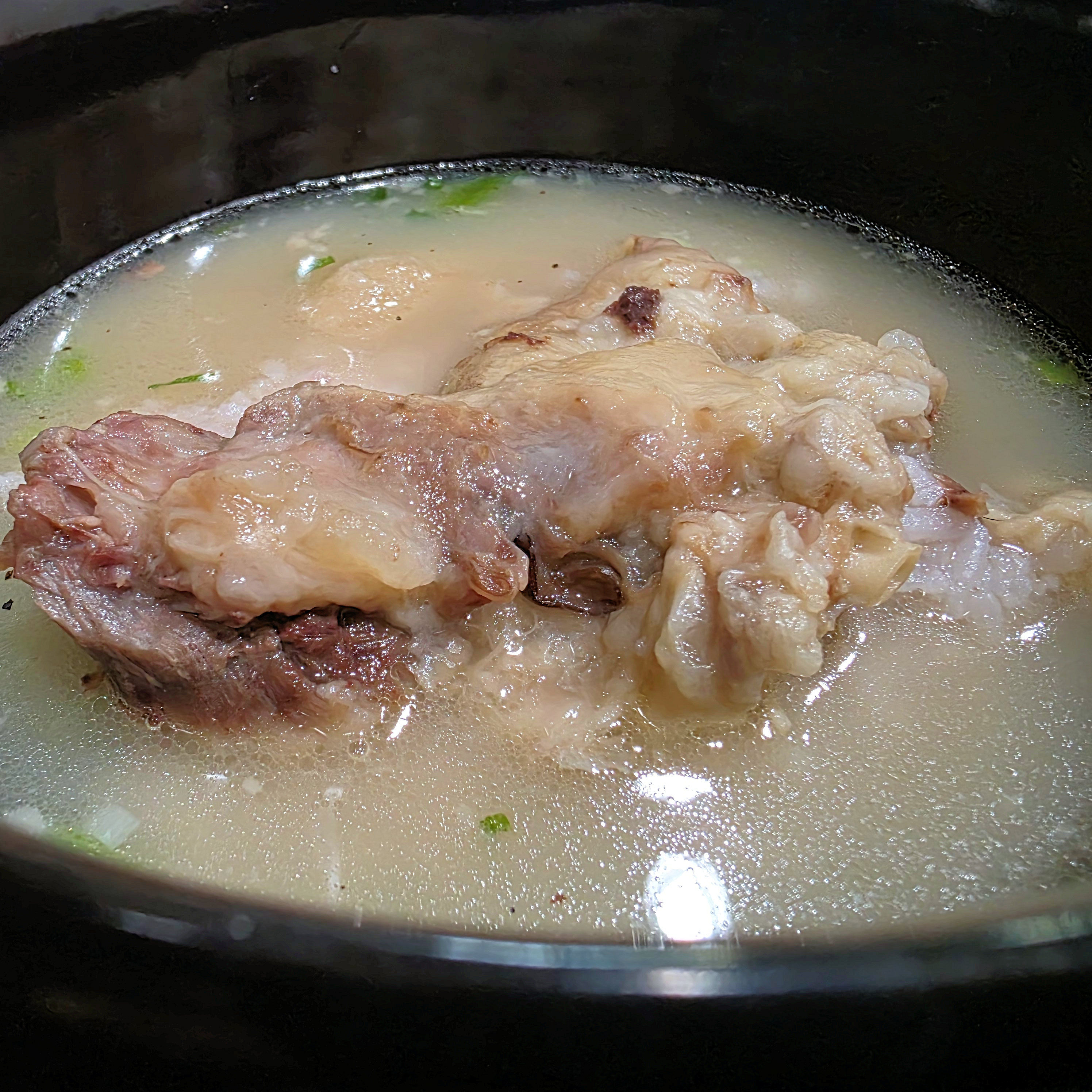
Image by hannaone: Suji-gomtang
Check out Wooltari for Korean food and gifts!
Find it on Amazon! Purchases made through these links help support this site. As an Amazon Associate, we earn from qualifying purchases.