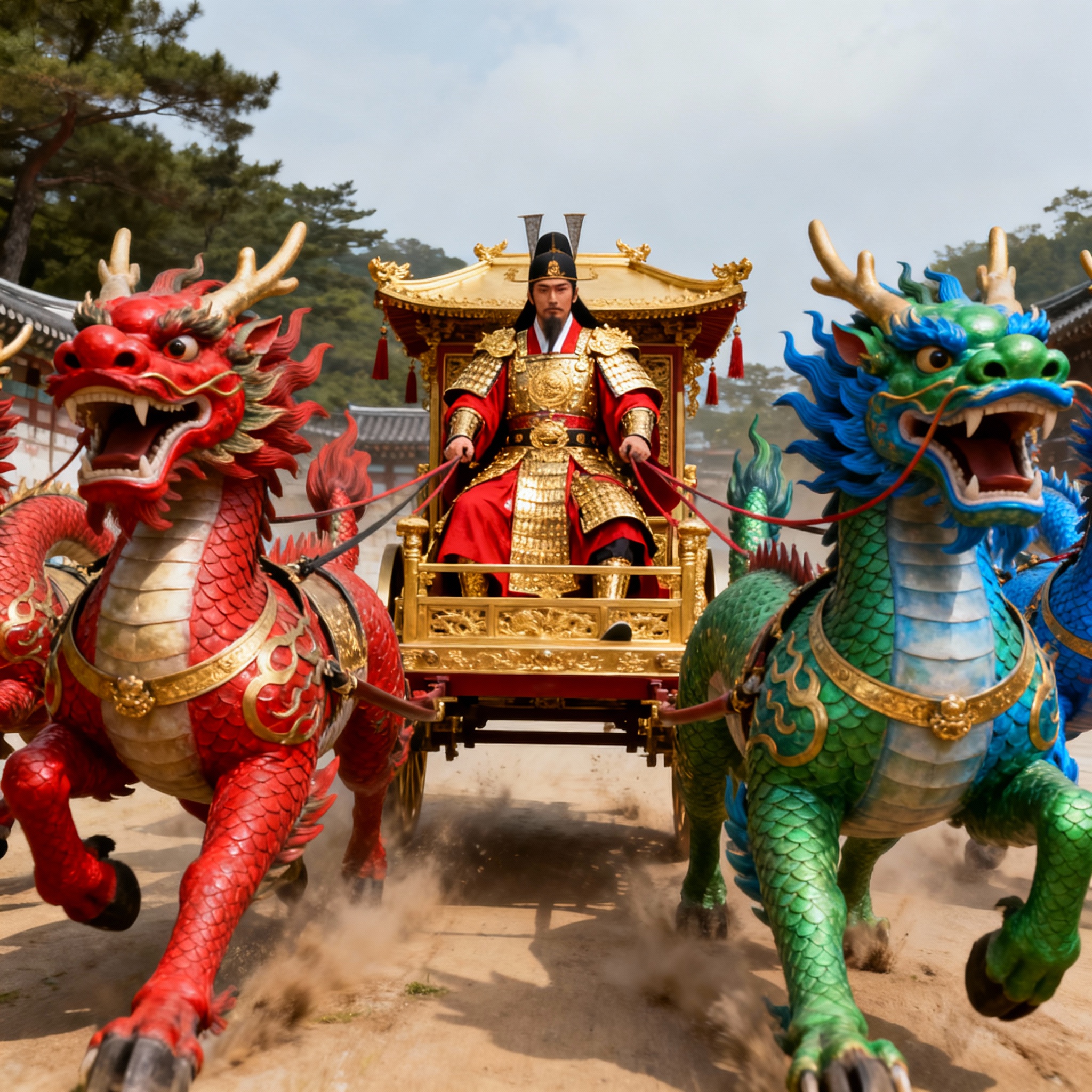
The celestial gods of Korea watch as Wood spirits whisper in the forests, mountain gods brood upon their peaks, and tricksters dance in the shadows. Protectors stand vigilant, while imugi coil with ancient promise. Gumiho weave their sly enchantments, dokkaebi revel in chaos, and jeoseung-saja march with solemn purpose. Korea’s fantastical pantheon is vast—benign and mischievous, vindictive and fearsome—an endless parade where wonder and dread walk hand in hand. And it seems that many of these creatures have an interest in food.
Korean Mythology: A Tapestry of Deities, Spirits, and Legendary Beings
Welcome to the mystical realm of Korean mythology, where ancient legends intertwine with cultural heritage, shaping traditions that endure to this day. This extraordinary mythology offers a wealth of stories featuring divine beings, supernatural spirits, and legendary creatures that have guided and inspired generations. Join us on a journey through time as we uncover the myths that define Korea’s past and continue to influence its modern world.
The Two Forms of Mythology
Korean mythology can be categorized into two distinct types:
• Literary Mythology – These are myths recorded in historical texts, such as the founding legend of Korea by Dangun, the progenitor of Gojoseon.
• Oral Mythology – Sung by shamans during sacred rituals, these myths remain fluid and diverse across regions. One example is Jeseok bon-puri, which tells of a girl impregnated by a supernatural Buddhist priest, giving birth to triplets. Another legend, Princess Bari, recounts how she resurrected her deceased parents using the mystical "Flower of Life" after being abandoned as a child.
The Creation Story: The Birth of the World
One surviving creation myth tells the story of Mago, Yulryeo, and the Heavenly People:
In the beginning, existence had yet to take shape. From the void emerged Yulryeo and Mago, yet Yulryeo soon perished. From Mago came two goddesses, Gunghi and Sohi, each of whom bore two celestial men and two celestial women. Their presence resurrected Yulryeo, and through this rebirth, heaven, earth, and the oceans materialized alongside the fundamental elements of spirit, fire, water, and earth. These forces blended together to form flora, fauna, and all living creatures.
With Yulryeo’s body transformed into the world itself, Mago chose to remain by her side, while the Heavenly People ruled from Magoseong, their celestial fortress. Thus, the Korean cosmos came into being.
Major Deities of Korean Mythology
Korea’s mythological pantheon features deities deeply connected to nature, ancestry, and human existence:
• Hwanung, the celestial ruler, descended to Mount Taebaek to bestow wisdom and civilization upon humankind. He embodies enlightenment and guidance.
• Dangun, son of Hwanung, founded Gojoseon, the first Korean kingdom. His legend symbolizes unity and national pride.
• Jowangshin and Seongjusin are household guardians who bring protection, prosperity, and harmony to families that honor them.
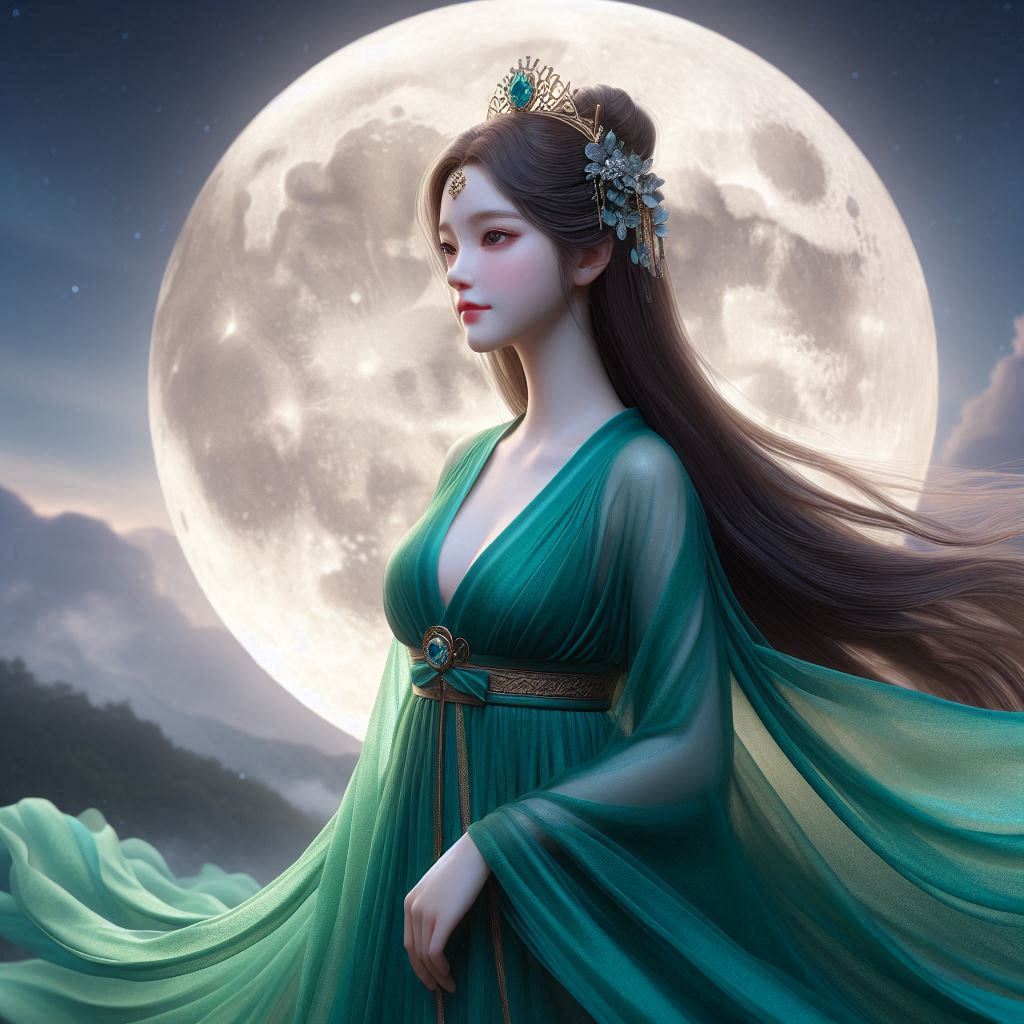
• Seolmundae Halmang, the shamanic goddess, is revered for her ability to weave the fabric of life, embodying fertility, wisdom, and maternal love.
These deities reflect a spiritual belief system interwoven with nature and ancestral reverence.
Spirits and Supernatural Beings in Korean Folklore
Beyond gods and goddesses, Korean mythology abounds with spirits and supernatural forces:
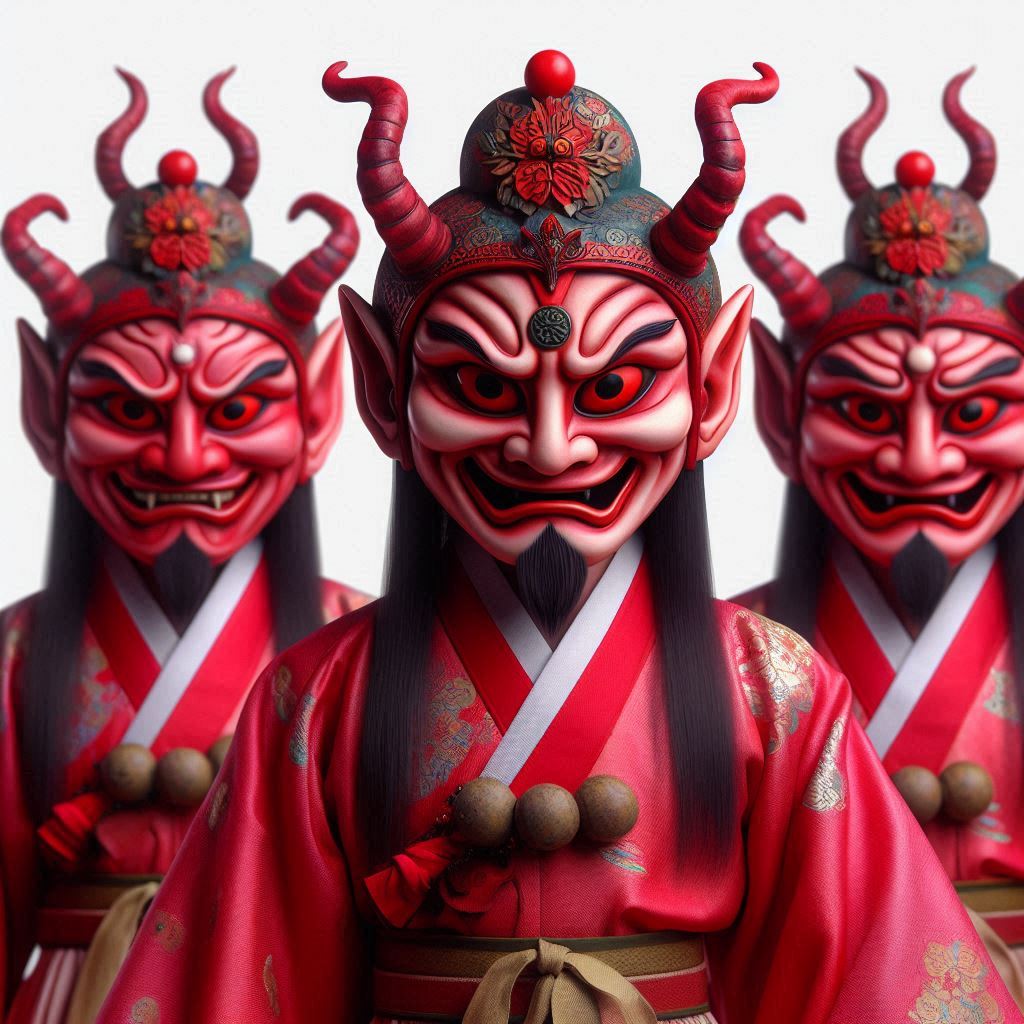
• Dokkaebi – Mischievous goblins with magical abilities who alternate between trickery and generosity.
• Jangseung – Sacred totem poles erected at village gates to ward off evil spirits and attract fortune.
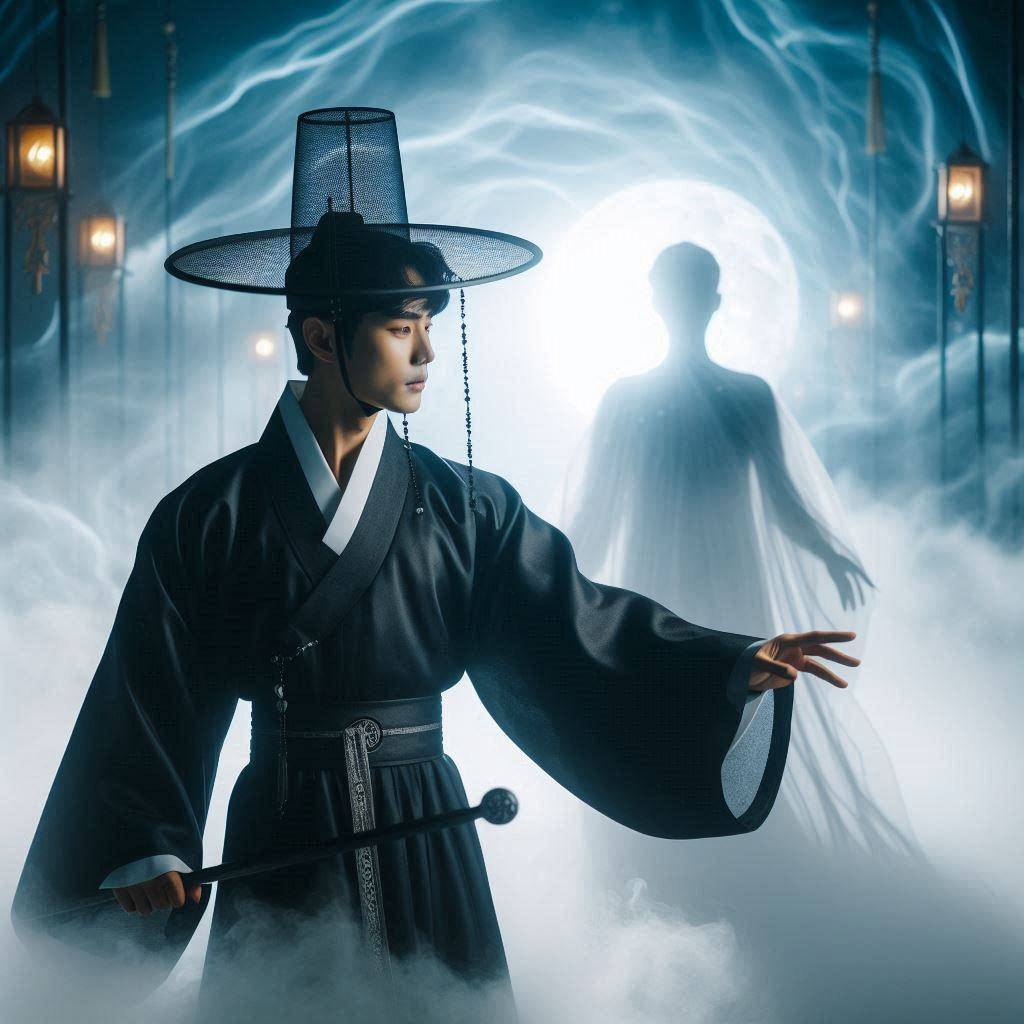
• Gwishin – Ghosts that linger due to unfulfilled earthly desires, serving as warnings of unresolved burdens.
These spirits embody both the protective and cautionary aspects of Korean folklore.
Legendary Creatures: Guardians and Tricksters
Korean mythology is home to legendary beings with distinct characteristics:
• Imugi – Serpent-like dragons striving toward transformation into full-fledged Dragons, achieving their divine status through acts of virtue and wisdom.
• Haechi – Lion-like creatures with dragon scales, regarded as symbols of justice and protection.
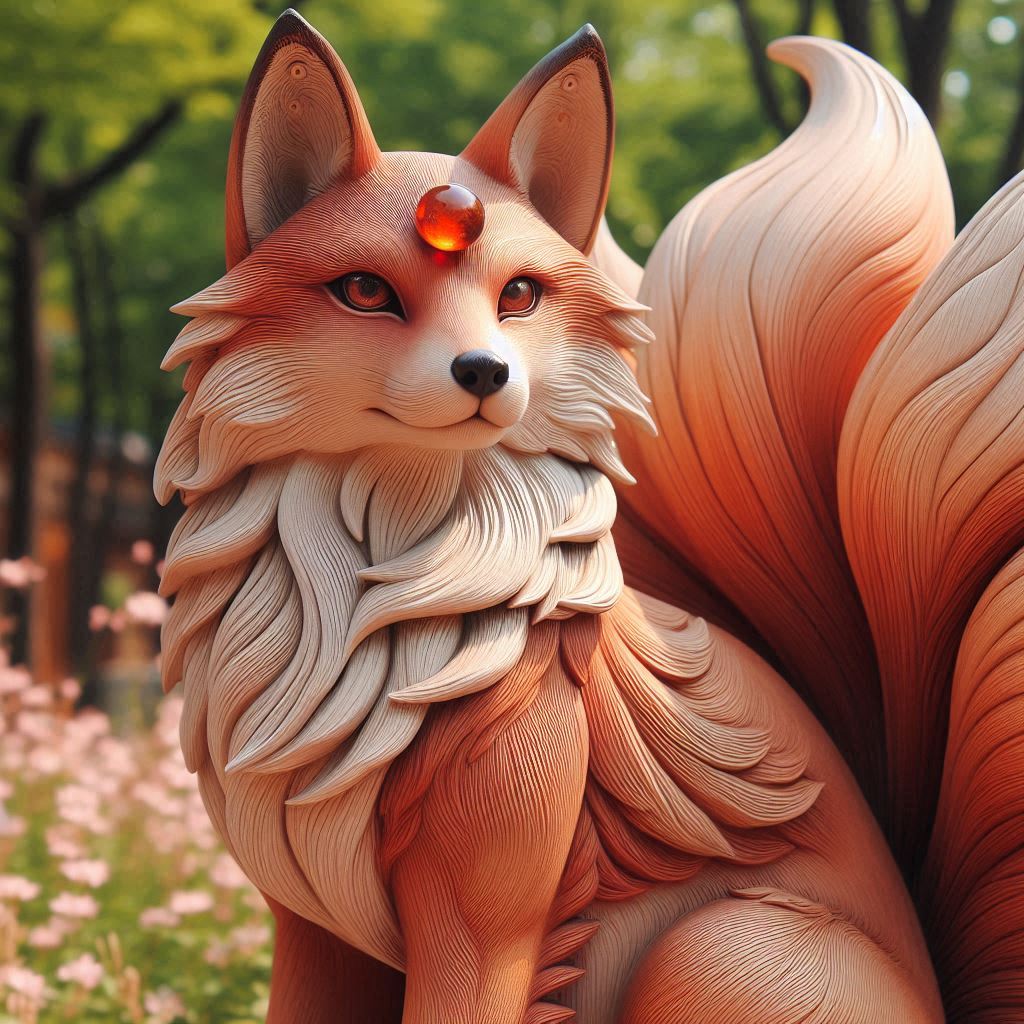
• Gumiho – Enchanting yet dangerous nine-tailed foxes known for their deceptive allure.
• Sindansu – The mystical spirit residing in mulberry trees, capable of bringing either blessings or misfortune.
• Bulgasari – An iron-consuming monster feared for its ability to devour weapons yet admired for its compassion toward humanity.
These mythical creatures reflect Korea’s rich storytelling tradition and its moral allegories.
The Enduring Influence of Korean Mythology
Korean mythology continues to shape various artistic expressions:
• Traditional music and dance incorporate mythological themes in their vivid performances.
• Literature draws inspiration from legendary tales, fostering narratives of gods and heroes.
• Modern entertainment, including films and TV series like Guardian: The Lonely and Great God, Tale of the Nine-Tailed, Mystic Pop Up Bar, The Uncanny Counter, and many more creatively adapt mythological elements into their plots.
By blending ancient legends with contemporary storytelling, Korean mythology remains alive in today’s cultural landscape.
Debates and Misconceptions
Korean mythology is often misunderstood:
• Some mistakenly believe it solely stems from Shamanism, overlooking Buddhist and Confucian influences.
• Certain spirits are wrongly perceived as inherently malevolent, when they often serve as guardians or symbols of cosmic balance.
• Debates persist regarding whether these myths should remain traditional or be modernized to reflect contemporary perspectives.
Despite these discussions, Korean mythology continues to captivate audiences with its depth and symbolism.
Cultural and Religious Foundations
Korean mythology intertwines Buddhism, Taoism, Shamanism, and Confucian teachings, reflecting a rich spiritual heritage. Its themes explore:
• Human nature’s complexities, including desires, wisdom, and redemption.
• The cosmic order, where deities govern harmony between heaven, earth, and mankind.
• Ancestor reverence, ensuring that cultural identity remains deeply rooted in mythological traditions.
A Bridge Between Past and Present
Korean mythology serves as a bridge between ancient wisdom and modern cultural expression, instilling pride among Koreans worldwide. As myths continue to evolve, their timeless essence remains woven into the nation’s history, art, and collective imagination.
This website reflects the original work of hannaone. Korean recipes featured here have been reproduced without permission by the current registrant of hannaone.com.
Affiliate Disclosure:
hannaonetwo.com / hanna-one.com℠ participates in the Amazon Services LLC Associates Program, an affiliate advertising program designed to earn fees by linking to Amazon.com. Purchases made through these links help support this site. As an Amazon Associate, we earn from qualifying purchases.
Image Credits:
Most of the images/photos on this site are by Gil "hannaone", the owner of this website.
Some images on this site are sourced from contributors to Pixabay.com, a royalty‑free image and stock photo platform.
Additionally, some images have been created using AI prompts by hannaone.
Comment?