Korea Fantastical: Shin or Deities
Korean deities are generally called 신 (shin), meaning "god" or "spirit." In shamanic tradition, they are often referred to as 신령 (sinryeong, divine spirits) or 본풀이 신 (bonpuri shin, ritual gods) depending on context.
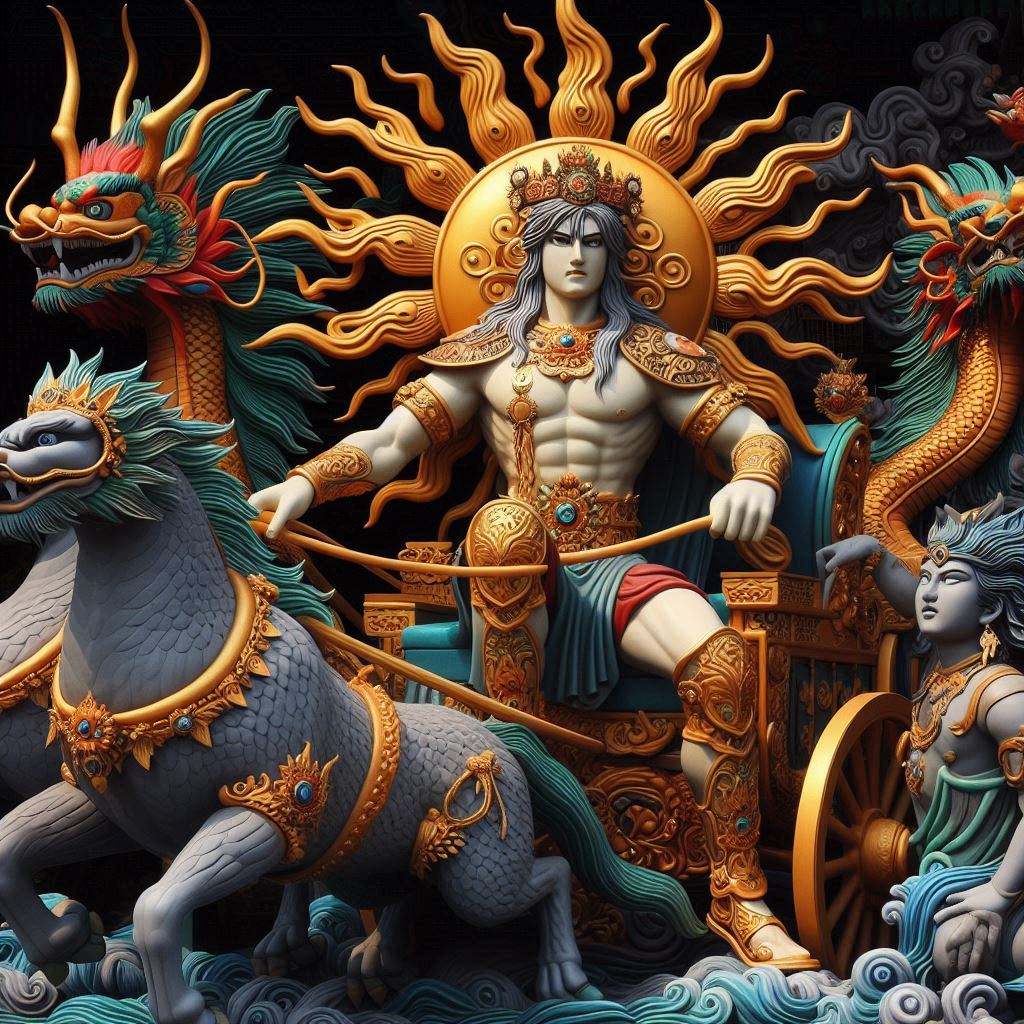
In Korean tradition, deities are not a single unified pantheon like in Greek or Roman mythology. Instead, they are a blend of shamanic spirits, Buddhist figures, Taoist influences, and folk gods. This makes the word 신 (shin) flexible—it can mean anything from a household guardian spirit to a supreme cosmic ruler.
🏮 Key Terms for Korean Deities
신 (神, shin)
- The most common word for "god" or "deity" in Korean.
- Used broadly for divine beings, whether benevolent or malevolent.
신령 (神靈, sinryeong)
- Means "divine spirit" or "sacred being."
- Often used in shamanism to describe spirits invoked in rituals.
본풀이 신 (bonpuri shin)
- Refers to deities in shamanic myths recited during rituals (bonpuri).
- Each region of Korea has its own pantheon of these ritual gods.
하늘님 (Haneul-nim)
- Literally "Lord of Heaven."
- A title for the supreme sky deity, sometimes equated with 상제 (Sangje) or 환인 (Hwanin), the heavenly ruler.
산신 (山神, Sanshin)
- "Mountain god," one of the most prominent local deities.
- Worshiped at shrines across Korea, often depicted as an old man accompanied by a tiger.
용신 (龍神, Yongshin)
- "Dragon god," associated with water, rain, and fertility.
🌌 Examples of Named Korean Deities
- 환인 (Hwanin) – Lord of Heaven, supreme deity
- 환웅 (Hwanung) – Heavenly Prince, father of Dangun
- 단군 (Dangun) – Semi-divine founder of Gojoseon
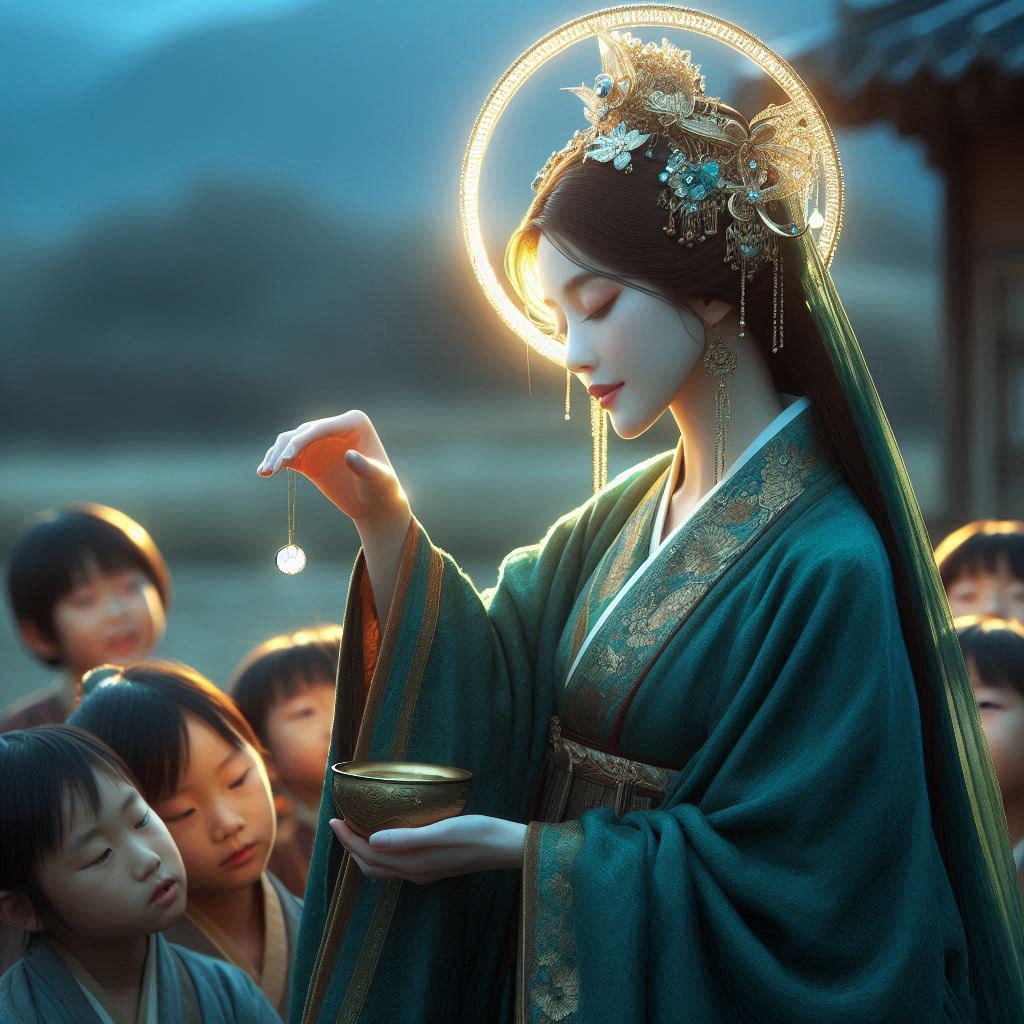
- 바리공주 (Princess Bari) – Shamanic goddess of healing and the afterlife
- 염라 (Yeomna) – King of the Underworld, judge of the dead
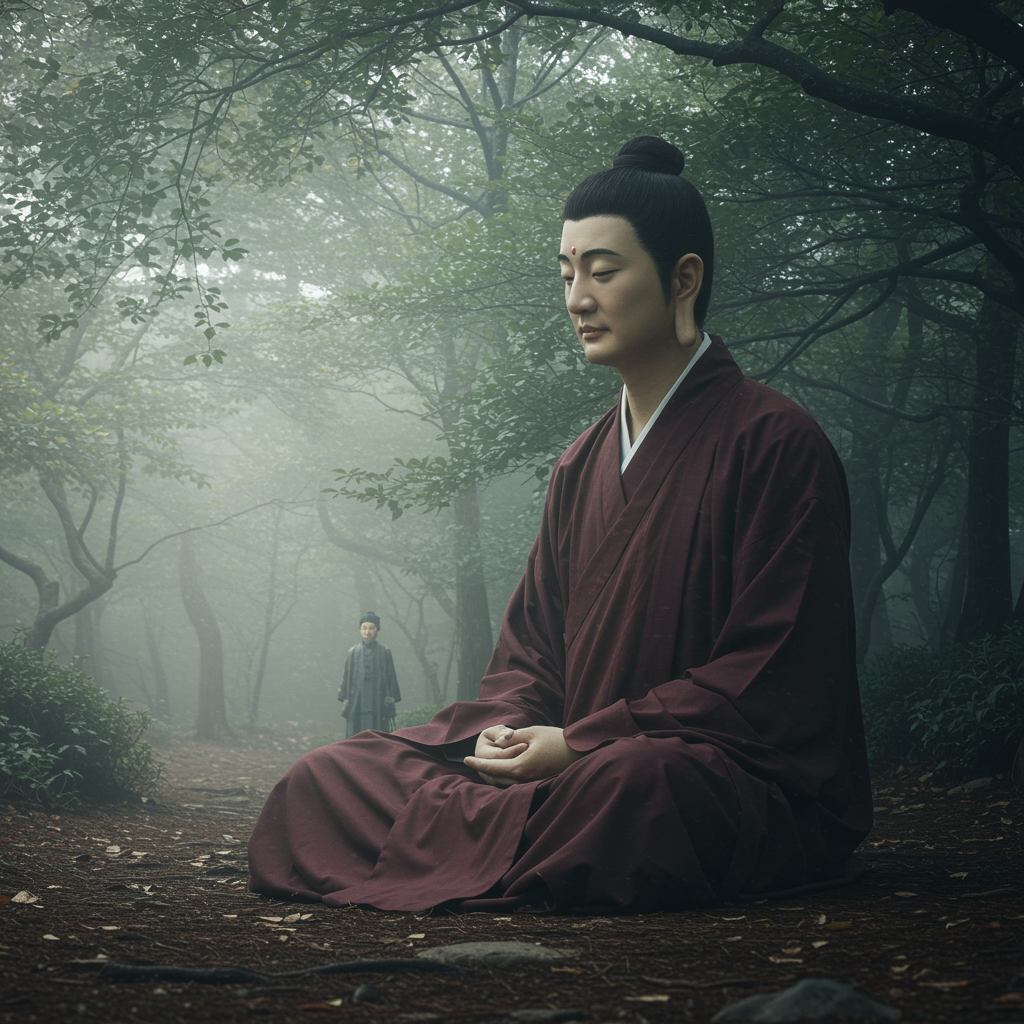
- 석가 (Seokga) – Trickster god, rival of Mireuk
Korean Fantastical
Comment?