Book of Ingredients
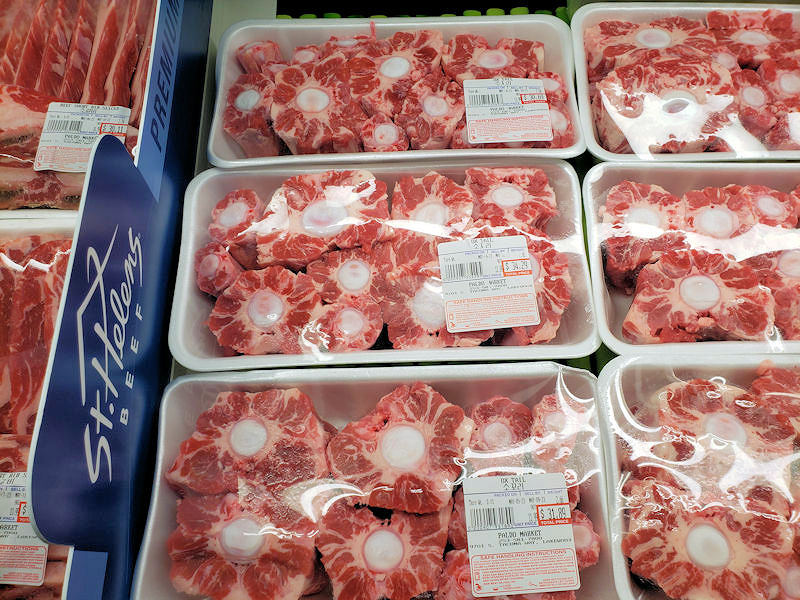
Image by hannaone: Sokkori in the market
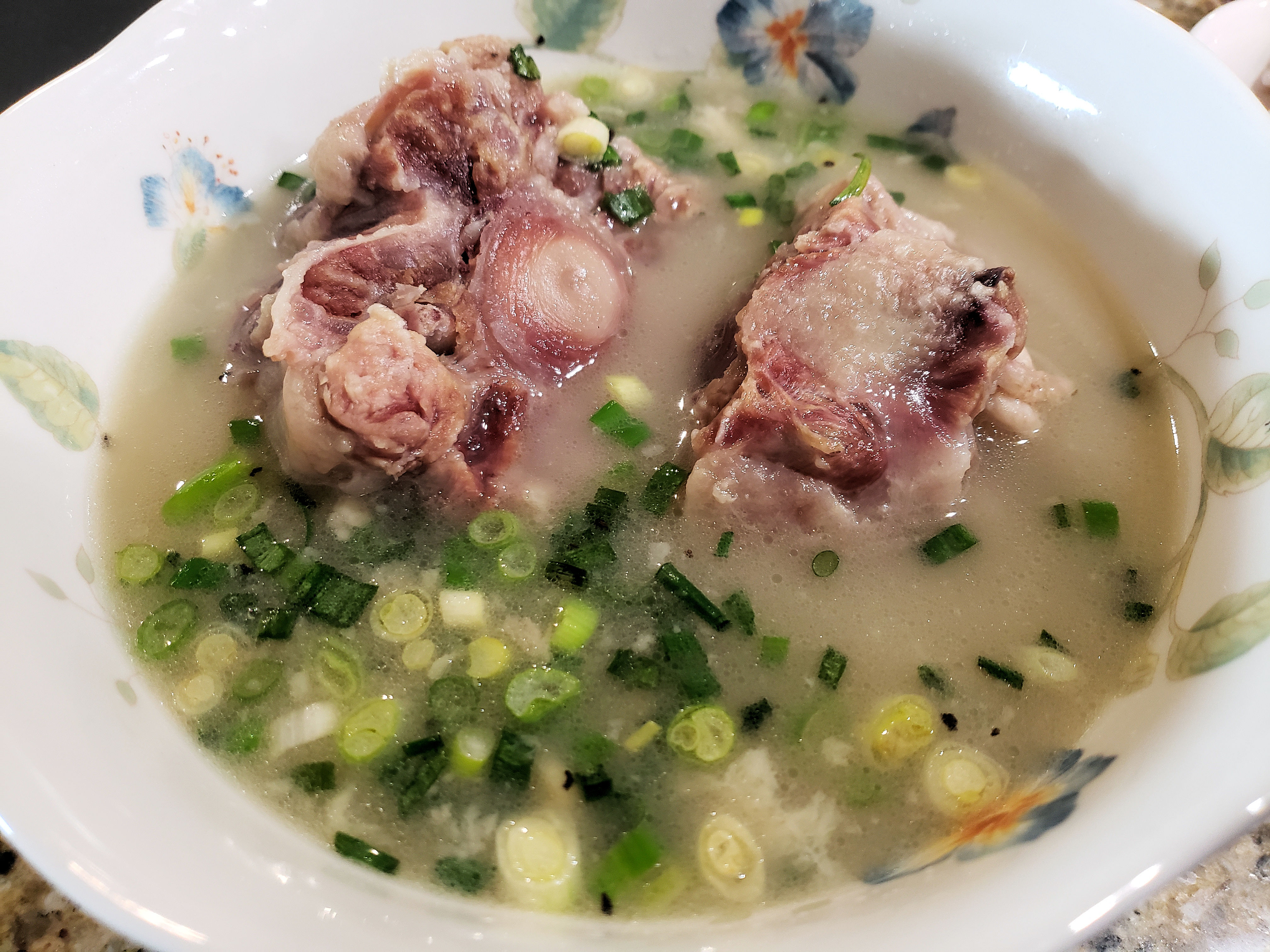
Image by hannaone: ox-tail soup
Sokkori Beef Oxtail
Article by Gil "hannaone" © Copyright 2007-2026. All rights reserved.
소꼬리 | sokkori
Ingredient Name: Sokkori
Korean Spelling: 소꼬리
English Name: Ox-tail
Category: Beef Cut
General Information
Sokkori (소꼬리), or ox‑tail, is the tail of the cow and is prized in Korean cooking for its deep, concentrated beef flavor and exceptionally high collagen content. When simmered slowly over low heat, the tough connective tissues melt into a silky, gelatin-rich broth, and the meat becomes tender enough to pull from the bone with chopsticks. This transformation makes ox‑tail a foundational ingredient for soups, braises, and medicinal-style broths.
Structurally, ox‑tail contains a high ratio of bone, cartilage, and connective tissue surrounding relatively small pockets of meat. This composition is what creates the velvety, sticky mouthfeel characteristic of dishes like kkori-gomtang and kkori-jjim.
In Korean cuisine, it is valued not only for flavor but also for its restorative qualities, often associated with strength and nourishment.
Shopping and Selecting
Ox‑tail is widely available in most supermarkets with a well-stocked meat department. It is commonly sold pre-sectioned into cross-cut pieces, typically in 1–3 lb packages.
For cooks seeking more control over trimming and stock-making, whole ox‑tail can sometimes be found at restaurant supply stores, Korean and Asian markets, or dedicated butcher shops.
Selection guidelines:
- Color: Look for deep red meat with white to off‑white fat.
- Avoid: Grayish meat or yellowing fat, which indicate age or oxidation.
- Whole tails: Should have clean, pale fat and a firm feel.
Storage
- Refrigerated:
- Cryo-sealed packaging: up to 5 days
- Unpackaged or butcher-wrapped: 3 days
- Frozen:
- Vacuum-sealed or tightly wrapped: up to 6 months
Because ox‑tail is high in fat and connective tissue, it freezes well and maintains quality over long storage periods.
Common Preparation
Whole Ox-tail:
- Rinse thoroughly under cold water.
- Trim excess fat if desired (the trimmings can be saved for stock).
- Cut into segments at the joints.
- Soak in cold water for about an hour to remove residual blood.
- Use immediately or freeze.
Pre-cut Ox-tail:
- Rinse in cold water.
- Soak to draw out blood and impurities.
- Par-boil briefly to remove surface scum before braising or simmering.
These steps are standard in Korean cooking, where clarity and purity of broth are highly valued.
Used In
- Kkori-gomtang (꼬리곰탕):
A deeply flavored, milky-white ox‑tail soup known for its restorative qualities.
- Kkori-jjim (꼬리찜):
Braised ox‑tail cooked until tender in a savory-sweet soy-based sauce.
Ox‑tail is also used in various regional broths, medicinal soups, and special-occasion dishes.
Substitutes
When ox‑tail is unavailable or too costly, these cuts provide similar richness, collagen, or texture:
- Beef Neck Bones / Neck Meat:
Economical and excellent for broth; produces a similar gelatinous body.
- Beef Shank (with Bone):
High in connective tissue; yields a sticky, tender texture when slow-cooked.
- Beef Short Ribs (Bone-in):
Ideal for braising; rich marrow and tender meat, though often pricier.
- Beef Cheek:
Soft, sticky, and deeply flavorful when braised.
- Beef Tendon:
Adds collagen and body to soups; often combined with other cuts.
- Beef Knee Bones / Knuckles:
Excellent for boosting gelatin in stocks.
| |||||||||||||||||||||||||||||||||||||||||||||||||||||||||||||||||||
Soesim Beef Tendon
Historical and Cultural Notes
Throughout much of Korean history, beef was scarce and often restricted due to Buddhist influence and agricultural necessity. After the Mongol invasions, meat consumption increased, but beef remained expensive and symbolically tied to status and wealth. Cuts like ox‑tail, once considered secondary or utilitarian, became prized for their ability to produce nutritious, fortifying broths.
In Korean households, ox‑tail dishes are often associated with health, recovery, and special occasions, reflecting both their cost and their labor-intensive preparation.
Other Names
- Kkori (꼬리): Tail
- Sokkori (소꼬리): Ox-tail
- Sometimes labeled simply as Oxtail in English-speaking markets
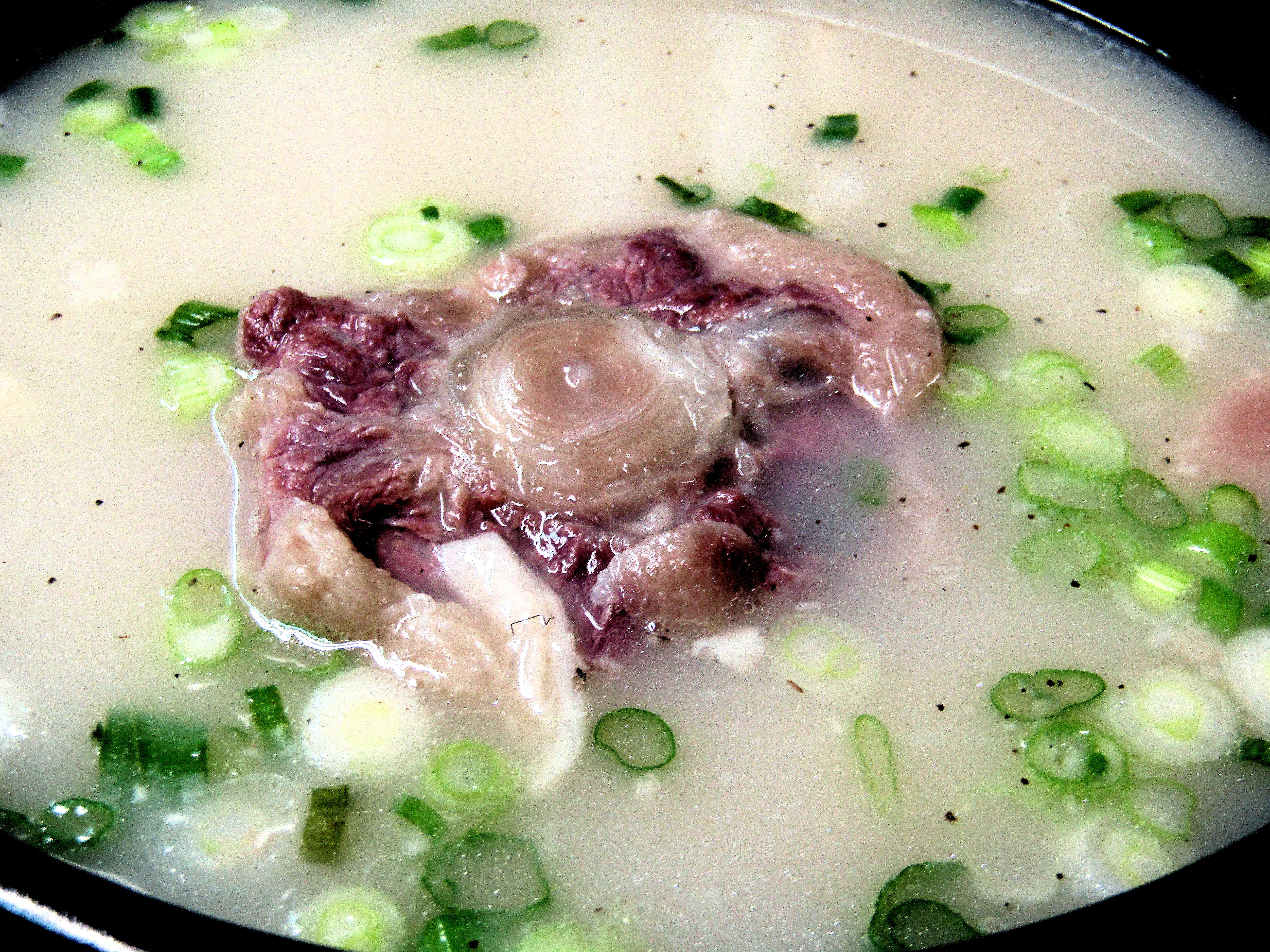
Image by hannaone: sokkori-gomtang
Miscellaneous Information
In the United States, ox‑tail was historically categorized as offal or “poor man’s meat.” As global cuisines gained popularity—particularly Caribbean, African, and Korean—ox‑tail surged in demand. It is now frequently featured in upscale restaurants, and its price has risen accordingly, often rivaling premium cuts
Check out Wooltari for Korean food and gifts!
Find it on Amazon! Purchases made through these links help support this site. As an Amazon Associate, we earn from qualifying purchases.