Book of Ingredients
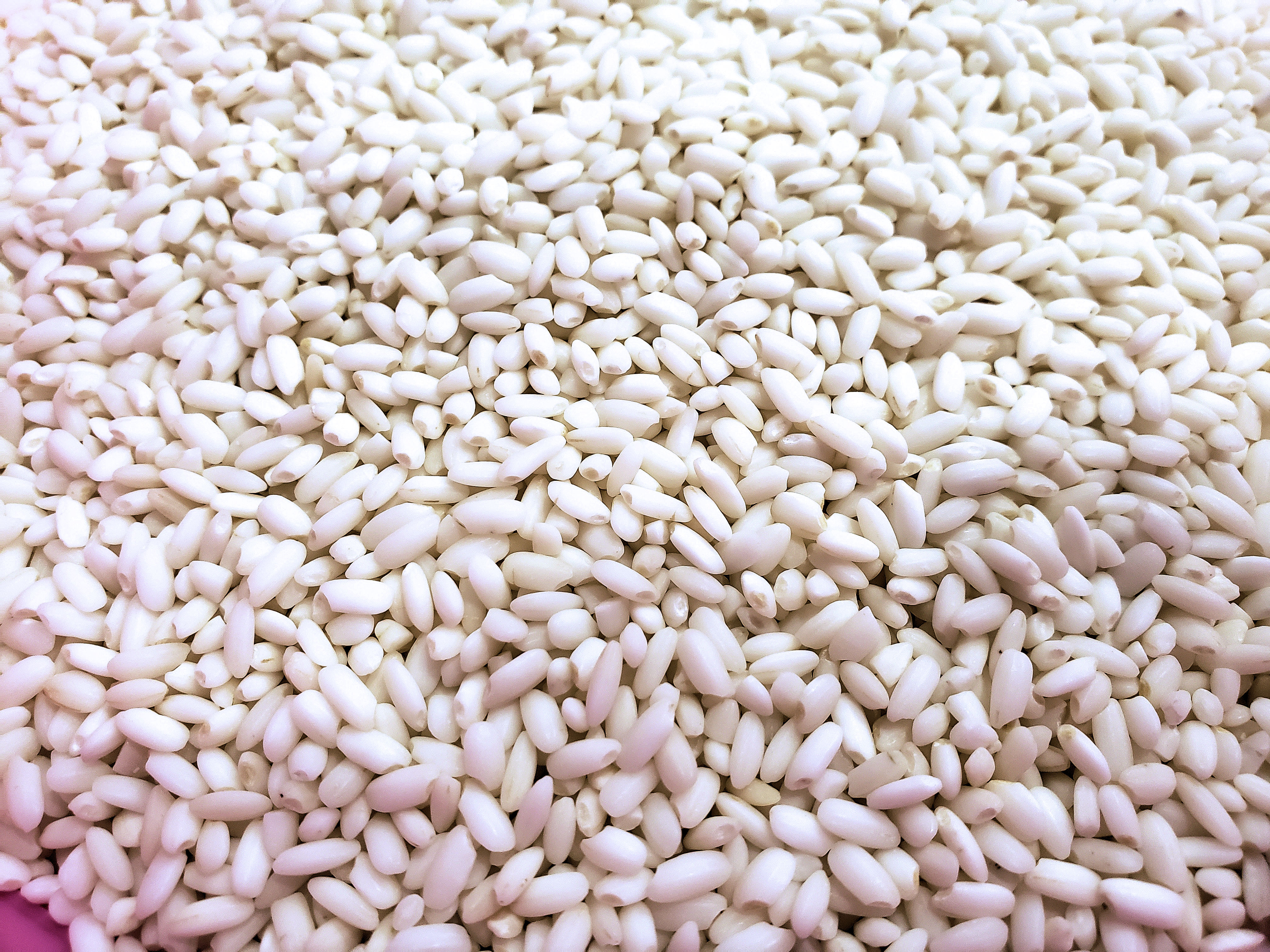
Image by hannaone: Chapssal
Chapssal Sweet Rice | Glutinous Rice
Article by Gil "hannaone" © Copyright 2007-2026. All rights reserved.
찹쌀 | chapssal
Ingredient Name: Chapssal
Korean Spelling: 찹쌀
English Name: Sweet Rice/Glutinous Rice/Glutinous
Category: Grains
General Information
Chapssal is Korea’s essential sticky rice, known for its chewy texture, subtle sweetness, and signature stickiness when cooked. Despite the English term glutinous, chapssal contains no gluten; the word refers to its glue‑like quality, not its protein composition. Its high amylopectin content gives it a soft, cohesive texture that makes it indispensable in Korean rice cakes, porridges, ceremonial foods, and traditional sweets.
Chapssal is also milled into flours and powders used for batters, thickeners, and doughs, making it one of the most versatile grains in the Korean pantry.
Shopping & Selecting
Sweet rice is widely available in Korean, Japanese, Chinese, and Southeast Asian markets, as well as many larger mainstream grocery stores.
What to Look For
• Packaging that is fully sealed and free of moisture stains or discoloration
• A “sell by” or “best by” date that is comfortably in the future
• Bright, uniform grains with minimal yellowing or darkened kernels
• For bulk bins: clean containers, no clumping, and a fresh, neutral aroma
Chapssal is sold in several forms: whole grains, short‑grain sweet rice, chapssal‑garu (sweet rice flour), and coarse or fine grinds for specific tteok varieties.
Storage
• Store whole grains in a cool, dry place away from direct sunlight.
• For long‑term storage, keep in an airtight container to prevent moisture absorption and pantry pests.
• Refrigeration or freezing extends shelf life, especially in warm or humid climates.
• Sweet rice flour should be kept tightly sealed and used within a few months for best flavor and performance.
Common Preparation Methods
Preparation depends on the intended dish:
• Washing & Soaking: Most whole‑grain preparations require rinsing and soaking to ensure even cooking and optimal stickiness.
• Toasting: Lightly toasting grains in a dry pan deepens flavor for porridges or specialty dishes.
• Milling/Grinding: Used to make chapssal‑garu for tteok, batters, and thickening sauces.
• Steaming: Traditional tteok often relies on steaming ground chapssal rather than boiling.
Culinary Uses
Chapssal appears across Korean cuisine in both everyday and ceremonial contexts.
• Tteok (떡): Rice cakes of all textures—chewy, stretchy, steamed, pounded, or filled.
• Sikhye (식혜): Sweet fermented rice drink made with malted barley.
• Porridges (죽): Adds body and creaminess to dishes like hobak‑juk (pumpkin porridge).
• Soups & Stews: Used sparingly to thicken broths or create dumpling‑like additions.
• Mochi: In Japanese and Korean‑Japanese cooking, chapssal is used for mochi‑style sweets.
• Frying Batters: Chapssal flour creates crisp, light coatings for jeon and fried snacks.
Substitutes
When chapssal is unavailable, these alternatives offer similar textures:
• Sushi Rice: The closest match for stickiness in cooked dishes.
• Short‑Grain White Rice: Works when a mildly sticky texture is acceptable.
• Jasmine Rice (Soaked): Soaking for 30–60 minutes increases starchiness, though the flavor is more floral and the texture less cohesive.
Historical & Cultural Notes
Chapssal has deep roots in Korean food culture, appearing in ancestral rites (jesa), festive celebrations, and seasonal holidays. Tteok made from chapssal is central to weddings, harvest festivals, and birthdays, symbolizing prosperity, health, and good fortune.
Historically, sweet rice was more expensive and less widely available than regular short‑grain rice, so dishes made with chapssal carried a sense of specialness. Even today, chapssal‑based foods often signal hospitality, celebration, or comfort.
Other Names
• Sweet Rice
• Glutinous Rice
• Sticky Rice
• Mochi Rice (in Japanese contexts)
| |||||||||||||||||||||||||||||||||||||||||||||||||||||||||||||||
Chapssal Sweet Rice
Despite the misleading term glutinous, chapssal is naturally gluten‑free. Individuals with gluten sensitivities or celiac disease can safely consume it, provided cross‑contamination is avoided during processing or preparation.
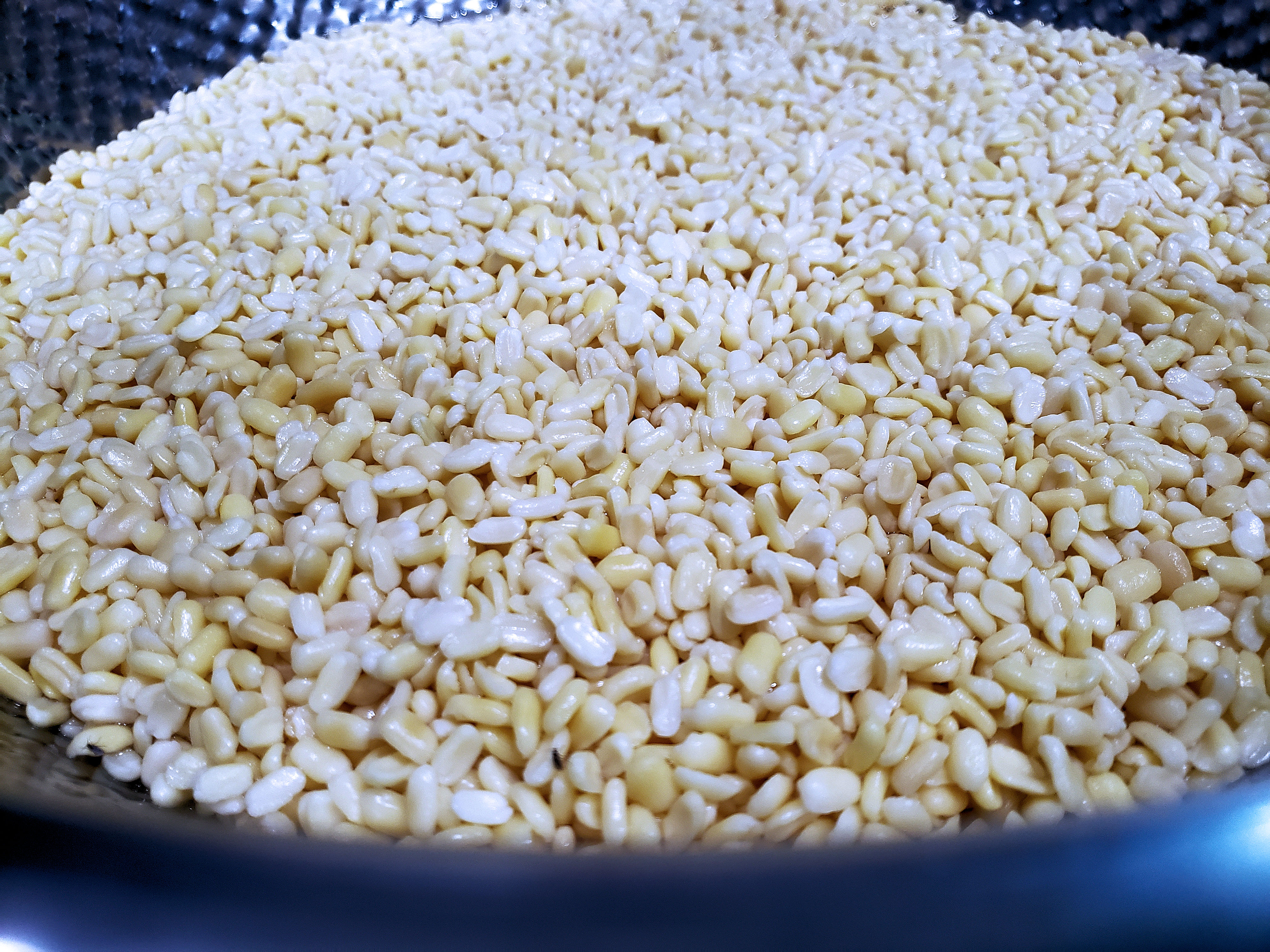
Image: Soaked chapssal
Ueong is also considered a strengthening food, often consumed during seasonal transitions to bolster immunity.
Check out Wooltari for Korean food and gifts!
Find it on Amazon! Purchases made through these links help support this site. As an Amazon Associate, we earn from qualifying purchases.