Book of Ingredients
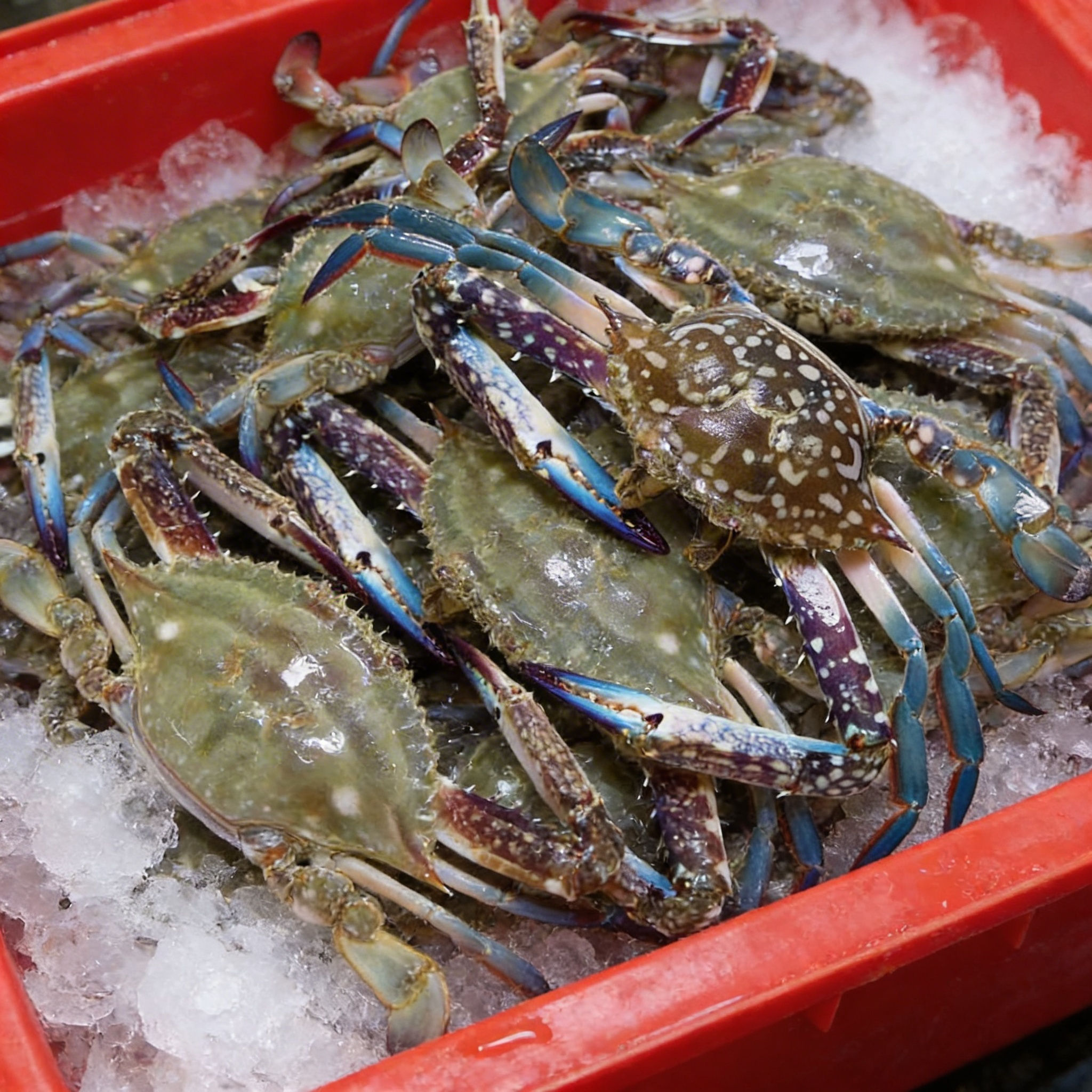
Generated Image: Kkotge
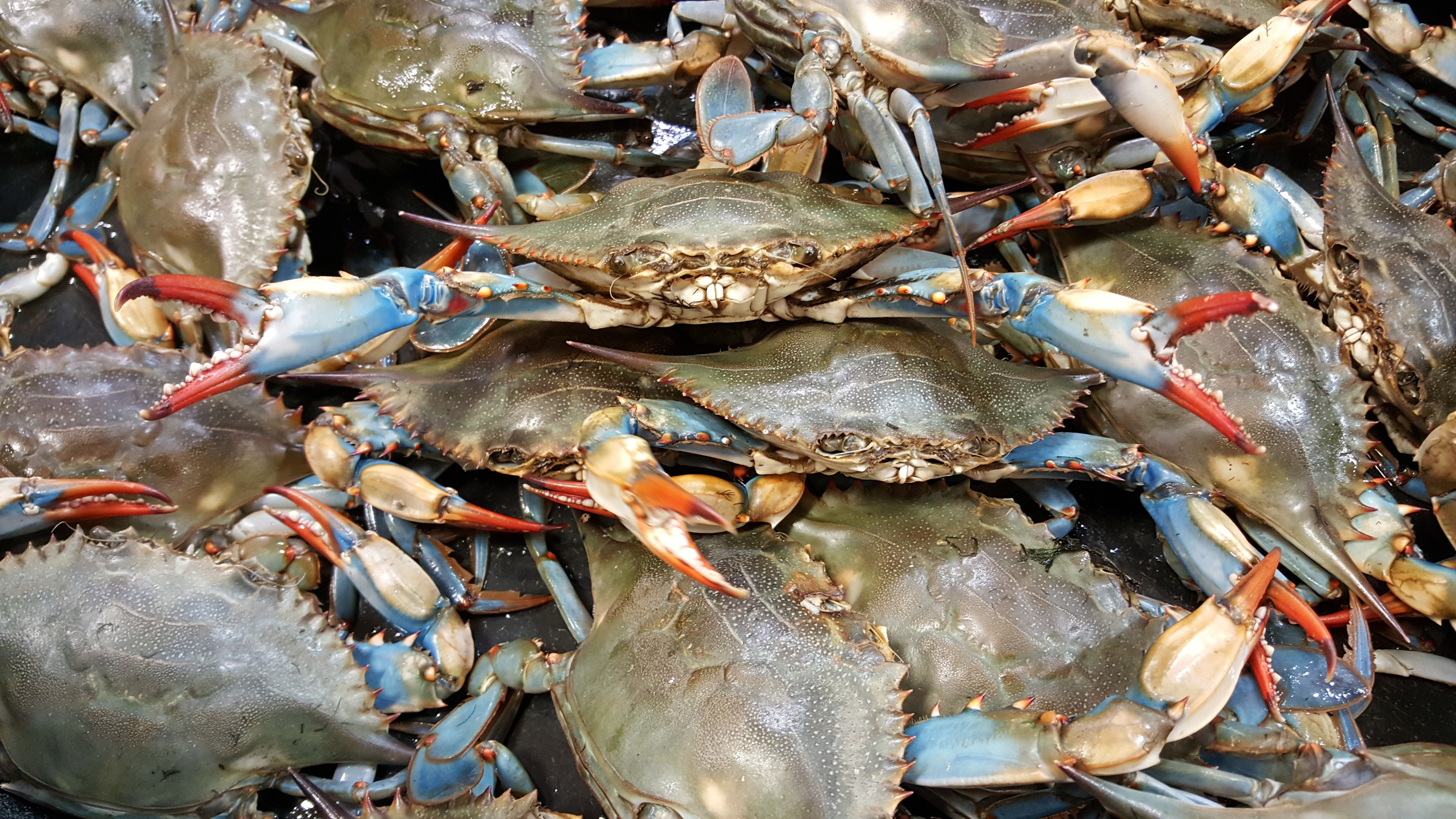
Image from Pixabay: Blue Crab
Kkotge Flower Crab | Blue Crab
Article by Gil "hannaone" © Copyright 2007-2026. All rights reserved.
꼬막 | kkotge
Ingredient Name: Kkotge
Korean Spelling: 꼬막
English Name: Flower Crab • Blue Crab
Classification: Seafood • Shellfish • Crustacian
🌐 General Information
Kkotge (꽃게), literally “flower crab,” is one of Korea’s most beloved crustaceans. Known for its naturally sweet meat, clean ocean flavor, and relatively soft shell, it appears in everything from raw marinated dishes to hearty stews. The species most commonly associated with kkotge in Korea is the Korean blue crab, which shares many characteristics with the American blue crab found along the Atlantic and Gulf coasts.
🛒 Shopping & Selection
Seasonality
Kkotge quality varies significantly by season, and Korean cooks pay close attention to timing:
• Spring (April–June):
Peak season for female crabs. They are full of bright orange roe and rich tomalley, ideal for soy-marinated gejang.
• Autumn (September–November):
Peak season for male crabs. They are meaty, plump, and especially sweet as they fatten for winter.
Where to Buy
• Large Korean markets with robust seafood sections often carry live or freshly chilled kkotge.
• In North America, American blue crab is the closest equivalent and is widely available at seafood markets, Asian supermarkets, and coastal fishmongers.
• Frozen blue crabs—whole or halved—are common substitutes when live crabs aren’t available.
How to Choose Live Crabs
• Activity: A healthy crab reacts quickly when touched. Avoid sluggish or motionless crabs.
• Color & Condition: Look for bright, clean shells with minimal damage. Missing limbs are common but try to choose intact crabs when possible.
• Weight: Heavier crabs indicate fuller meat.
• Female vs. Male:
• Female: Wide, rounded apron; prized for roe and richer flavor.
• Male: Narrow, pointed apron; typically meatier in fall.
Frozen Crabs
If buying frozen:
• Choose flash-frozen products for the best texture.
• Check packaging for ice buildup (a sign of thawing and refreezing).
• Confirm the expiration or packing date.
🧊 Storage
Short-Term Storage
• Live Crabs:
Keep in a cool, ventilated area of the refrigerator. Do not submerge in fresh water—it will kill them quickly.
If a crab dies, clean it within 4 hours.
• Raw (Cleaned):
Store in an airtight container for 1–2 days.
• Cooked:
Store in the coldest part of the refrigerator for 2–4 days.
Long-Term Storage
• Freezing (Best Method):
Clean the crabs, remove the gills, and freeze them solid before vacuum sealing.
Properly sealed crabs keep for 2–3 months with minimal quality loss.
• For Gejang (Marinated Crab):
Store in an airtight container and consume within 3 days for best flavor and safety.
🔪 Common Preparation
Cleaning
• Place live crabs in the freezer for about 2 hours to immobilize them.
• Remove the apron and top shell.
• Remove gills (“dead man’s fingers”) and rinse quickly under cold water.
• Cut into halves or quarters depending on the dish.
Using Frozen Crabs
• Thaw just until workable and cook immediately to maintain texture and prevent waterlogging.
🍲 Culinary Uses
Popular Korean Dishes
• Ganjang-gejang (간장게장):
Raw crab marinated in a seasoned soy brine. Known for its sweet, savory, and slightly fermented flavor.
• Yangnyeom-gejang (양념게장):
Raw crab marinated in a spicy, chili-based sauce. Rich, bold, and deeply seasoned.
• Kkotge-tang (꽃게탕):
A spicy blue crab stew with vegetables, aromatics, and gochugaru. The crab infuses the broth with a clean, oceanic sweetness.
Other Uses
• Steamed whole crabs
• Crab-based broths for jjigae or guk
• Stir-fries with vegetables or noodles
• Crab meat mixed into rice or bibimbap-style bowls
🔄 Substitutes
For Raw Marinated Crab (Gejang)
A mild, sweet crab with tender flesh works best.
• American Blue Crab:
The closest substitute in flavor and texture; widely used outside Korea.
• Frozen Blue Crabs:
High-quality flash-frozen crabs are suitable for gejang when fresh isn’t available.
• Rock Crab / Stony Crab:
Used in some Korean regions (e.g., Yeosu). Firmer shell but very sweet meat.
• Soft Shell Crab:
Works well for marination and offers easy eating, though the flavor is slightly different.
📜 Historical & Cultural Notes
Kkotge has long been part of Korea’s coastal food culture. Regions like Yeosu, Gunsan, and Incheon are especially known for their crab harvests and gejang traditions. Historically, gejang was a preservation method, allowing households to store crab through fermentation and soy brining. Today, it remains a beloved specialty and a signature banchan in many Korean restaurants.
🏷️ Other Names
• Flower Crab
• Blue Crab
• Korean Blue Crab
• American Blue Crab (substitute)
📝 Miscellaneous Information
• The roe and tomalley are central to the appeal of female crabs and are often mixed with rice for a rich, savory bite.
• Kkotge shells are softer than many other crab species, making them easier to crack and eat.
• When making gejang, salt concentration and refrigeration temperature are critical for safety and flavor
| |||||||||||||||||||||||||||||||||||||||||||||||||||||||
Kkotge Blue Crab
Kkotge is especially valued for its versatility: it can be eaten raw (in gejang), simmered in spicy broths, steamed, stir-fried, or used to enrich soups and stews with a deep, briny sweetness. Its roe and tomalley are considered delicacies and are central to the appeal of female crabs in spring.
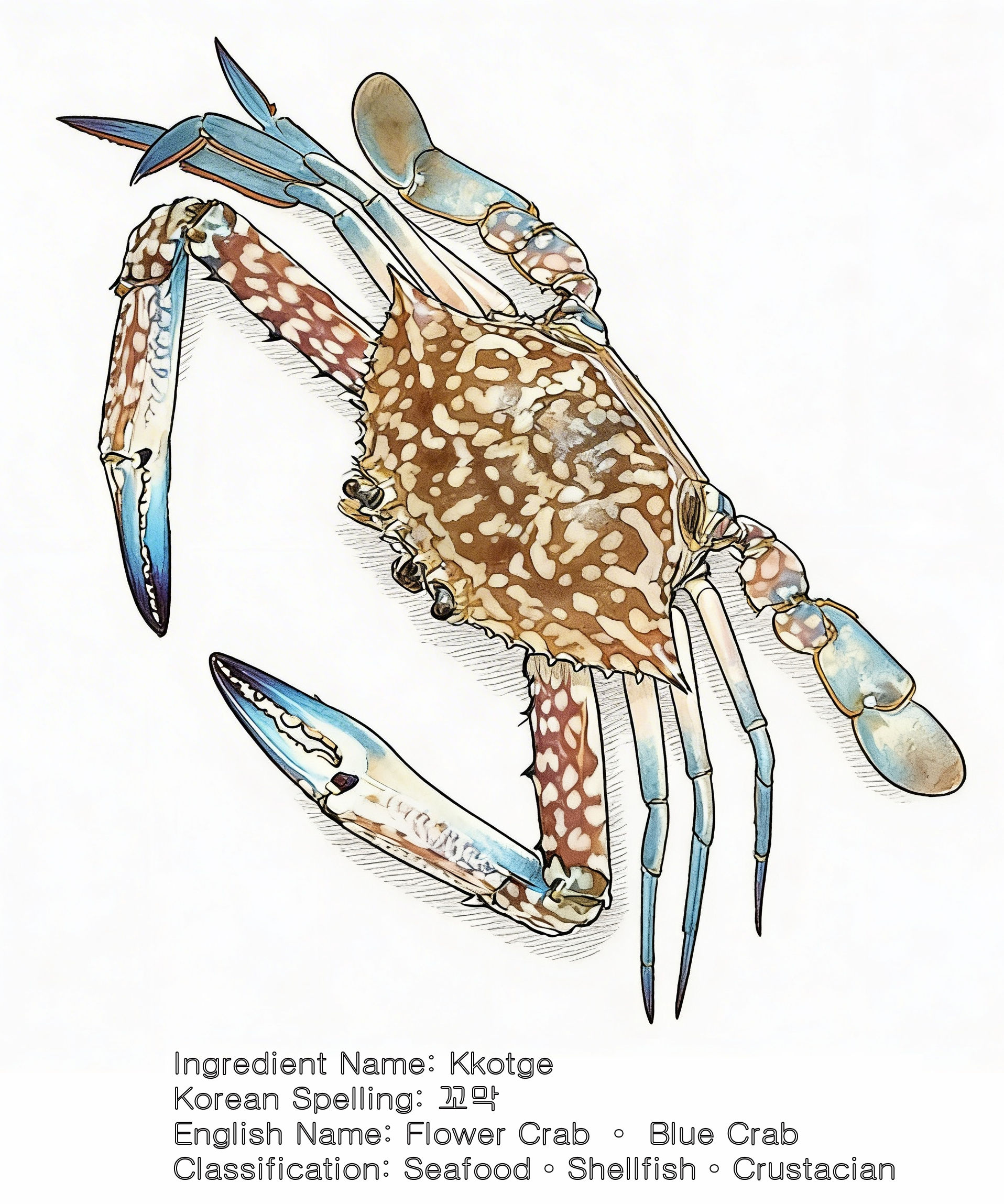
Image: Bajirak ingredient card
The crab’s name—“flower crab”—comes from the mottled, petal-like patterns on its shell, which resemble blossoms.
Check out Wooltari for Korean food and gifts!
Find it on Amazon! Purchases made through these links help support this site. As an Amazon Associate, we earn from qualifying purchases.