Book of Ingredients
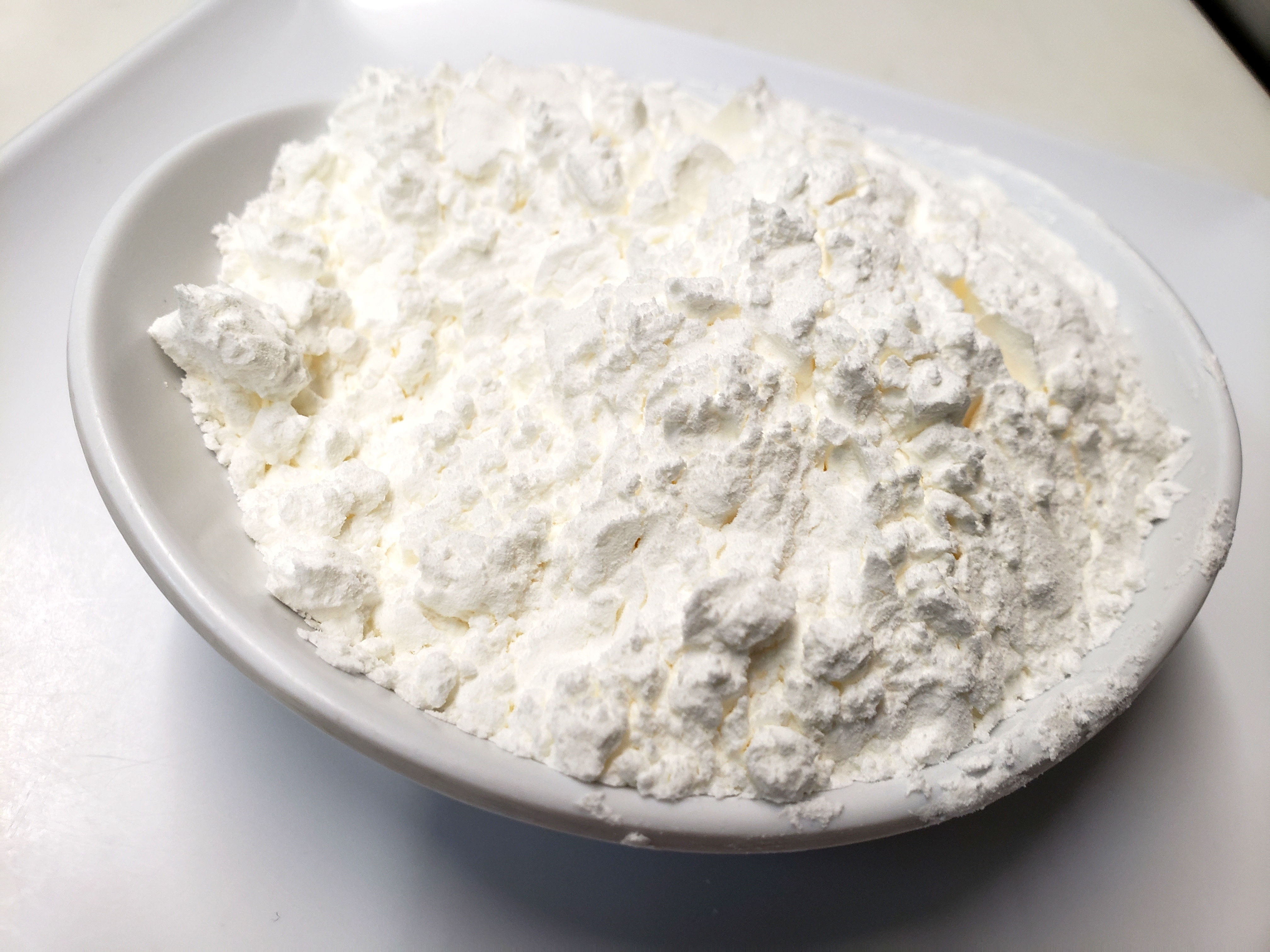
Image by hannaone: Chikgaru
Chickgaru Arrowroot Starch
Article by Gil "hannaone" © Copyright 2007-2026. All rights reserved.
고춧가루 | Gochugaru
Ingredient Name: Chikgaru
Korean Spelling: 칡가루
English Name: Kudzu or Japanese Arrowroot Flour/Starch
Classification: Tuber/Root, Milled, Starch/flour
General Information
Chikgaru is a fine, powdery starch derived from the root of the kudzu plant (Pueraria montana). It closely resembles cornstarch in texture and function but offers several advantages in culinary applications. Known for its neutral flavor, chikgaru is prized for its ability to thicken sauces without altering their taste. It works effectively at lower temperatures, tolerates acidic ingredients well, and maintains stability through prolonged cooking. Additionally, it performs better than cornstarch when frozen and thawed, retaining its desired consistency. However, it does not work well with dairy-based mixtures, as it tends to form undesirable textures.
Shopping and Selecting
Chikgaru is widely available in medium to large Korean markets, Chinese grocery stores, and other Asian specialty shops. When purchasing, ensure the packaging is intact, and the starch is free from moisture exposure, which can cause clumping. Check the "best by" date to guarantee freshness and optimal thickening properties.
Storage
Store chikgaru in an airtight container in a cool, dry place like a pantry. Moisture can degrade the quality of the starch, leading to clumping and loss of effectiveness. Properly stored, it remains usable for an extended period.
Common Preparation Methods
- For thickening sauces and liquids: Mix chikgaru with an equal amount of cold water to create a slurry, then whisk into a hot liquid. Allow about 30 seconds of cooking time for thickening to take effect. A general guideline is one tablespoon of chikgaru starch per one cup of liquid.
- For velveting meats: Coat sliced meat with a chikgaru-based slurry before stir-frying to enhance tenderness.
- For frying: Use chikgaru as part of a batter or dredging mixture to create a crisp outer coating.
Used In
- Marinades
- Frying and braising sauces
- Soups
- Stir-fried dishes (as a velveting agent)
- Any recipe requiring a thickening agent
Substitutes
- Cornstarch: Similar in function, dissolves completely when heated, making it a good choice for sauces.
- Tapioca Starch: Common in Korean and other Asian cuisines, offers a lightweight texture and neutral taste, making it an excellent alternative.
- Potato Starch: Another suitable thickener, though it may impart a slightly different texture compared to chikgaru.
Cultural and Historical Notes
Chikgaru (칡가루), or kudzu starch, carries a meaningful place in Korean culinary traditions, particularly in historical and medicinal contexts. While it is used today primarily as a thickener, its roots trace back to traditional herbal medicine (한약, hanyak) and temple cuisine.
Temple Cuisine and Natural Cooking
In Korean Buddhist temple cuisine (사찰음식, sachal eumsik), which emphasizes natural ingredients, chikgaru is occasionally used as a thickener for delicate broths and sauces. Since temple food avoids artificial additives, starches like kudzu serve as a clean, plant-based alternative.
Historical Cooking Practices
During times when certain ingredients were scarce, kudzu flour was used in place of wheat or rice flour to make simpler, plant-based dishes. In some regions, kudzu starch was historically mixed into water and sweeteners to create a cooling, jelly-like dessert (청포묵, cheongpomuk), similar to mung bean starch jelly.
| |||||||||||||||||||||||||||||||||||||||||||||||||||||||||||
Chickgaru Arrowroot Starch
Medicinal and Traditional Use
Kudzu has long been considered a restorative ingredient in Korean herbal medicine, often used to aid digestion, soothe fevers, and support overall wellness. Chikgaru, made from its starch, was traditionally incorporated into teas and porridges (juk, 죽) for both nourishment and medicinal purposes.
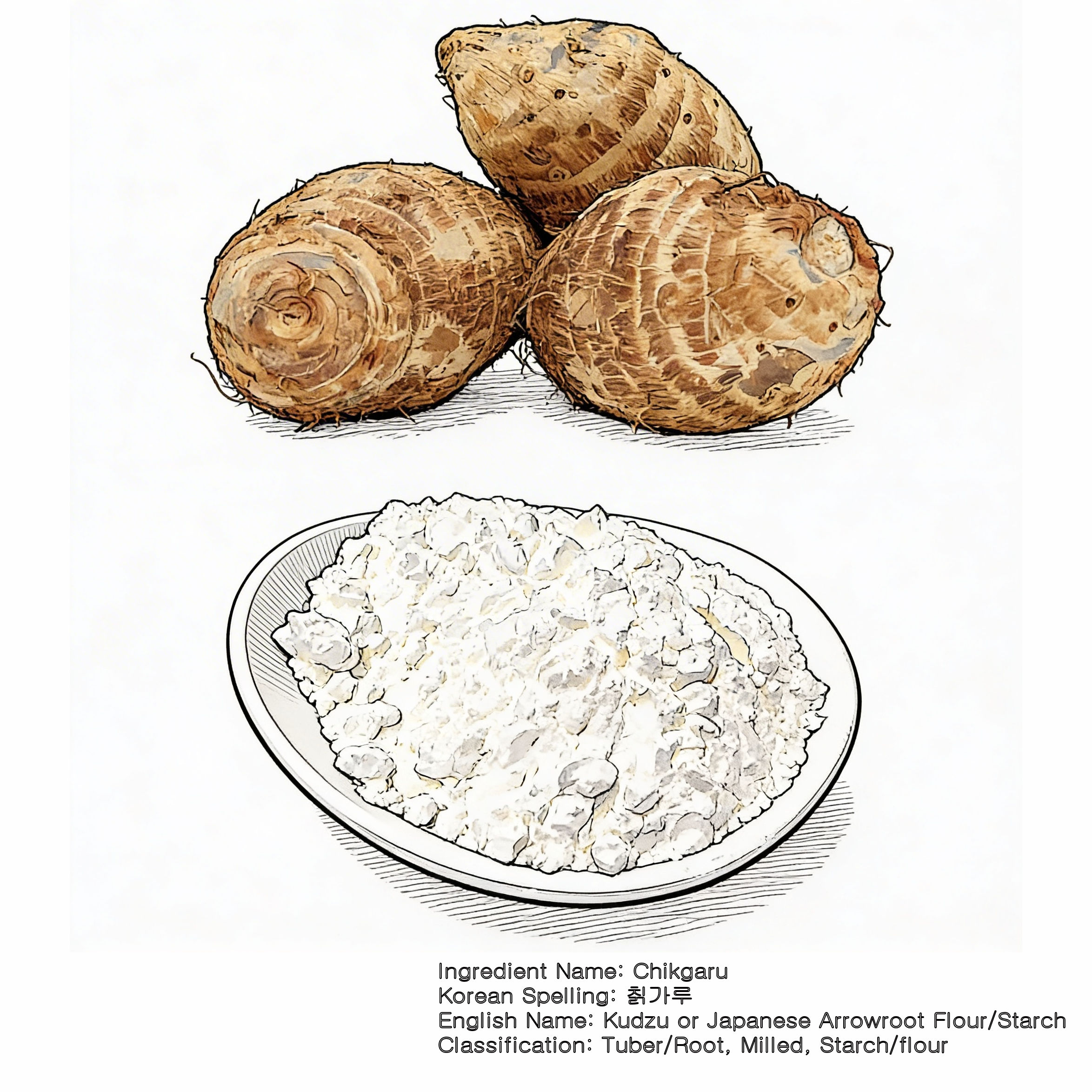
Image: Chikgaru
While it may not be as commonly discussed as staple ingredients like rice or soybean paste, chikgaru remains an important example of Korea’s connection to medicinal cooking and natural food traditions
Check out Wooltari for Korean food and gifts!
Find it on Amazon! Purchases made through these links help support this site. As an Amazon Associate, we earn from qualifying purchases.