Book of Ingredients
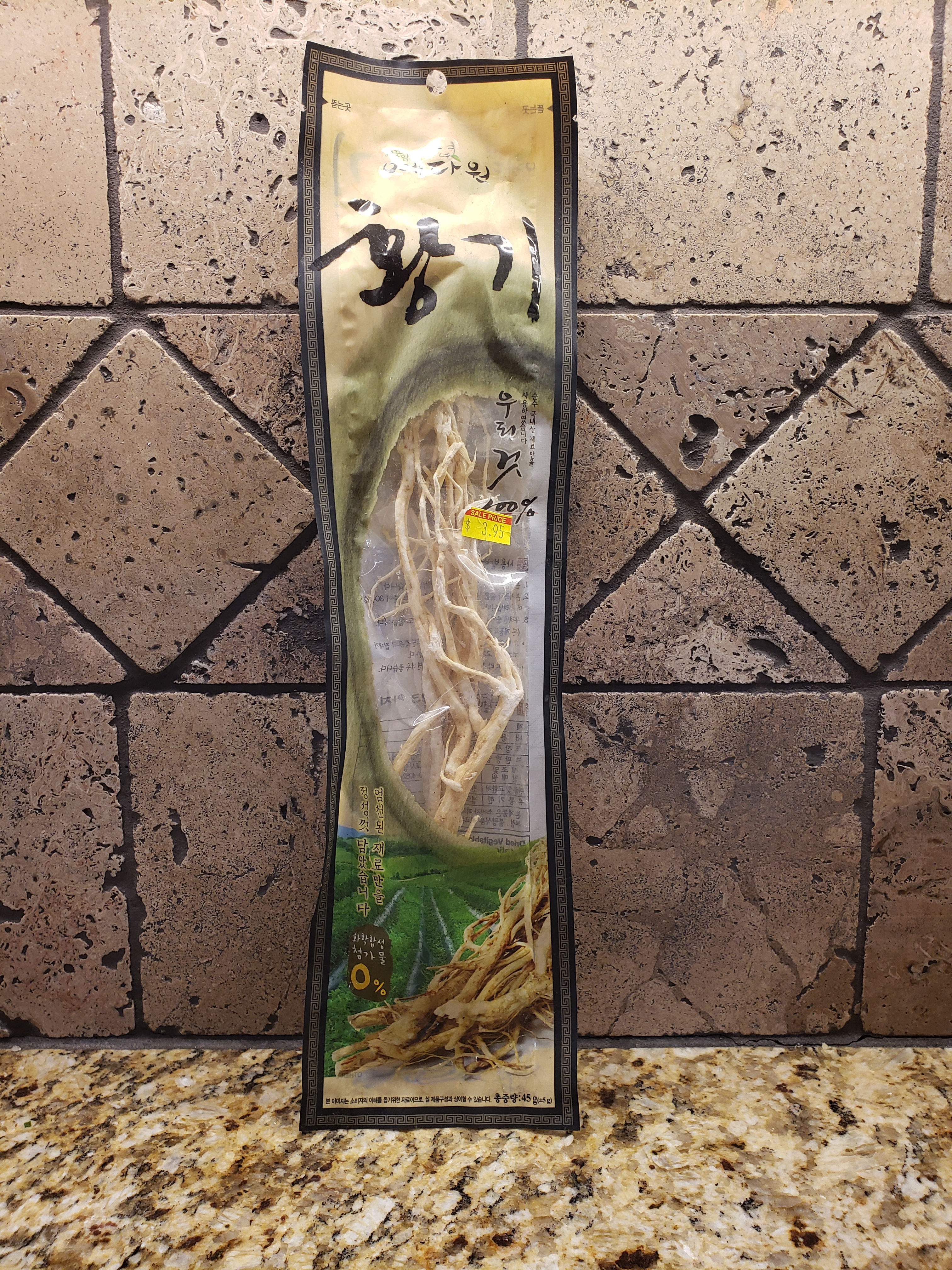
Image by hannaone: Angelica Root
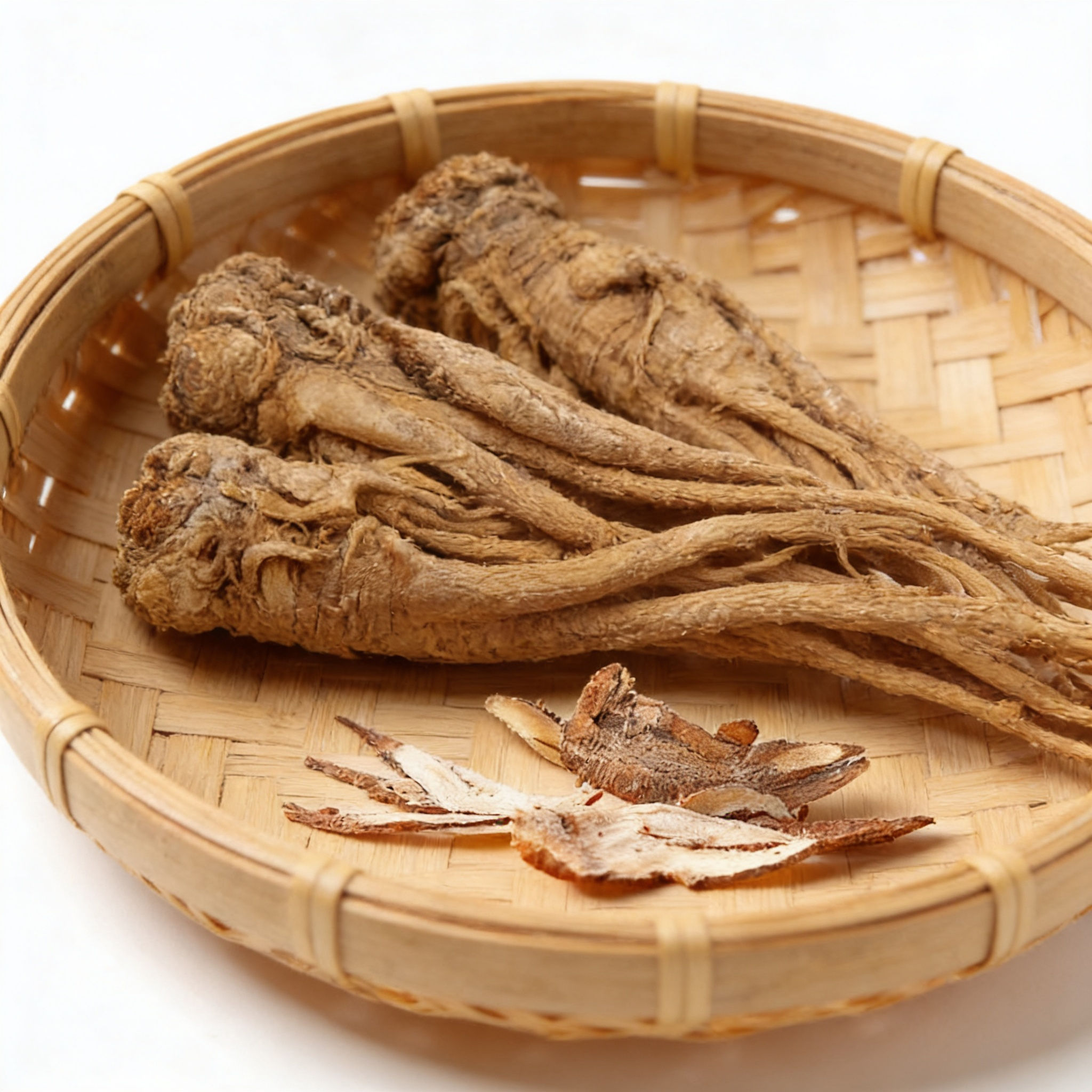
Image by hannaone and AI: Angelica
Dang-gui Korean Angelica Root
Article by Gil "hannaone" © Copyright 2007-2026. All rights reserved.
당귀 | dang-gui
Ingredient Name: Dang-gui
Korean Spelling: 당귀
English Name: Angelica Root
General Information
Dang‑gui is the Korean name for Angelica Root, a foundational ingredient in traditional Korean herbal practice (hanbang) and a valued component of functional Korean cooking. Often called “female ginseng,” it has long been associated with nourishment, warmth, and vitality in East Asian herbal traditions.
In the kitchen, dang‑gui is used with intention rather than abundance. Its aroma is earthy, slightly sweet, and faintly bitter, with herbal notes reminiscent of celery and wild greens. Even a small amount can transform broths and teas, lending depth and a distinctive medicinal fragrance. While its primary role is herbal, it appears in everyday dishes that reflect Korea’s long‑standing belief that food and medicine share the same roots.
Shopping & Selecting
Forms Available
- Dried Dang‑gui: Most common in Korean markets and herbal shops.
- Fresh Dang‑gui: Less widely available but prized for its fragrance and potency.
How to Choose
- Dried:
- Look for pieces with a uniform tan‑brown color.
- Avoid roots that are overly dark, brittle, or dusty.
- Packaging should be sealed and free of moisture or mold.
- Fresh:
- Select firm, unblemished roots.
- Avoid yellowing, soft spots, or mushy areas.
- A clean, herbal aroma indicates good quality.
Storage
- Dried Dang‑gui:
Store in its original sealed packaging or transfer to an airtight container. Keep in a cool, dry place away from direct sunlight. Properly stored, dried dang‑gui maintains quality for several months.
- Fresh Dang‑gui:
Wrap the root in a paper towel to absorb moisture, then cover with plastic wrap. Refrigerate. Fresh dang‑gui is best used within 1–2 weeks, depending on initial freshness.
Common Preparation
- Dried:
- Rinse briefly under cold water.
- Soak for at least 1 hour before use to soften and release aroma.
- Use whole pieces for broths or slice for teas and stews.
- Fresh:
- Wash thoroughly under cold water.
- Slice or leave whole depending on the dish.
- Often added early in cooking to infuse flavor into broth.
Used In
- Samgyetang (삼계탕) – Whole chicken ginseng soup
- Yak‑seon (약선) – Korean medicinal/functional cuisine
- Ojeok‑san (오적산) – Traditional herbal formula
- Herbal soups and stews
- Ssam (쌈) – Occasionally used in herbal broths or dipping sauces
- Herbal teas such as dang‑gui cha
Substitutes
There is no true substitute for dang‑gui when used for traditional or herbal purposes.
For culinary use—when the goal is flavor rather than function—these ingredients offer similar aromatic qualities:
- Celery root or celery seed – Milder but shares herbal, slightly bitter notes
- Fennel seed – Adds a sweet, anise‑like aroma
- Fresh ginger – Not similar in flavor, but provides warmth and depth in broths
| |||||||||||||||||||||||||||||||||||||||||||||||
Dang-gui Angelica gigas Nakai
Historical & Cultural Notes
Dang‑gui has been part of Korean herbal practice for centuries, appearing in classical medical texts and household remedies. Its reputation as a warming, restorative root made it a staple in seasonal cooking, especially in winter or during periods of recovery.
In Korean culinary culture, dang‑gui symbolizes intentional nourishment. Its presence in a dish signals care—food prepared not only to satisfy hunger but to support balance and well‑being. This dual identity, both medicinal and culinary, reflects the broader Korean worldview in which food and health are deeply intertwined.
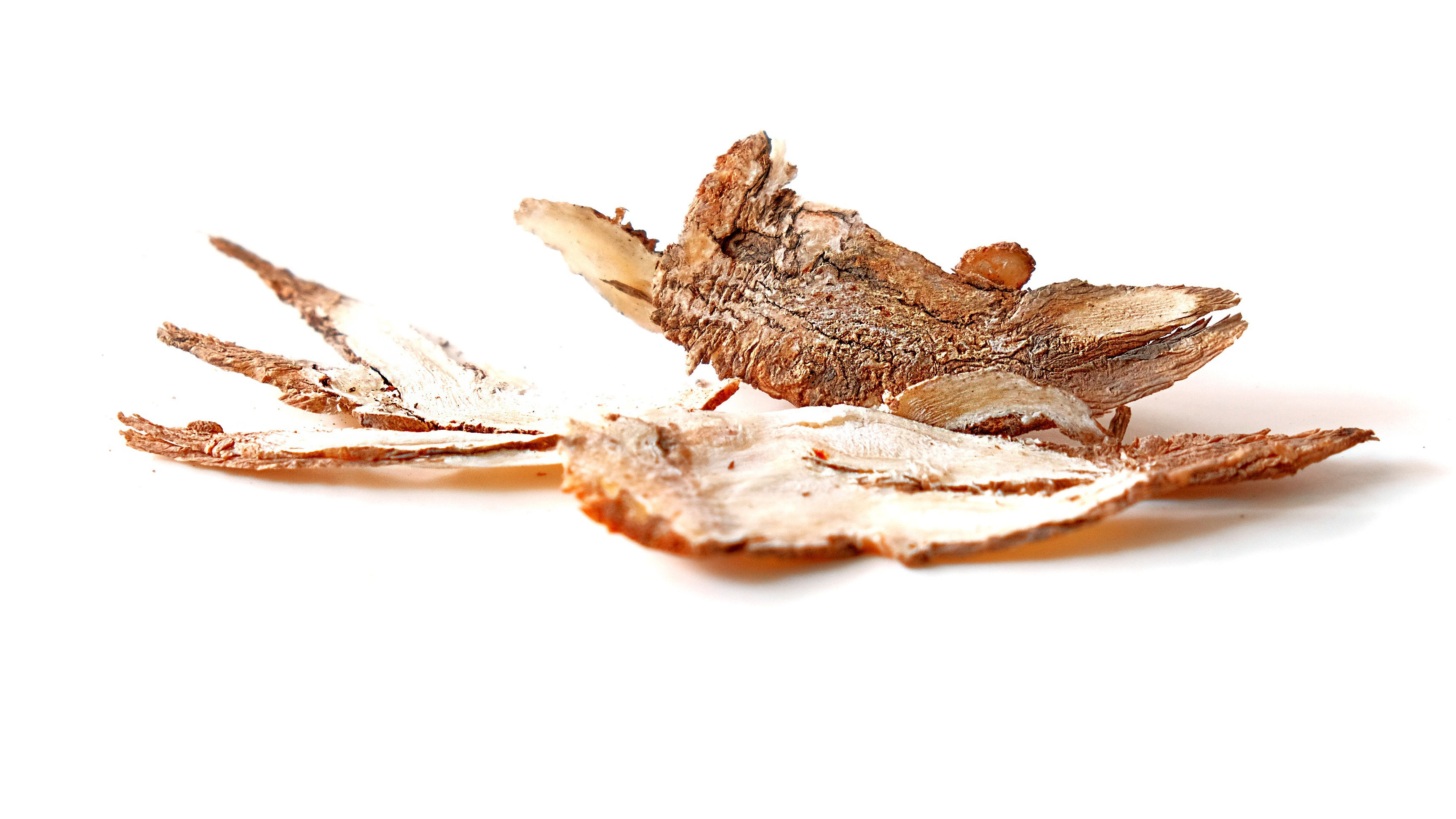
Image from Pixabay
Other Names
- Korean: 당귀 (Dang‑gui), 참당귀 (Cham‑dang‑gui)
- Chinese: 当归 (Danggui)
- Japanese: トウキ (Tōki)
- Botanical: Angelica gigas (Korea), Angelica sinensis (China), Angelica acutiloba (Japan)(species vary by region, Angelica gigas Nakai is specifically the Korean species )
Check out Wooltari for Korean food and gifts!
Find it on Amazon! Purchases made through these links help support this site. As an Amazon Associate, we earn from qualifying purchases.