Book of Ingredients
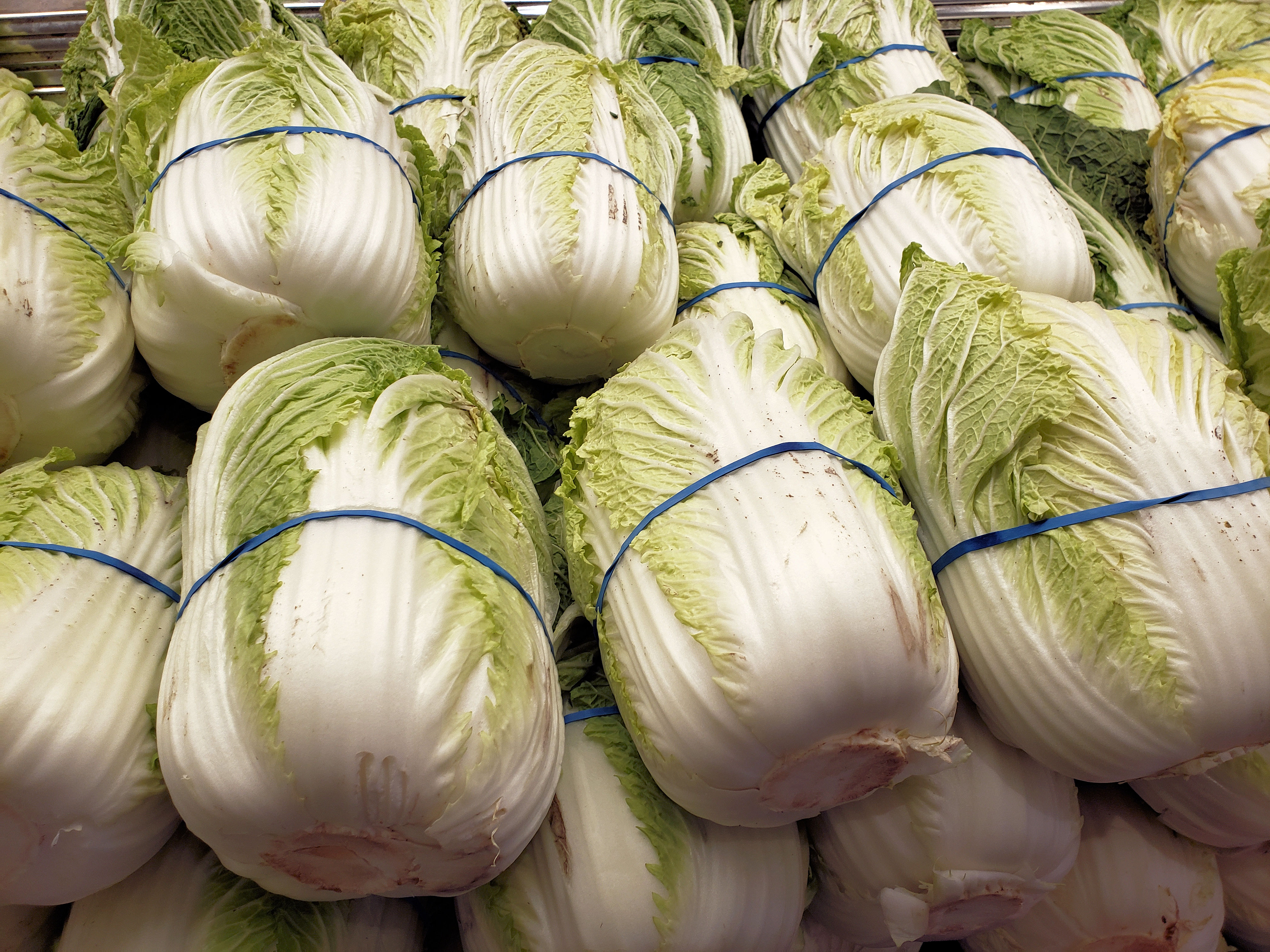
Image by hannaone: baechu in the market
Baechu Korean Cabbage
Article by Gil "hannaone" © Copyright 2007-2026. All rights reserved.
배추 | baechu
Ingredient Name: Baechu
Korean Spelling: 배추
English Name: Korean Cabbage (Napa Cabbage)
General Information
Baechu, commonly known as Napa cabbage or Chinese cabbage, is one of the most essential ingredients in Korean cuisine. This mild, slightly sweet cabbage has tender yet crisp leaves, making it suitable for both raw and cooked applications. It is best known as the primary ingredient in baechu kimchi (배추김치), the most iconic form of Korean fermented vegetables.
Shopping and Selecting
Baechu is widely available at farmers' markets, larger supermarkets, and Asian grocery stores. When selecting cabbage, look for:
- Firm, heavy heads with bright white bases and crisp green leaves
- No bruises, blemishes, or soft spots
- No signs of flowering buds in the center
- No visible insect damage (gently spread the outer leaves to check)
Storage
- Store whole cabbage in a cool, dry place or in the refrigerator wrapped loosely in plastic or paper.
- Once cut, wrap tightly and refrigerate to prevent drying out.
- Properly stored, baechu can last 1–2 weeks before losing crispness.
Common Preparation Methods
- Rinsing: Wash thoroughly in cold water and drain before use.
- Fermenting: Typically salted and prepared with seasonings for kimchi.
- Blanching: Used in baechu ssam (배추쌈), where leaves are softened for wrapping foods.
- Raw or fresh: Used shredded in salads or lightly dressed dishes.
Used In
- Various kimchi varieties
- Soups and stews (such as kimchi jjigae)
- Stir-fries
- Braised dishes
Popular Dishes
- Baechu Kimchi (배추김치) – Classic fermented Korean cabbage
- Baechu-mal Jjeongol (배추말이전골) – Korean cabbage rolls in hot pot
- Baechu Ssam (배추쌈) – Cabbage wraps filled with rice and side dishes
Substitutes
- Bok choy – Similar mild flavor and texture
- Savoy cabbage – Slightly different texture but usable
- Green cabbage – Firmer texture and more distinct flavor
Modern Popularity and Global Influence
Today, baechu kimchi is internationally recognized, sparking global interest in Korean cuisine. Many Korean households still practice kimjang, blending tradition with modern adaptations. Baechu remains a cornerstone of Korean food culture, reflecting history, practicality, and national pride.
| |||||||||||||||||||||||||||||||||||||||||||||||||||
Baechu Korean Cabbage
Korean cabbage features elongated, tightly packed leaves that transition from pale white at the base to vibrant green at the tips. It is highly nutritious, providing vitamins A, C, and K, as well as fiber and antioxidants that support digestive health and overall wellness.
Baechu remains an integral part of Korean culinary heritage, from daily home cooking to royal and temple cuisine, and holds deep cultural importance in Korea, playing a foundational role in culinary traditions, historical survival, and even social customs.
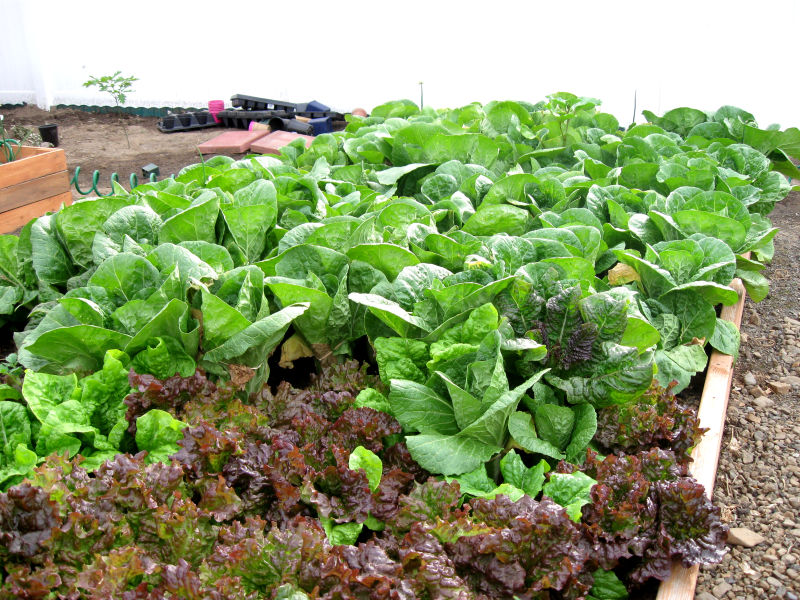
Image by hannaone: Red Leaf Lettuce and Baechu in our garden
Temple Cuisine and Royal Dining
Baechu also plays a role in Korean Buddhist temple cuisine, where fresh, natural ingredients are emphasized. Monks prepare dishes such as baechu ssam (배추쌈), using cabbage wraps to hold rice and vegetables, highlighting simplicity and sustainability. Historically, baechu also appeared in royal court cuisine, prepared in elaborate stews and layered dishes.
Check out Wooltari for Korean food and gifts!
Find it on Amazon! Purchases made through these links help support this site. As an Amazon Associate, we earn from qualifying purchases.