Book of Ingredients
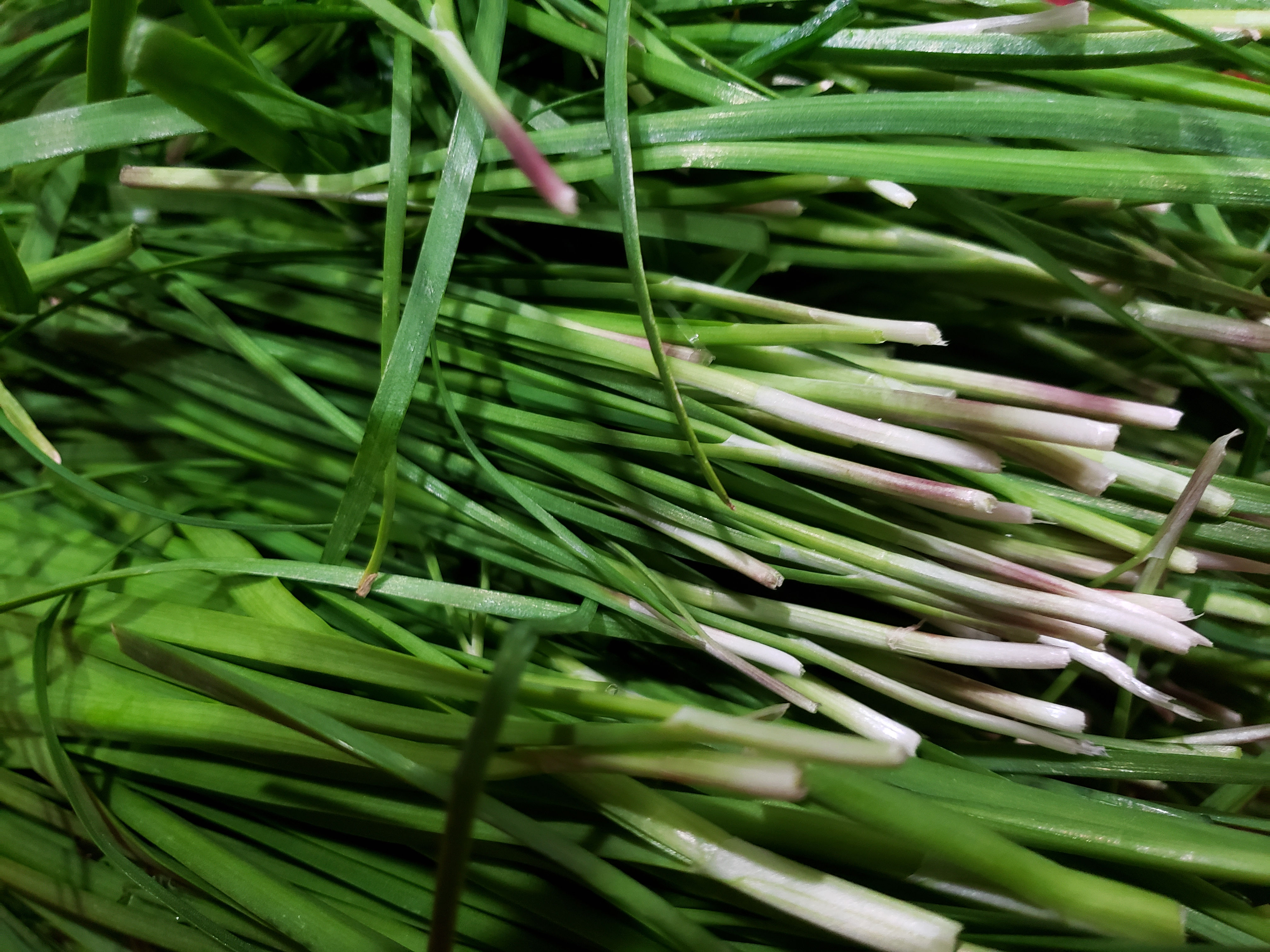
Image by hannaone: Fresh harvested chives
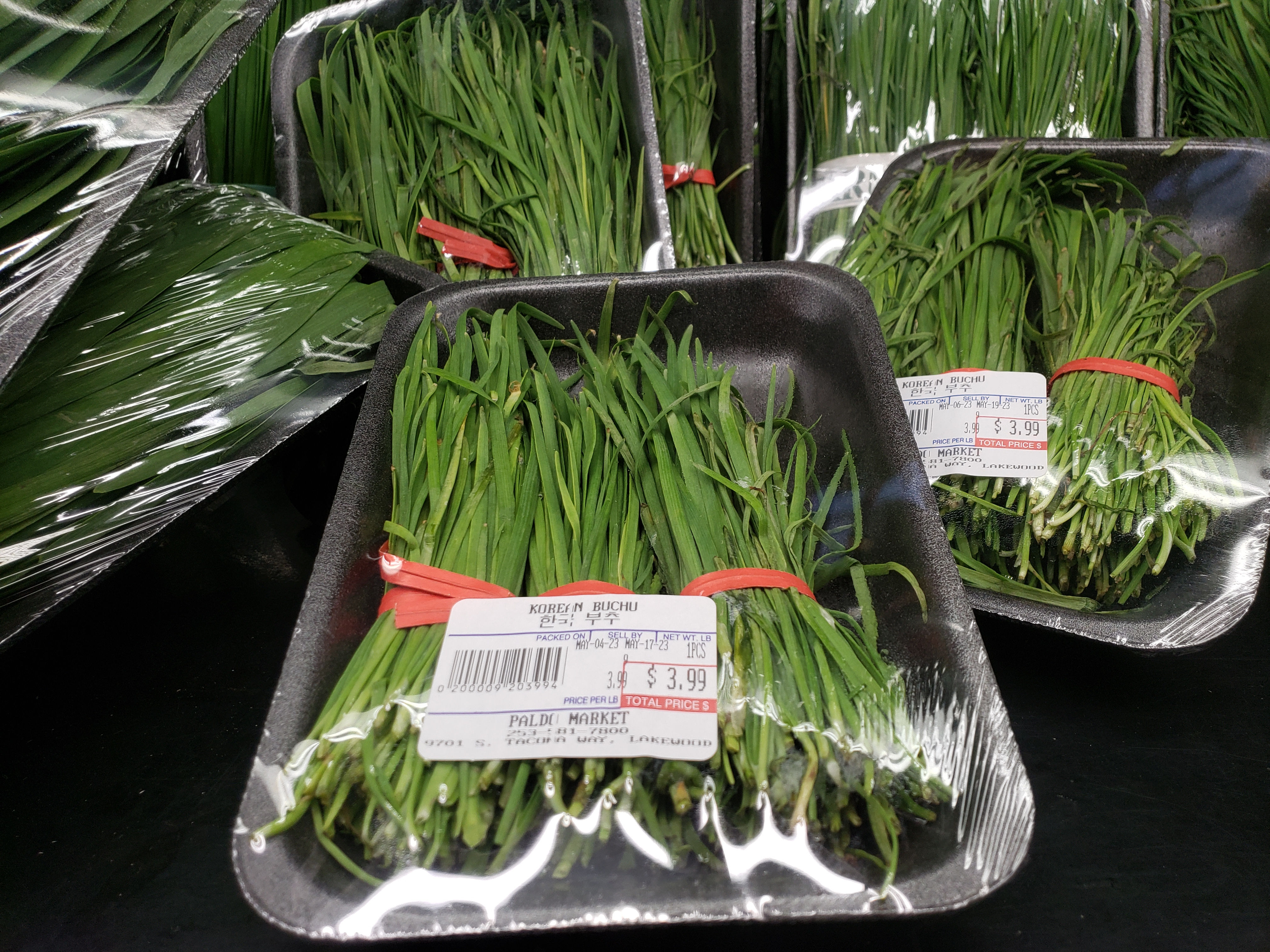
Image by hannaone: Buchu in the market
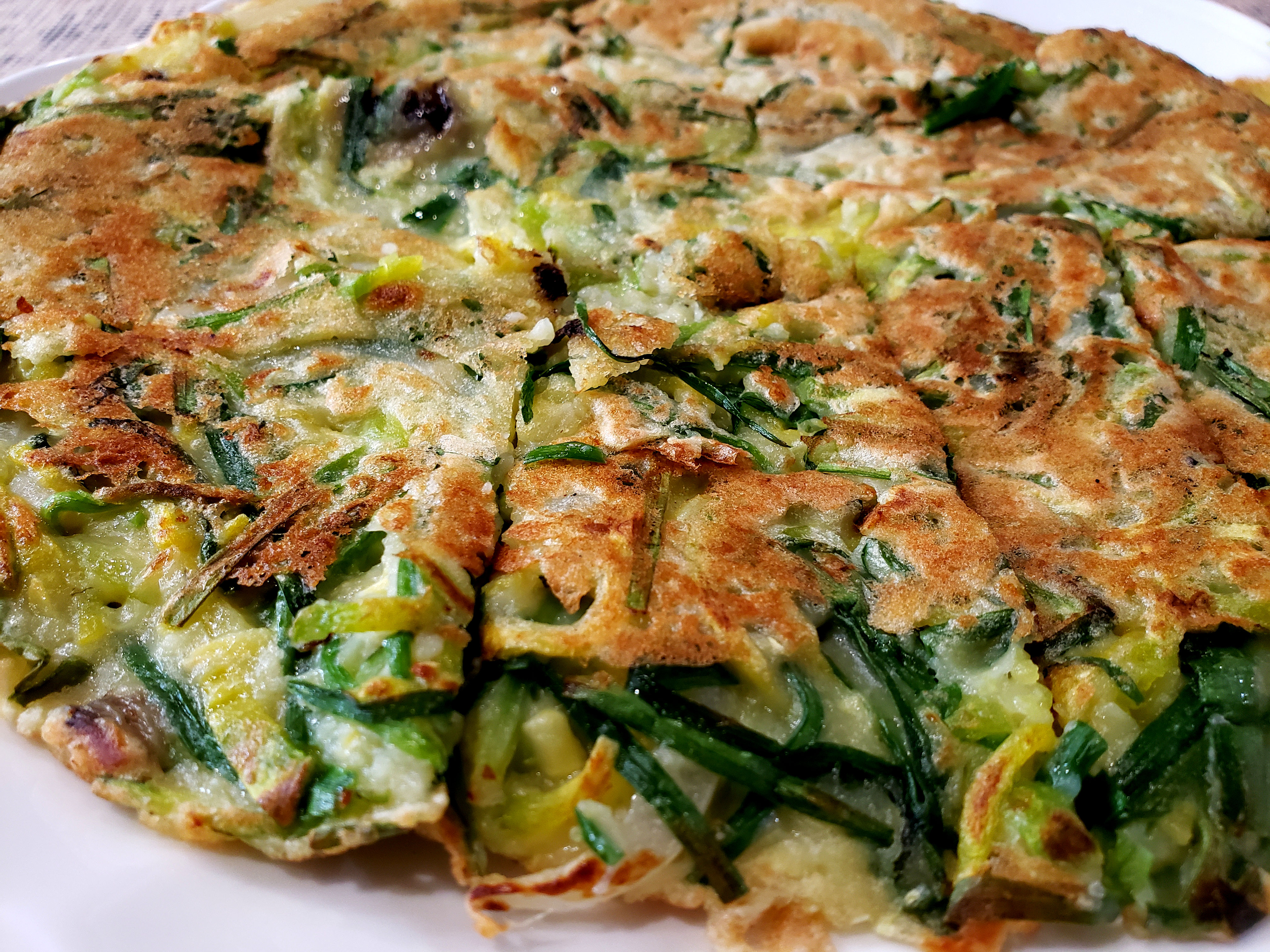
Image by hannaone: Buchu Jeon
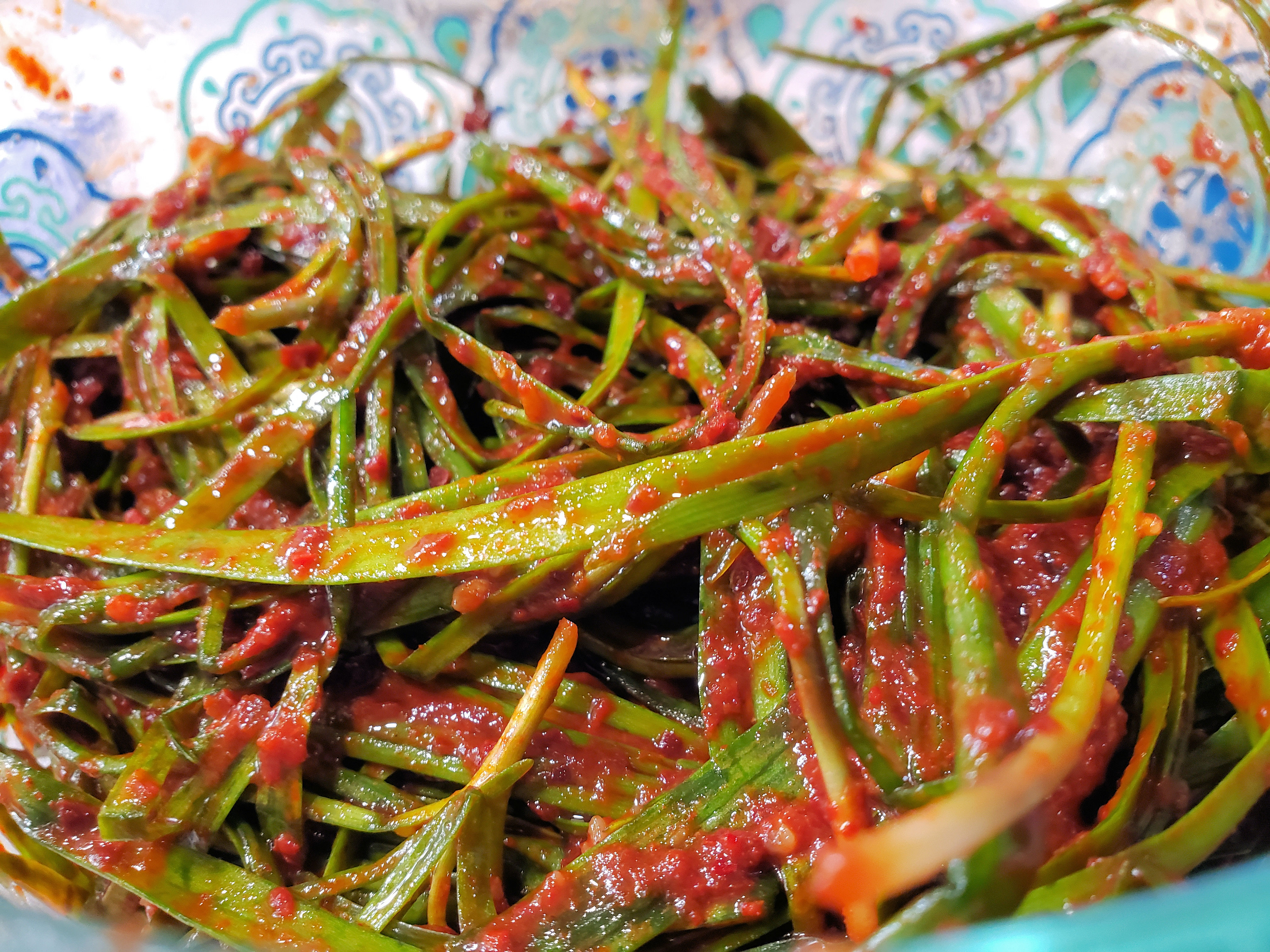
Image by hannaone: Buchu Kimchi
Buchu Korean Chives
Article by Gil "hannaone" © Copyright 2007-2026. All rights reserved.
부추 | buchu
Ingredient Name: Buchu
Korean Spelling: 부추
English Name: Garlic Chives, Asian Chives
General Information:
Buchu refers to garlic chives or Asian chives, an aromatic, tender herb with flat, broad leaves and a distinct garlicky flavor. Unlike Western chives, which have a milder onion-like taste, buchu delivers a sharper, more pronounced garlic note that enhances a variety of Korean dishes. It is often used fresh, stir-fried, pickled into kimchi, or blended into savory pancakes (buchimgae). Buchu plays an essential role in Korean cuisine, offering not just flavor but vibrant color and nutritional benefits.
Shopping and Selecting:
You can find buchu in Korean grocery stores, larger Asian markets, and many supermarkets with well-stocked produce sections.
What to Look For:
• Color: Bright, vibrant green leaves with no yellowing or browning.
• Texture: Thin, tender blades that are not limp or wilted.
• Freshness: Avoid chives that appear dry, overly thick, or have visible bruising.
Storage Guidelines:
Buchu has a short shelf life and should be stored carefully to maintain freshness.
Refrigeration:
• Wrap in a dry paper towel and place in an airtight plastic bag before refrigerating.
• Properly stored, it lasts about a week before wilting.
Freezing:
• Garlic chives can be frozen for later use, but this will alter their texture.
• Chop them into small pieces, freeze in an airtight container, and use them in cooked dishes like soups or stews.
Common Preparation Methods:
1. Rinse Thoroughly: Garlic chives tend to accumulate dirt, so wash well in cold water.
2. Trim if Needed: The bottom stems can be tougher, so trim as necessary.
3. Chop or Leave Whole: Depending on the recipe, buchu can be finely chopped or left in longer sections.
Culinary Uses:
• Buchu Namul (부추 나물): A seasoned vegetable side dish featuring fresh chives tossed with sesame oil, soy sauce, and garlic.
• Buchu Kimchi (부추김치): A distinctive kimchi variety made primarily with garlic chives.
• Buchu Buchimgae / Buchu Jeon (부추부침개 / 부추전): A crispy Korean pancake that highlights buchu’s natural sweetness.
• Soups & Stews: Frequently added to gukbap (rice soups) and other brothy dishes for a fresh herbal kick.
• Mandu (Korean Dumplings): Used as a filling ingredient for dumplings, lending extra flavor to the mixture.
Substitutes:
If buchu is unavailable, consider these alternatives:
• Western Chives: Milder in flavor but a reasonable substitute for garnishing.
• Young Garlic: Provides a similar garlicky taste with a more robust texture.
• Green Onion: Slightly different in taste but works in most dishes requiring buchu.
Historical and Cultural Notes:
Buchu has been cultivated for centuries and is deeply ingrained in Korean cuisine. Often associated with health benefits, it is believed to aid digestion, boost circulation, and enhance stamina. In traditional Korean medicine, garlic chives are used for their purported warming properties, making them a popular ingredient in seasonal dishes, especially in cooler months.
| |||||||||||||||||||||||||||||||||||||||||||||||
Buchu Korean Chives
Cultivation Tips for Buchu (Korean Chives)
Easy to Grow:
Buchu is a hardy perennial that thrives with minimal fuss. Once established, it returns year after year and steadily expands into dense, flavorful clumps.
Planting:
Plant in spring after the danger of frost has passed. Suitable for containers, raised beds, or open ground.
Light & Soil:
Prefers full sun to light shade. Grows best in well‑drained, nutrient‑rich soil with plenty of organic matter.
Watering:
Keep soil consistently moist but never waterlogged. Because buchu has shallow roots, regular watering supports steady growth.
Harvesting:
Snip leaves from the base—about half an inch above the soil—to encourage vigorous regrowth. The flowers are also edible, offering a stronger, sweet‑garlic flavor.
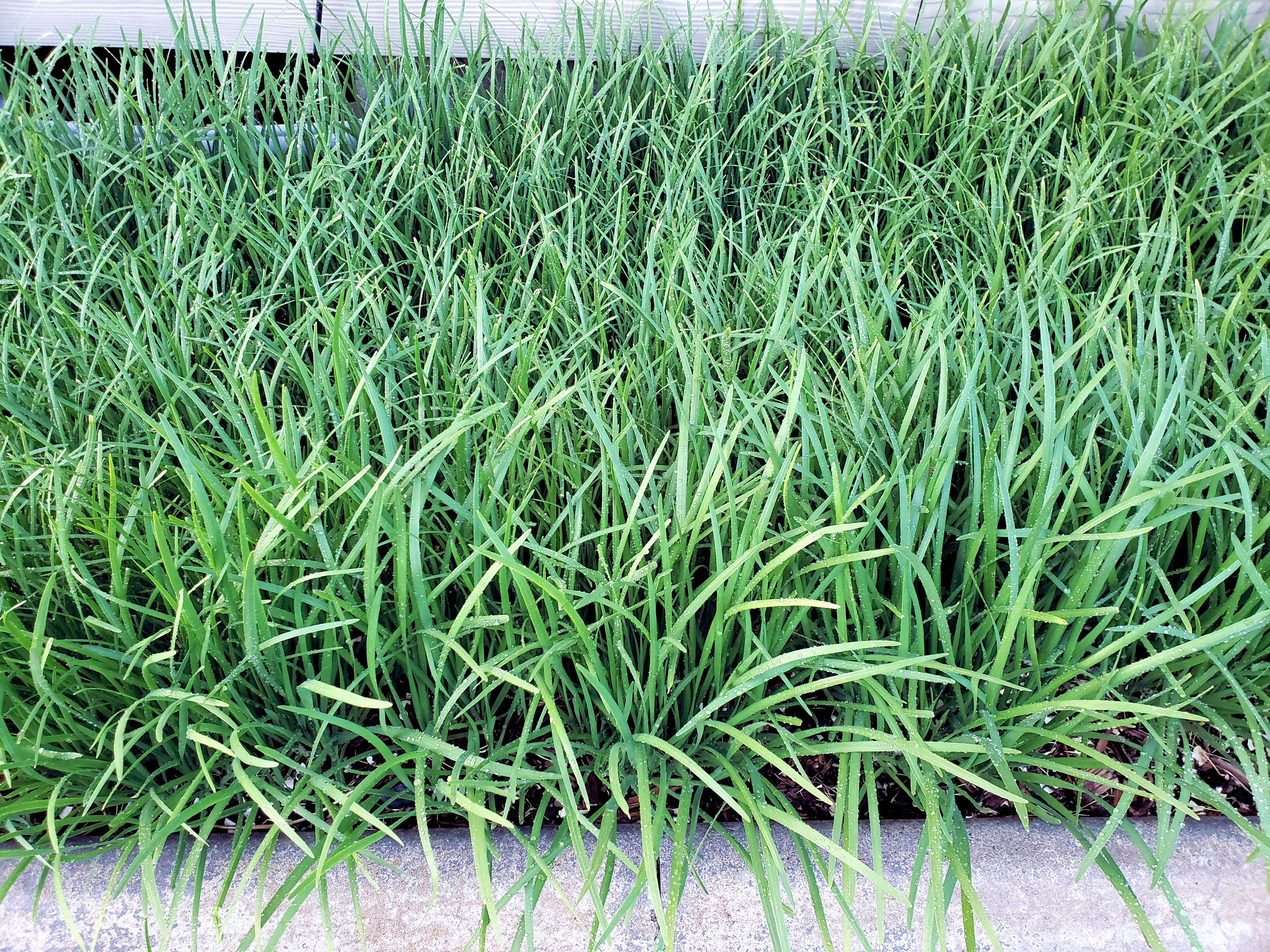
Image by hannaone: Buchu in our garden
Maintenance:
As a perennial, buchu reliably returns each season. Divide clumps every few years to maintain plant health and manage spread.
Varieties:
Often grouped with Chinese garlic chives, Korean buchu varieties tend to be thinner, more tender, and more aromatic
Check out Wooltari for Korean food and gifts!
Find it on Amazon! Purchases made through these links help support this site. As an Amazon Associate, we earn from qualifying purchases.