Book of Ingredients
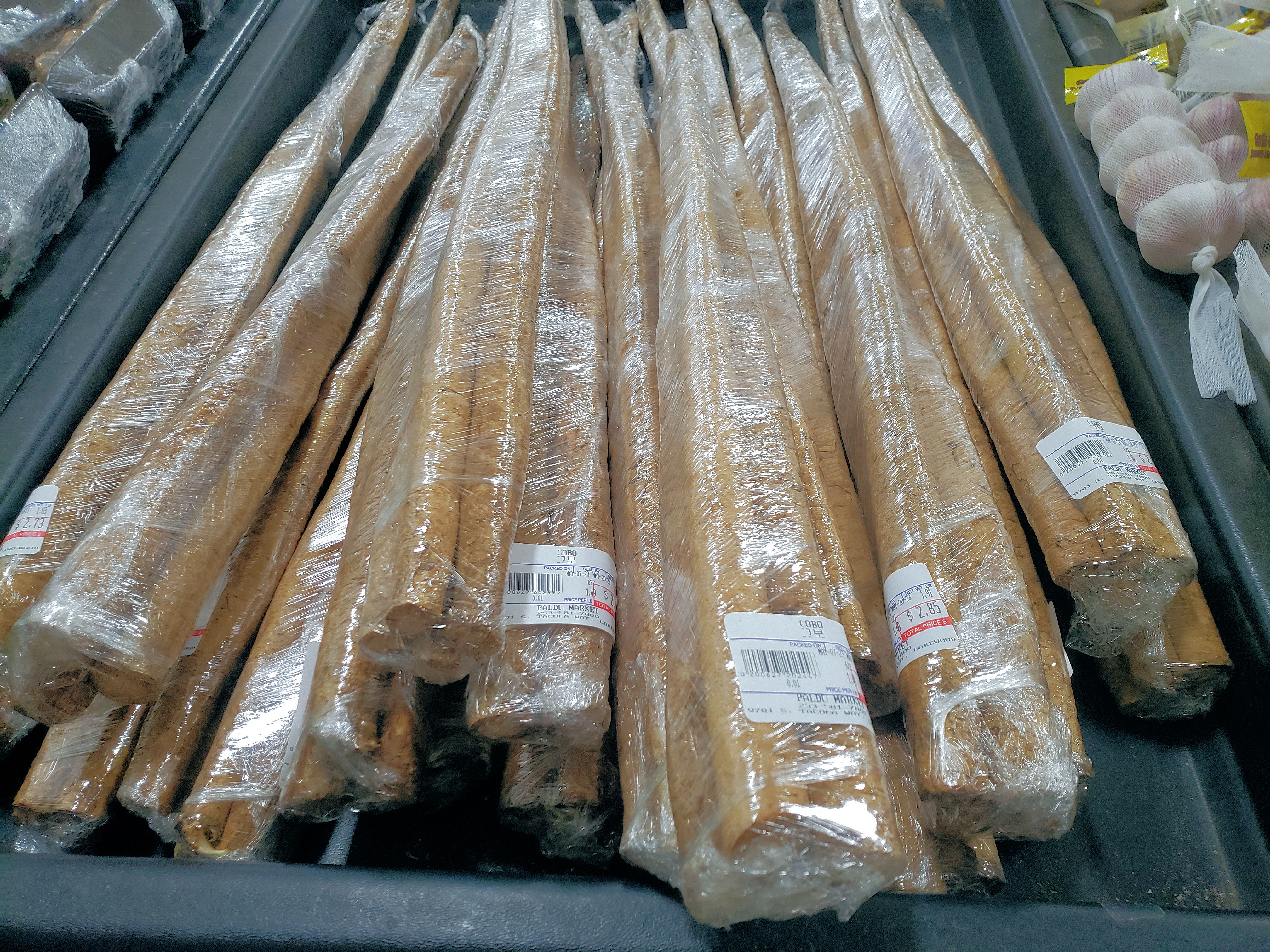
Image by hannaone: Ueong
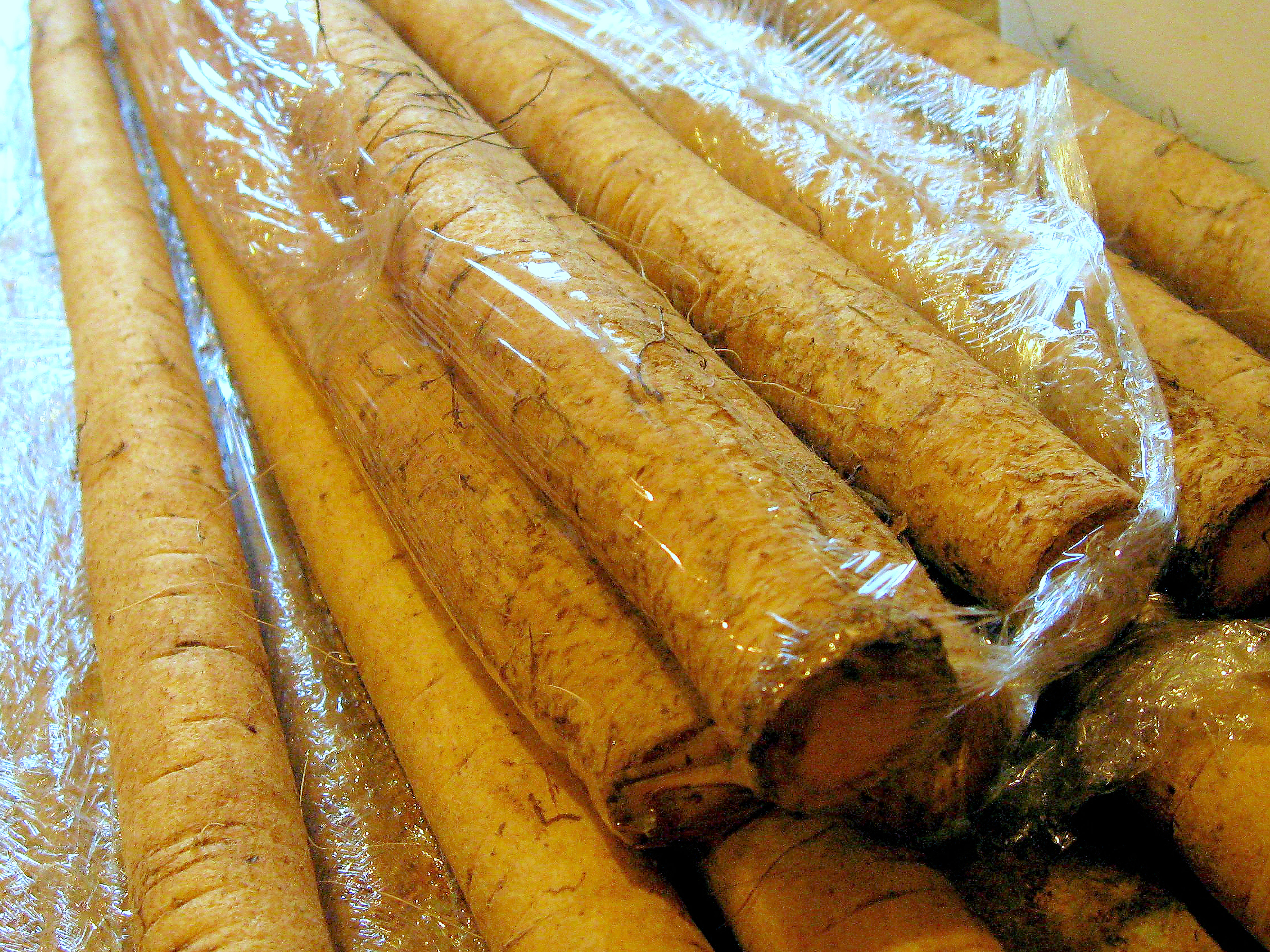
Image by hannaone: Ueong
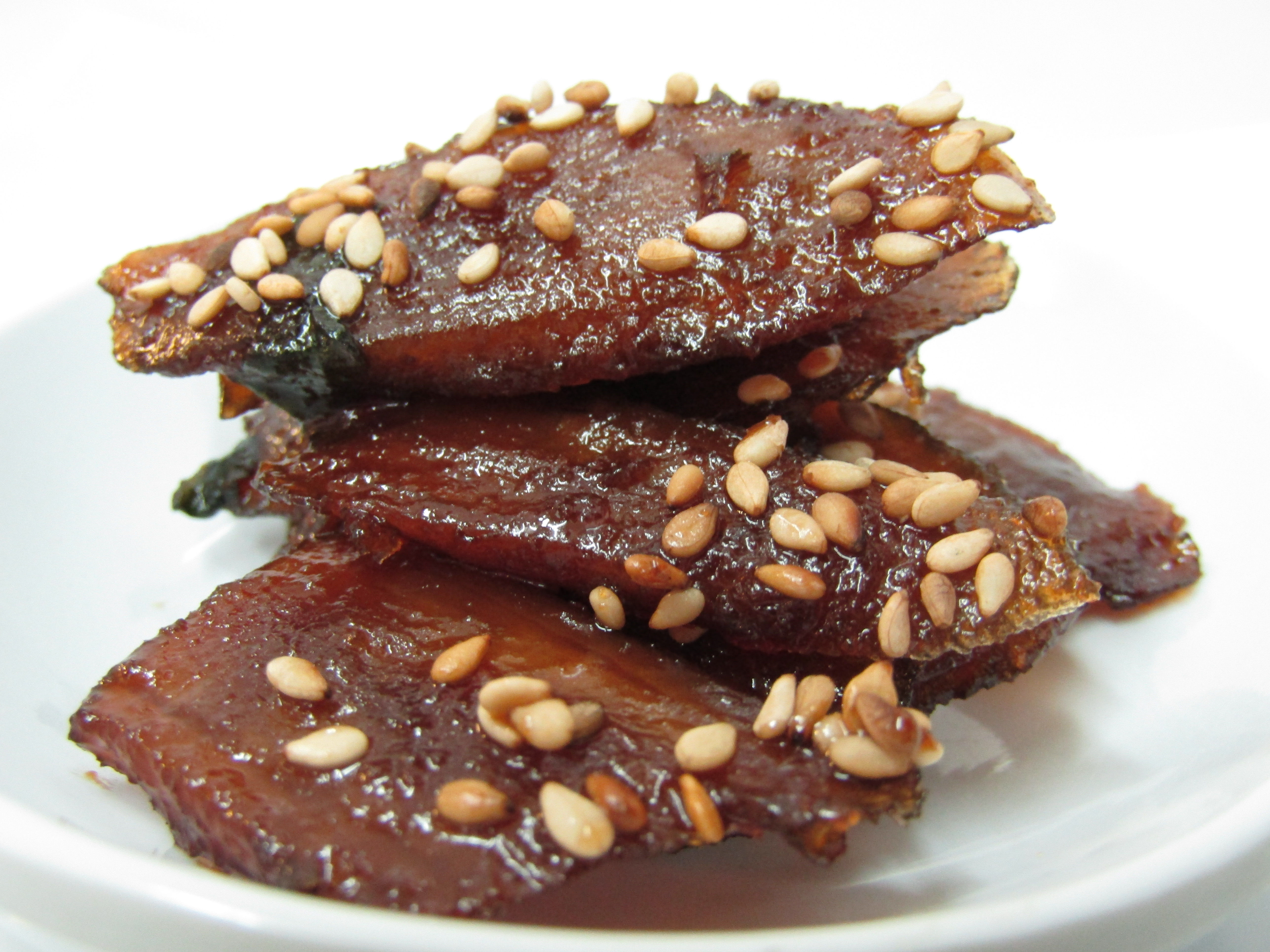
Image by hannaone: Soy candied Ueong
Ueong Burdock Root
Article by Gil "hannaone" © Copyright 2007-2026. All rights reserved.
우엉 | ueong
Ingredient Name: Ueong
Korean Spelling: 우엉
English Name: Burdock Root
Category: Vegetable, Herbal
General Information:
Ueong is a widely used root vegetable in Korean cuisine, prized for its earthy, nutty, and slightly sweet flavor. It has a distinct crisp, chewy texture that softens when cooked, making it suitable for a variety of culinary applications. Burdock root is a staple ingredient in both savory and medicinal dishes, known for its richness in antioxidants that may help with inflammation, digestion, and gut health. It is commonly prepared as a side dish, brewed into tea, added to soups and stir-fries, or slow-braised for deep flavor.
Shopping and Selecting:
Burdock root is available year-round in many Asian grocery stores and when in season at some farmer’s markets, particularly abundant during the fall harvest season.
What to Look For:
• Ideal Thickness: Choose roots slightly less than 1 inch in diameter—too thick may mean a woody texture.
• Firmness: The root should be firm and resistant to bending.
• Taut Skin: A smooth, unwrinkled surface indicates freshness.
• Presence of Dirt: Roots with some natural dirt tend to retain moisture longer and have better shelf life.
• Avoid Dried-Out Roots: Lightweight roots that appear overly dry lack flavor and can be tough.
Some markets offer pre-peeled and shredded ueong for convenience.
Storage Guidelines:
To maximize freshness, proper storage is essential.
Refrigeration:
• Wrap raw burdock root in newspaper or paper towels, then enclose it in plastic wrap or a breathable bag.
• Store in a cool, well-ventilated space or in the refrigerator’s crisper drawer.
• This method preserves freshness for several weeks.
Freezing:
• Ueong can be cut into sections and frozen for future use, though texture may change slightly after thawing.
Common Preparation Methods:
1. Scrub the Skin: Use a vegetable brush to remove dirt before rinsing in cold water.
2. Peel or Leave Skin On: Some preparations require peeling, while others retain the skin for added texture.
3. Cut or Shred: Slice into thin rounds, matchsticks, or long strips depending on the dish.
Culinary Uses:
• Ueong Jorim (우엉조림): A braised side dish where burdock root is simmered in a soy-based glaze.
• Ueong Bokkeum (우엉볶음): Stir-fried burdock root, often prepared as a banchan (side dish).
• Ueong Cha (우엉차): A mild, nutty tea brewed from sliced burdock root, known for its digestive benefits.
• Soups & Stews: Often added to broths for a deep, earthy undertone.
• Kimchi Variations: Some regional kimchi recipes incorporate burdock root for added complexity.
Substitutes:
If burdock root is unavailable, consider:
• Lotus Root: Similar texture and mild sweetness, suitable for braised dishes.
• Carrots: While less earthy, they provide a comparable crunch in stir-fries.
• Parsnips: Offer a nutty sweetness and can replace burdock in some cooked dishes.
Historical and Cultural Notes:
Burdock root has deep roots (literally and figuratively) in Korean culinary tradition. Historically valued for its medicinal properties, it has been used in herbal remedies for centuries. Its cleansing effect on the body makes it a common ingredient in temple cuisine, where natural, minimally processed ingredients are emphasized. Ueong is also considered a strengthening food, often consumed during seasonal transitions to bolster immunity.
| |||||||||||||||||||||||||||||||||||||||||||||||||||||||||||
Ueong Burdock Root
Historical and Cultural Notes:
Burdock root has deep roots (literally and figuratively) in Korean culinary tradition. Historically valued for its medicinal properties, it has been used in herbal remedies for centuries. Its cleansing effect on the body makes it a common ingredient in temple cuisine, where natural, minimally processed ingredients are emphasized.
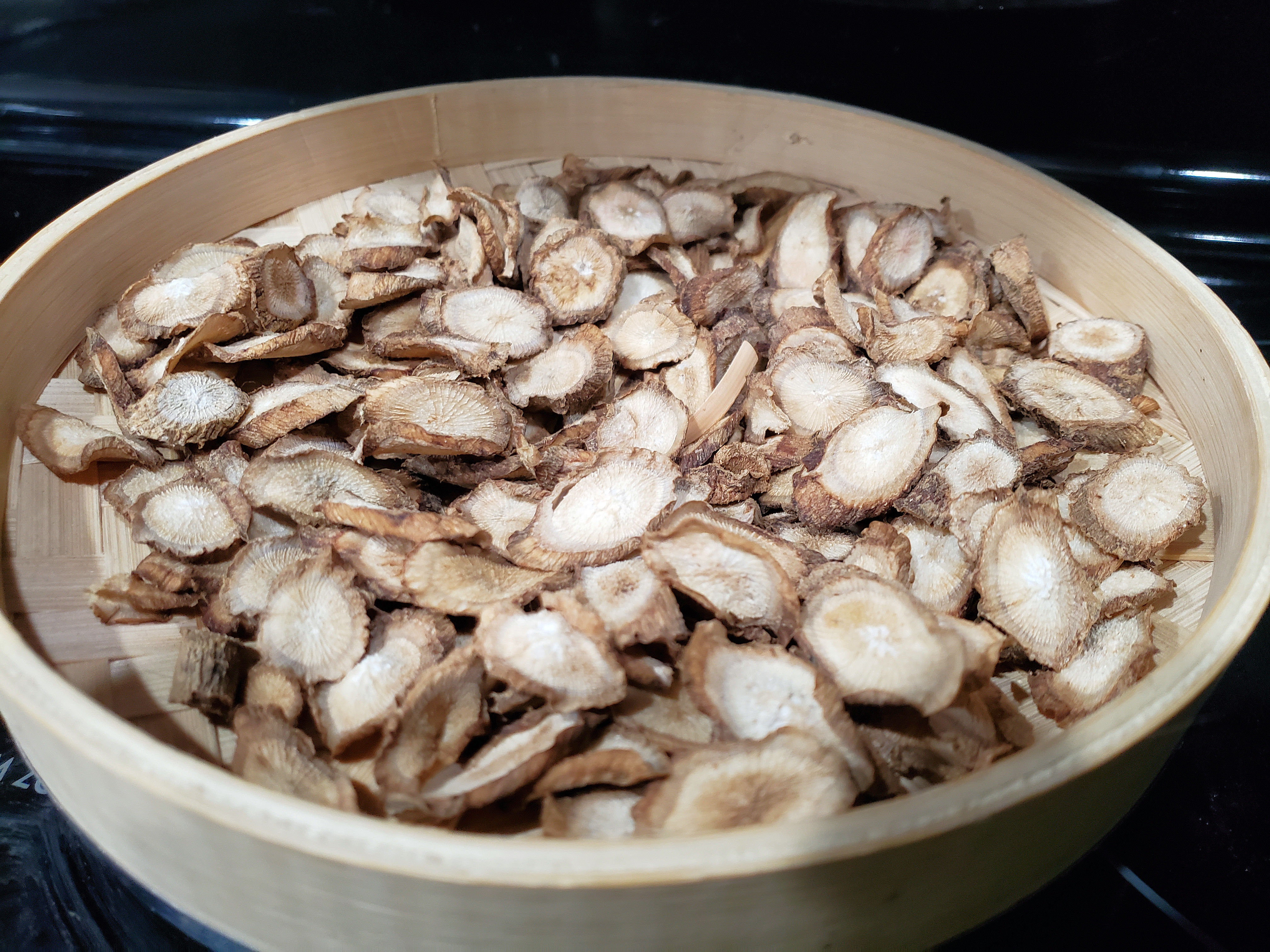
Image by hannaone: Drying Burdock Root
Ueong is also considered a strengthening food, often consumed during seasonal transitions to bolster immunity.
Check out Wooltari for Korean food and gifts!
Find it on Amazon! Purchases made through these links help support this site. As an Amazon Associate, we earn from qualifying purchases.