Book of Ingredients

Image from Pixabay: Pat
Pat Adzuki or Red Beans
Article by Gil "hannaone" © Copyright 2007-2026. All rights reserved.
팥 | pat
Ingredient Name: Pat
Korean Spelling: 팥
English Name: Adzuki Bean / Sweet Red Bean
General Information:
Pat (adzuki beans) are a staple in Korean cuisine, widely used in both savory and sweet dishes. These small, reddish-brown legumes have a subtly sweet and nutty flavor, making them ideal for desserts and traditional Korean porridge.
Adzuki beans have long been prized for their nutritional value, containing high levels of protein, fiber, and antioxidants. They are commonly used to make sweet red bean paste, which serves as a filling for pastries and rice cakes. Additionally, pat is often cooked with white rice to enhance its flavor, texture, and nutritional benefits.
Shopping and Selecting:
Adzuki beans are widely available in grocery stores, Asian supermarkets, and online marketplaces.
- Typically sold dried, canned, or as a prepared paste.
- Choose dried beans with a uniform red color, avoiding any that have yellow or black spots.
- Ensure packaging is intact and check the "best by" date for freshness.
Storage:
- Store dried adzuki beans in an airtight container in a cool, dry place, such as a pantry.
- Cooked beans can be refrigerated for up to a week or frozen for longer storage.
- Sweet red bean paste should be kept refrigerated and consumed within a few days after opening.
Common Preparation:
- Wash beans in cold water to remove dust and impurities.
- Soak for 1 to 24 hours before cooking to improve texture and reduce cooking time.
- Simmer in water until soft, then mash or blend for paste-based recipes.
Used In:
- Sweet red bean pastes (Filling for pastries and rice cakes)
- Rice dishes (Pat bap, cooked with white rice)
- Soups and porridges (Pat juk – a smooth, warm red bean porridge)
- Desserts (Pat bingsu – shaved ice topped with sweet red beans)
Popular Dishes:
- Pat bap – Rice cooked with sweet red beans.
- Pat juk – A traditional red bean porridge, often eaten in winter.
- Pat bingsu – Korean shaved ice dessert, featuring sweet red beans and toppings.
- Pat-ang-geum – A thickened sweet red bean dessert similar to pudding.
Substitutes:
If adzuki beans are unavailable, alternatives include:
- Mung beans – Lighter in taste, often used in similar dishes.
- Kidney beans – Can mimic the texture but have a stronger flavor.
- Black beans – Work well in savory versions but differ in sweetness.
Historical Note:
Adzuki beans (pat) have been an integral part of Korean cuisine for centuries, with their use dating back to ancient times. Archaeological evidence suggests that adzuki beans were domesticated independently in Korea, Japan, and China, making them one of the earliest cultivated legumes in East Asia.
| |||||||||||||||||||||||||||||||||||||||||||||||||||||||||||
Pat Adzuki Beans
In Korean history, adzuki beans have been associated with both everyday sustenance and ceremonial traditions. They were commonly used in pat juk (red bean porridge), which was believed to ward off evil spirits. This dish was particularly significant during Dongji (Winter Solstice), when families would prepare and eat pat juk as part of a ritual to bring good fortune and drive away negative energy.
Beyond their spiritual symbolism, adzuki beans were a staple food source, valued for their high protein and starch content. Their ability to grow in diverse conditions made them a reliable crop, especially in times of hardship.
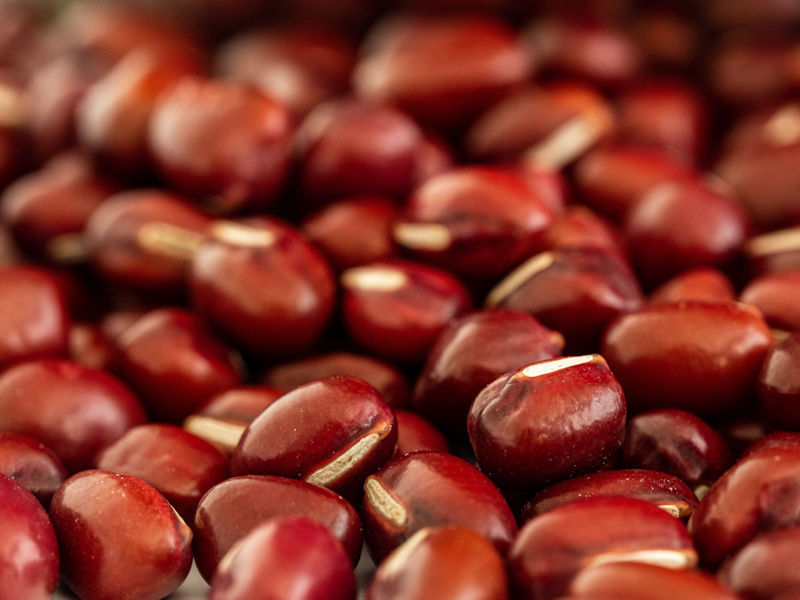
Image from Pixabay
Over time, they became a key ingredient in both savory and sweet dishes, including pat bingsu (shaved ice with sweet red beans) and various rice cakes.
Find it on Amazon! Purchases made through these links help support this site. As an Amazon Associate, we earn from qualifying purchases.