Book of Soups
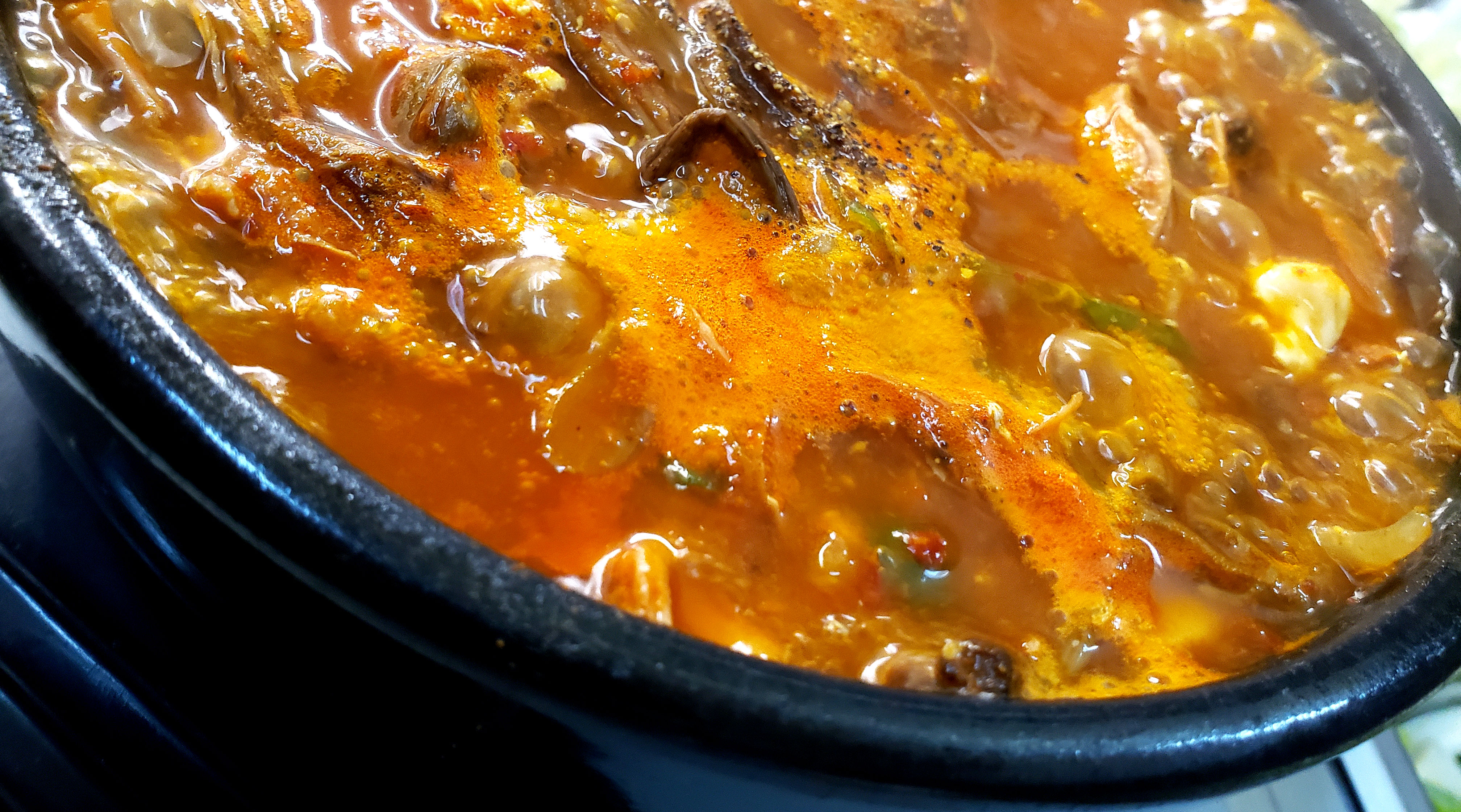
Image by hannaone: Yukgaejang
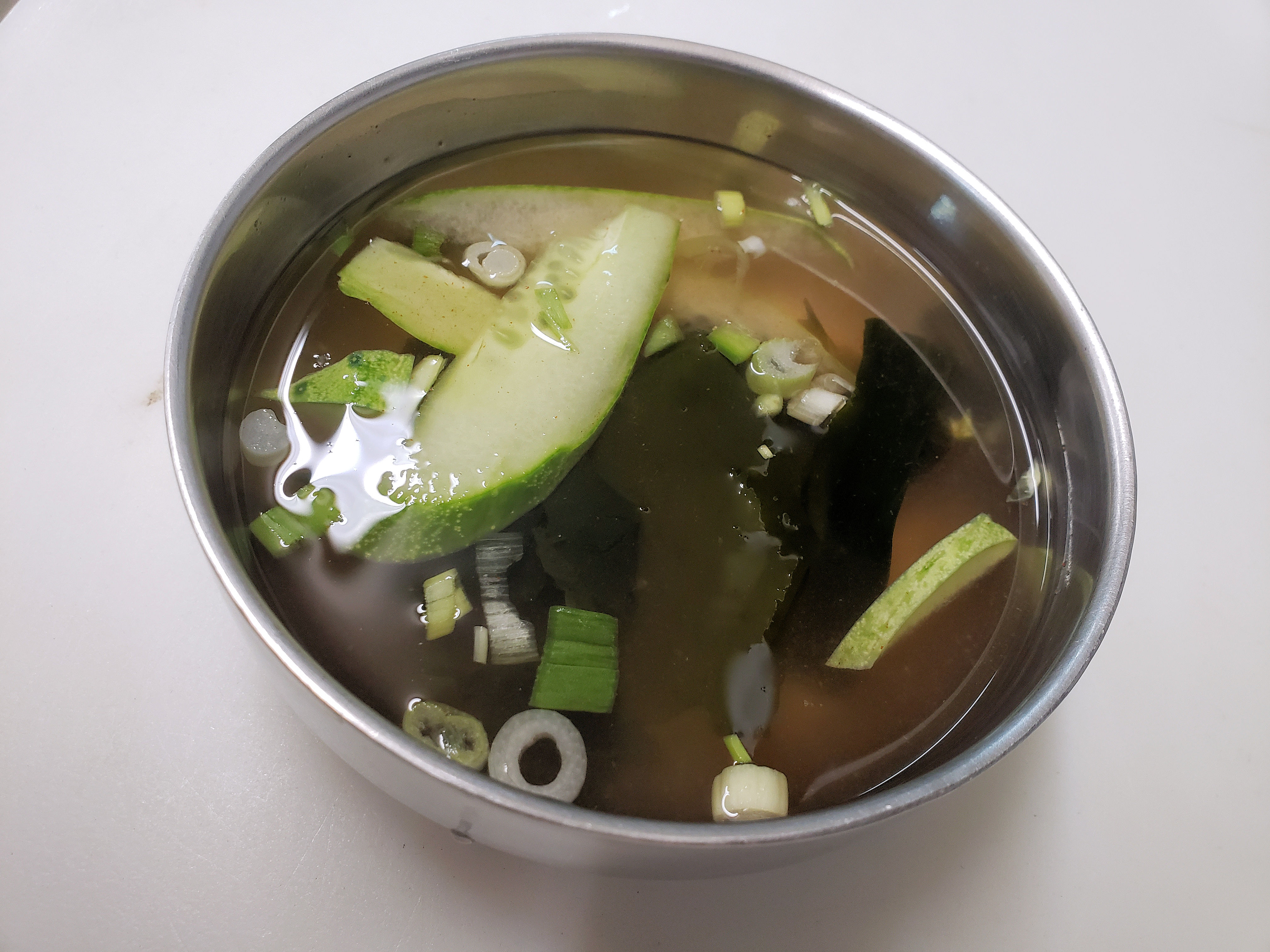
Image by hannaone: Miyeok-guk
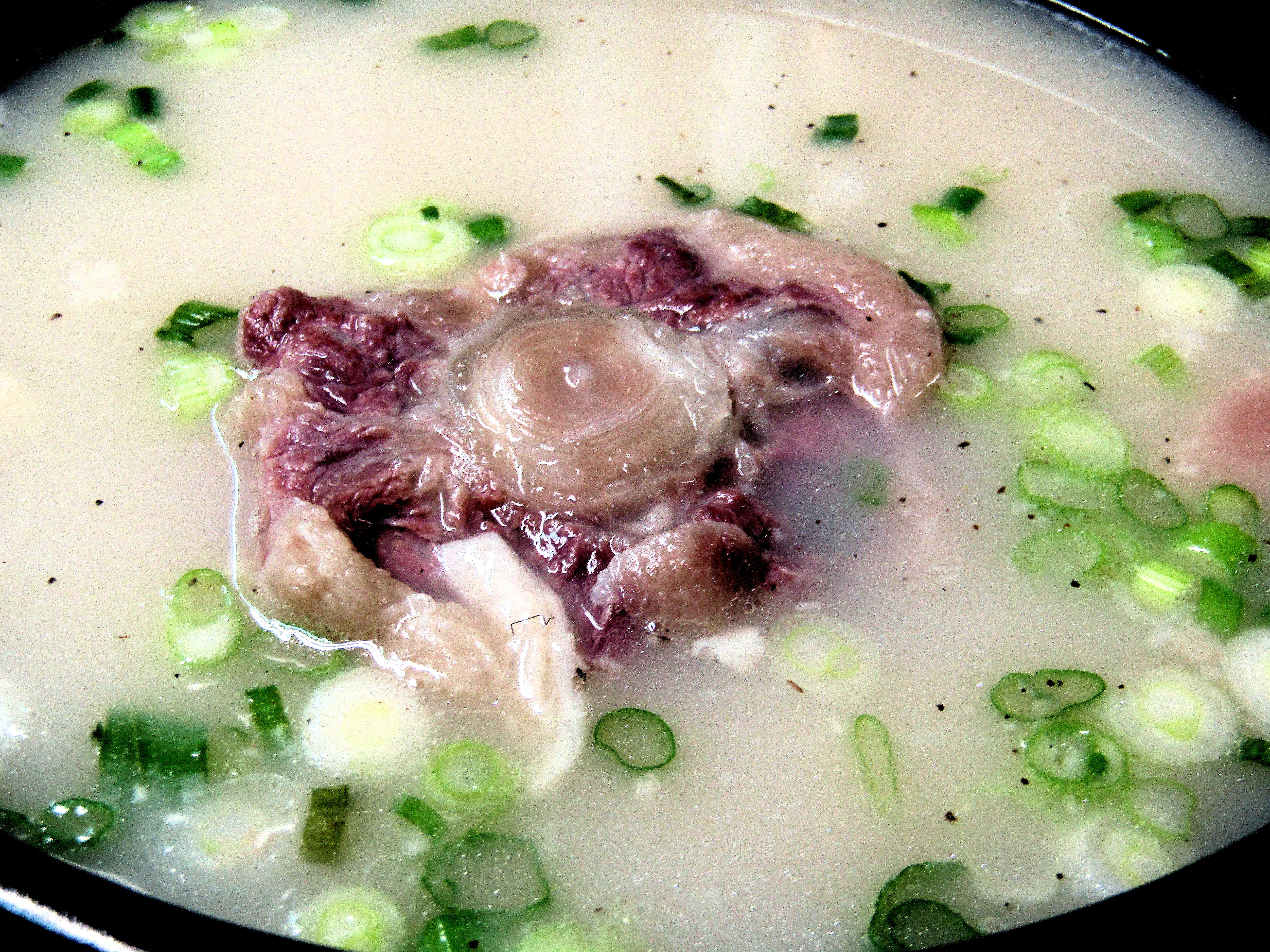
Image by hannaone: Kkori-gomtang (gori-gomtang)
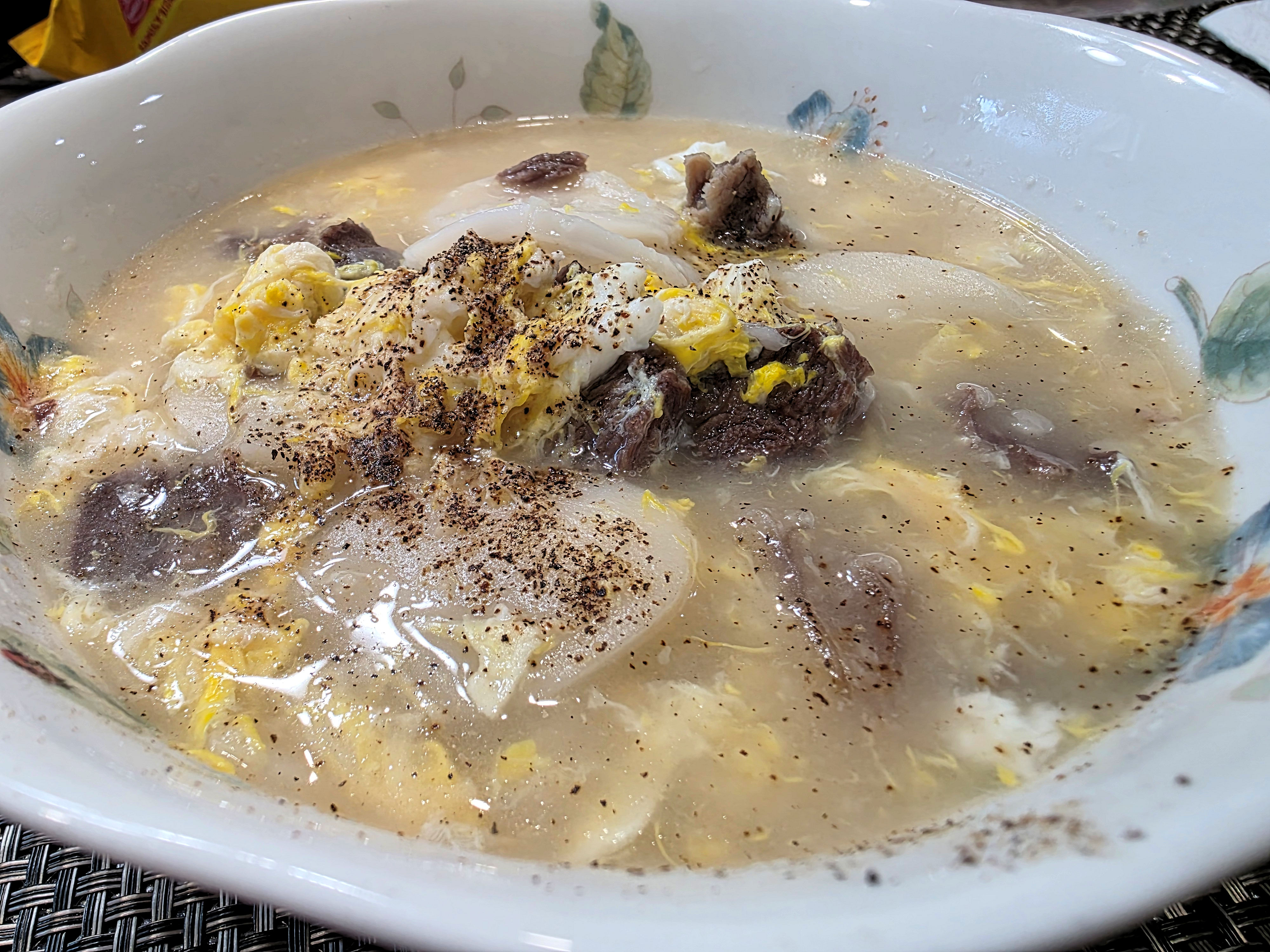
Image by hannaone: Tteok-guk
Korean Soup (Guk, Tang, Jjigae, Guksu) Dishes
From Ice Cold to Hot and Boiling
Article by Gil "hannaone" © Copyright 2007-2026. All rights reserved.
Soups hold a special place in Korean cuisine, serving not only as nourishment but also as a centerpiece of family and social gatherings. Whether enjoyed as an individual bowl or shared communally at the table, they embody comfort, tradition, and togetherness.
- Guk (국): A light, clean, and relatively quick soup, often served alongside rice.
- Tang (탕): A deeper, longer-simmered broth, rich in flavor and often hearty enough to stand alone.
- Jjigae (찌개): A robust, stew-like dish, simmered with bold seasonings and ingredients, and often meant to be shared.
This section brings together recipes from both our restaurant and our home kitchen, reflecting the balance of professional craft and personal memory that defines Korean food culture.
Chapssal Sweet Rice
Soups have accompanied humanity since the earliest use of fire and bark bowls, offering warmth, nourishment, and comfort across cultures. In Korea, soups and stews have been a cornerstone of the cuisine for centuries, woven into daily meals, seasonal traditions, and family gatherings.
They have served many roles throughout history:
- Sustenance in scarcity — stretching simple ingredients into filling meals.
- Gentle nourishment — providing soft, easy-to-eat options for elders or those with dental issues.
- Medicinal remedies — believed to restore strength, balance, and health.
- Culinary delight — satisfying taste buds with flavors ranging from clean and subtle to bold and spicy.
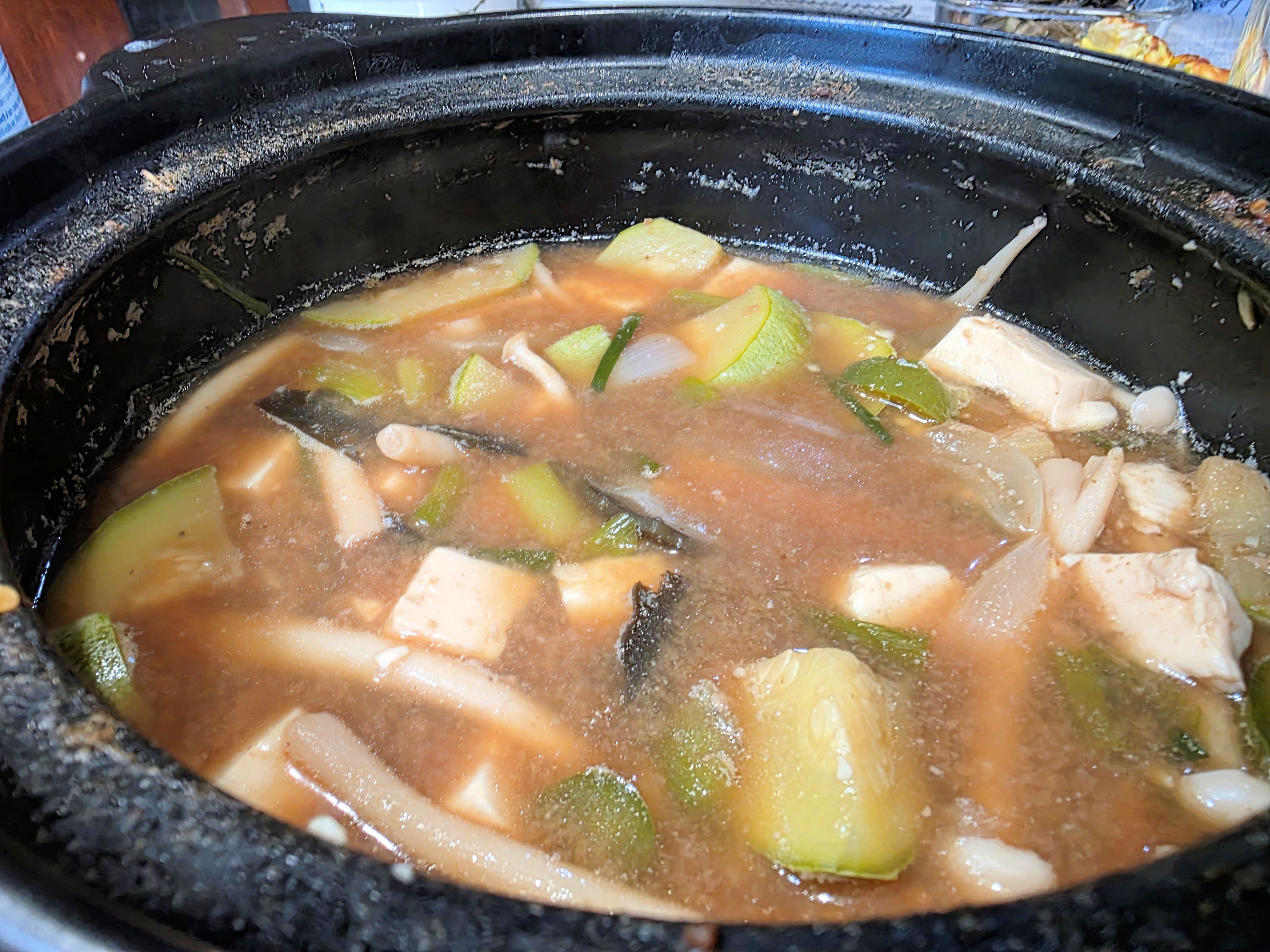
Image: Doenjang-jjigae
Did You Know?
- Chicken Soup: In Korea, chicken soup is cherished not only for comfort but also for its perceived health benefits, often seen as a remedy for fatigue or illness.
- Miyeok Guk (Seaweed Soup): Traditionally eaten by new mothers, this seaweed and beef soup is believed to aid recovery and support breast milk production. It’s also commonly enjoyed on birthdays as a symbol of gratitude to one’s mother.
- Haejangguk (Hangover Soup): A category of soups designed to ease the aftereffects of drinking. One famous example is Yukgaejang, a spicy beef and vegetable soup thought to help restore energy and clear the head.
Check out Wooltari for Korean food and gifts!
Find it on Amazon! Purchases made through these links help support this site. As an Amazon Associate, we earn from qualifying purchases.