Book of Soups: Oi-naengguk - Cucumber Soup
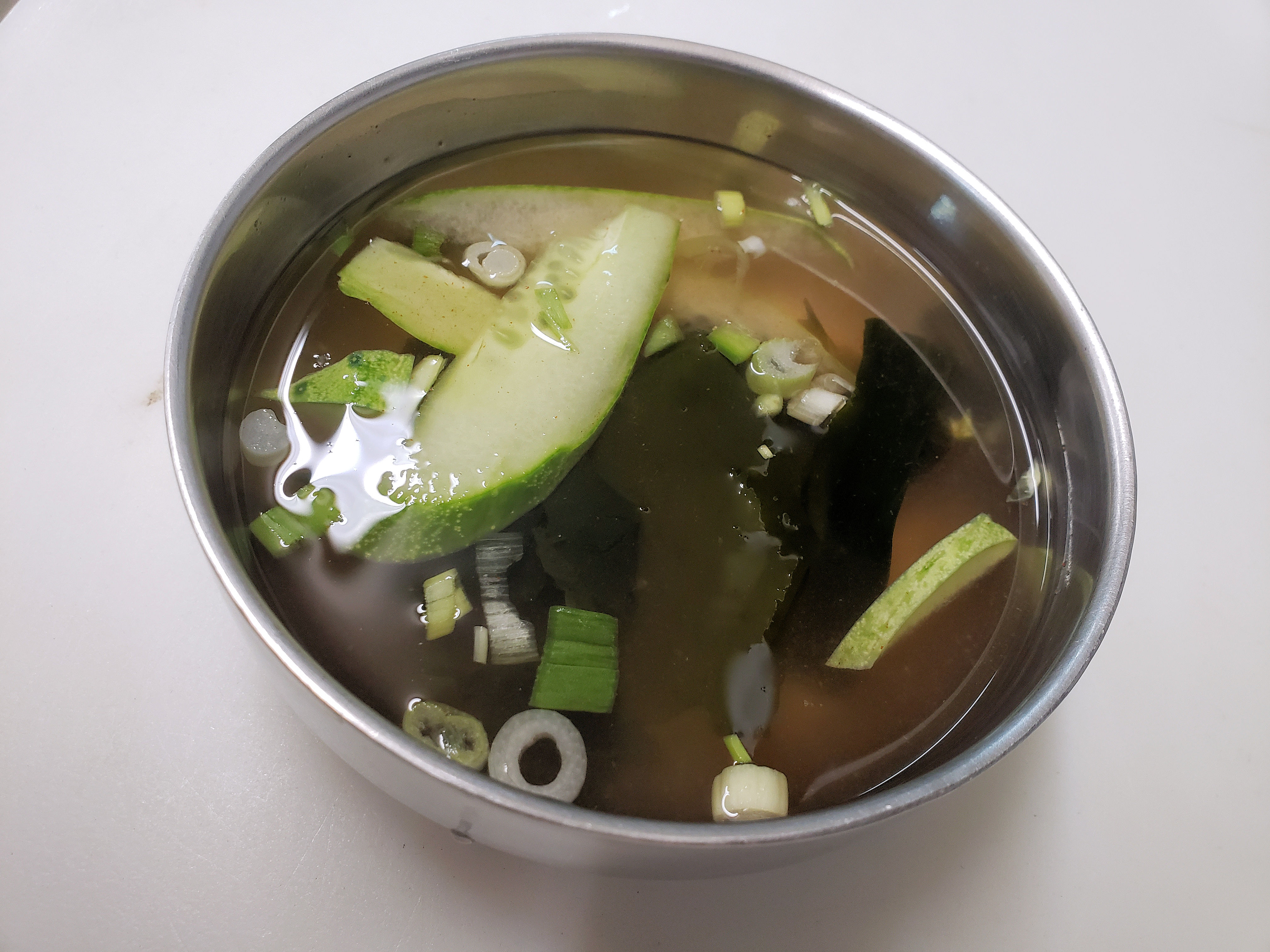
Image by hannaone: Oi-naengguk
Oi-naengguk Cold Cucumber Soup
Article by Gil "hannaone" © Copyright 2007-2026. All rights reserved.
오이 냉국 | Oi-naengguk
Oi‑naengguk (오이냉국) is a simple, refreshing Korean summer soup made with chilled cucumber slices in a lightly tangy, savory‑sweet broth. It’s traditionally served as a small side dish that helps cut through heat and humidity, offering a clean, cooling contrast to richer foods. In our restaurant, we often brought it out as a little bonus on hot days—a small gesture that guests appreciated and that echoed the easy generosity of Korean home cooking. Whether enjoyed with rice, alongside barbecue, or on its own, oi‑naengguk captures the straightforward, cooling comfort of a Korean summer.
Ingredients
1 medium Cucumber (about 1 1/2 cups - 7 ounces)
3 cloves garlic
1 medium green onion
1 green chili pepper
1 red hot chili pepper
6 ice cubes
Broth:
1 1/2 tablespoon vinegar
1 teaspoon salt
1 teaspoon fish sauce
1 teaspoon sugar
1 1/2 cup cold water
Directions:
Preparation:
Wash cucumber in cold water.
Slice the cucumber in half crosswise, then thin slice (about 1/8" thick) each half lengthwise.
Cut slices lengthwise into "noodles" about 1/8" thick. (Julienne)
Place cucumber strips into a medium mixing bowl.
Mince, fine chop, or thin slice the garlic cloves and add to the bowl.
Cut the green chile pepper into thin slivers and add to the bowl.
Cut the green onion into roughly 1/4 inch segments and add to the bowl.
Gently toss the contents of the bowl until well mixed.
Mix Broth
In a separate bowl, mix all broth ingredients until sugar and salt are dissolved.
Final:
Separate the cucumber mix into two equal portions and place into serving bowls.
Fine chop the red chili pepper.
Pour one half of the broth over each serving.
Sprinkle red pepper into each bowl, add ice cubes, and serve.
Variation:
Mix the broth before prepping the vegetables. Pour broth into an ice tray and freeze.
Add one additional cucumber, then slice both in half lengthwise. Remove the pulpy seed area and reserve it, then julienne as above.
Prep vegetables as above and divide into serving bowls.
Place the frozen broth cubes into a strong blender, add one or two tablespoons water, and blend into slush.
Mix the cucumber pulp into the slush.
Spoon the slush equally into the serving bowls, sprinkle with chopped red pepper, and serve.
Tips
Substitutions/Additions:
Substitute Japanese eggplant or fresh zucchini for the cucumber.
Add Kombu to cucumber.
Oi-naengguk Chilled Cucumber Soup
A Little History of Oi-naengguk
- Origins of Naengguk: The term naengguk combines the Sino-Korean word naeng (冷, “cold”) with the native Korean word guk (국, “soup”). It refers to all chilled soups enjoyed during Korea’s hot summers. The earliest record of naengguk appears in a poem by Yi Kyu-bo (1168–1241), a scholar-official of the Goryeo dynasty. He praised a cold soup made with aquatic plants (sunchae), noting its refreshing simplicity compared to heavier dishes.
- Development of Variants: Over time, naengguk evolved into two main categories:
- Light, vinegar-based broths made with vegetables or seaweed, offering a crisp, tangy flavor. Examples include oi-naengguk (cucumber), miyeok-naengguk (seaweed), and pa-naengguk (spring onion).
- Rich, nourishing versions made with chicken, sesame, or soybeans, designed to restore energy in the heat.
- Oi-naengguk’s Place: Among these, oi-naengguk became especially popular because cucumbers are abundant in summer and naturally cooling. The soup’s balance of sweet, sour, and salty notes made it a household staple. Families often added seaweed (miyeok) for texture and nutrition, creating variations like oi-miyeok-naengguk.
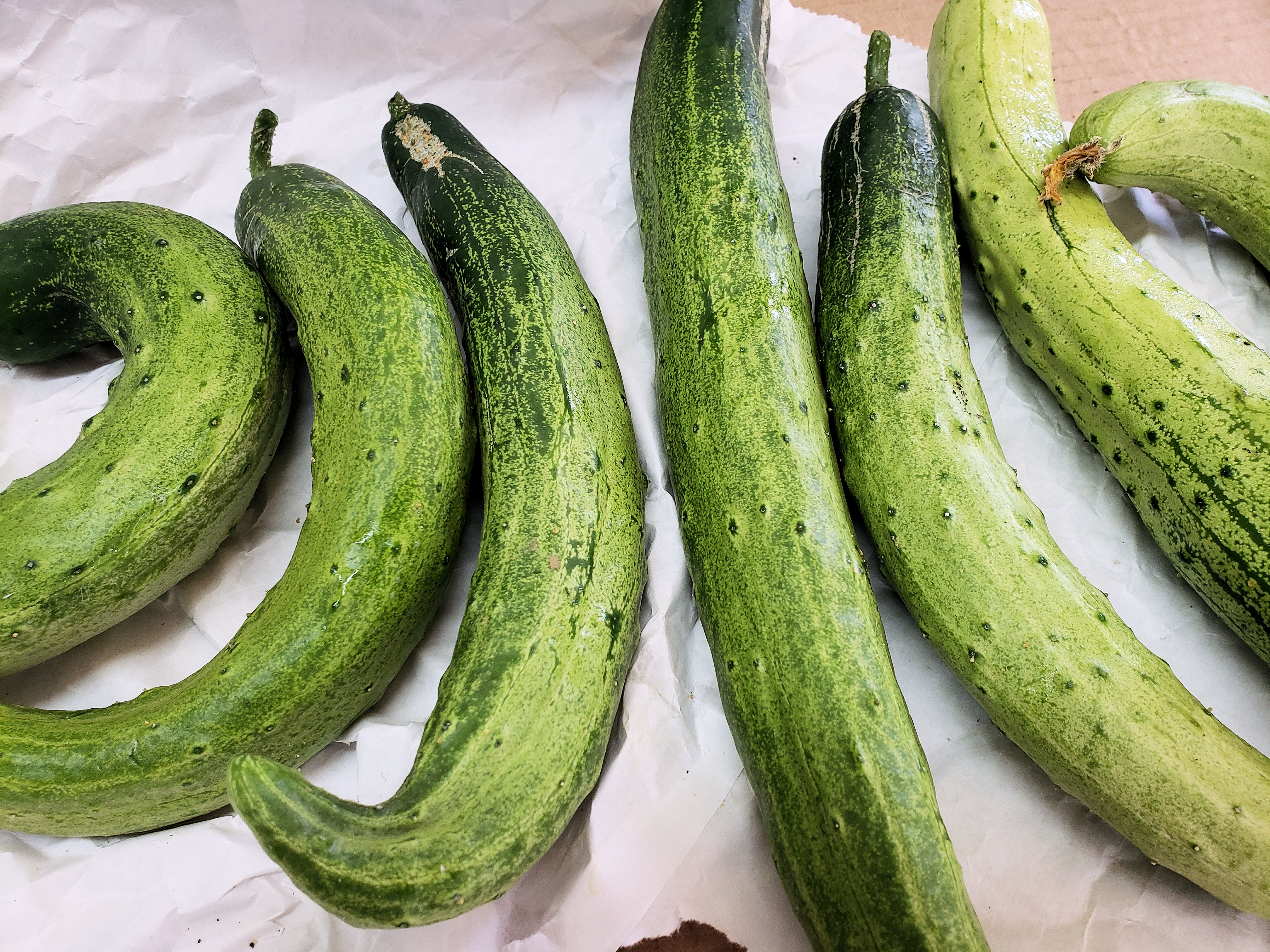
Image: Korean Cucumbers
Cultural Role: Historically, oi-naengguk was valued not just for refreshment but also for hospitality. Offering a chilled soup to guests symbolized care and generosity during sweltering days. Its simplicity—requiring no cooking beyond soaking and seasoning—made it accessible to all households, reinforcing its place as a “bonus dish” that carried cultural warmth as much as culinary coolness.
Check out Wooltari for Korean food and gifts!
Find it on Amazon! Purchases made through these links help support this site. As an Amazon Associate, we earn from qualifying purchases.

Comment?