Recipes: Soups - Ramyun | Ramen
Ramyun

Article by Gil "hannaone"
© Copyright 2026. All rights reserved.
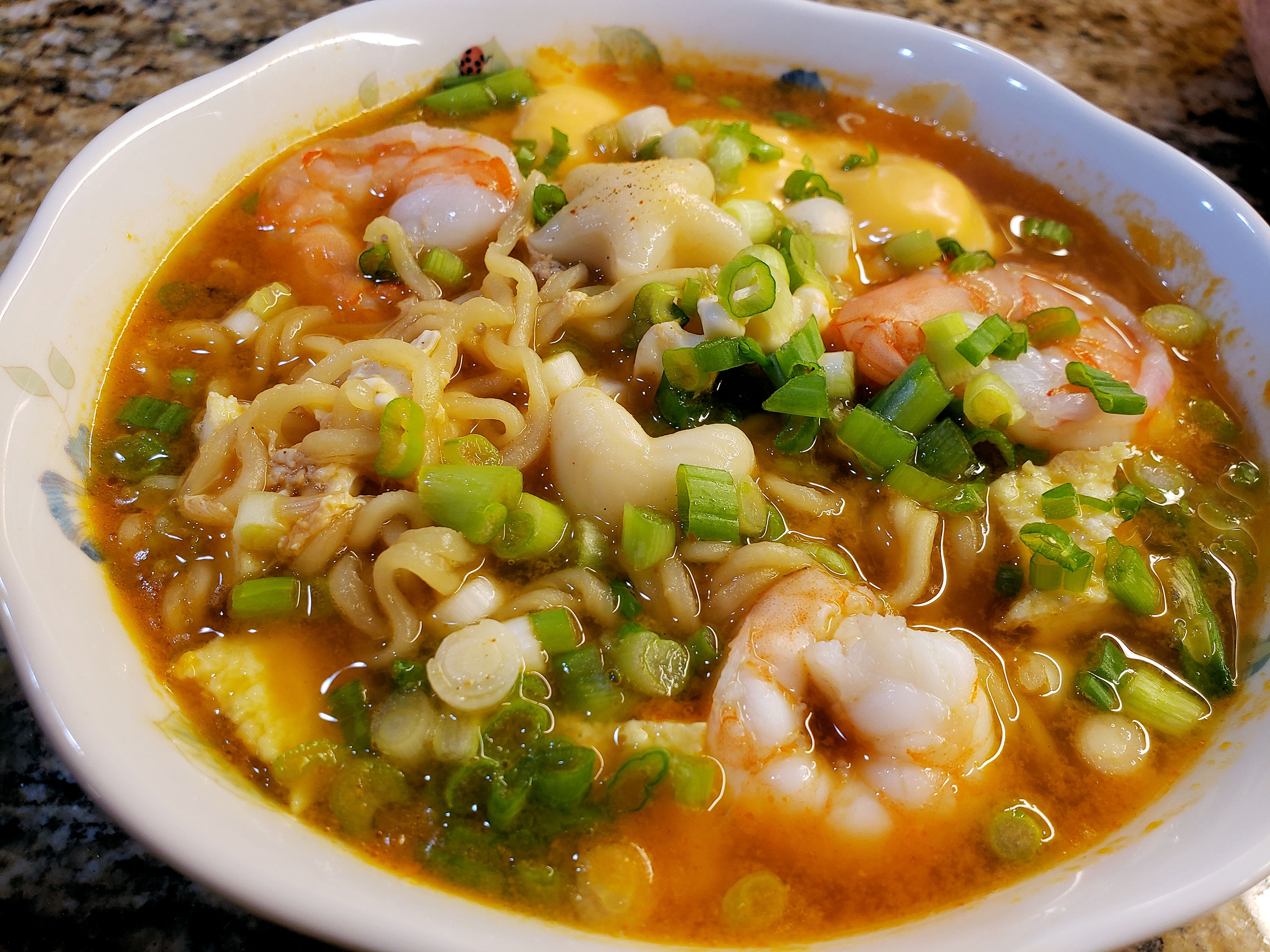
Image by hannaone: Tteok and Shrimp Ramyun

Ramyun  Ramen Noodle Soup


라면 | ramyun

라면 (Ramyun)
Ramyun is a well‑loved noodle soup celebrated for its springy noodles and deeply flavorful broth. While instant noodle packs are the most common way it’s enjoyed in Korea and around the world, making ramyun from scratch offers something entirely different: a chance to shape the broth, seasoning, and toppings into your own signature dish. This recipe guides you through creating a homemade ramyun that captures the comfort of the classic while giving you full control over its flavor and character

Servings: 1 or 2

Ingredients
Ramen Noodles*

Broth:
1 1/2 cup water
3 medium dried anchovies
1 oz Dried kelp (Kombu)
1 clove garlic, minced
1 teaspoon shitake mushroom powder+
2 ounces fatty beef
1 teaspoon sesame oil
1 tablespoon gochugaru

Optional Ingredients:
Sliced brisket
Egg
Mandu
Tteok
Pork
Shrimp
Clams
Squid
Octopus
Cheese


Optional Garnishes:
Green onion
Egg Strips


* Ramen noodles without added flavorings or instant broth packets can now be found in various locations such as Walmart, Costco, Amazon, and other retail stores.
+ Shiitake powder is readily available at organic/natural grocers, herbal suppliers, Amazon, and even some mainstream markets. Alternatively, you can create your own shiitake powder by pulsing dried mushrooms in a food processor or blender.
Flavor Note: When cooking with beef or pork, the fat marbling or cap adds significant flavor. Enhance the taste of soups and stocks by browning the fat in a hot skillet and deglazing with a small amount of liquid.

Directions
Place the water, anchovies, and kelp in a pot and bring to a slow simmer over low heat. Simmer for about 15 minutes. Remove from heat and strain out the solids.
Heat a small skillet over medium high heat, add sesame oil, quickly brown the beef, add a small (1 or 2 tablespoons) amount of the kelp broth to deglaze the pan and remove from heat.
Add the beef and pan liquid to the broth, then the minced garlic, mushroom powder, and gochugaru, and continue simmering for another 15 minutes.
Add the ramyun noodles, any optional ingredients according to their cook time, and cook to your desired firmness.

Final
Garnish with chopped green onion and serve while hot.

Story Time

Some History

🍜 A Brief History of Korean Ramyun
Post‑War Necessity (1960s)
- Food Shortages: In the years following the Korean War, South Korea faced severe food scarcity while rebuilding its economy. To stretch limited resources, the government promoted affordable wheat‑based foods as an alternative to rice.
- Japanese Influence: Instant ramen technology, pioneered by Momofuku Ando in Japan, inspired Korean manufacturers. Samyang Foods adopted this technology and introduced it to Korea in 1963.
- Samyang’s First Ramyun: The first Korean instant ramyun debuted at around 10 won per pack, offering an inexpensive, filling meal during a time of widespread hunger.
Growth & The Rise of Spicy Flavor (1980s–1990s)
- Government Promotion: Policies encouraging industrialization and mixed‑grain eating helped ramyun become a national staple, as noted by sources like The Argus.
- Nongshim’s Entry: Nongshim expanded the market in the 1980s with iconic varieties such as Yukgaejang (spicy beef) and Neoguri (seafood), both of which remain beloved classics.
- Shin Ramyun: In 1986, Nongshim launched Shin Ramyun, a boldly spicy, deeply savory ramyun that quickly became Korea’s best‑selling instant noodle and a global ambassador of Korean heat.
Today:
Ramyun has grown far beyond its post‑war origins. It’s now a global comfort food, available in countless flavors—from mild to volcanic—and found everywhere from convenience stores to gourmet fusion restaurants. Korean brands in particular have gained worldwide popularity, shaping the modern instant noodle landscape. 

yuykgaejang

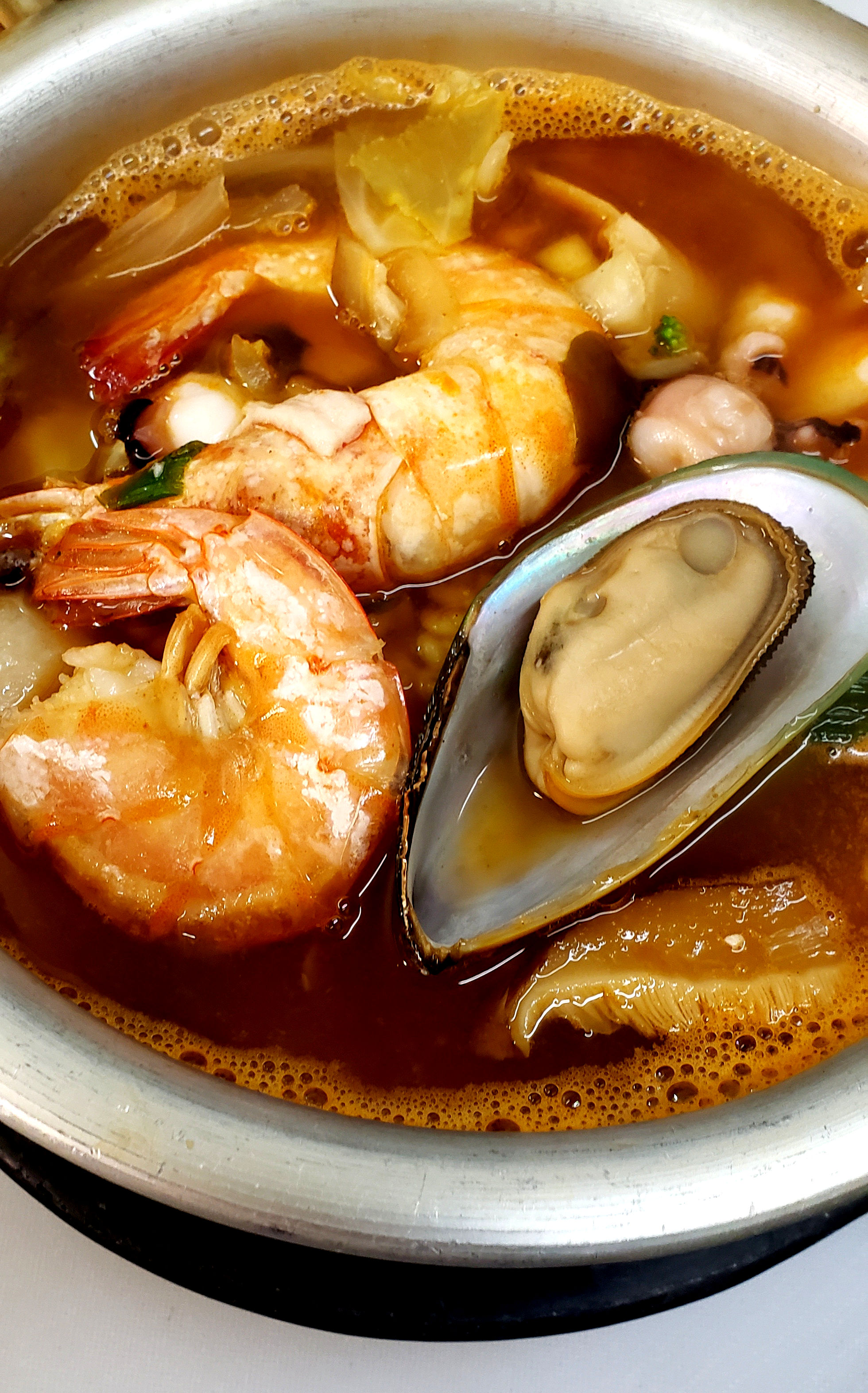
Image by hannaone: Haemul Ramyun

Find Korean ingredients and more on Amazon, and have them shipped to your door.

Ingredients
Links are to products at Amazon. Purchases made through these links may earn a commission that helps to support this site. 
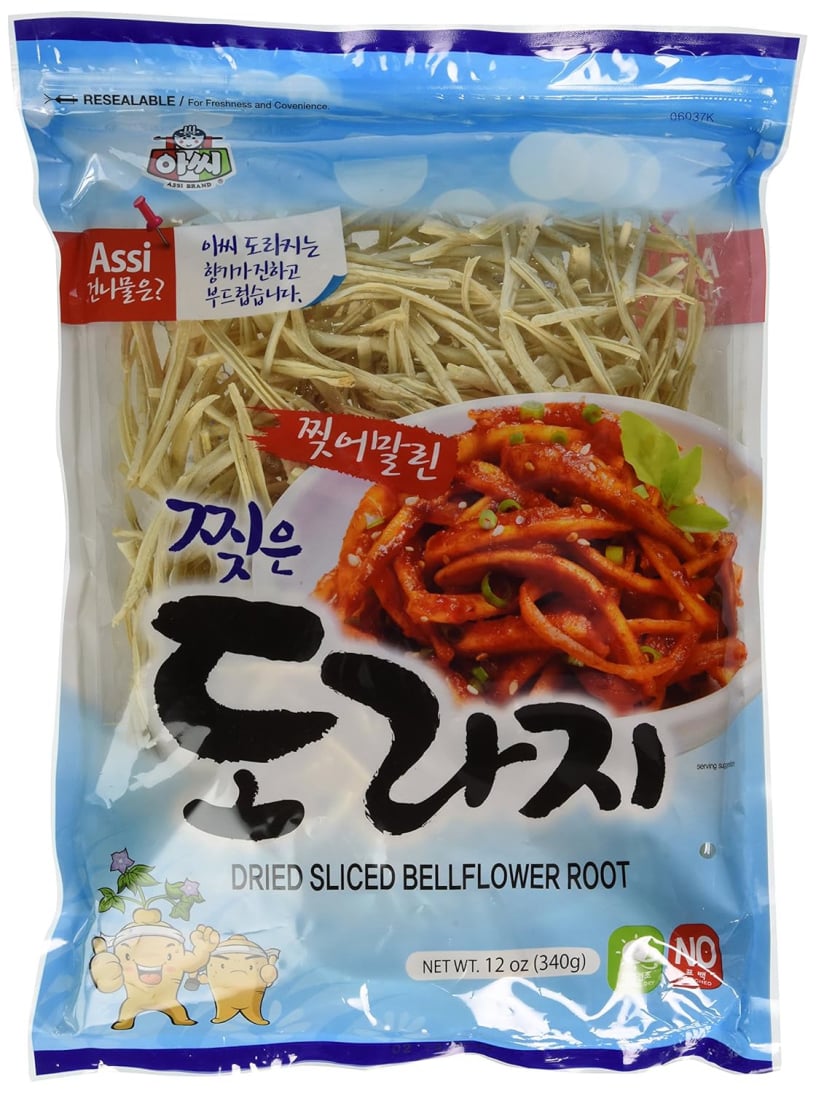
doraji
Check Amazon.com (US)

Dried Doraji

Used as an ingredient in our restaurants for more than 20 years.
Not Available Amazon.ca (Canada)

Check Amazon.com (US)

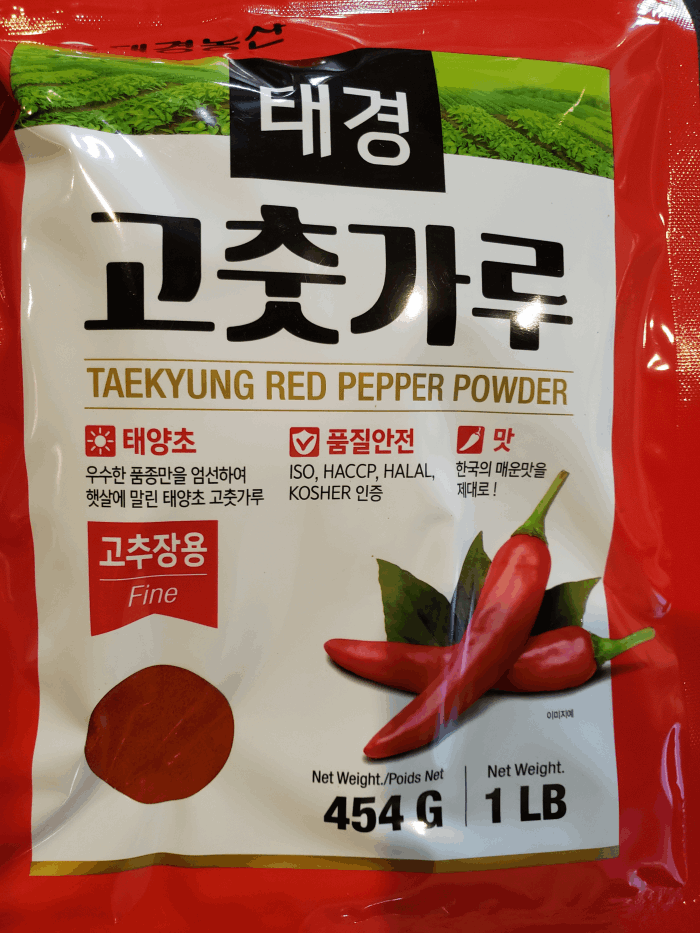
Gochugaru
Must have basic ingredient for cooking Korean spicy dishes

Check Amazon.ca (Canada)

Comment?

Advertisement

Amazon Credit and Store Cards

Advertisement - Amazon Rewards Credit Cards

As an Amazon Associate, this site may earn a commission from qualifying purchases, subscriptions, or successful applications. These commissions help support the ongoing work that goes into maintaining and improving this website.

hanna-one.com
The Original hannaone

 © 2007–2026 hanna-one.com℠ — All Rights Reserved
This website reflects the original work of hannaone. Korean recipes featured here have been reproduced without permission by the current registrant of hannaone.com.
Affiliate Disclosure:
hannaonetwo.com / hanna-one.com℠ participates in the Amazon Services LLC Associates Program, an affiliate advertising program designed to earn fees by linking to Amazon.com. Purchases made through these links help support this site. As an Amazon Associate, we earn from qualifying purchases.
Image Credits:
Most of the images/photos on this site are by Gil "hannaone", the owner of this website.
Some images on this site are sourced from contributors to Pixabay.com, a royalty‑free image and stock photo platform.  
Additionally, some images have been created using AI prompts by hannaone.