From ancient fire-roasted game to the diverse range of flavors and cooking techniques found in Modern Korean cuisine, these dishes boast a rich history.
Prehistoric Hunter-Gatherer Societies
During the Jeulmun pottery period (approximately 8000 to 1500 BCE) in the distant past, Korean societies were primarily composed of resourceful hunter-gatherers. These individuals practiced fishing, hunting, and early forms of agriculture to sustain themselves. Their diet was greatly influenced by their surroundings, and they relied on natural sources such as fish, game, edible plants, and grains.
Significant archaeological findings indicate that fermented foods were already incorporated into the culinary practices of early humans during this prehistoric era. Notably, fermented beans were among the foods commonly consumed. Additionally, interactions with nomadic societies to the north aided in the domestication of animals by these early hunter-gatherers.
Three Kingdoms Period and Culinary Diversification
During the Three Kingdoms period (57 BCE - 668 CE) in Korea, cultural evolution was in full swing. The three main kingdoms at the time, Goguryeo, Baekje, and Silla, had a strong impact on each other's food culture by exchanging new ingredients and recipes. Due to their distinct geographical locations, each kingdom had its own set of crops and preferred dishes. This diversity ultimately paved the way for unique regional specialties that would later contribute to the overall development of Korean cuisine.
Royal Court Cuisine and the Influence of Buddhism
In the era of the Three Kingdoms, Korean royal court cuisine rose to prominence by combining distinct regional delicacies from all parts of the peninsula. This resulted in an elegant culinary heritage tailored for aristocracy. The chefs at the royal court honed their skills in creating elaborate dishes that highlighted aesthetics, balance, and harmony. Furthermore, Buddhism left a notable imprint by introducing vegetarianism and impacting the incorporation of plant-based elements in Korean gastronomy.
Rice, Kimchi, and Banchan
Moving on to present day, rice continues to be the main component of Korean dishes. These meals are typically categorized by the amount of banchan, or side dishes, that are served alongside steamed short-grain rice. And on the topic of banchan, it's worth noting that kimchi, a popular pickled napa cabbage with spicy notes, is a staple in nearly every Korean meal. This highlights the ongoing significance of fermentation in Korean cooking.
Modern Korean Meat Dishes
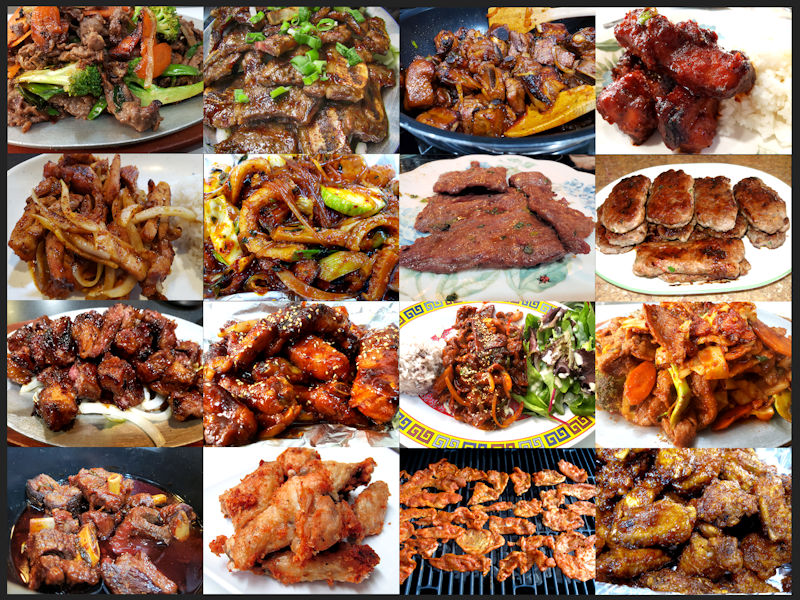
While ancient hunter-gatherers relied on game and fish, modern Korean cuisine has a rich variety of meat dishes. Some iconic ones include:
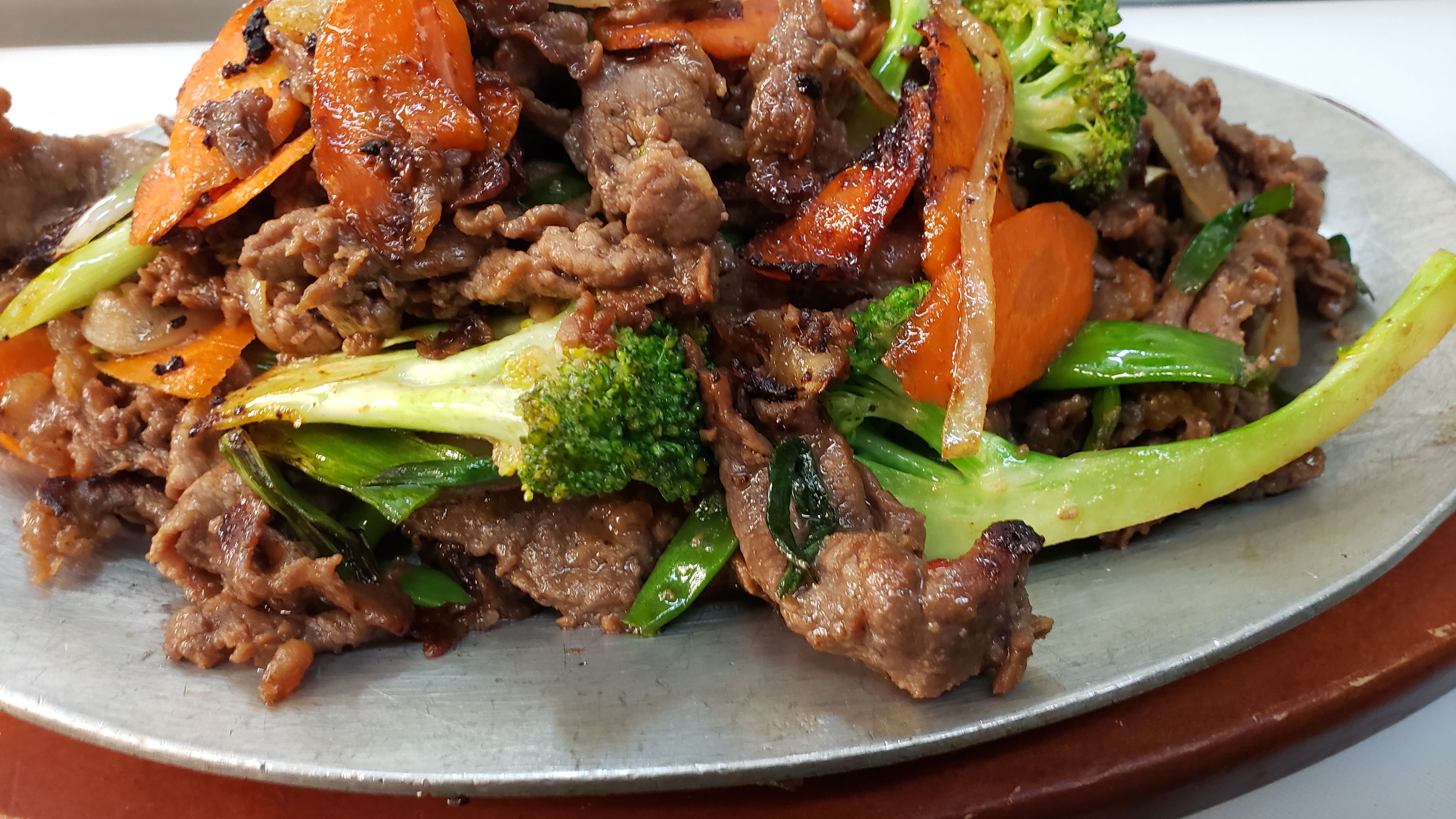
Bulgogi: Thinly sliced marinated beef or pork, grilled to perfection. The marinade typically includes soy sauce, garlic, sugar, and sesame oil.
Galbi (Kalbi): Succulent grilled short ribs, often marinated in a sweet and savory sauce.
Samgyeopsal: Thick slices of pork belly, grilled at the table and enjoyed with various accompaniments.
Jokbal: Slow-cooked pig’s trotters, seasoned with soy sauce, ginger, and garlic.
Dakgalbi: Spicy stir-fried chicken with vegetables, often cooked on a large communal grill.
Daknalgae: 양념 닭날개 Sweet or sweet and spicy, Korean style chicken wings.
Galbijjim: Braised beef short ribs in a savory sauce, often served with vegetables such as chestnuts and carrots.
Bossam: Steamed pork belly often served with raw garlic, ssamjang (a spicy dipping sauce), and various kimchi.
Dwaejigogi-gui: Grilled pork dishes that can include anything from marinated pork belly to pork tenderloin.
These are just a few of the many delicious meat dishes you can find in Korean cuisine. Whether you prefer traditional grilled meats or more modern fusion dishes, there is something for everyone to enjoy.
These meat dishes highlight how traditional Korean cuisine has been fused with creativity. While some recipes have ancient origins, others have been modified to cater to contemporary palates. Let's also not overlook the flavorful side dishes, known as banchan, which complement these main courses and add diversity to the dining experience.