Recipes: Meat - Jeyuk-bokkeum
Article by Gil "hannaone" © Copyright 2007-2026. All rights reserved.
Image by hannaone: Jeyuk-bokkeum
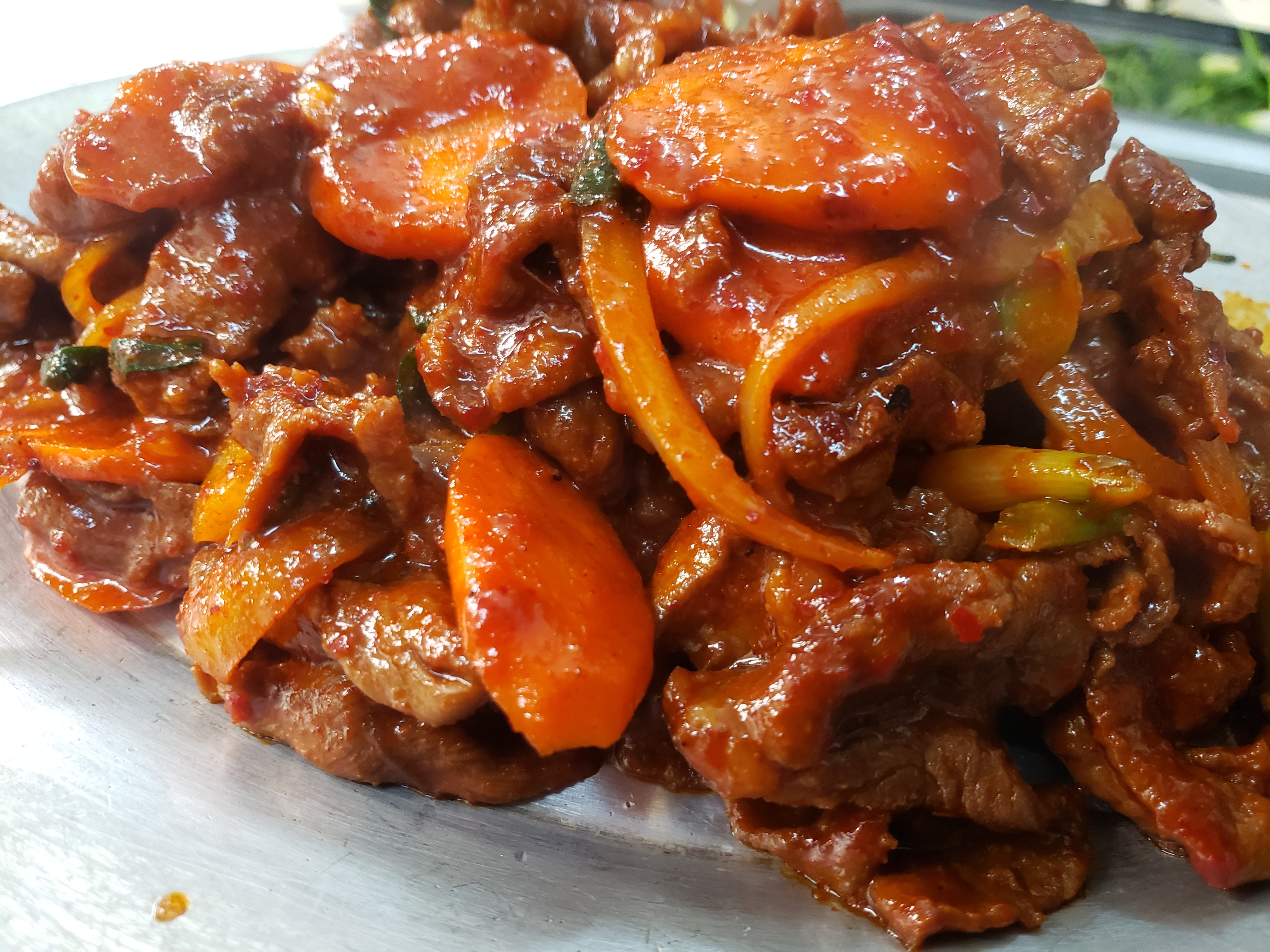
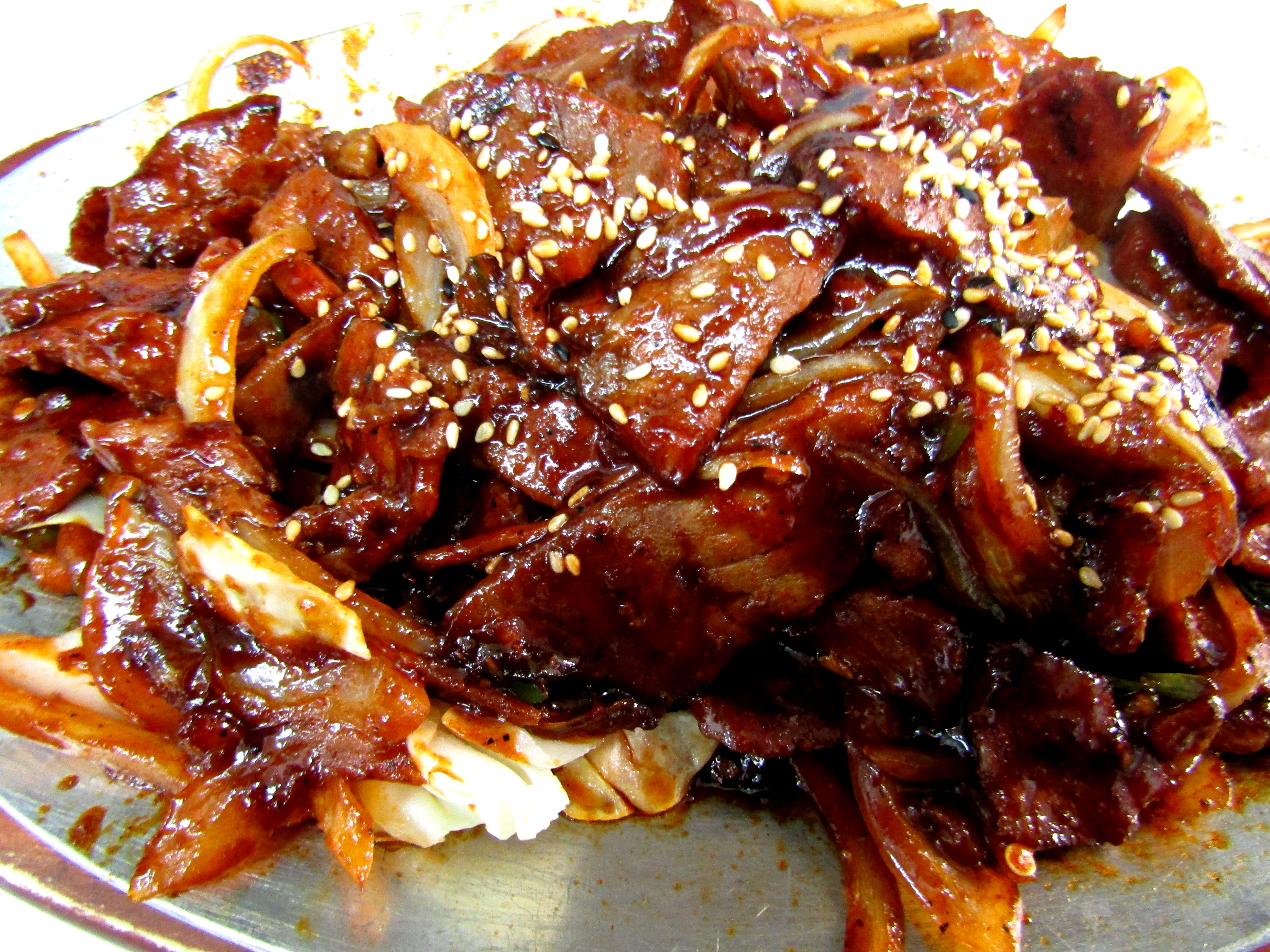
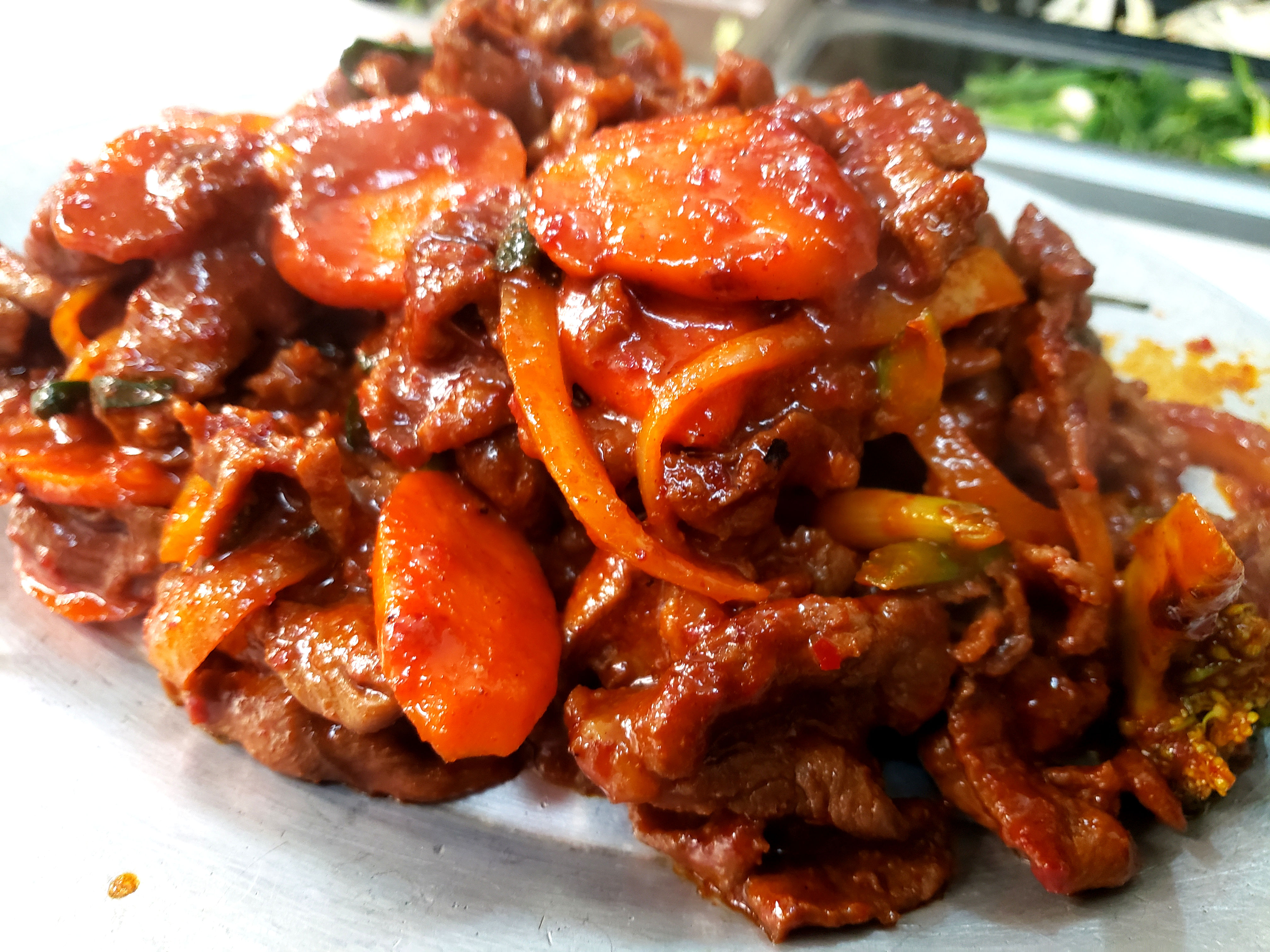
Jeyuk-bokkeum Stir Fried Spicy Pork
갈비 | jeyuk-bokkeum
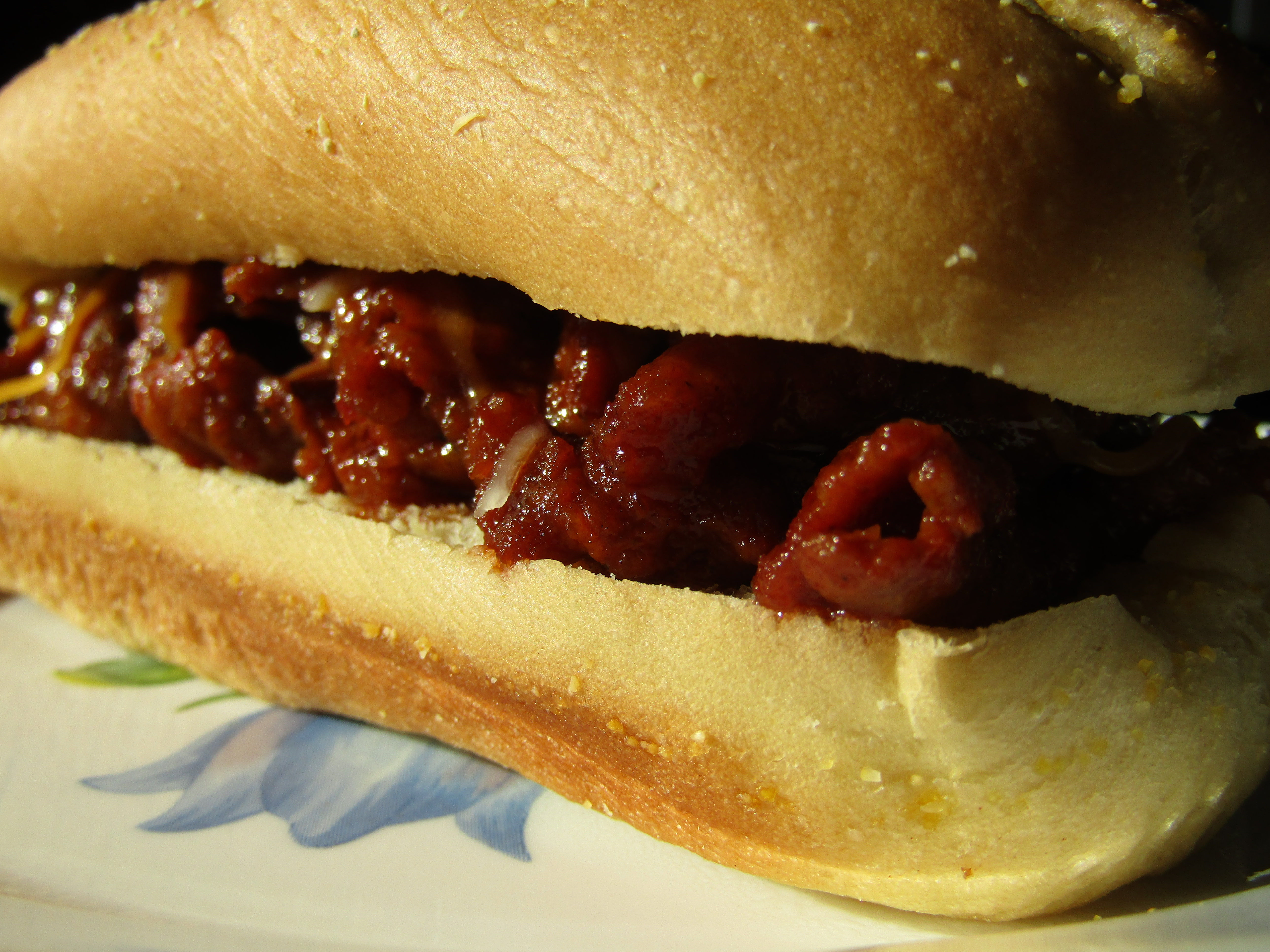
Jeyuk-bokkeum, sometimes called Dwaeji-bulgogi, combines the flavor of pork and sun-dried chili peppers with a sweet and somewhat earthy element to produce a taste tempting main dish.
One of the most often ordered dishes from our restaurant days, this is also a personal favorite.
Ingredients
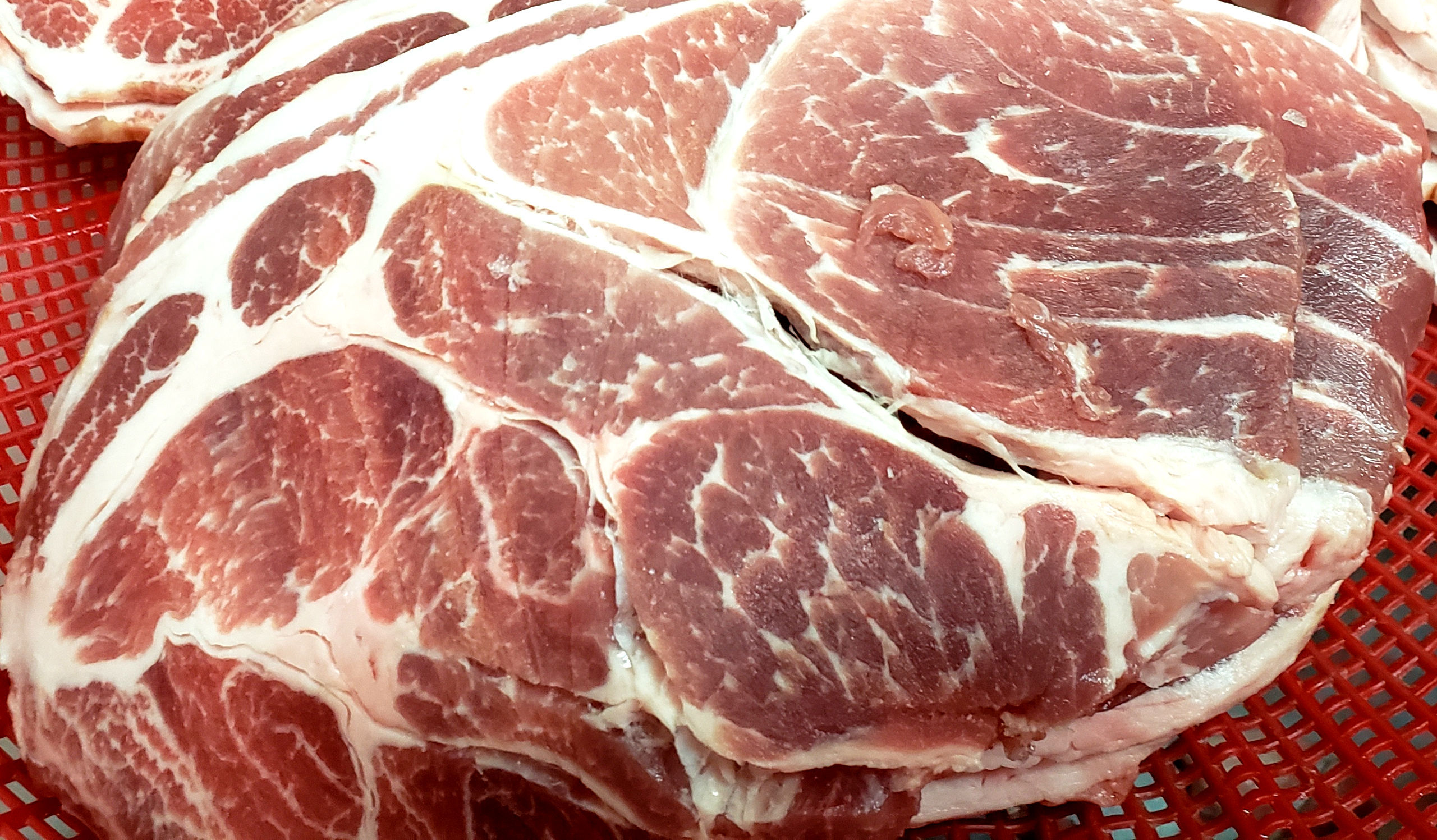
2 pounds thinly sliced pork shoulder or butt (or a combination of pork shoulder or butt and pork belly)
1/2 medium onion
3 medium green onions
Marinade:
4 tablespoons fine ground gochugaru
2 tablespoons coarse gochugaru
2 teaspoons doenjang (soybean paste)
3 tablespoons soy sauce
2 tablespoons Matchsoon (Korean Plum Wine) or rice wine
2 tablespoons brown sugar
1 tablespoon honey
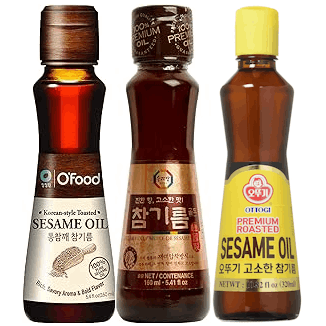
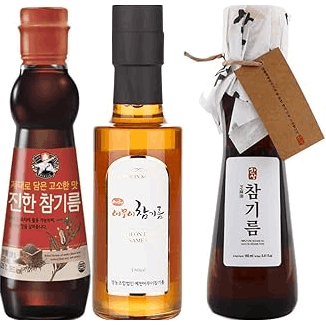
2 tablespoons sesame oil
2 tablespoons minced garlic
1 tablespoon ginger juice
2 tablespoons Maesil Cheong (Korean plum extract)
Substitutes:
Sugar for brown sugar
1 small Sweet apple or Asian pear for Maesil Cheong
Directions
Thin slice the pork (about 1/8 inch thick).
Make ginger juice
peel about 2 ounces of ginger, then mince or smash in a small bowl. Add 2 tablespoons water and mix. Let stand 20 minutes. Squeeze through cheesecloth or a fine mesh strainer.
Substitutes:
Peel and core the fruit, then shred or toss in a blender with just enough water to form a paste.
Onion:
Slice just slightly thicker than the pork
Green Onion:
Trim the root end and remove any discolored or soft leaves. Cut in roughly 1 1/2 to 2 inch pieces.
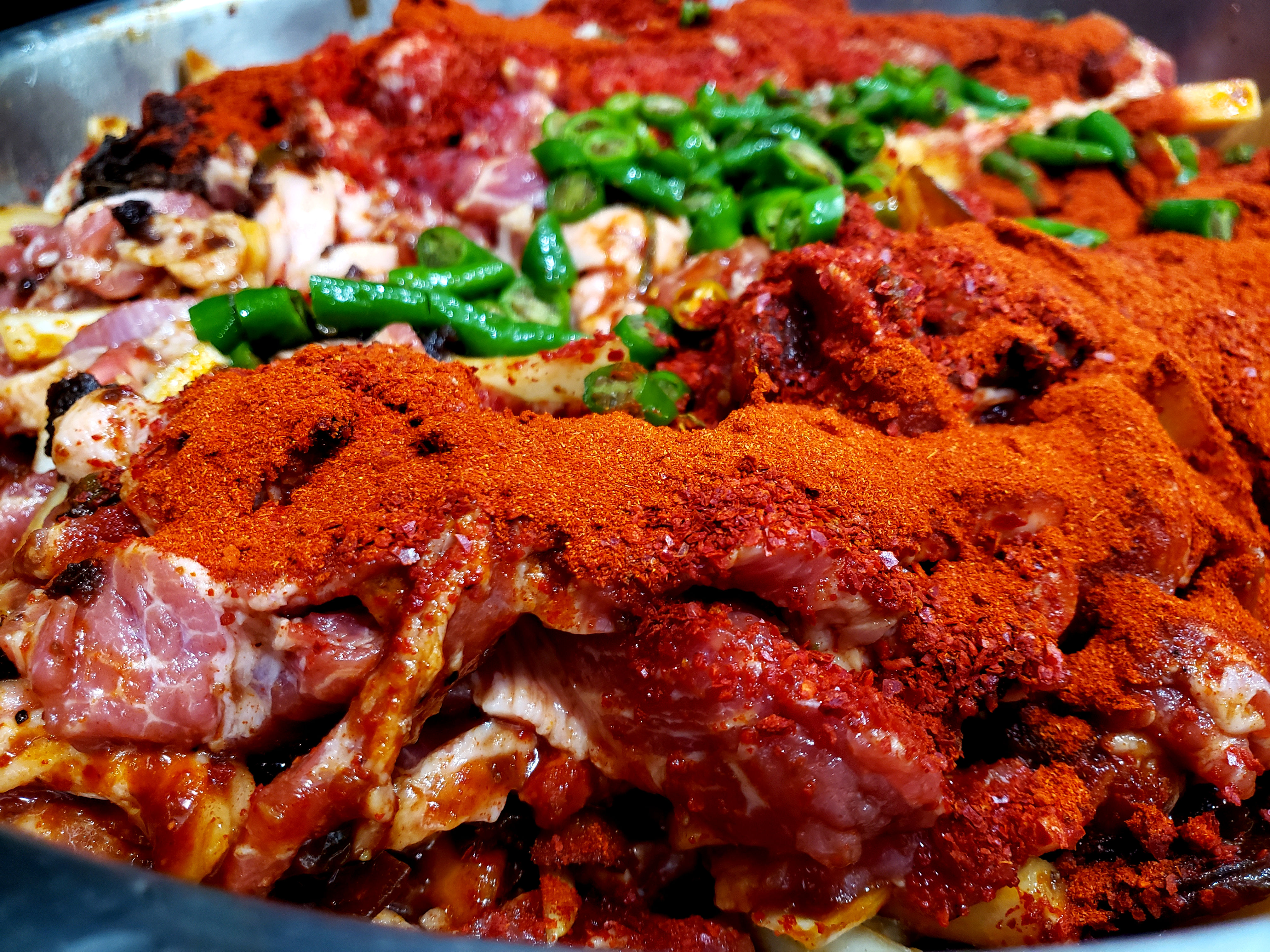
Place all marinade ingredients in a large bowl and mix well.
Add the meat and toss until well coated.
Mix in the onion and green onion, then let stand at least 45 minutes. You may place in a freezer container and freeze for later use.
Cook:
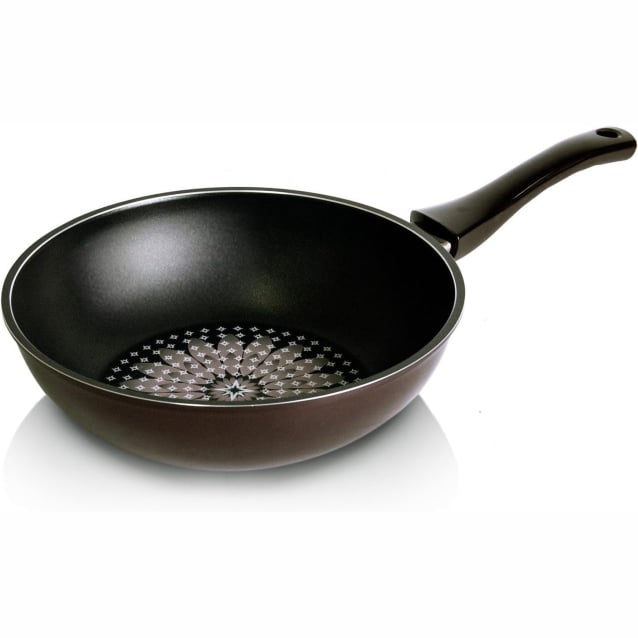
Place meat mixture into a stir fry pan over medium to medium high heat.
Add additional vegetables like sliced carrot or broccoli crowns if desired.
Stir fry until a very light char begins to form.
Final:
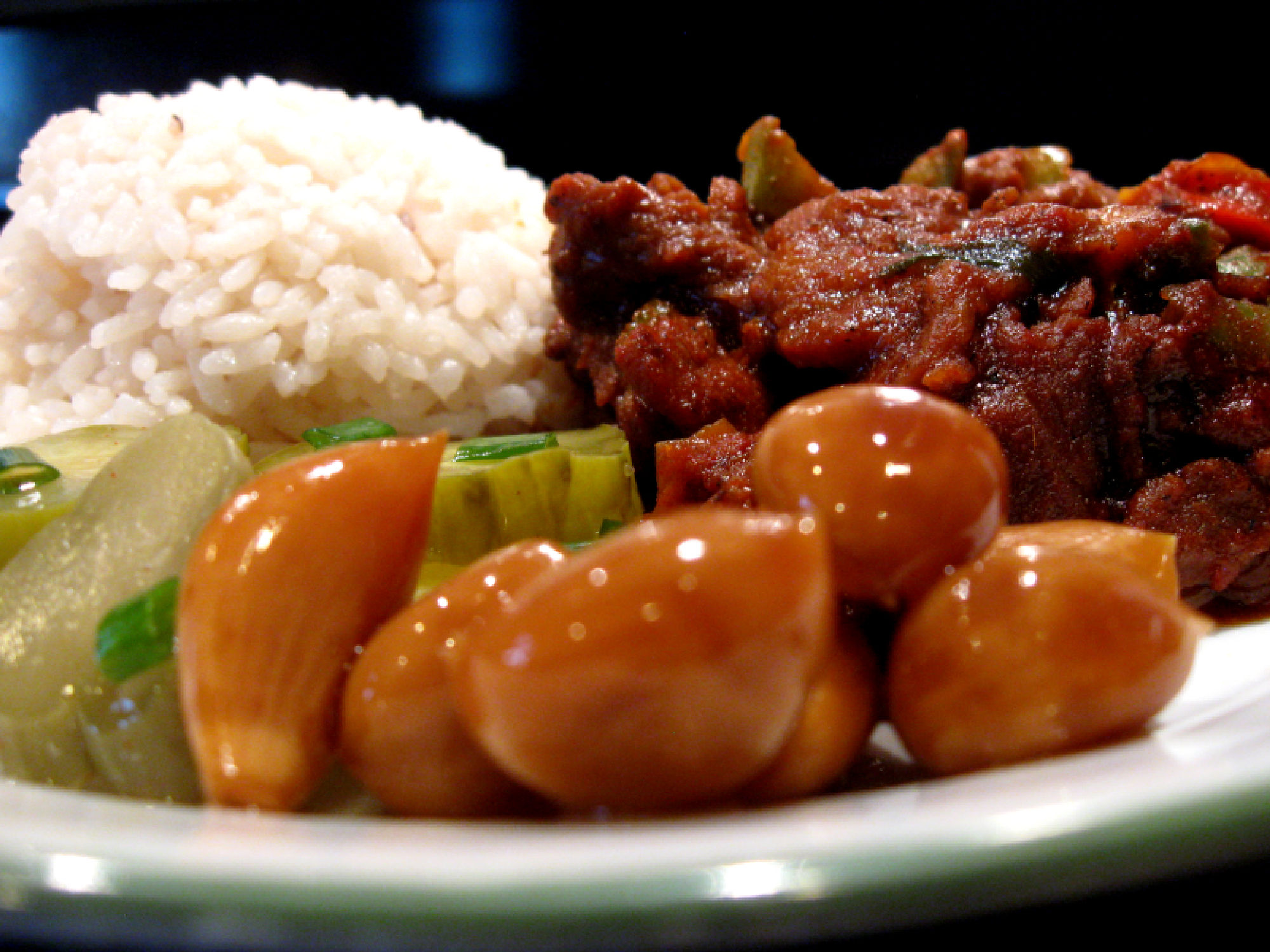
Serve as a main dish with rice and banchan.


Comment?