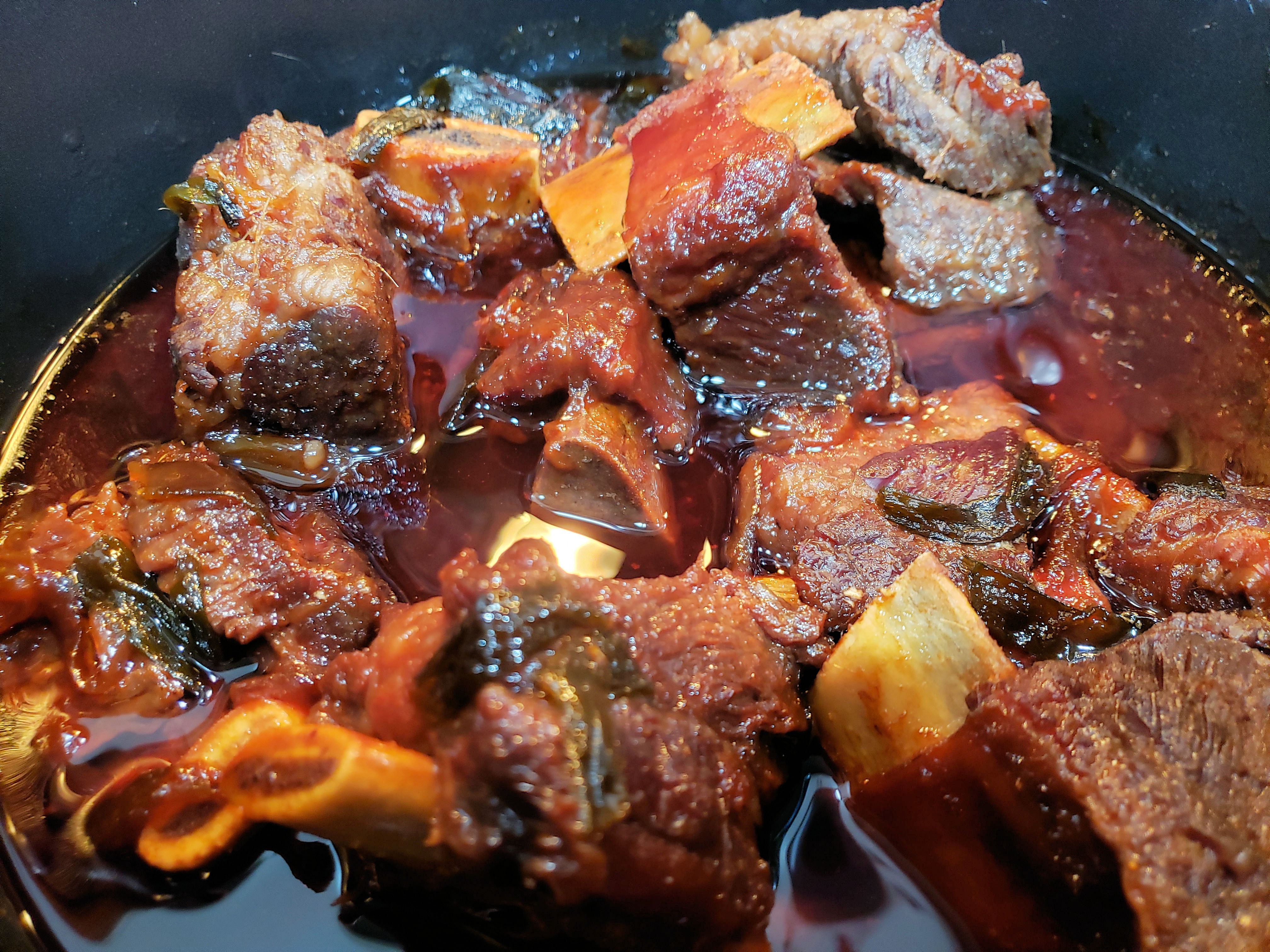
Image by hannaone: Galbi-jjim in the pot.
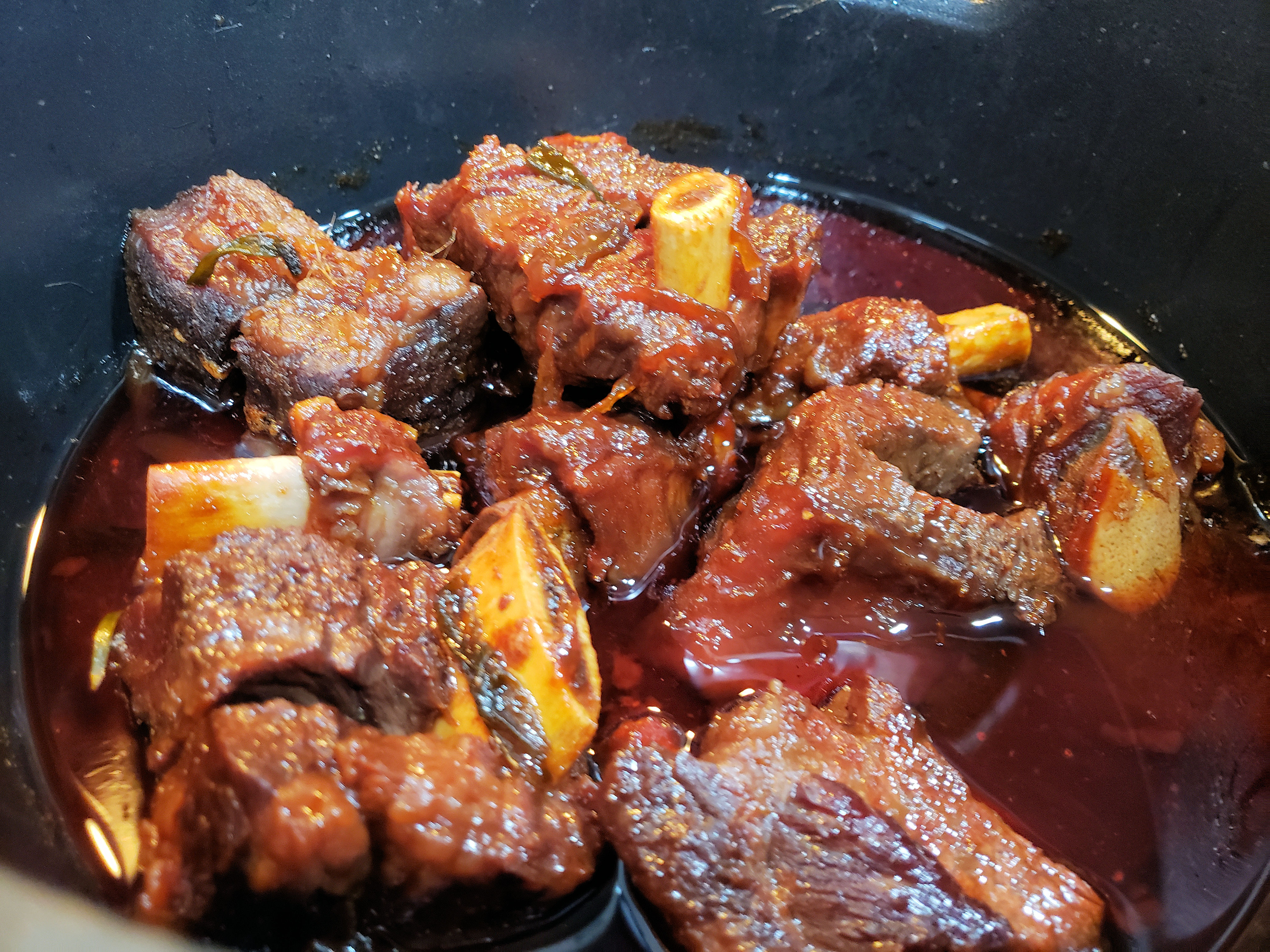
Image by hannaone: Galbi-jjim
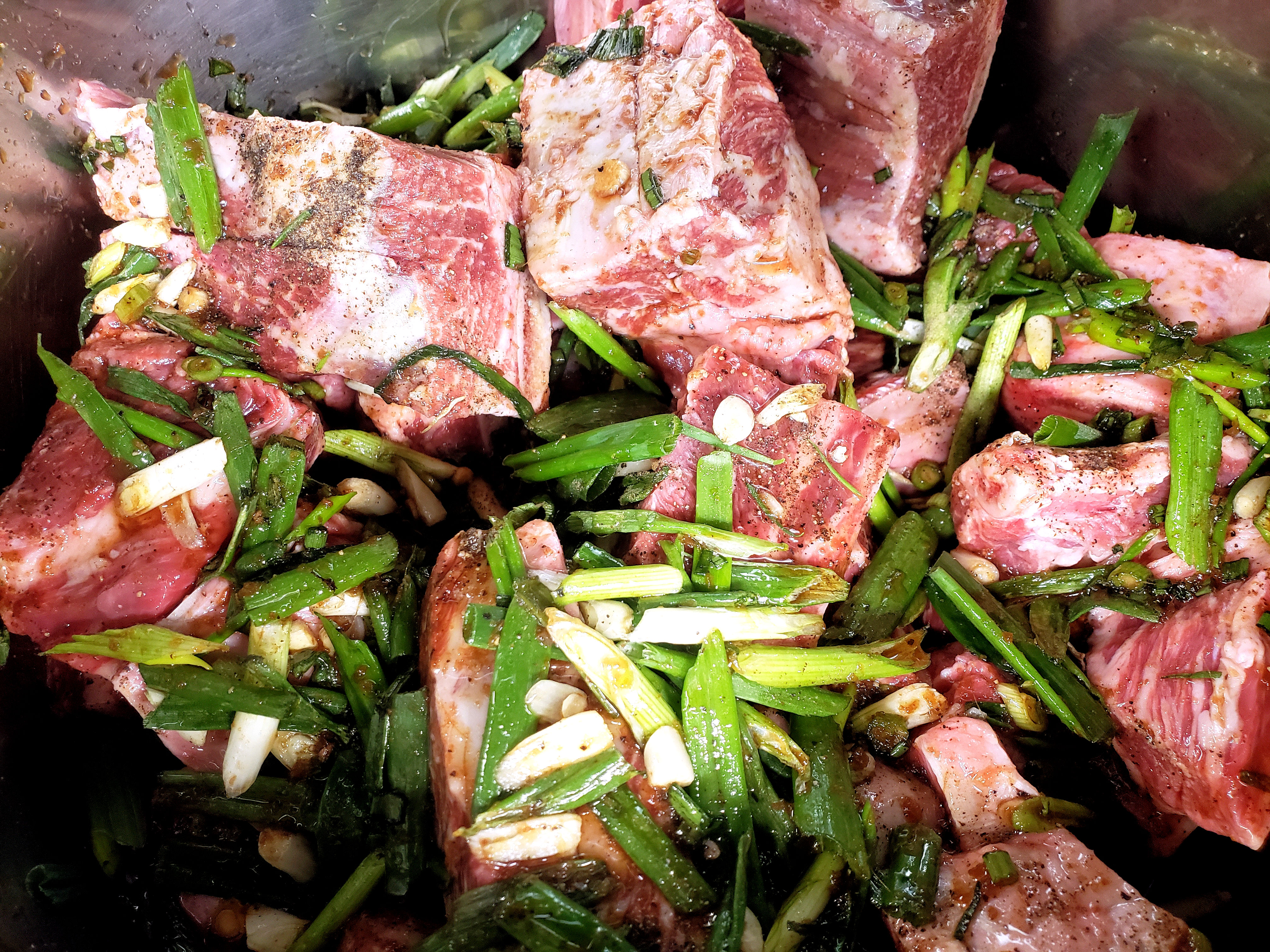
Image by hannaone: Starting galbi-jjim
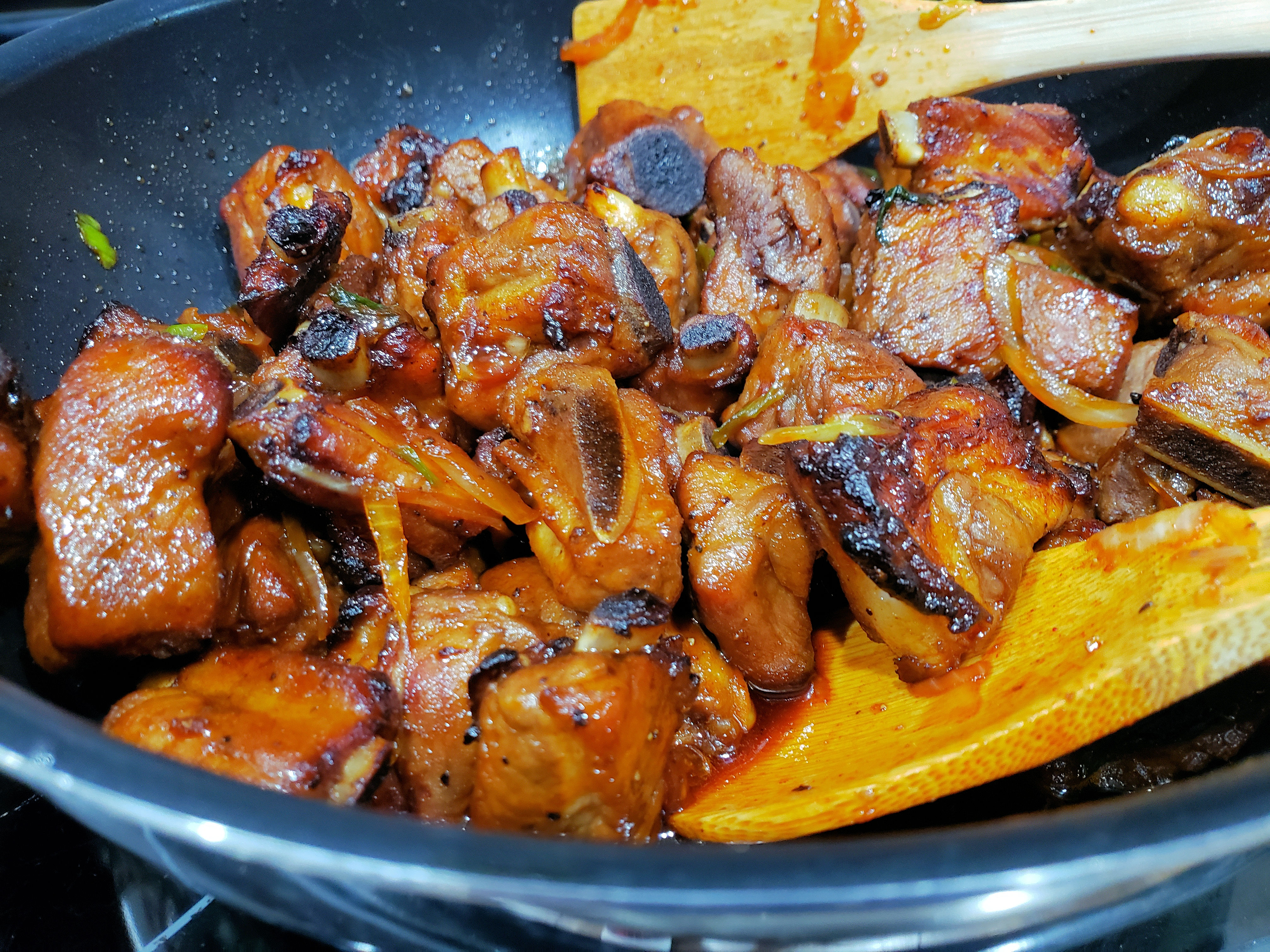
Image by hannaone: Dwaeji (Pork) galbi-jjim
Galbi-jjim Braised Ribs
Article by Gil "hannaone" © Copyright 2007-2026. All rights reserved.
갈비찜 | galbi-jjim
A popular dish in Korean cuisine, Galbi Jjim, also called Korean Braised Short Ribs, is made with beef or pork short ribs. It is braised until it becomes tender, sweet, savory, and almost falling off the bone. Korean festival days such as Chuseok, New Year's Day (Seollal), family birthdays, or weddings are often used to prepare the dish.
Although Galbi Jjim was not a regular menu item at our restaurant, we prepared it for ourselves on Korean holidays and served a small portion to our customers.
Recipe Type: Korean Meat Dishes, Beef, Braise
Serves 4 - 6
Ingredients
5 pounds bone-in beef short ribs or back ribs
Braise Seasoning Liquid
½ cup soy sauce¼ cup sugar
¼ cup brown sugar
1 peeled and shredded Korean or Asian pear or semi sweet apple
3 cloves fresh garlic
2 tablespoons mirim or mirin
1 tablespoon sesame oil
1 teaspoon black pepper
2 ½ cups water
Optional Add Ins
2 medium red or yellow potatoes, peeled
Sweet Potato, cut in quarters
2 medium carrots peeled
½ pound Korean radish peeled
5 or 6 Shiitake mushrooms
1 or 2 green chili peppers sliced into thick rings
Garnish Options
green onions, slivered jujubes, sesame seeds, slivered red chili peppers, pine nuts
Directions
You should be able to find pre-cut short or back ribs for galbi jjim at a local meat counter, If not, then your meat counter should be able to cut the ribs for you. We have a standard rack of back ribs cut in thirds (roughly 2½ to 3 inches) across the bone. Separate the ribs if needed.
Clean and par-boil (This step is to remove excess blood and bone dust from the rib pieces):
Place the rib pieces in a large pot and cover with luke warm water. Let soak for about half an hour to 45 minutes. Drain and rinse the ribs in cold water.
Re-fill the pot with water until the ribs are just covered.
Place the pot on the stove and bring to a boil over high heat.
Reduce the heat to medium and boil for about 15 to 20 minutes.
Move the ribs to a large bowl or plate, then discard the boil water and clean the pot.
Add the soy sauce, sugar, pear, garlic, mirin, sesame oil, black pepper and water to a large mixing bowl and mix well. Put the ribs back in to the pot, add the braise liquid, and bring to a boil over medium heat.
Cover and cook for about 30 minutes. Reduce heat to low.
Add any, or all (except mushrooms), of the add-ins to the pot, cover, and simmer for another half hour.
Add mushrooms if used, and simmer, uncovered, for another 10 minutes.
Remove from pot, plate, add garnish, and serve galbi jjim with steamed rice and banchan.
Tip:
If there are any Carnicerias (Mexican style meat markets) near you, they will usually have cut ribs that work well for galbi jjim, as well as many other cuts that can easily be used in Korean recipes.
Stores like Safeway, Albertson's, Winco, Fred Meyer, most larger Korean Markets, and many larger Asian markets will also have the pre-cut ribs to use for galbi jjim.
Story Time
Galbi‑jjim has a long history in Korea, with its origins often traced to the early Joseon Royal Court. During this period, beef was tightly regulated and largely reserved for state rituals, ancestral rites, and royal banquets. Because of this, dishes using beef—especially premium cuts like short ribs—were typically prepared for high‑status occasions rather than everyday meals.
There are several theories about how jjim (braised dishes) developed within this context:
- Resource Extension:
In the Joseon era, meat was scarce and expensive. Slow braising allowed cooks to stretch limited quantities of beef by combining it with vegetables, broth, and seasonings. This method made the dish suitable for ceremonial tables where abundance was symbolically important, even when actual meat supply was limited.
- Royal Practicality:
Some food historians suggest that long braising may have been a practical adaptation for members of the royal household—particularly aging rulers or aristocrats who struggled with tough cuts of meat. Extended simmering produced exceptionally tender ribs that were easier to chew and digest.
- Flavor Development:
Braising also created deeper, more layered flavors than many earlier Korean cooking methods. Combining soy sauce, aromatics, and slowly cooked beef produced a richness that stood apart from simpler grilled or boiled preparations. This complexity likely contributed to galbi‑jjim’s status as a prestigious banquet dish.
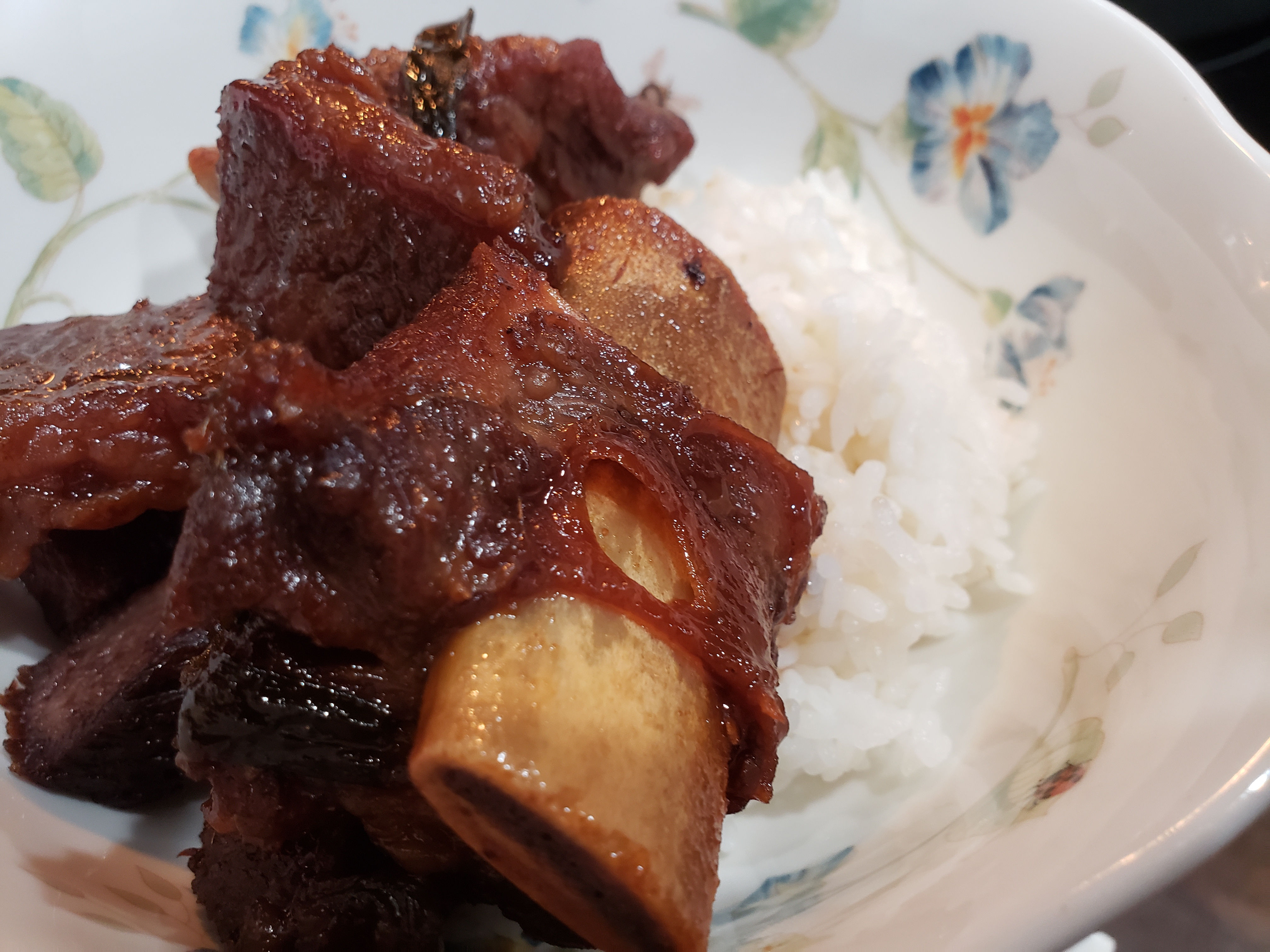
Image by hannaone: galbi-jjim on rice
While the exact origin story remains partly speculative, the combination of limited beef availability, royal dining customs, and evolving culinary techniques helps explain how galbi‑jjim emerged as one of Korea’s most celebrated braised dishes



Comment?