Recipes: Chamkkae Dalgnalgae - Sesame Seasoned Chicken Wings
Article by Gil "hannaone" © Copyright 2007-2026. All rights reserved.
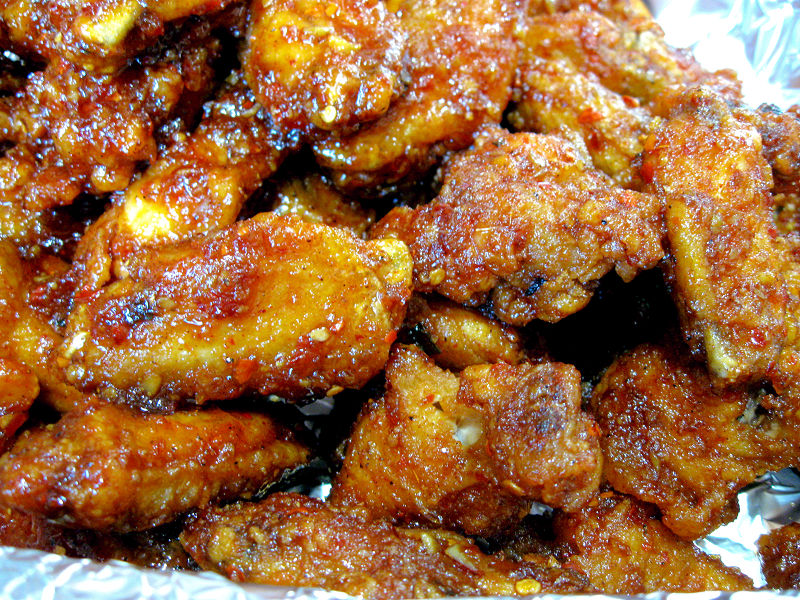
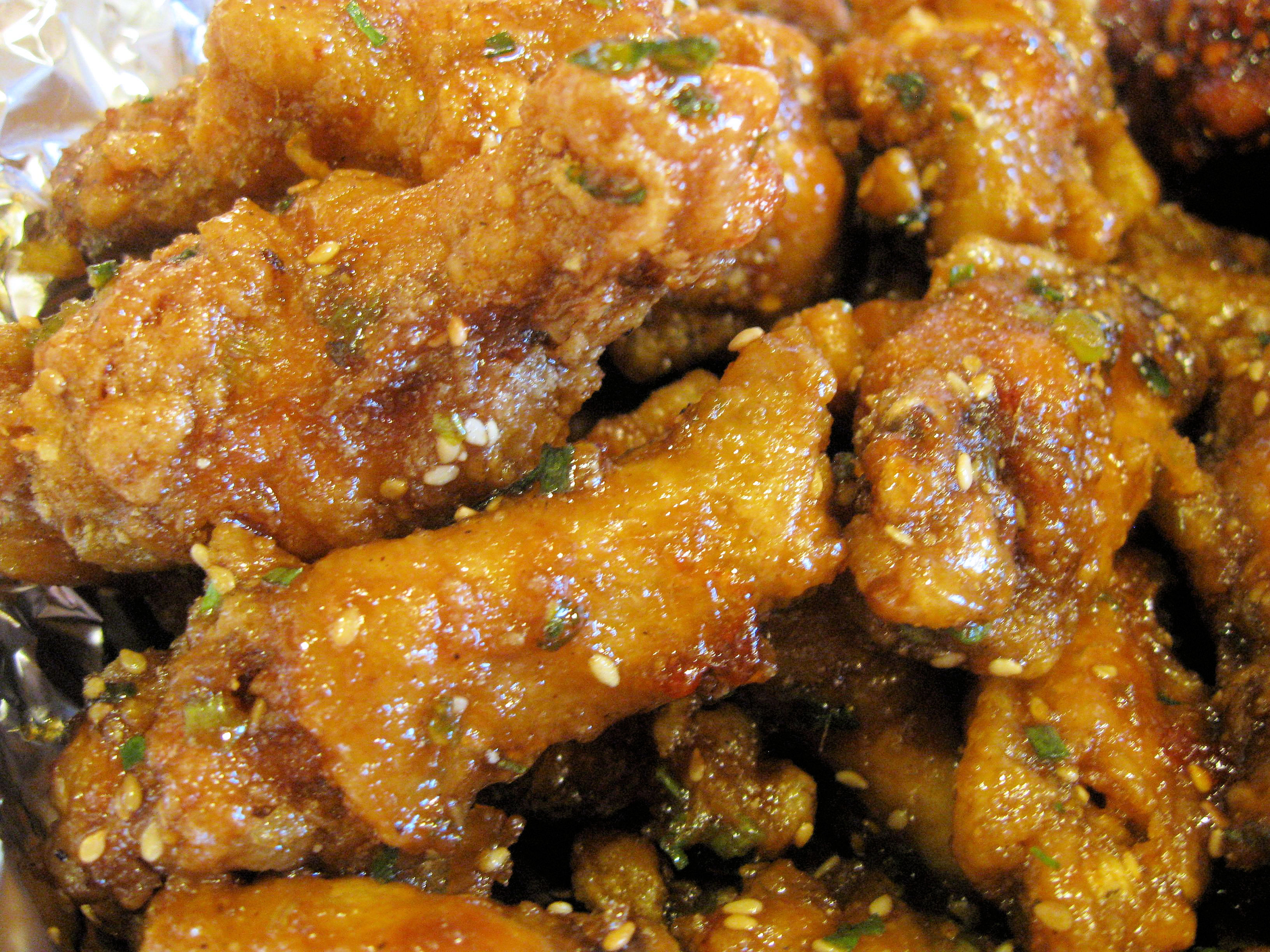
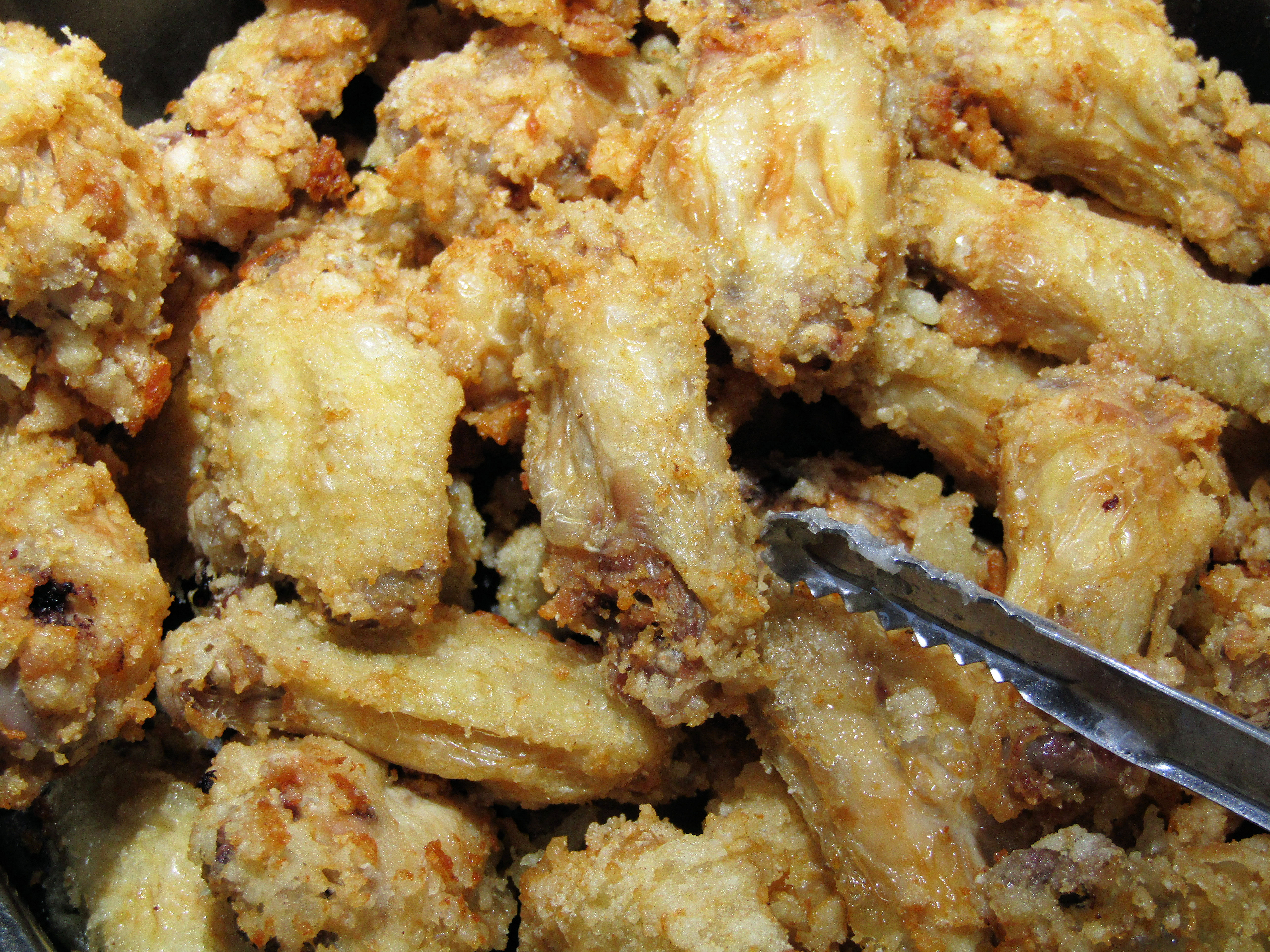
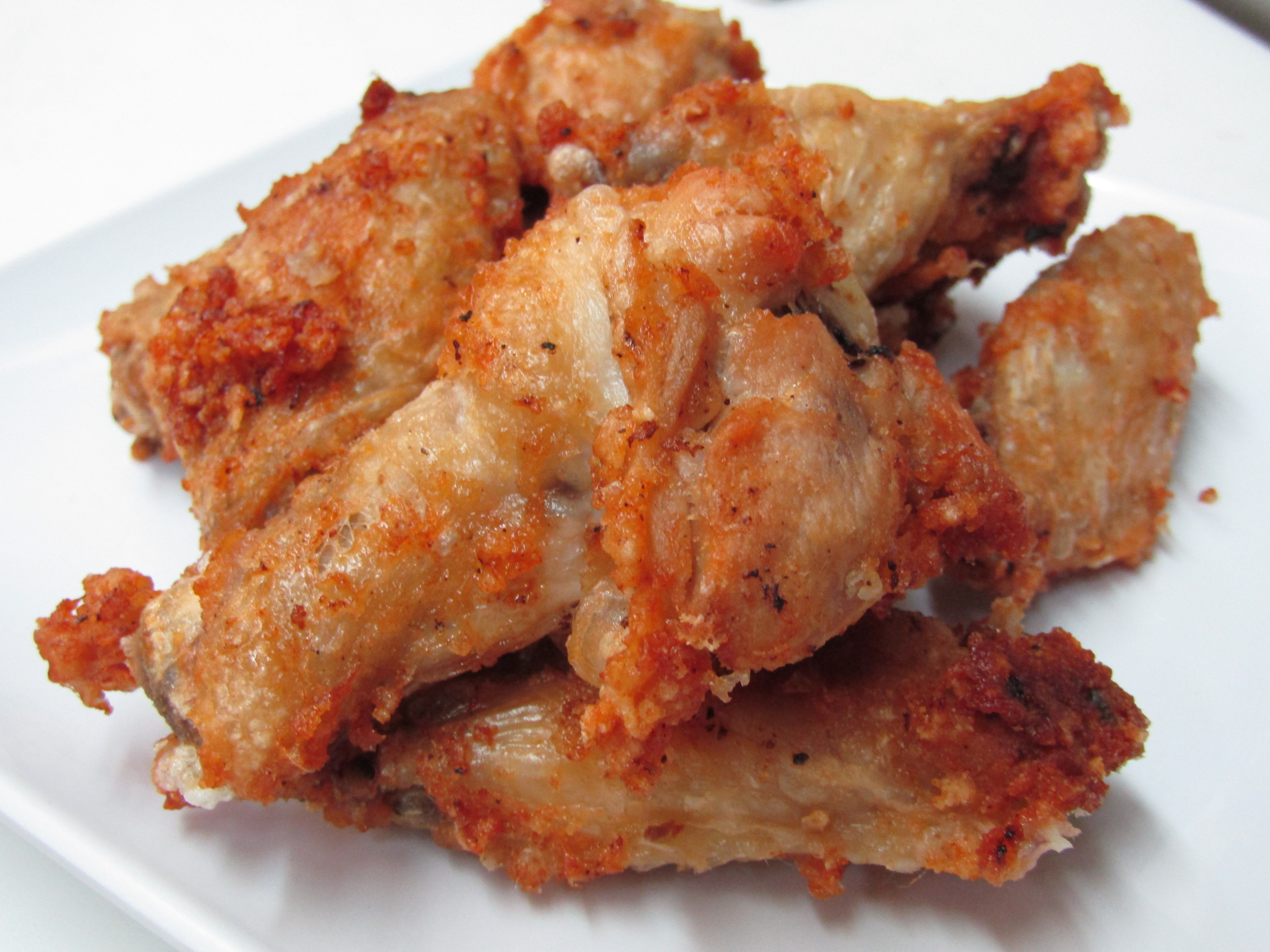
Image by hannaone: Chamkkae Yangnyeom Dalgnalgae
Chamkkae Daknalgae Korean Fried Chicken Wings
참깨 양념 닭날개 chamkkae yangnyeom dalgnalgae
The Korean "Twice Cooked" method creates an addictive Korean Fried Chicken dish that is great to eat during game days or anytime. The spicy version of this dish is also a family favorite. We'd make 5 pounds of each and then chicken out for a couple of days.
Ingredients:
1 pound Sectioned chicken wings (substitute sliced, cubed, or rough chopped chicken thigh or breast*)
1/3 cup potato or corn starch
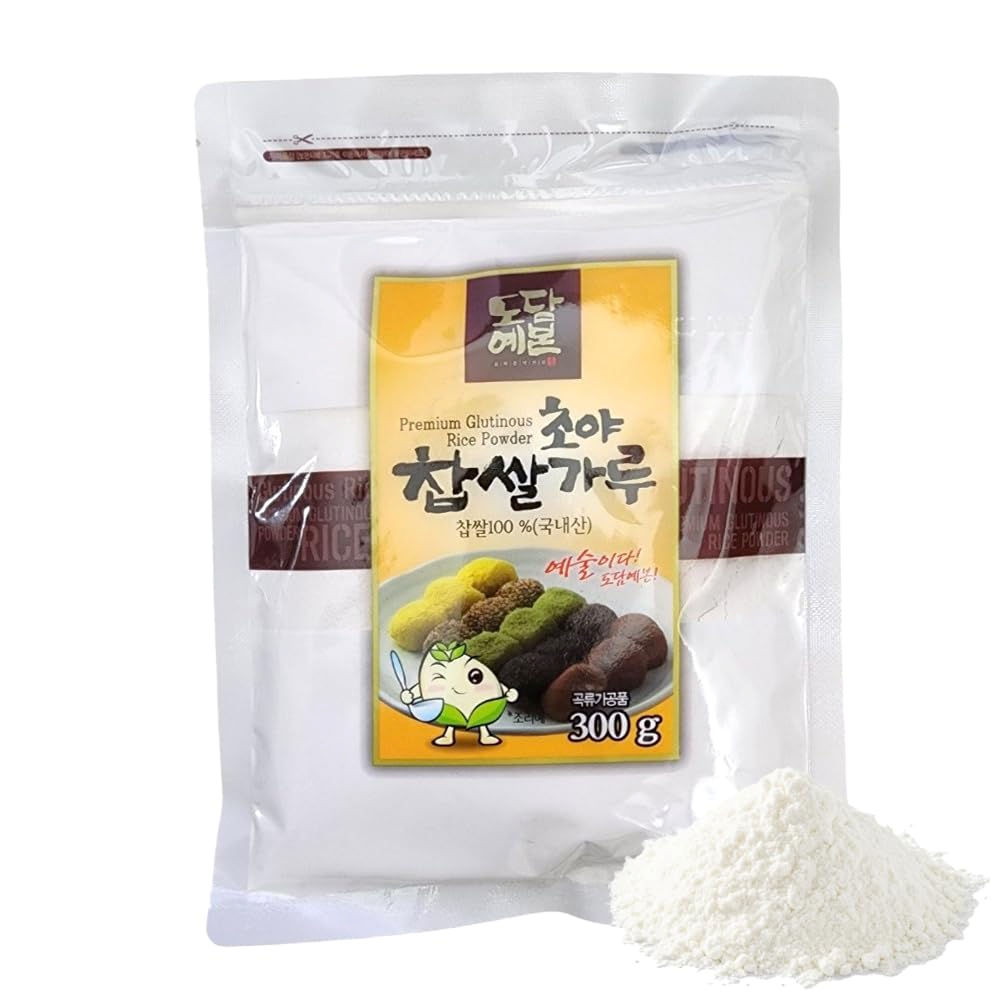
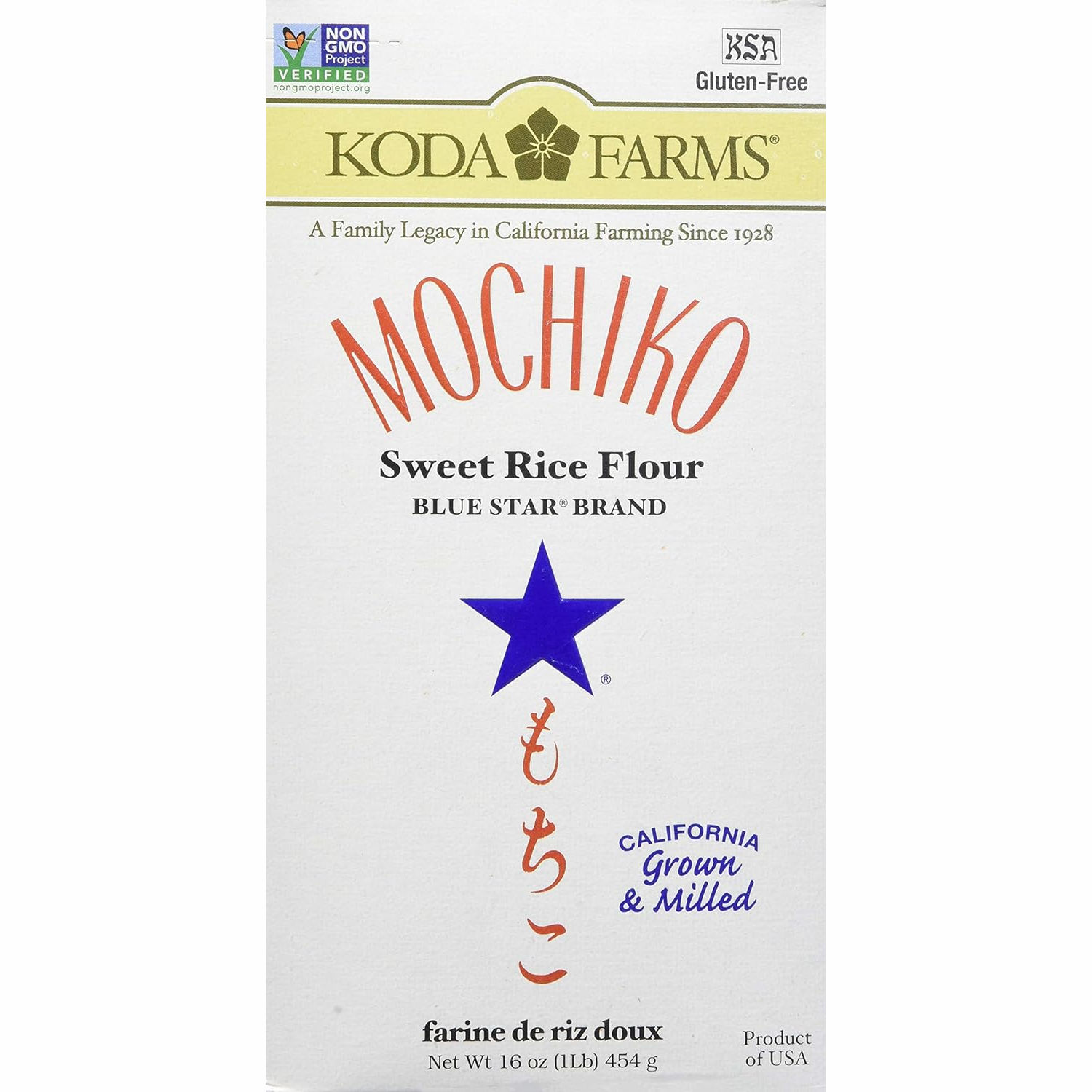
1 tablespoon sweet rice flour
1 teaspoon salt
1 tablespoon ground black pepper
Vegetable oil for deep frying
Stir Fry Sauce(per pound of chicken):
3 tablespoons sesame paste*
2 tablespoons soy sauce
2 tablespoons sugar, honey, or corn syrup
1 tablespoon water
1 teaspoon lime juice
1 tablespoon rice or cooking wine
4 each cloves peeled garlic
1/2 ounce peeled fresh ginger
Sesame Paste
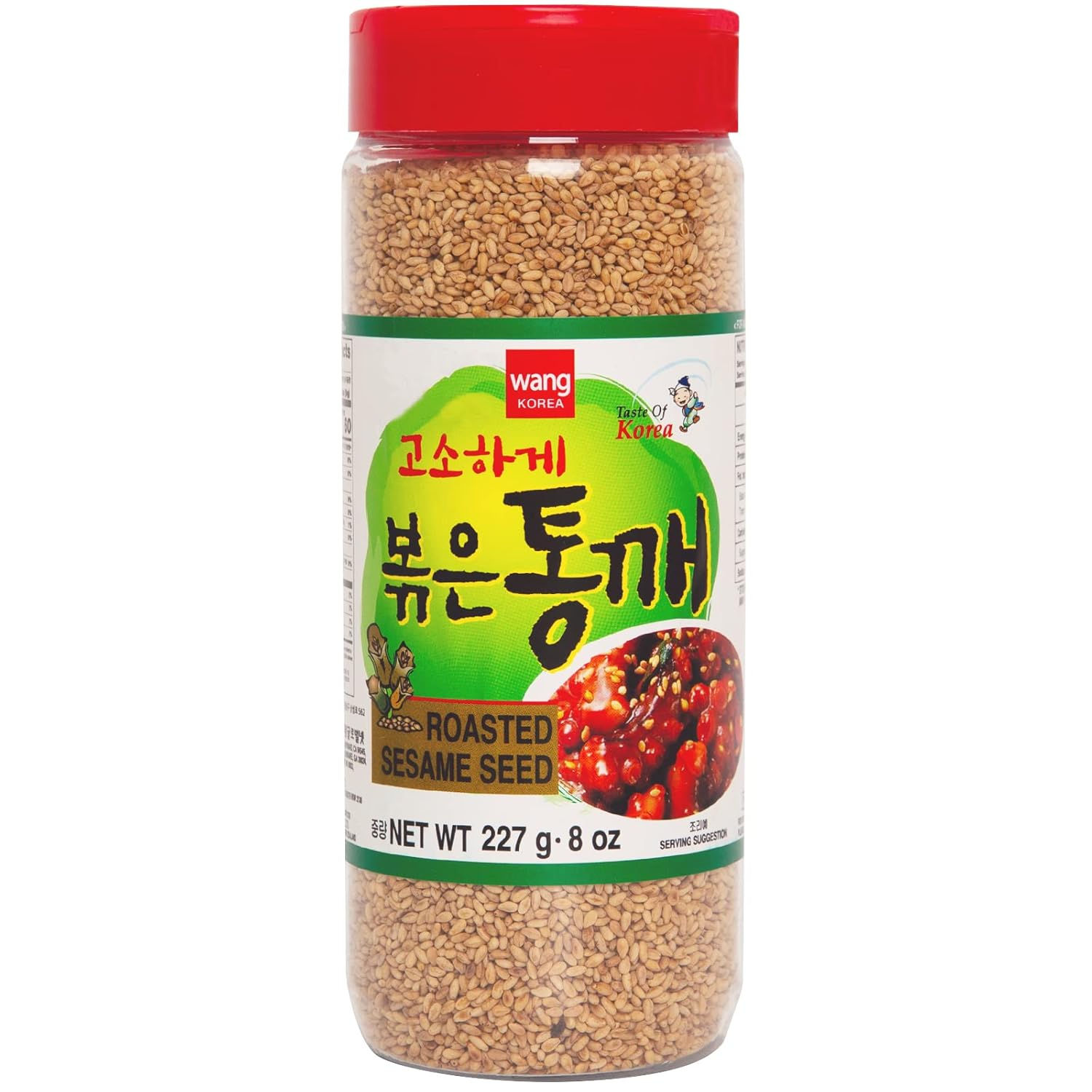
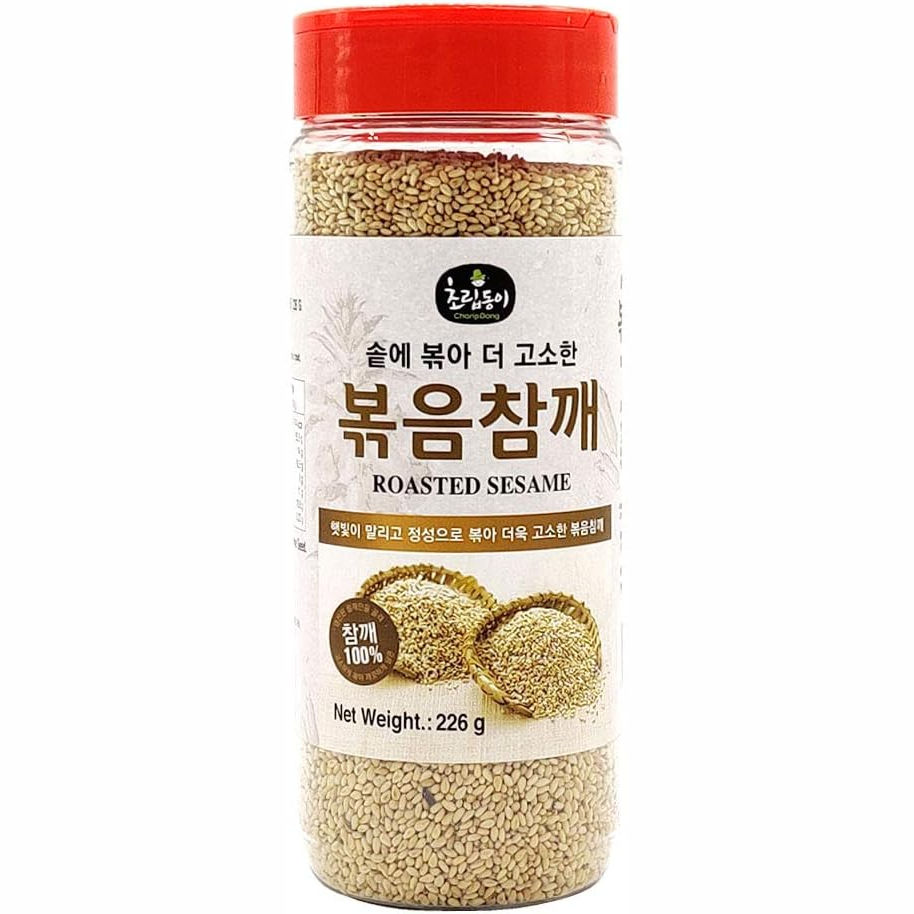
2 tablespoons toasted sesame seed
1 teaspoon roasted sesame oil
Other ingredients:
1 each green or spring onion
1 tablespoon toasted sesame seed
Optional Stir Fry Ingredients
Crushed peanuts
Crushed pecans
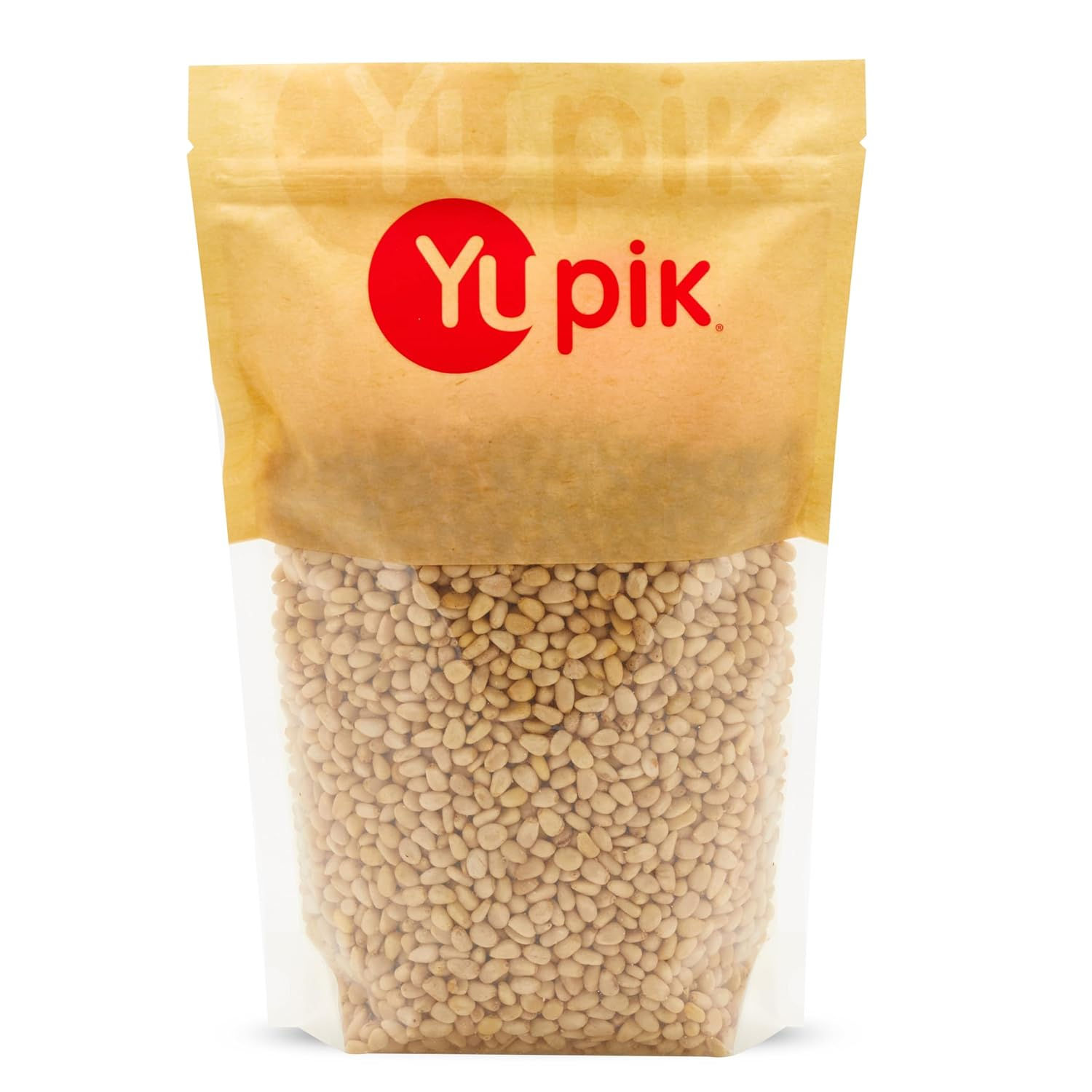
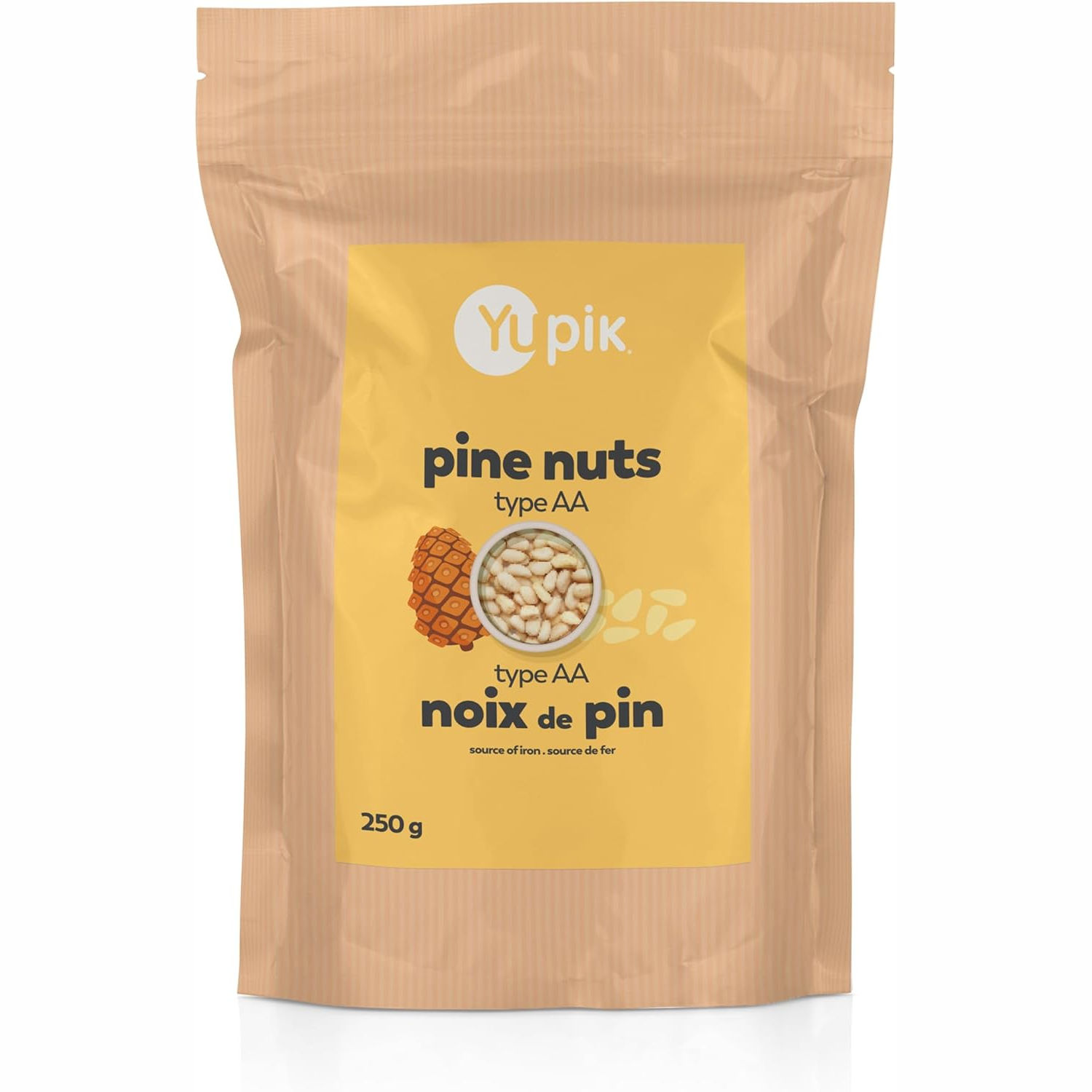
Pine nuts
Directions
Prepare the chicken
Rinse the wing pieces in cold water, then drain.
Mix the salt, pepper, starch, and rice flour.
Sesame Paste
Heat a pan over high heat.
Reduce heat to medium, add sesame seed and stir continuosly until golden brown.
Place seeds and oil into a blender or grinder and blend into a thick paste. A small amount of water may be added if needed.
Mix the Stir Fry sauce
Place the ginger and garlic into a blender with just enough water to liquify the mix.
Pour into a small mixing bowl and add all other sauce ingredients.
Mix well.
Finely chop the green/spring onion and set aside.
Cooking
* reduce cooking time for sliced or cubed chicken
Heat oil in a large cooking pot. (350ºF or use the bread test)
Roll (coat) wings in the starch mixture and deep fry for 10 to 12 minutes, remove from oil and drain. Let stand five to ten minutes.
Return oil to 350ºF, add the chicken and fry another ten to twelve minutes or to a deep golden brown, remove from oil, and drain.
Add the sauce to a large stir fry pan or wok over medium to medium high heat.
When the sauce just begins to bubble, add the chicken and stir fry until sauce thickens and clings to the wing sections. Add any optional ingredient and cook for another minute.
Place onto a serving tray and garnish with the green onion and sesame seed.
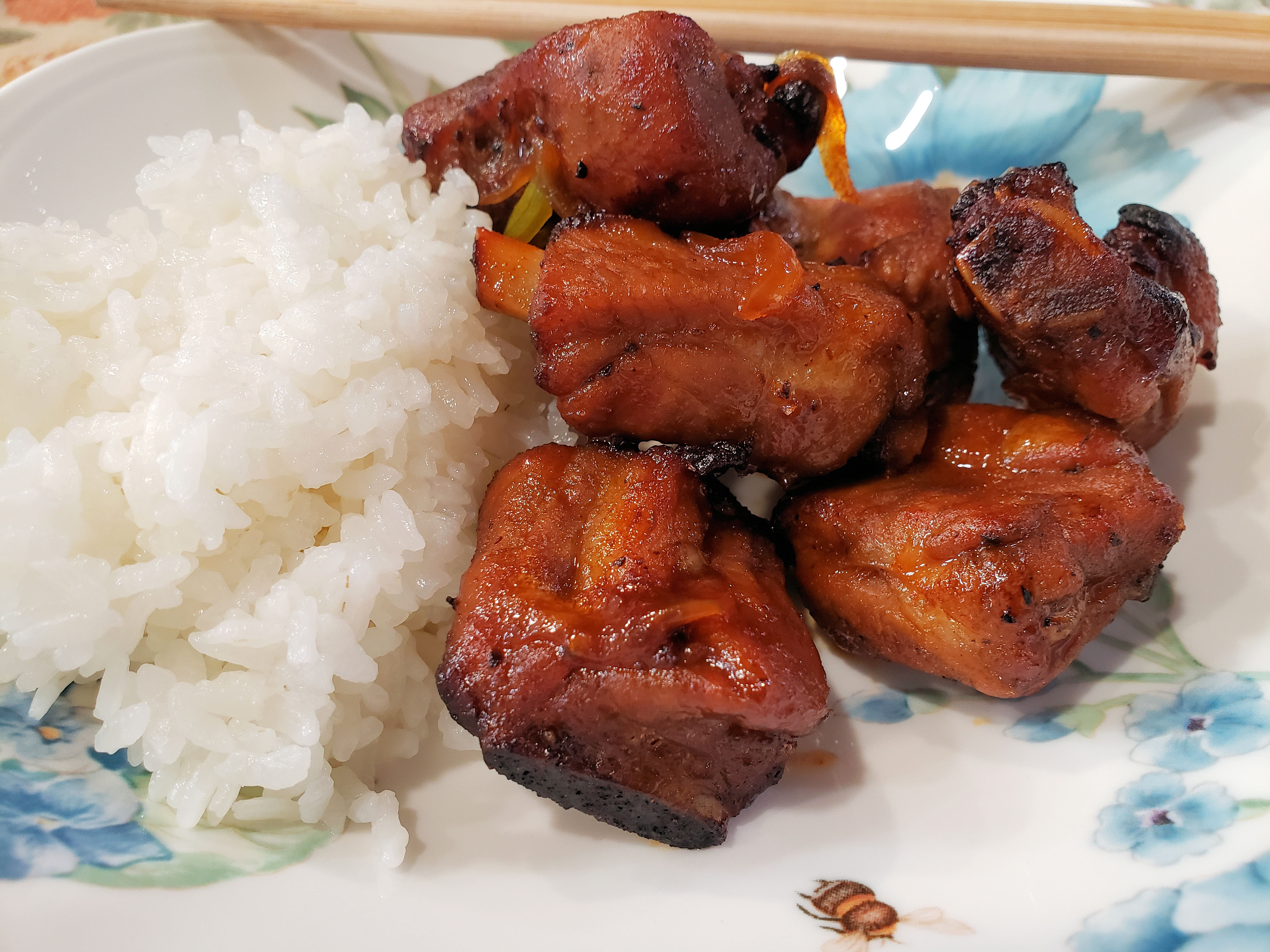
Serve as an appetizer, snack, or with sticky rice and banchan for a meal.

Comment?