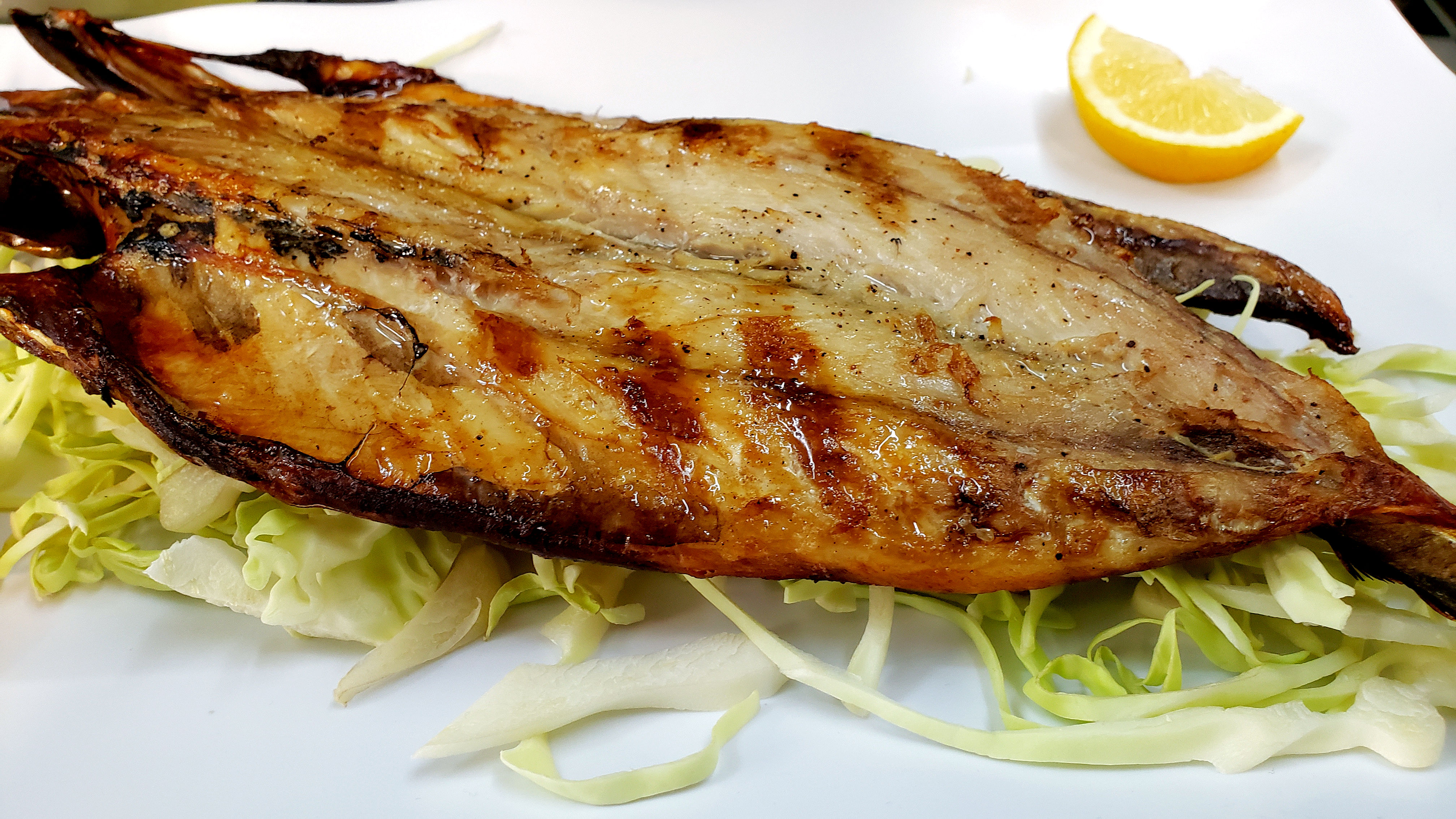
Image by hannaone: Grilled Mackerel
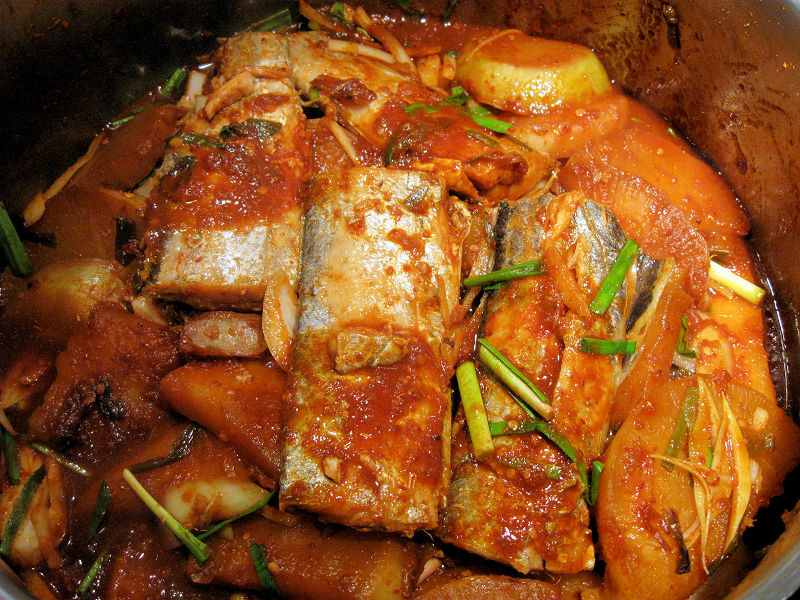
Image by hannaone: galchi-jorim
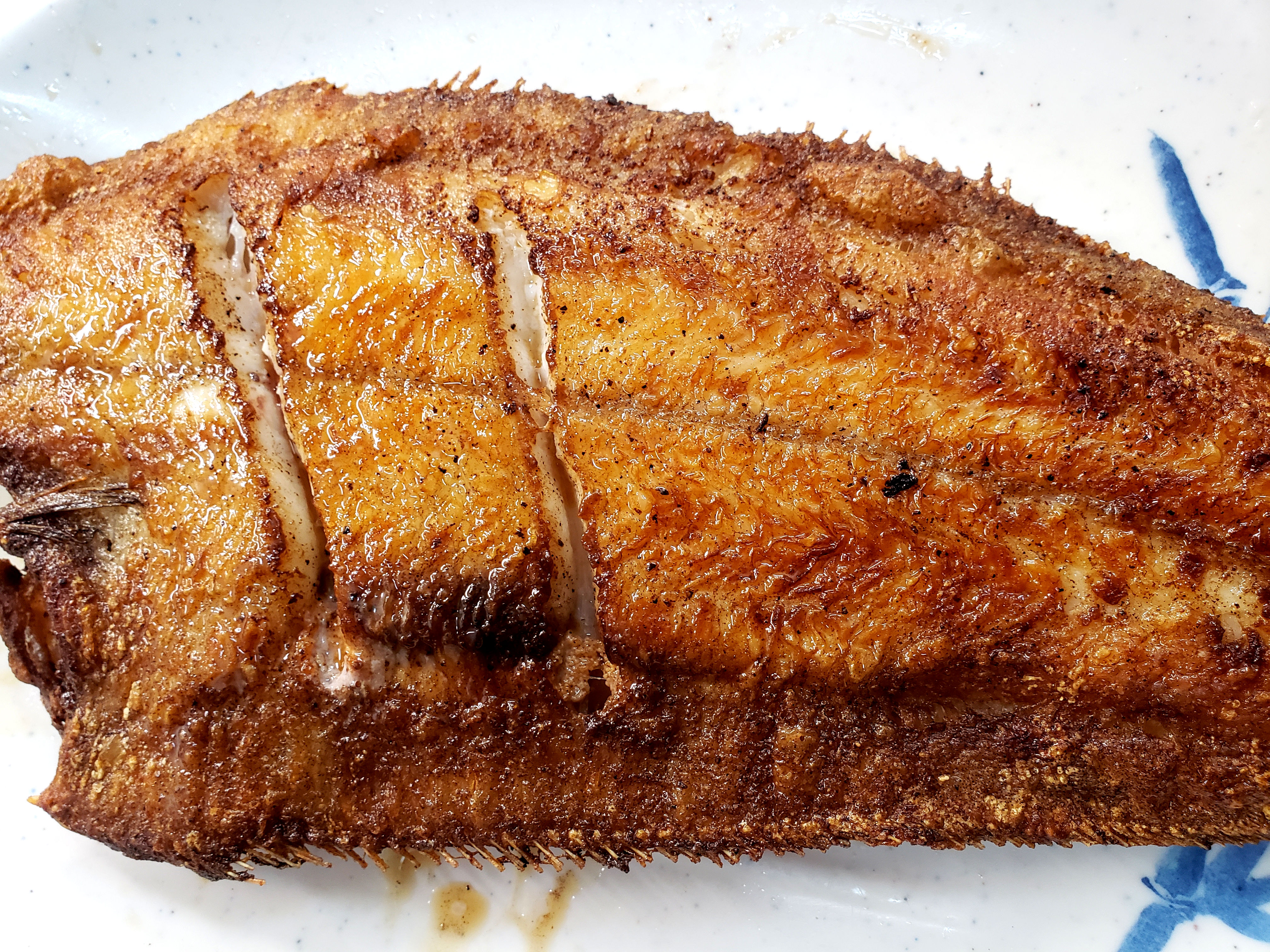
Image by hannaone: Gajaimi-gui
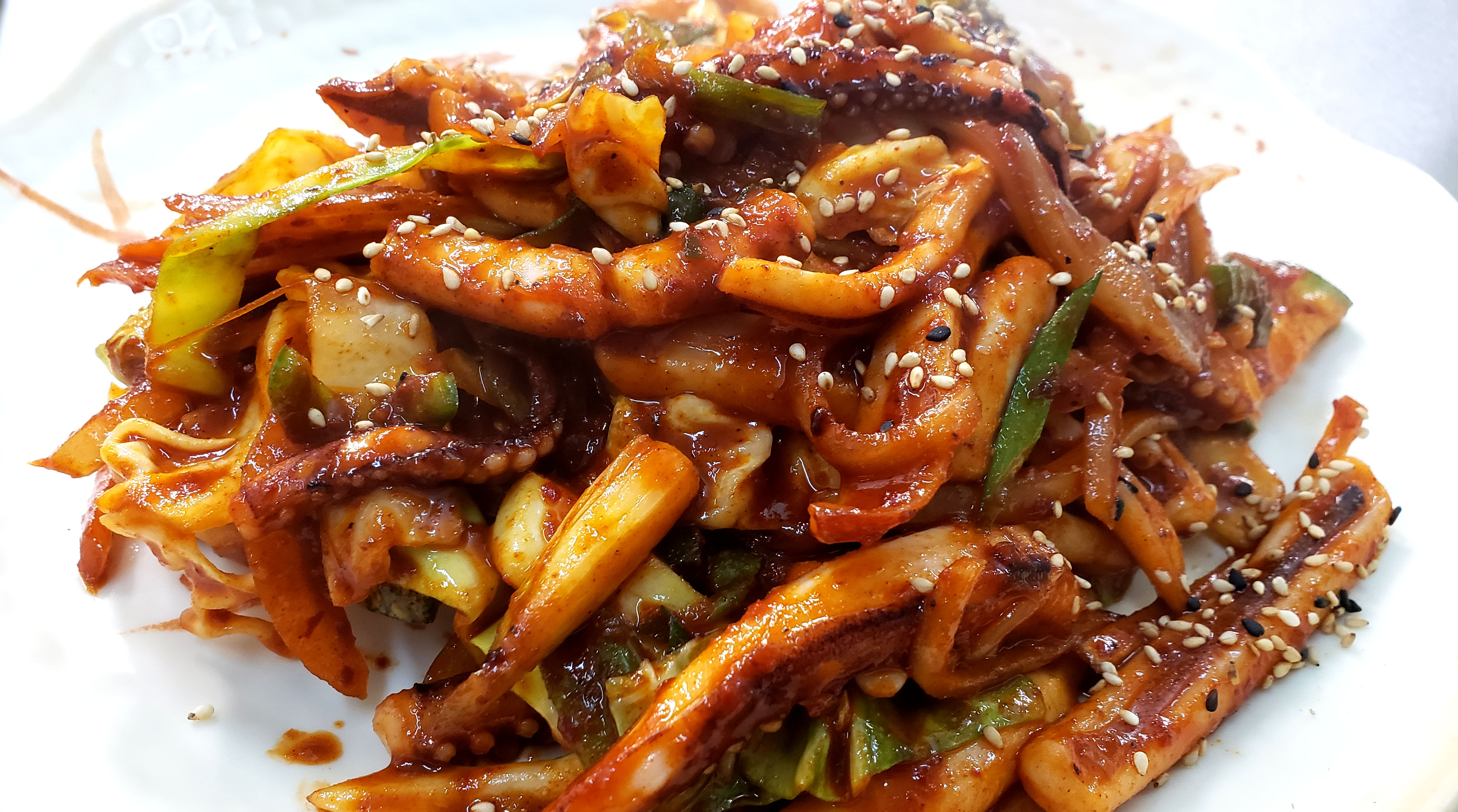
Image by hannaone: Ojingeo Bokkeum
Haesanmul Resipi Seafood Rceicpes
Article by Gil "hannaone" © Copyright 2007-2026. All rights reserved.
해산물 레시피 | haesanmul resipi
With Korea surrounded on three sides by the sea, fish and seafood have long been central to its cuisine. From simply grilled fish to savory pancakes, hearty soups, and rich stews, the ocean’s bounty appears in countless forms on the Korean table. This section highlights some of the seafood dishes we once served to our customers—recipes that reflect both tradition and the flavors of our restaurant days
South Korea’s coastline produces an enormous range of regional seafood traditions, each shaped by local waters, fishing methods, and long‑standing culinary preferences. Busan and the broader Gyeongsang region are known for raw fish (hoe), spicy fish soups, grilled eel, and soy‑marinated crab. Jeju leans on its volcanic island ecology, offering dishes like jeonbok‑juk and fresh sea urchin or octopus. Along the west coast, Chungcheongnam‑do is famous for bird clams and oyster rice, while Gangwon‑do’s colder waters support specialties like ojingeo‑sundae and hoe‑deopbap. Namhae’s traditional bamboo‑weir anchovy harvests remain iconic, paired with oysters and abalone, and the East Coast—especially Yeongdeok—celebrates its spring snow crab season.
Regional Highlights
• Busan & Gyeongsang Province: Raw fish (hoe), spicy fish soup, grilled eel, soy‑marinated crab (ganjang‑gejang).
• Jeju Island: Jeonbok‑juk, sea urchin, octopus, and other freshly caught island seafood.
• Chungcheongnam‑do: Saejogae (bird clams) and gul‑bap (oyster rice).
• Gangwon‑do (Sokcho): Ojingeo‑sundae and hoe‑deopbap.
• Namhae‑gun: Anchovies harvested with bamboo weirs, oysters, and abalone.
• Yeongdeok & the East Coast: Spring snow crab (daege) harvest.
The recipes in this section are those that we prepared in our former restaurant, and in our home.
Recipes
Dashima-guk - Kelp Soup
Eomuk-guk - Fishcake Soup
Galchi Jorim - Braised Beltfish
Gajami gui - Pan Fried Flounder
Godeungeo-gui - Grilled Mackerel
Jjamppong - Mixed Seafood and Noodles
Myeolchi-Dashima-Yuksu (멸치다시마육수)
Ojingeo Bokkeum - Stir Fried Calamari
Story Time
Throughout the history of Korea, fish and seafood have always held a significant place in its cuisine, from the earliest inhabitants to present day.
Initially, clusters of individuals congregated along the coast, relying on the bountiful sea to support their expansion into larger populations and towns. The ocean provided a steady supply of sustenance in the form of fish, crustaceans, sea vegetables, mollusks, and other types of seafood, guaranteeing their ability to thrive.
Given Korea's extended winter season and limited access to fresh fish, it became imperative to preserve it. As a result, numerous techniques were developed, including fermentation and drying, in order to maintain a stable food supply throughout the year.
The introduction of trade brought about changes in cooking techniques and the availability of different ingredients. It also led to advancements in harvesting techniques for seafood. The use of boats and ships expanded the reach of fishing, introducing a variety of new species to culinary options.
As a staple ingredient in Korean royal court cuisine, seafood has long been revered for its use in intricate dishes that highlight the finest sea and land produce. This influence of the past remains evident today in contemporary Korean seafood recipes, which continue to delight palates across the globe.
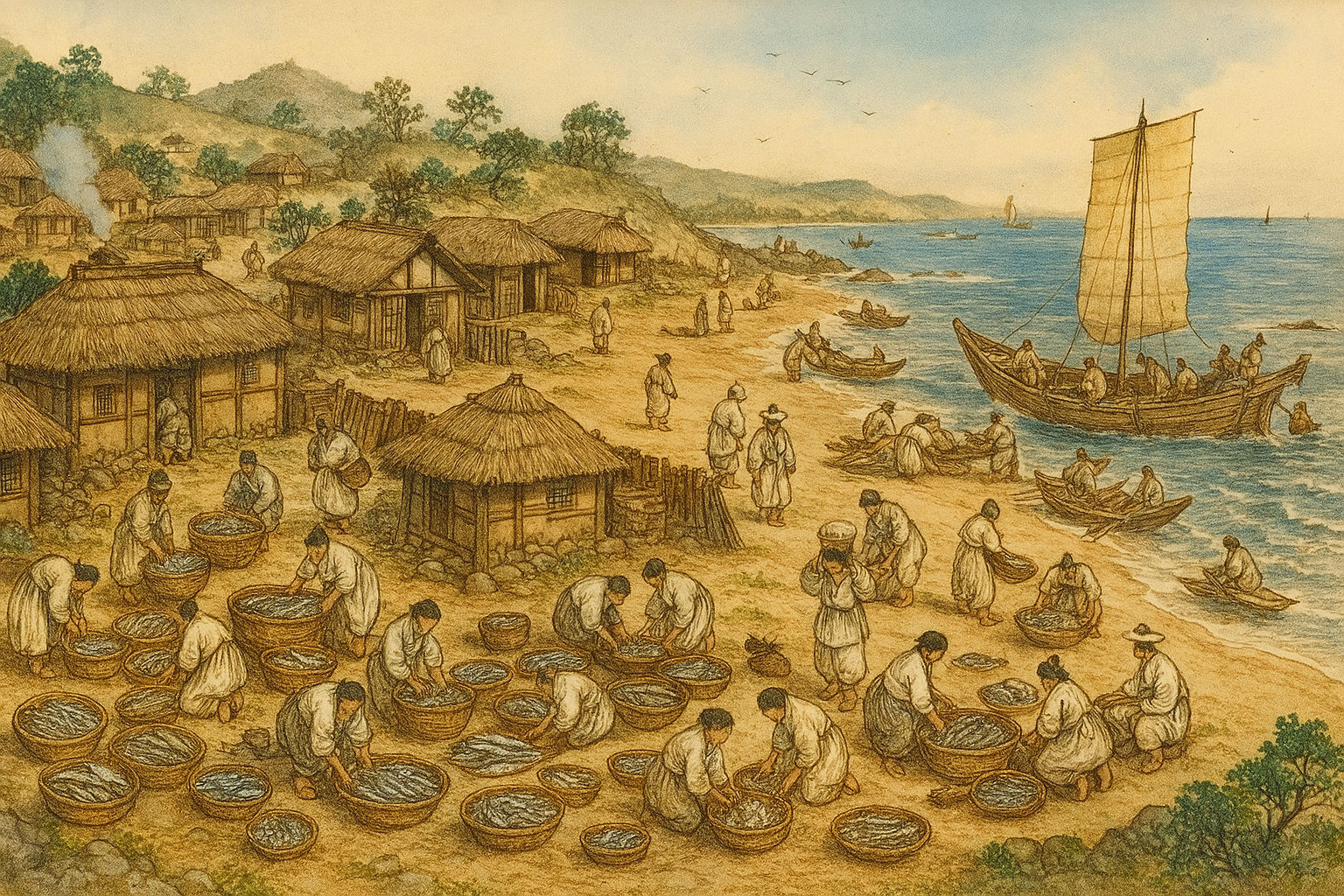
Image by hannaone and AI: Fishing Village
Through the years, Korea has developed a remarkable sea-based cuisine by drawing upon its historical influences. From salted fish and pickled seafood to fresh and dried dishes, the array of options is vast. Seafood holds a significant place in Korean culture and serves as a point of pride for its culinary heritage. The diverse flavors and methods of cooking showcase the country's vibrant culture and deep-rooted past..
Find it on Amazon! Purchases made through these links help support this site. As an Amazon Associate, we earn from qualifying purchases.