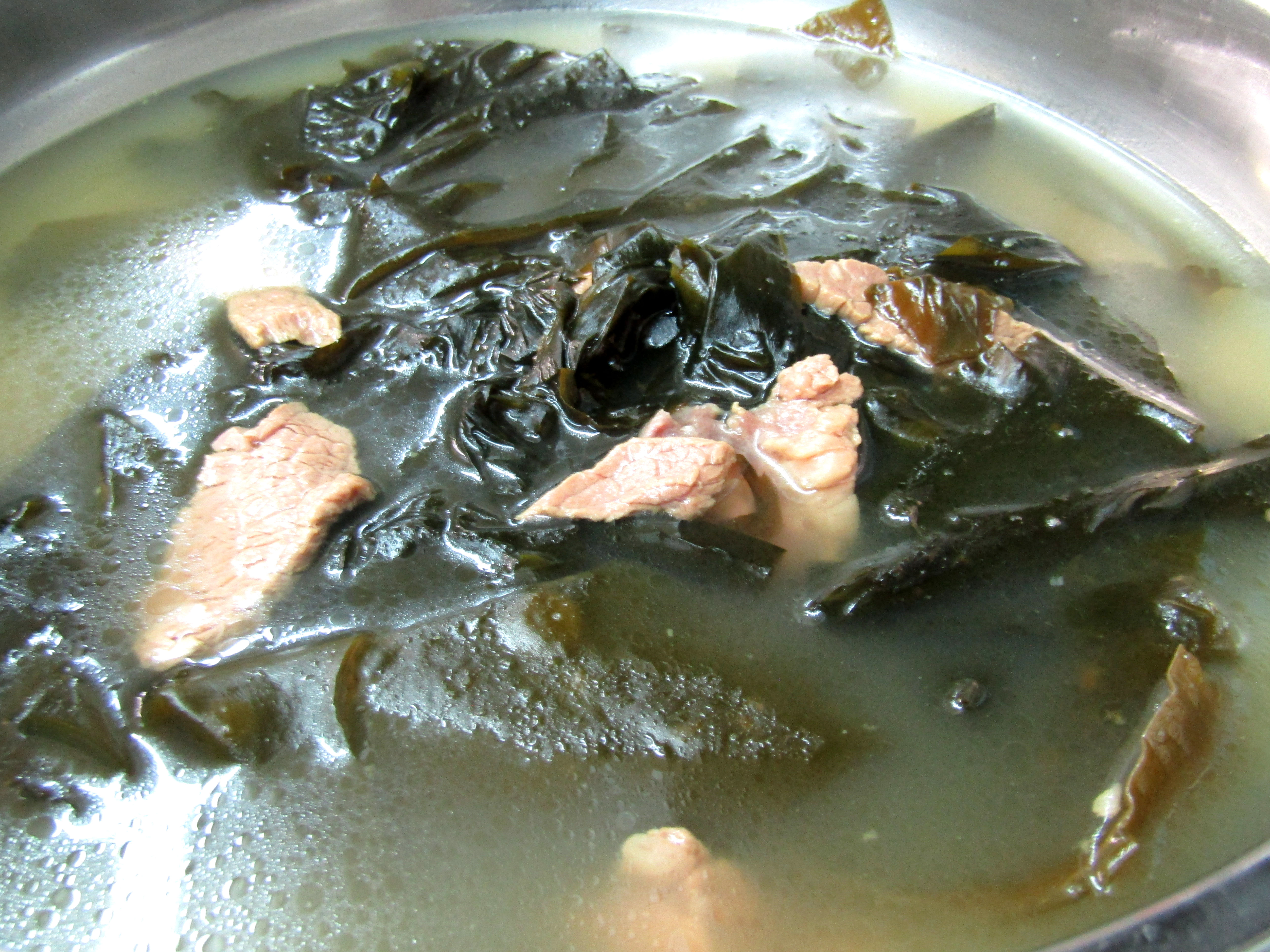
Image by hannaone: Soegogi Miyeok-guk
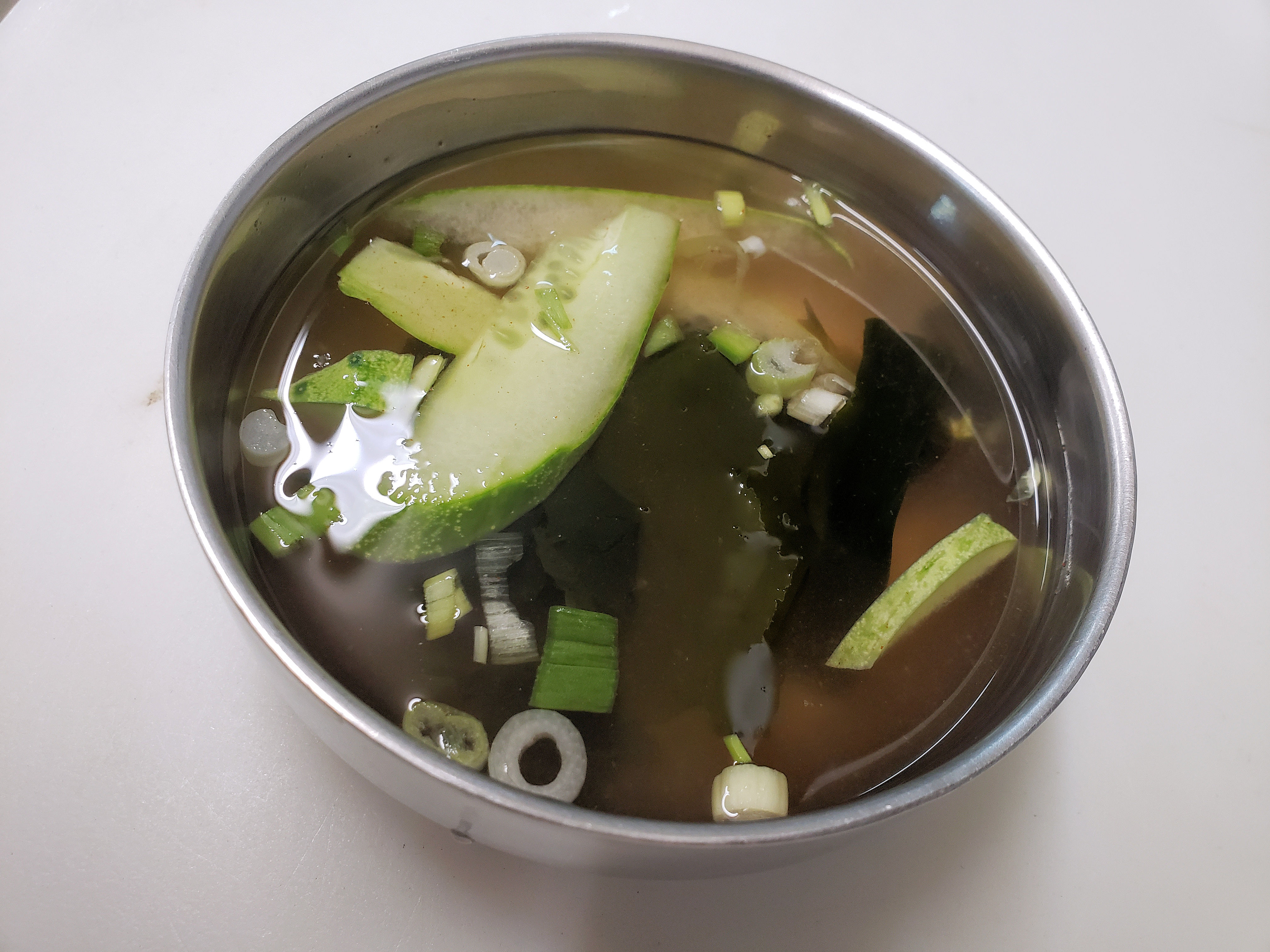
Image by hannaone: Oi Naengguk
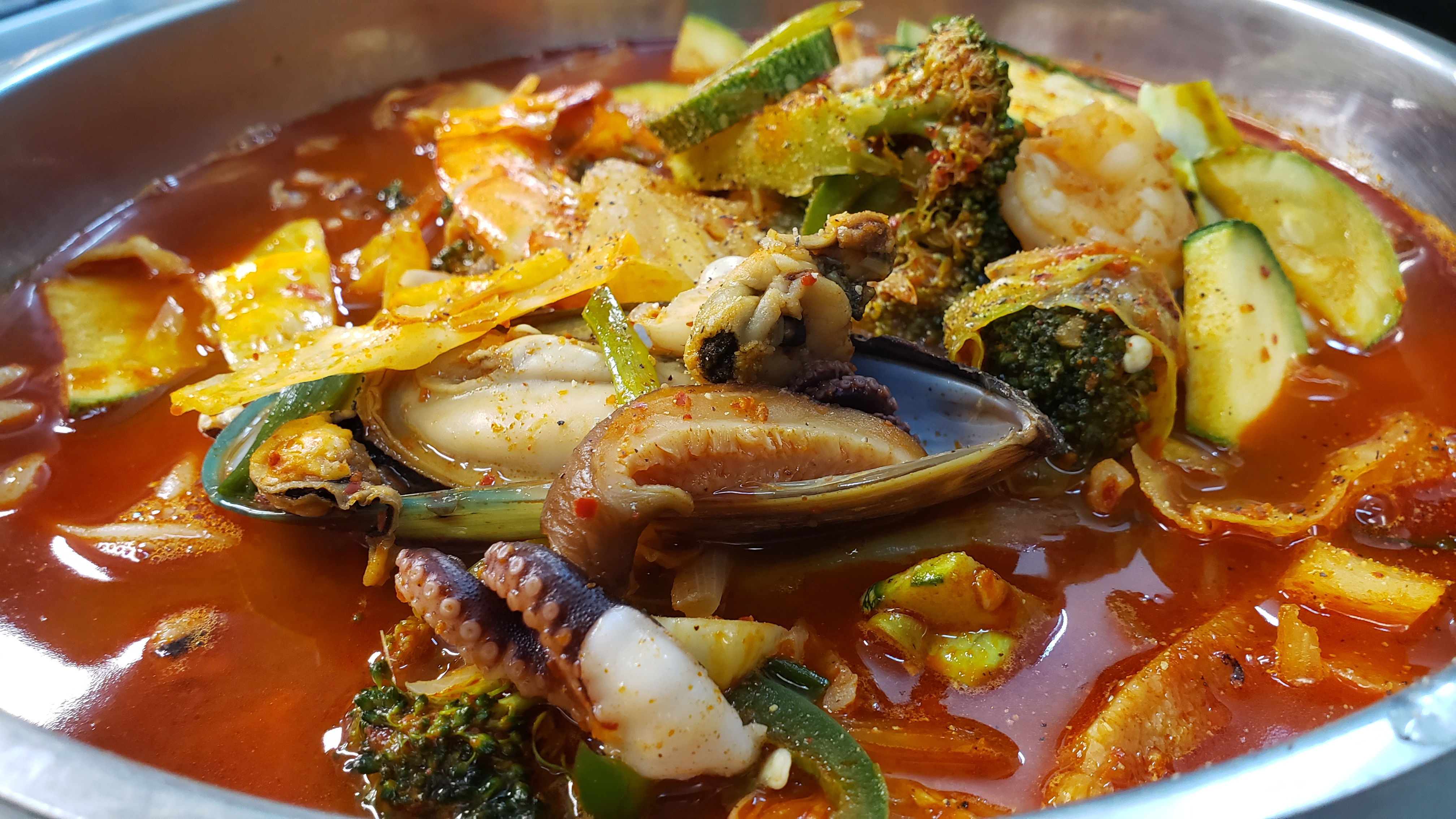
Image by hannaone: Jjamppong
Image by hannaone: Dashima-guk
Myeolchi-Dashima-Yuksu Anchovy Kelp Broth
Article by Gil "hannaone" © Copyright 2007-2026. All rights reserved.
멸치다시마육수 | myeolchi-dashima-yuksu
Myeolchi–Dashima Yuksu is a foundational stock used across Korean cooking, especially in soups and lighter braises. Made from dried anchovies and kelp, it delivers a clean, deep umami that strengthens the underlying flavor of any dish it supports. The broth can be used immediately for soups like miyeok‑guk, or simmered down, frozen in ice‑cube trays, and kept on hand as a quick flavor base whenever needed. We used this stock in our restaurant as a base or flavor addition for many of our menu items.
Soak time for the kelp (and dried shiitake): The longer it soaks, the deeper the flavor.
This recipe makes roughly 6 cups of concentrated broth.
Ingredients
Suggested Equipment
Large stock pot
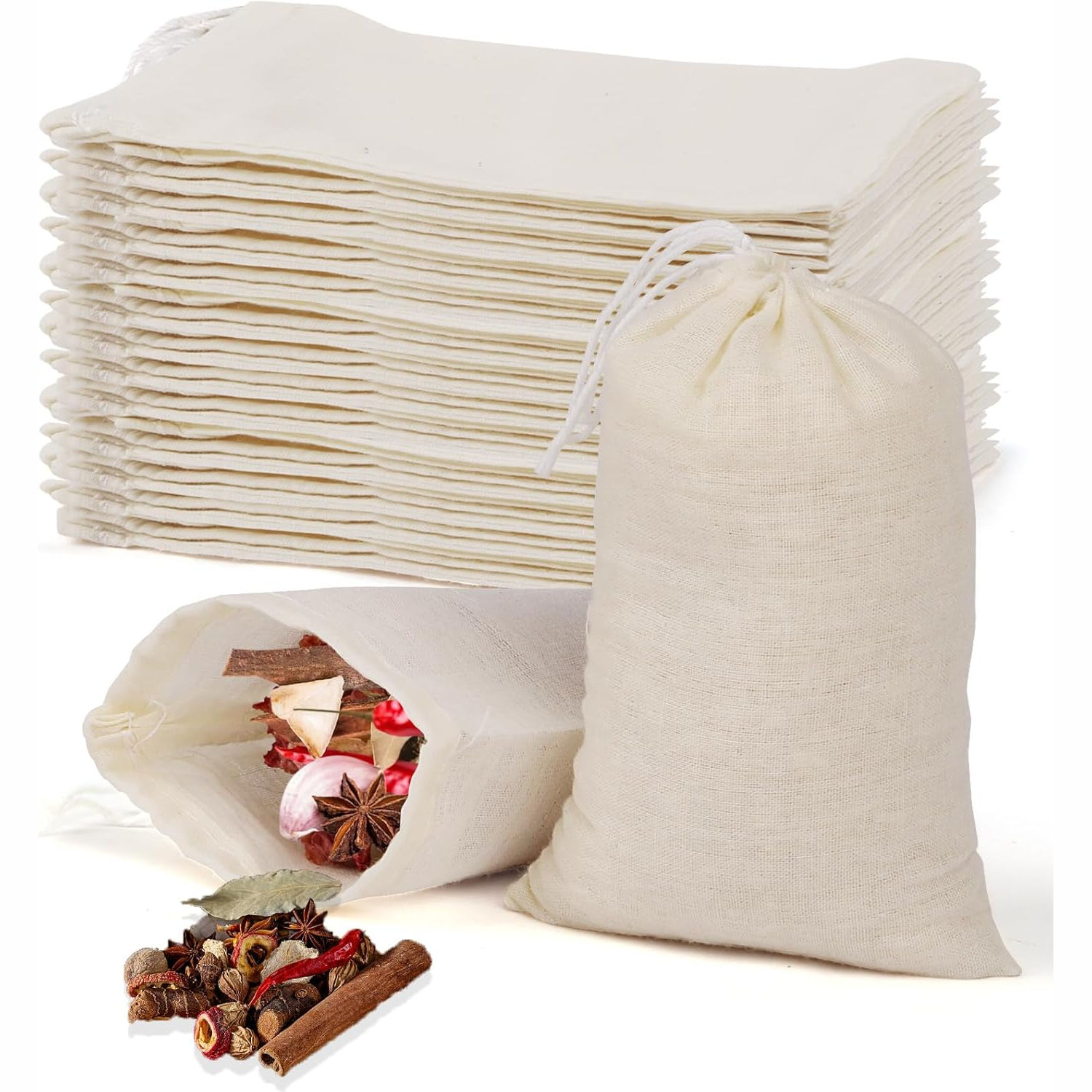
Large tea bag or tea ball strainer
Ice cube trays
Basic
12 cups water
1 ounce dried kelp
2 ounces dried anchovies (medium to large)
Deeper Flavor (Vegetarian)
1 ounce dried shiitake mushroom
Deeper Flavor (Beef)
2 ounces beef brisket (or other lean beef)
Optional
Sliced Korean or daikon radish
sliced white onion
Directions
Kelp
Fill stock pot with 12 cups of water
Soak the kelp in the water for at least an hour, up to overnight.
Mushroom (if used)
Toast in a dry pan for about two minutes, then place in the same water as the kelp and soak for 1 hour, up to overnight.
Anchovies
Pinch off the heads and the black line of the stomach from the anchovies, then put them in a dry skillet and toast over medium high heat for 2 minutes or so, stirring a couple of times.
Place in a large tea bag or tea ball.
Beef (if used)
Cut into thin slices.
Rinse under cold water.
Heat a very lightly oiled pan over medium high heat, add the beef to the hot pan and quickly sear both sides of each slice.
Optional Ingredients
Thin slice and quickly toast in a dry pan. Cut into pieces and add to the anchovy bag. (or use a second bag if needed)
Make the broth
Heat the water over medium heat until it comes to a slow boil.
Reduce heat to low, add the ingredient bag/ball with the anchovies. (add beef and mushroom now, if used)
Simmer for twenty to thirty minutes skimming oil or foam as needed.
Remove from heat if you will be using right away.
Remove kelp (and beef & mushrooms)* from stock.
Remove the seasoning bag and discard contents.
For concentrated stock place back on low heat and continue simmering, uncovered, until stock is reduced by half.
Remove concentrated stock from heat and let cool.
You can optionally strain the broth through a coffee filter or a filter strainer.
Pour into ice cube trays, freeze, then cover tightly (freezer bag or freezer wrap large enough for the ice tray. Label with contents, and store frozen up to 6 months.
Story Time
The origins of myeolchi‑dashima‑yuksu reach back to the Joseon Dynasty and the coastal fishing communities that relied on the sea for both sustenance and preservation. Korea’s surrounding waters offered an abundant supply of anchovies, making them an accessible, nutrient‑dense foundation for everyday cooking.
Using dried anchovies (myeolchi) and kelp (dashima) for broth grew naturally from these maritime traditions. Larger anchovies (dasi‑myeolchi) were prized for stock, while smaller varieties were eaten as side dishes. To preserve their catch, villagers and fishermen boiled fresh anchovies and then sun‑dried them, creating a lightweight, transportable ingredient that could travel inland and be stored for long periods.
From these practical methods emerged the clean, umami‑rich broth that remains a cornerstone of Korean soups, stews, and home cooking today
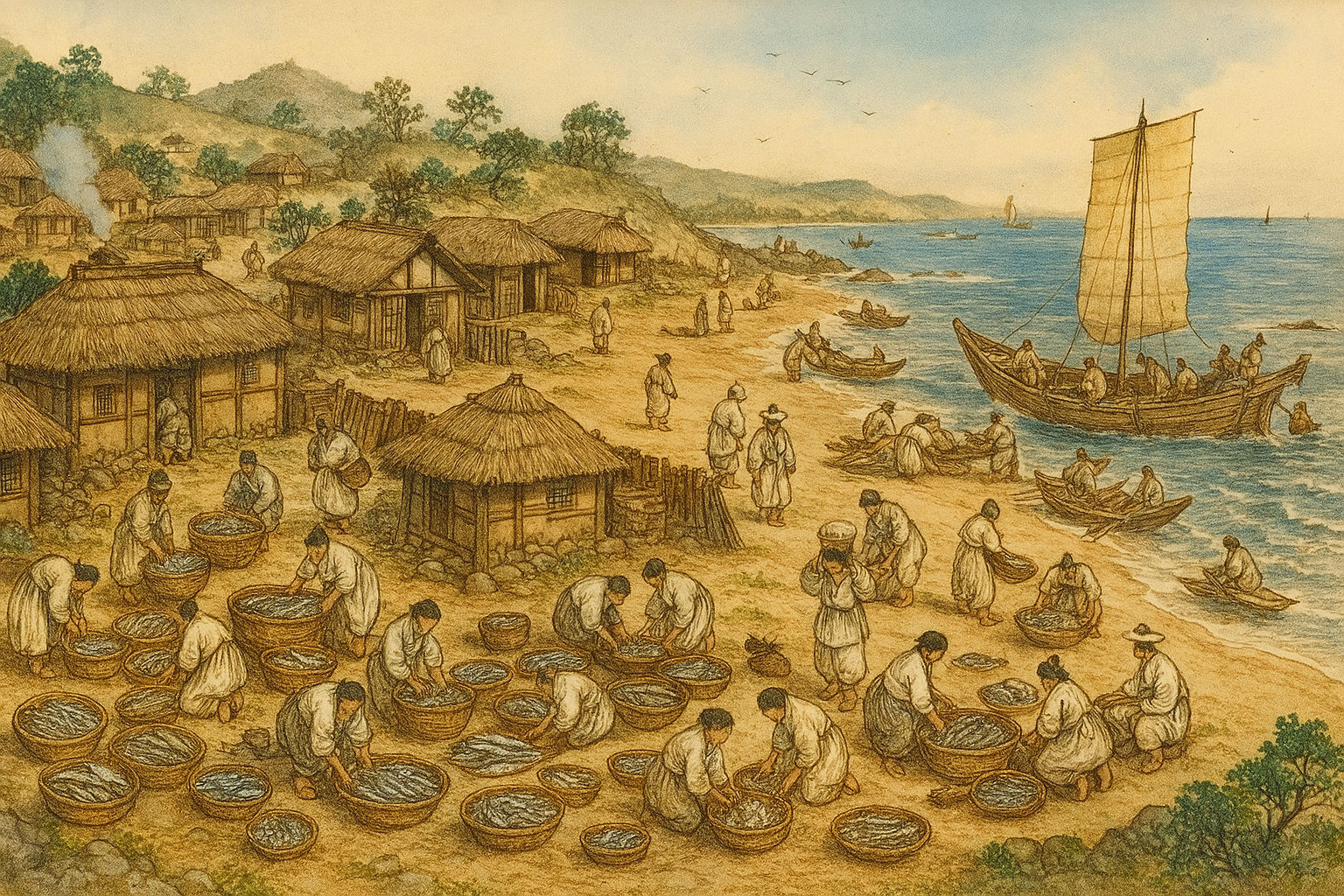
Image by hannaone and AI: Fishing Village
Through the years, Korea has developed a remarkable sea-based cuisine by drawing upon its historical influences. From salted fish and pickled seafood to fresh and dried dishes, the array of options is vast. Seafood holds a significant place in Korean culture and serves as a point of pride for its culinary heritage. The diverse flavors and methods of cooking showcase the country's vibrant culture and deep-rooted past.
Find it on Amazon! Purchases made through these links help support this site. As an Amazon Associate, we earn from qualifying purchases.


Comment?