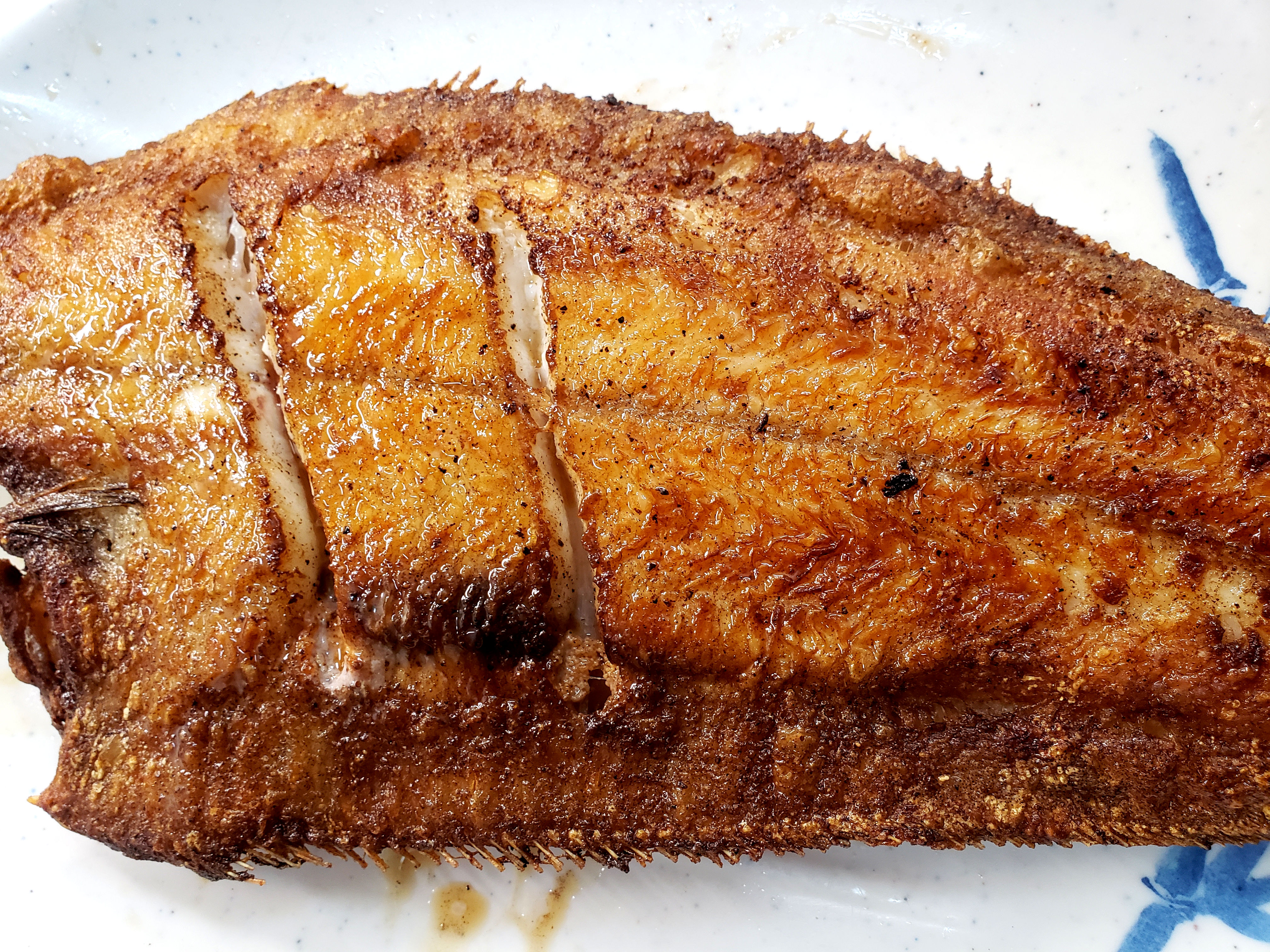
Image by hannaone: Gajaimi-gui
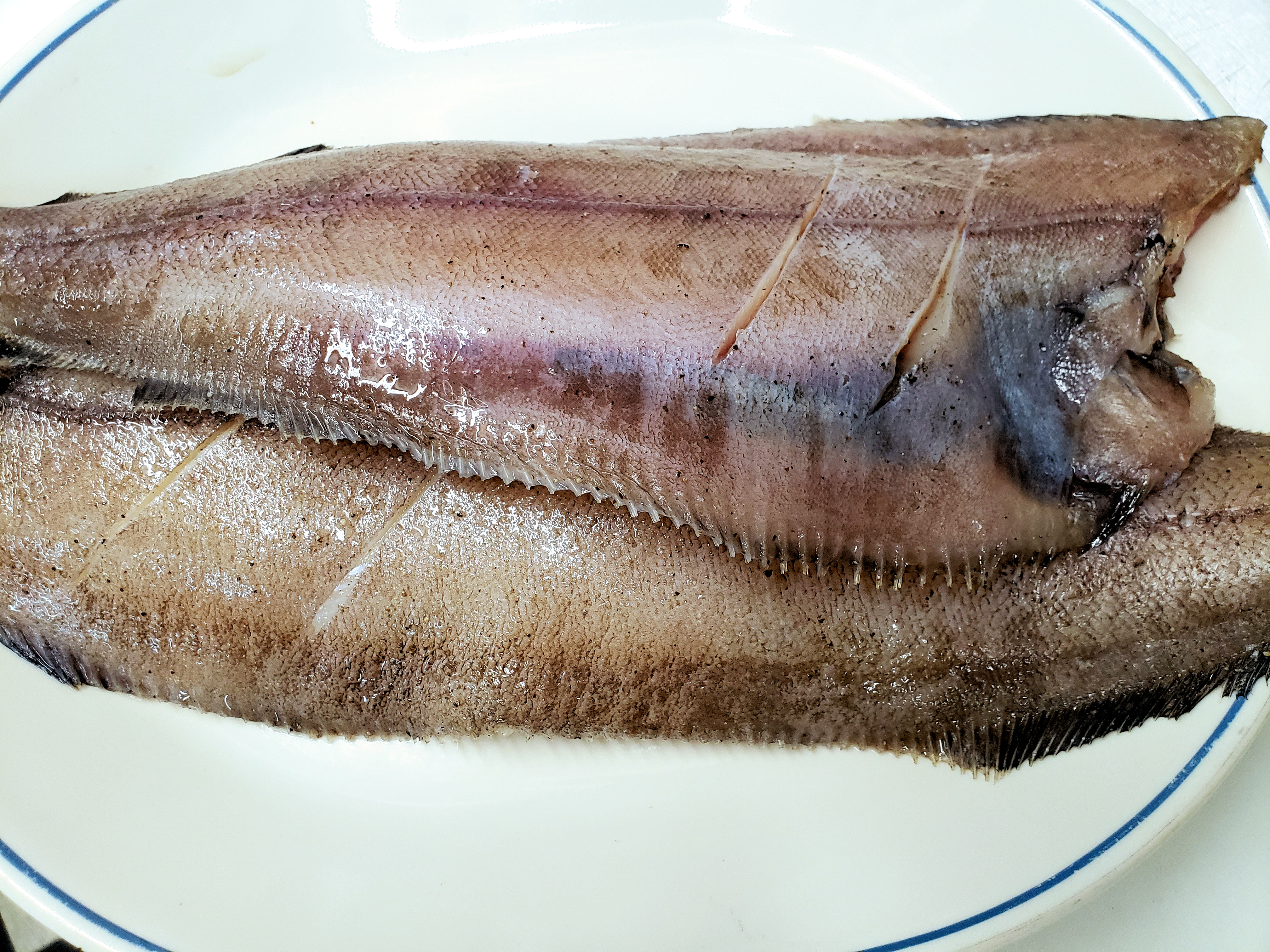
Image by hannaone: Seasoned gajaimi-gui
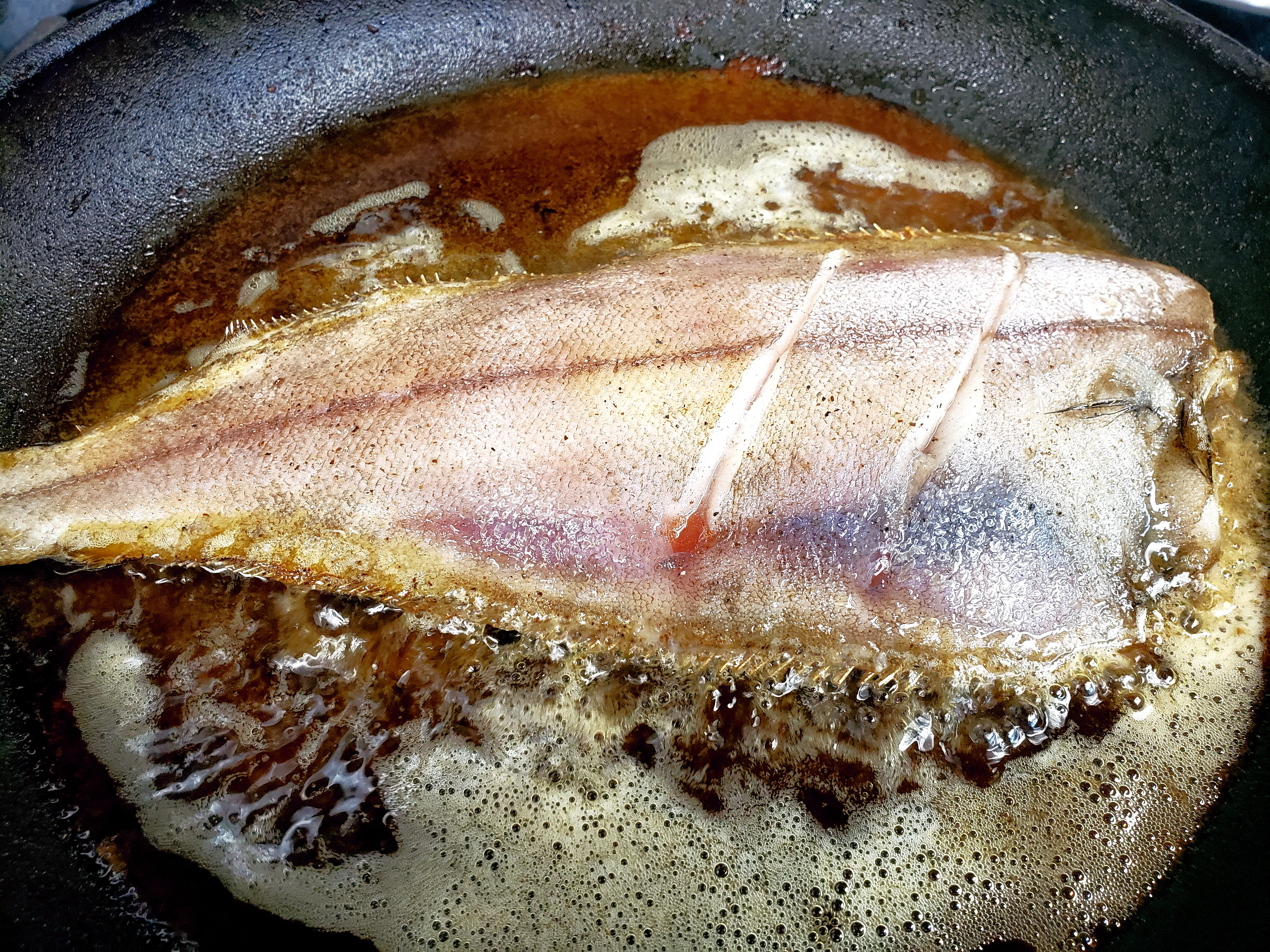
Image by hannaone: Cooking gajaimi-gui
Gajaimi-gui Pan Fried Flounder
Article by Gil "hannaone" © Copyright 2007-2026. All rights reserved.
가자미구이 | gajaimi-gui
가자미구이
Gajami-gui, fried flatfish or flounder, was a popular dish at our restaurants. Gajaimi-gui is often grilled but we opted for the pan fried version due to, in our opinion, a superior flavor profile.
Recipe Type: Korean, Seafood, Fish
Note: You can substitute halibut, sole, or any other flat fish
Ingredients:
1 head off, cleaned, whole flounder, about 1 pound
1/2 teaspoon salt
1/2 teaspoon black or white pepper
1 tablespoon sesame oil
1 1/2 tablespoon corn or potato starch
1 1/2 tablespoon sweet rice flour
Directions:
Rinse the flounder under cold running water.
Trim the fins and tail, scale the fish if needed, then rinse again under cold water.
Use a paper towel to blot dry.
Rub the sesame oil into the fish on both sides.
Lightly salt and pepper each side of the fish, then dust with starch.
Cover with paper towel and place in the refrigerator over night.
Cook:
Dust both sides of the fish with the rice flour.
Pour enough cooking oil into a large fry pan to cover the bottom of the pan.
Gently place one fish into the pan, top (darker) side down and fry until golden brown, about five to eight minutes. Use a splatter shield if you have one.
Flip the fish, lower the heat to low, and cook about eight to ten minutes.
Increase heat to medium high and cook another two to three minutes until golden brown.
Serve hot with steamed rice and a banchan array and optionally drizzled with a spicy seasoned soy sauce.
Seasoned soy sauce
1 tablespoon soy sauce
1 teaspoon vinegar (substitute lemon or lime juice)
1/2 teaspoon honey
1/2 teaspoon coarse gochugaru (red pepper flakes)
1/2 teaspoon sesame oil
Use a whisk and whip all ingredients together in a small bowl. Let stand about fifteen minutes, whip again, and drizzle over the fish.
Story Time
Flounder is a white meat fish with a mild, delicate, somewhat sweet flavor. When cooked, it has a flaky texture and is often used in western dishes like fish and chips or as a substitute for other white fish.
Image by hannaone and AI: Fishing Village
A modern boost in popularity may have come in the early 1970s, when a Namdaemun restaurant called Huirak began serving its own version of Galchi‑jorim, helping introduce the dish to a wider Seoul audience and cementing it as a beloved everyday classic.
Find it on Amazon! Purchases made through these links help support this site. As an Amazon Associate, we earn from qualifying purchases.


Comment?