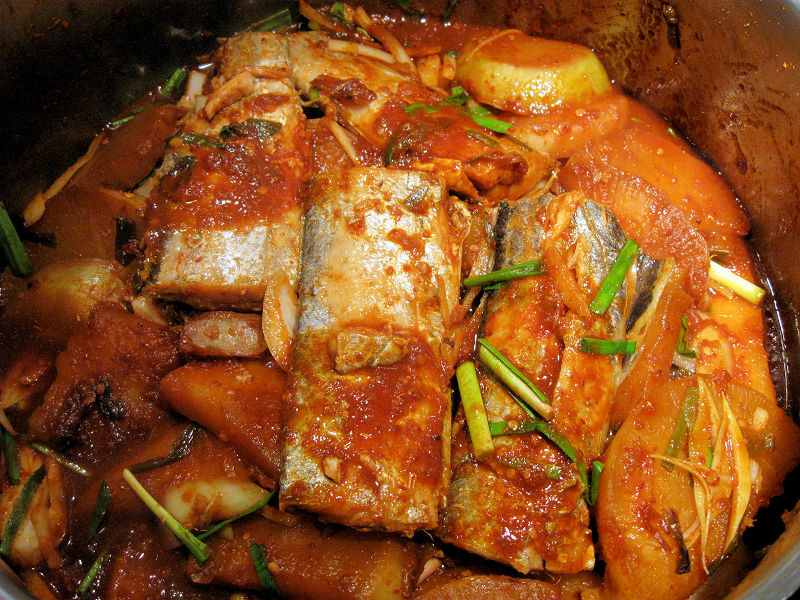
Image by hannaone: Galchi-jorim
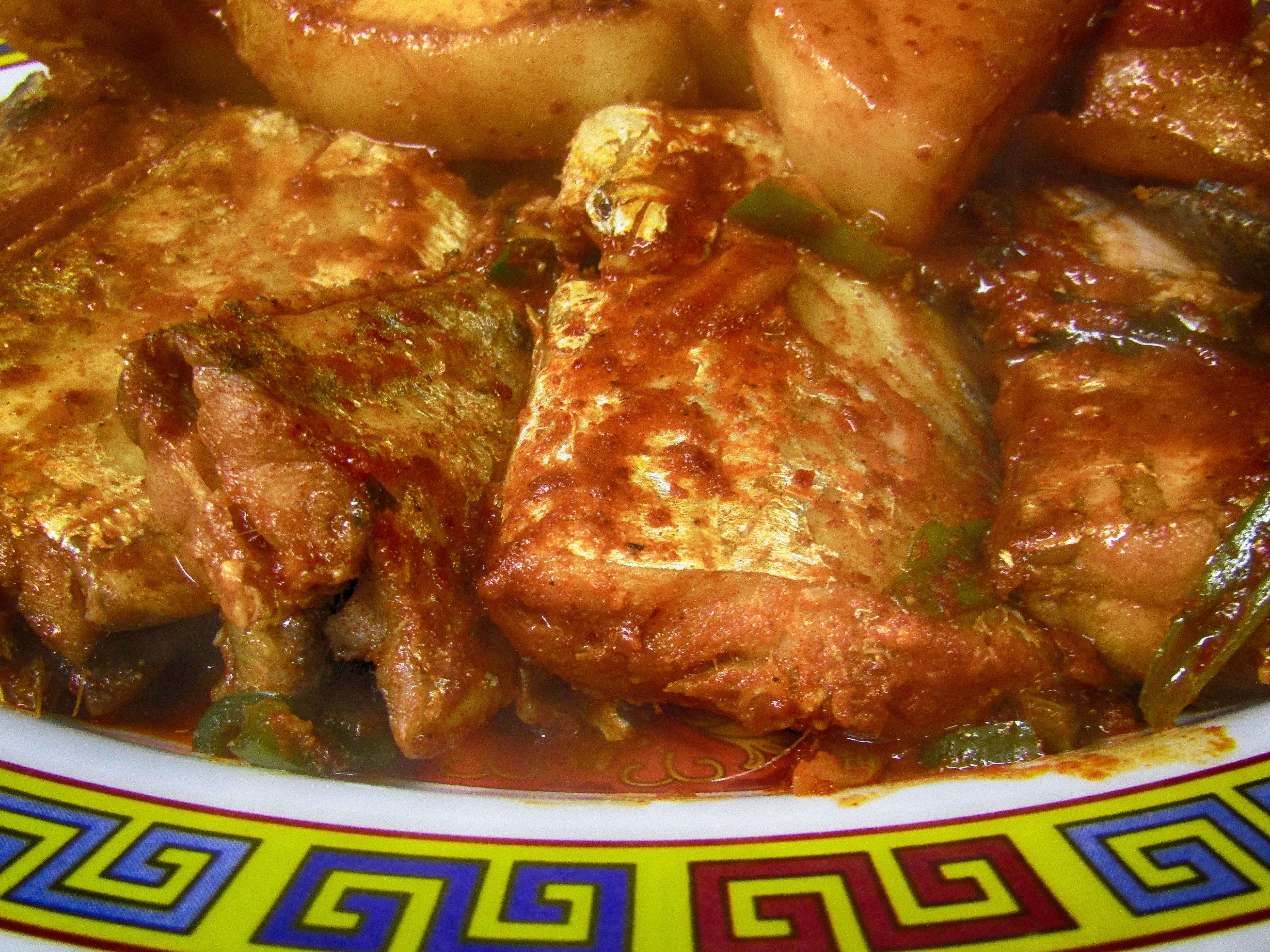
Image by hannaone: Oi Naengguk
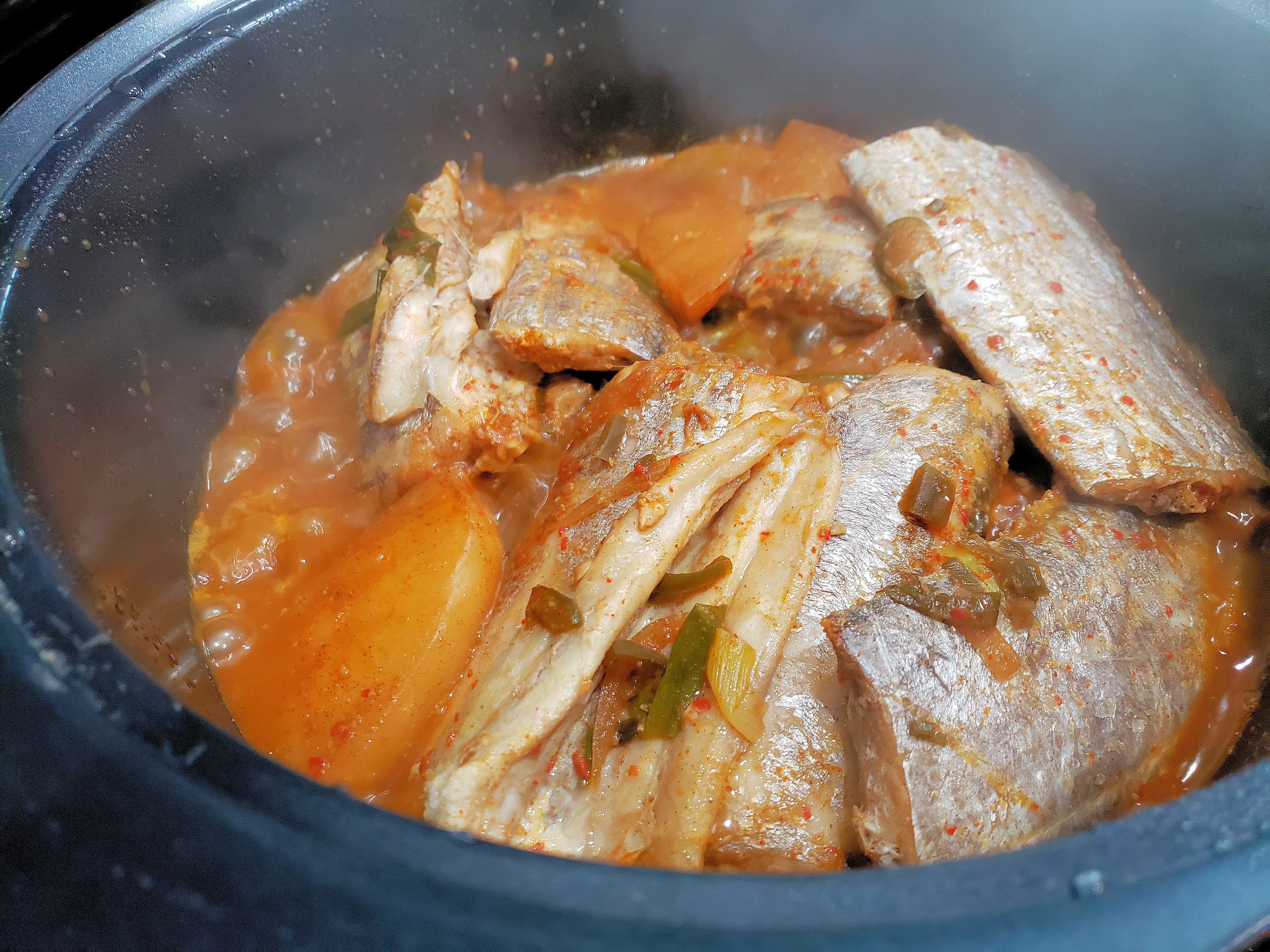
Image by hannaone: Cooking galchi-jorim
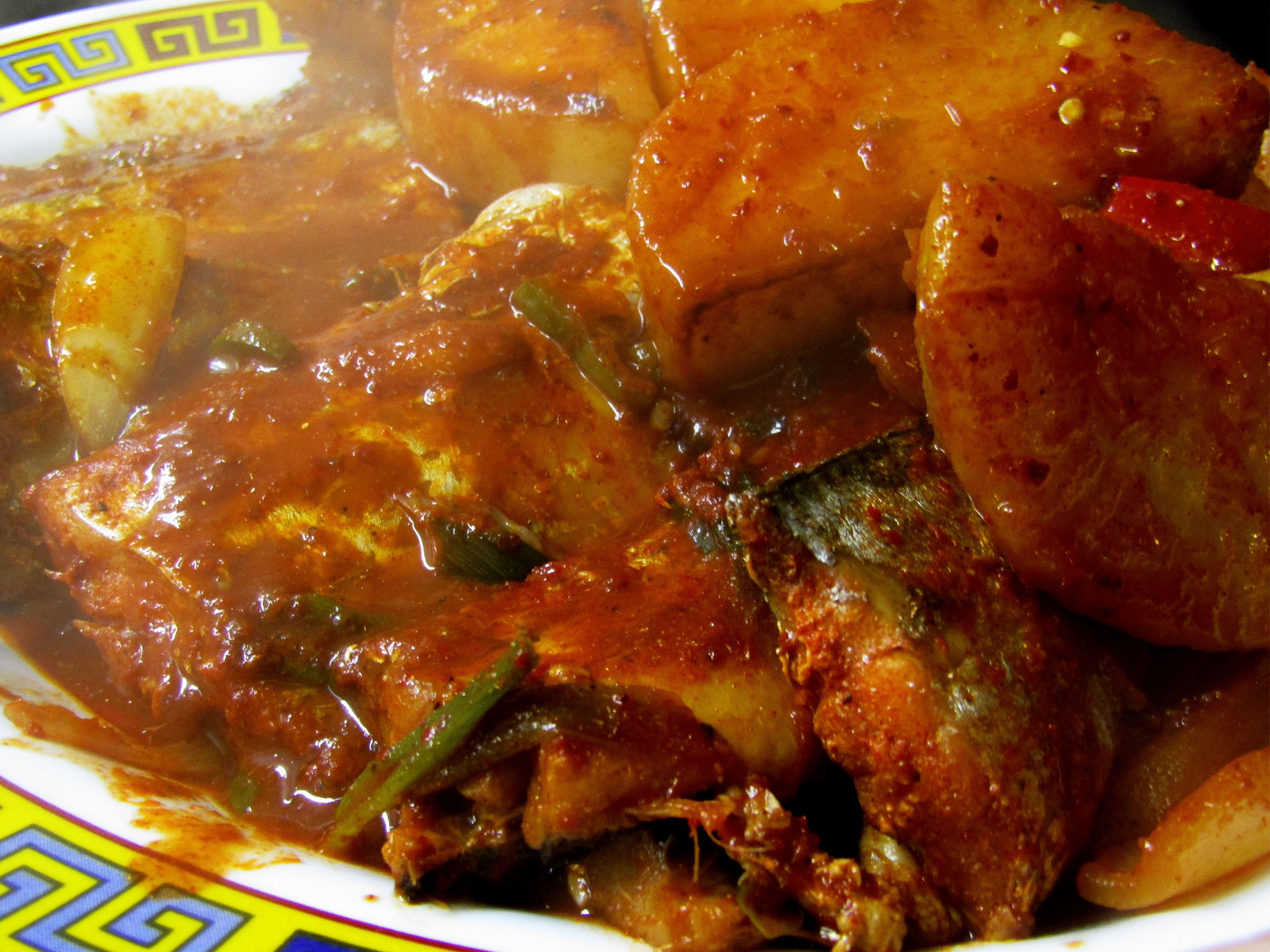
Image by hannaone: Galchi-jorim
Galchi-jorim Braised Beltfish
Article by Gil "hannaone" © Copyright 2007-2026. All rights reserved.
갈치조림 | galchi-jorim
갈치조림
Galchi (largehead hairtail) used to be a common and inexpensive fish in Korea until it was overfished, affecting its breeding. Now, galchi is considered a delicacy and is often imported from other countries into Korea. Its tender, white flesh makes it perfect for simmering in rich, savory flavors.
This dish is a comforting and flavorful braise that pairs wonderfully with rice and other Korean side dishes.
Ingredients
12 oz galchi
6 oz Mu (Korean or Daikon Radish)
1 small onion, thick sliced
1 teaspoon salt
3 oz potato (optional)
Broth
1/2 oz dried anchovies
1/2 oz Kombu (dried kelp)
1 1/2 cup water
Sauce
1/4 cup soy sauce
2 tablespoons Soju or Rice wine
1 tablespoon honey
2 tablespoons fine ground gochugaru (chili pepper powder)
1 tablespoon coarse ground gochugaru (dried chili pepper flakes)
1 tablespoon sugar
2 teaspoons sesame oil
1/2 teaspoon kaesoogeum (sesame salt)
1/2 teaspoon black pepper
3 cloves garlic
1/2 oz peeled ginger
Garnish
1 medium green onion
1 red chili pepper
1 green chili pepper
Directions
If the galchi is whole - clean and scale the fish, then cut into pieces about 1 1/2 inches long.
Pre-cleaned and cut galchi - simply rinse in cold water.
Very lightly salt the galchi and let stand 5 minutes.
Cut the radish (and optional potato) into thick rectangular pieces.
Slice the chili peppers and green onion diagonally (on a bias).
Fine chop (mince) the garlic and ginger.
Mix all sauce ingredients together and let stand.
Broth
Soak the kelp in a pot with 1 1/2 cups water for about an hour.
Toast the anchovies in a dry pan (no oil) over medium high heat for two to three minutes, shaking the pan a couple of times.
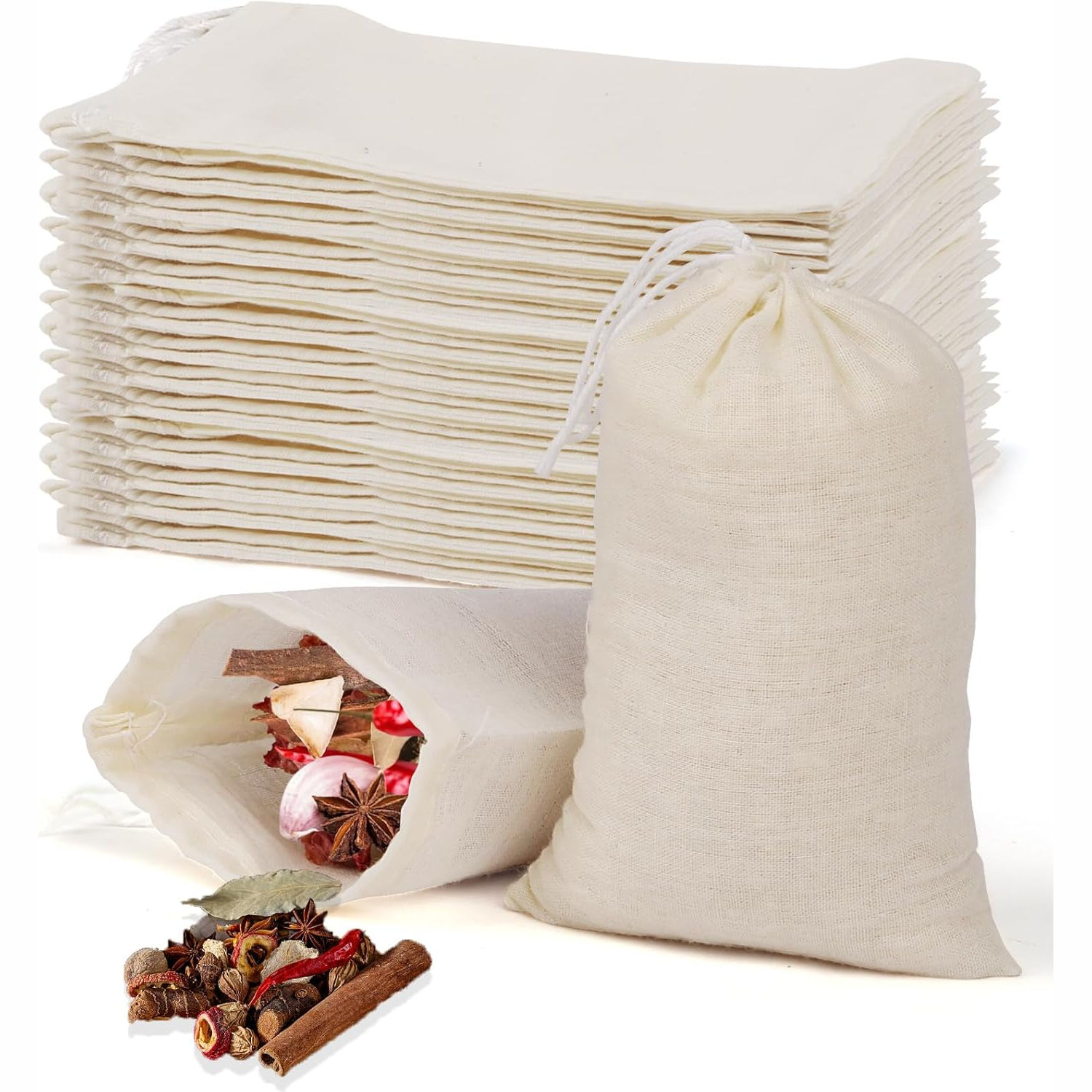
Place the anchovies in a spice bag then put the bag in the pot of soaking kelp.
Heat over medium heat and simmer about 20 to 30 minutes.
Remove and discard the anchovies.
Remove the kelp, slice into narrow strips, and set aside.
Cooking
Set heat to medium low.
Place the radish pieces (and potato) in the pot of kelp broth and simmer for about 10 minutes.
Place the galchi pieces in a layer on top of the radish pieces.
Pour the sauce over the top of the galchi.
Bring the mixture back to a simmer, cover (leaving a small amount of space for steam to escape) and cook until the liquid is reduced by about half (about twenty to thirty minutes).
Occasionally ladle the broth over the galchi, but do not stir.
Place the sliced kelp, green onion, and chili slices on top of the galchi, cover tightly, and cook for two to three more minutes.
Serve hot with steamed rice and banchan.
Story Time
Galchi‑jorim has long been a staple in coastal regions where hairtail—also known as beltfish—was plentiful. Early versions were gently seasoned, built on a soy‑based braising liquid that highlighted the fish’s natural sweetness. As Korean cooks embraced chili peppers in later centuries, the dish gradually transformed into the bold, spicy rendition most people know today. It’s a perfect example of how regional abundance and shifting tastes shaped the evolution of everyday Korean home cooking.
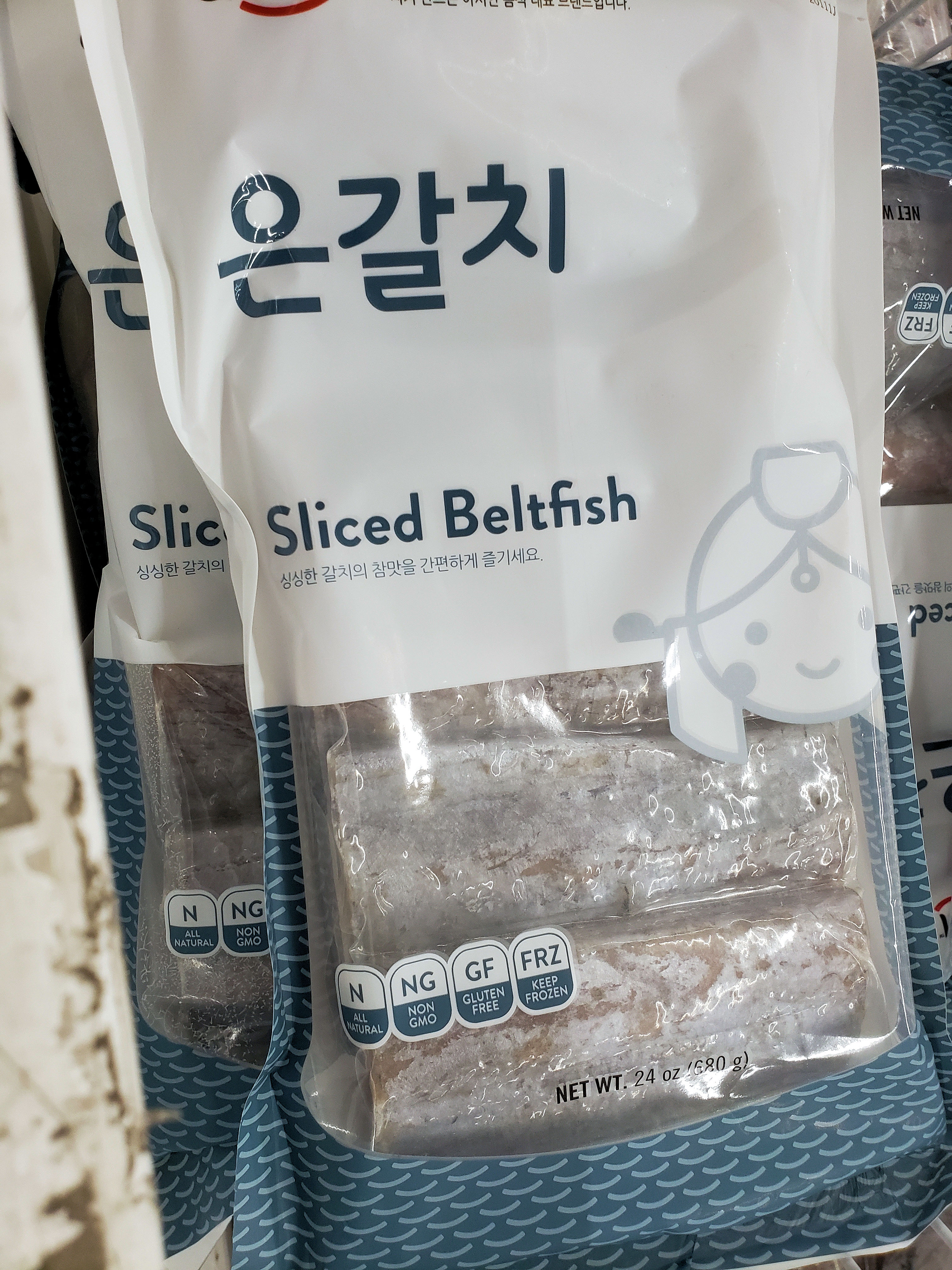
Image by hannaone: Packaged beltfish
A modern boost in popularity may have come in the early 1970s, when a Namdaemun restaurant called Huirak began serving its own version of Galchi‑jorim, helping introduce the dish to a wider Seoul audience and cementing it as a beloved everyday classic.
Find it on Amazon! Purchases made through these links help support this site. As an Amazon Associate, we earn from qualifying purchases.


Comment?