Book of Weight Equivalents
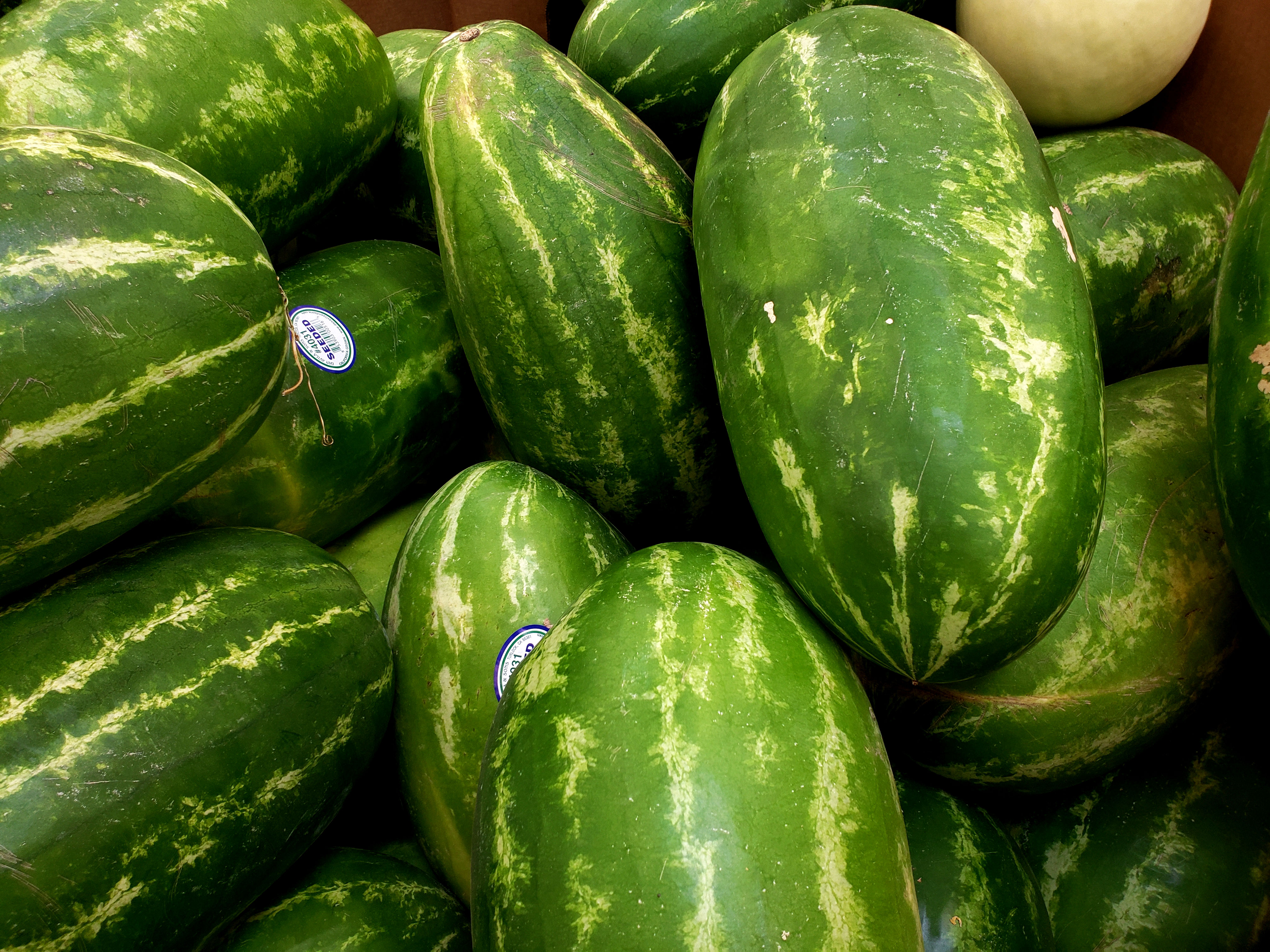
Image from Pixabay: Watermelon
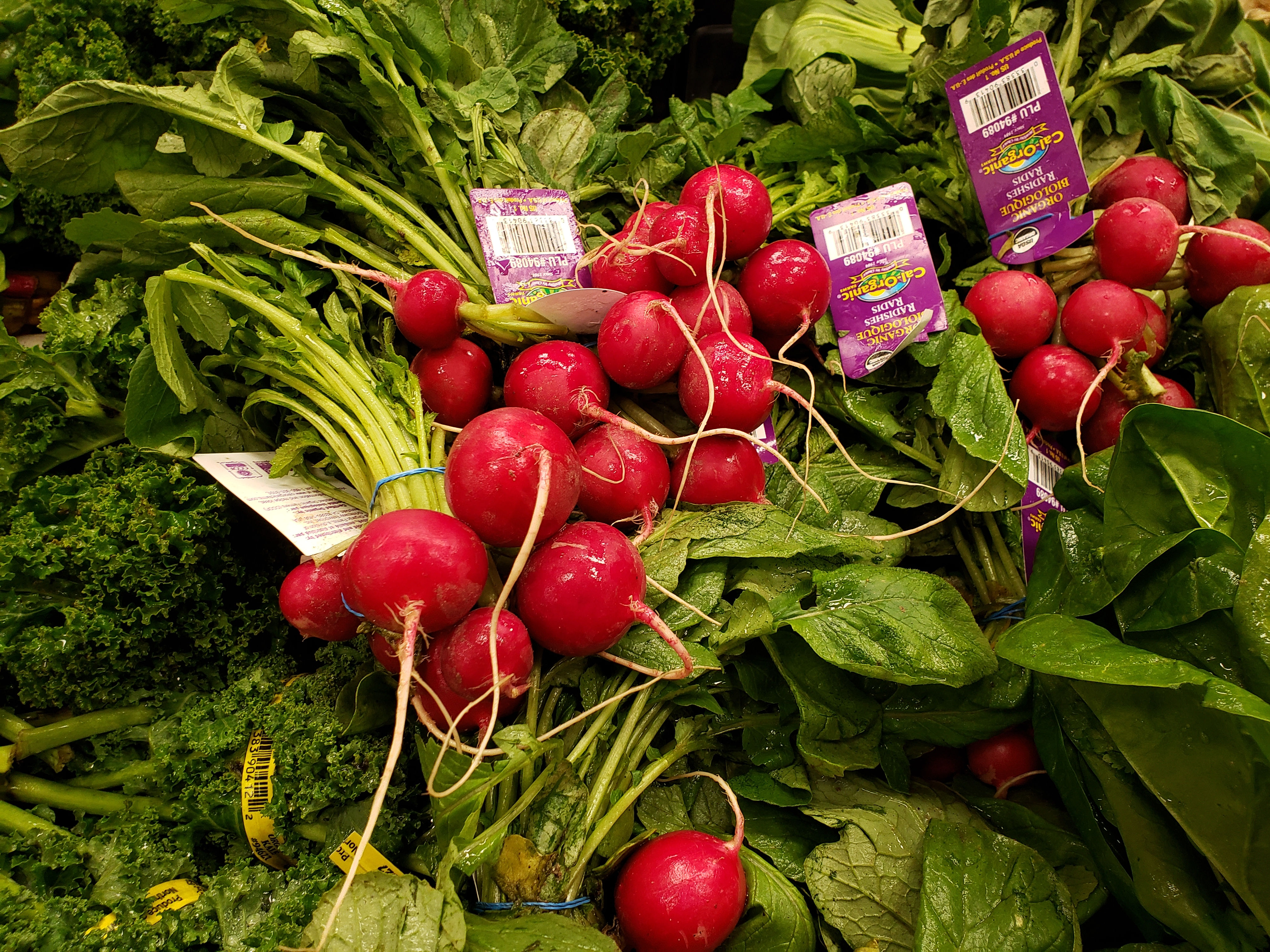
Image by hannaone: Red Radish
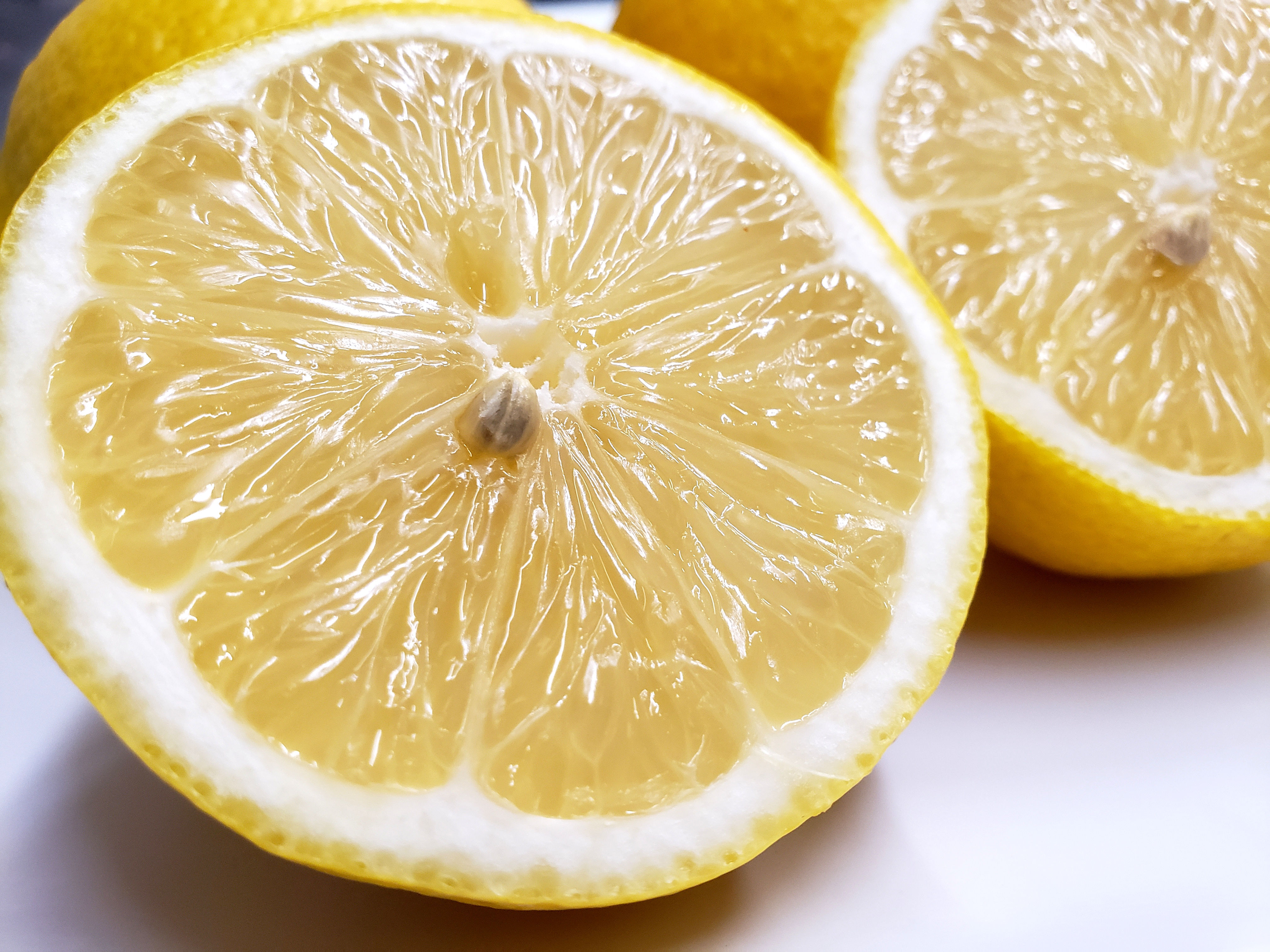
Image by hannaone: Lemon
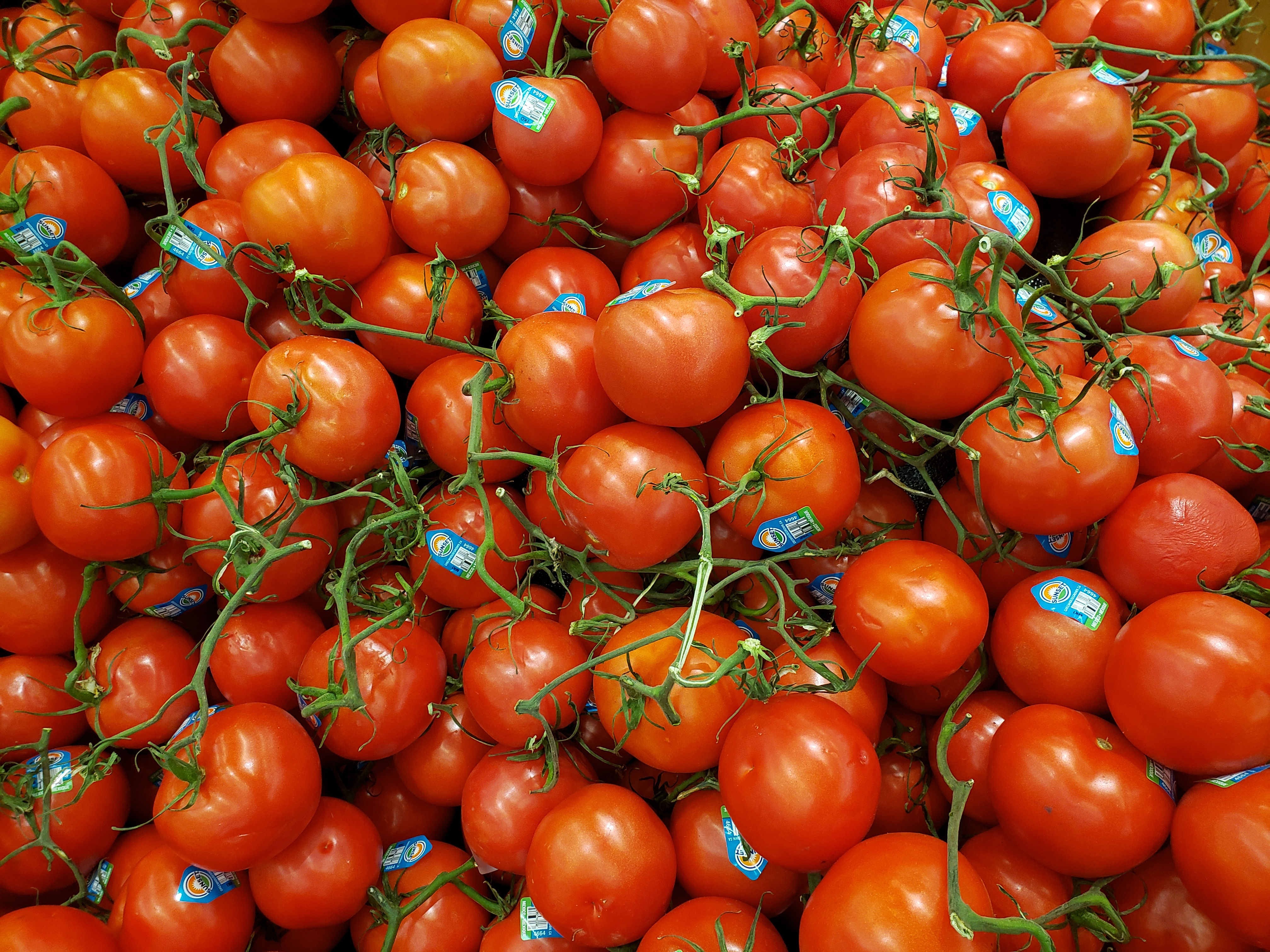
Image by hannaone: Tomatoes
Weight Equivalents Kitchen Weights and Measures
Article by Gil "hannaone" © Copyright 2007-2026. All rights reserved.
Measurements in recipes can vary widely, and some rely on terms that aren’t immediately clear. This section compiles average U.S. weights, sizes, and essential nutrition information for numerous foods, along with brief notes on their origins, uses, and common substitutes. It serves as a dependable reference for cooks, researchers, and anyone seeking accuracy in the kitchen.
Almonds
Ambrosia Melon
Apples
Apricot
Asparagus
Avocado
Banana
Beans
Blueberries
Brazil Nuts
Broccoli
Brussel sprouts
Burdock Root
Butter
Cabbage
Cantaloupe (American)
Carrots
Casaba
Cashews
Cauliflower
Celery
Chayote
Cherries
Chives
Cooking Oils
Corn
Corn Flour
Cucumber
Doraji
Eggs
Flour (Wheat)
Measurement Tables
Garlic
Gochugaru
Gochujang
Grapefruit
Grapes
Green Onions
Honeydew
Korean Pear
Lemons
Lettuce
Limes
Milk
Mung Beans
Mushrooms
Onions
Oranges
Peaches
Peas
Pineapples
Plums
Pomegranate
Potatoes
Radish
Raspberries
Shrimp
Spinach
Squash
Starches
Strawberries
Sugar
Tomatoes
Watermelon
Weight Equivalents
Core Purpose: A quick‑reference guide to the average weights, sizes, and basic nutrition information of common foods and cooking ingredients—useful whenever you need to know how much something weighs.
Image: Book of Weight Equivalents and Food Facts
Categories Covered:
• Produce: Fruits and vegetables such as apples, avocados, broccoli, garlic, onions, potatoes, tomatoes, and watermelon.
• Pantry Staples: Flour, sugar, starches, butter, milk, eggs, and other essentials.
• Nuts & Beans: Almonds, cashews, Brazil nuts, and assorted beans.
• Specialty/Korean Ingredients: Key items like gochugaru, gochujang, and doraji.
Check out Wooltari for Korean food and gifts!
Find it on Amazon! Purchases made through these links help support this site. As an Amazon Associate, we earn from qualifying purchases.


Comment?