Book of Weight Equivalents
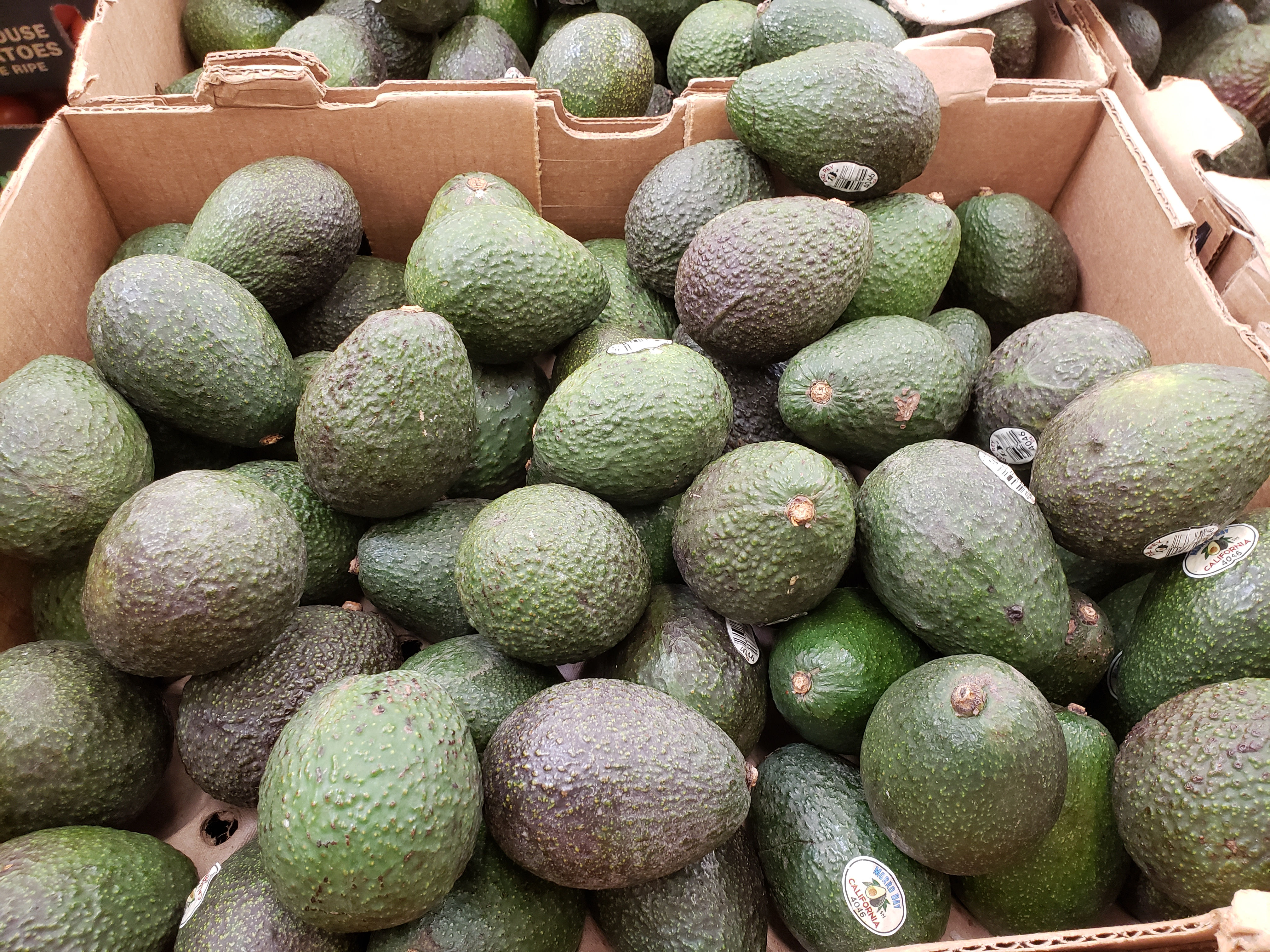
Image by hannaone: Avacados
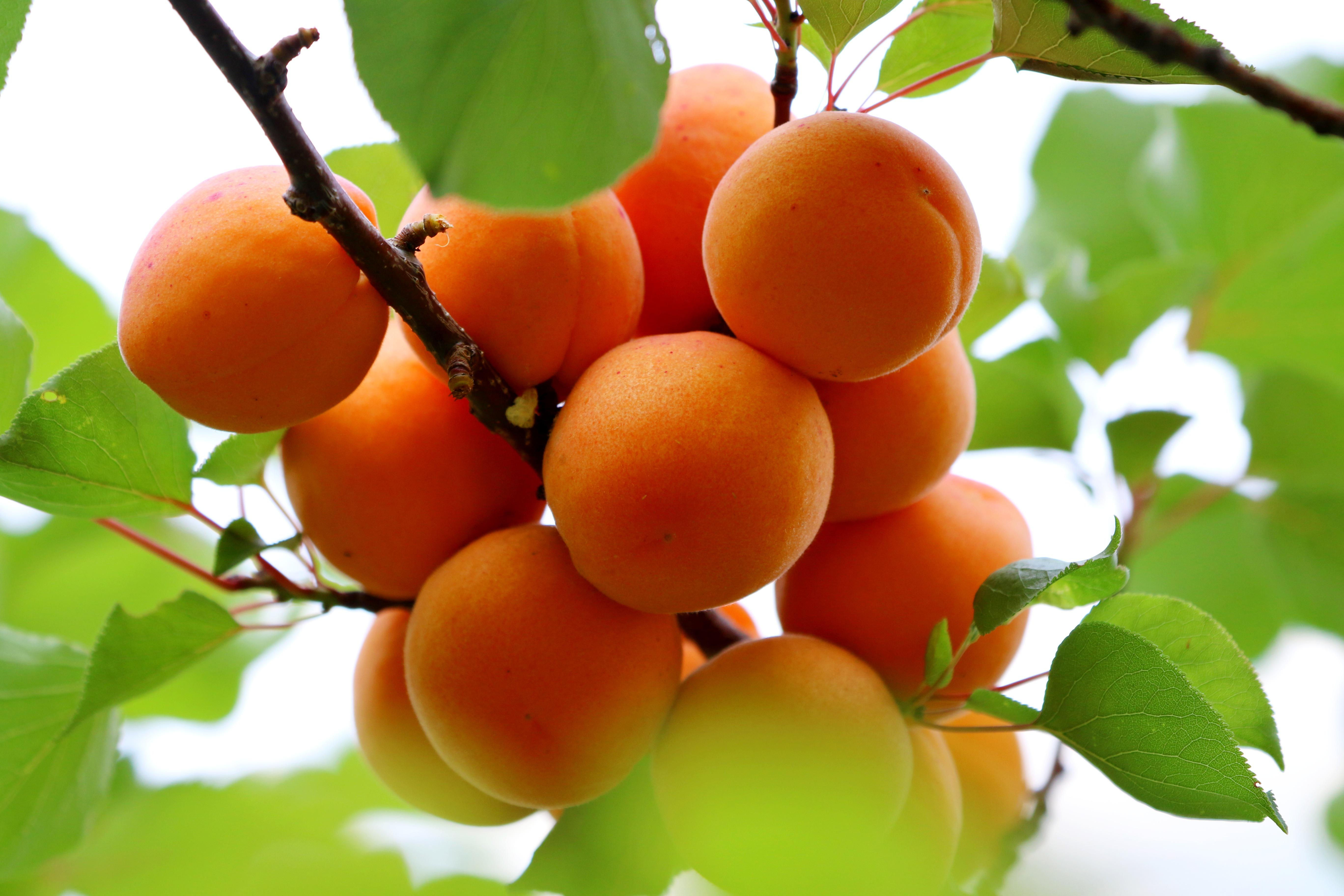
Image from Pixabay: Apricots
Weight Equivalents: Avocado
Article by Gil "hannaone" © Copyright 2007-2026. All rights reserved.
Possibly the most nutrient dense food in the world, avocados have become increasingly popular in recent years. With their creamy texture and mild flavor, avocados can be incorporated into a variety of dishes, making them a versatile ingredient for any meal. Native to Central America, avocados are now grown in many different countries and have even earned the nickname "alligator pear" due to their rough skin and pear-like shape. Despite being high in fat, avocados are often praised for their numerous health benefits and are a staple in many diets around the world.
Origin and History:
Avocados are native to the Americas, particularly Mexico, Central America, and parts of South America.
They have been cultivated for thousands of years. The earliest evidence of avocado use dates back to around 10,000 years ago in what is now Mexico.
The Aztecs and Mayans valued avocados highly, and they spread throughout the Americas. The word "avocado" comes from the Nahuatl (Aztec) word "ahuacatl," which also means testicle, referencing the fruit's shape.
In the 20th century, avocados were introduced to other parts of the world, including California, which is now one of the largest avocado producers.
Varieties:
There are several varieties of avocados, but the most common ones include:
• Hass Avocado: The most popular variety, known for its creamy texture and rich flavor. It has a dark, bumpy skin.
• Fuerte Avocado: Has a smooth, thin skin and a mild, buttery flavor. It is usually available in the winter.
• Bacon Avocado: Has a lighter green, smooth skin and a mild flavor. It is less creamy than the Hass variety.
• Pinkerton Avocado: Known for its long shape and small seed, with a creamy flesh and slightly rough skin.
• Reed Avocado: A large, round avocado with a thick, green skin and buttery texture.
Uses:
Avocados are incredibly versatile and can be used in various dishes, such as:
• Guacamole: A popular dip made from mashed avocados, lime juice, onions, tomatoes, cilantro, and seasonings.
• Salads: Avocado slices or cubes add a creamy texture and rich flavor to salads.
Smoothies: Avocados can be blended into smoothies for added creaminess and nutrition.
• Toast: Avocado toast has become a trendy breakfast option, often topped with various ingredients like eggs, tomatoes, or smoked salmon.
• Desserts: Avocados can be used in desserts like avocado chocolate mousse or ice cream.
Substitutes:
If you need a substitute for avocado, you can try:
• Hummus: Provides a creamy texture and is rich in nutrients.
• Mashed peas: Similar in texture and color, with a slightly different flavor.
• Greek yogurt: Can be used in smoothies or as a spread for a similar creaminess.
• Nut butters: Almond or cashew butter can work in certain recipes.
Health Benefits:
Avocados are packed with nutrients and offer numerous health benefits, including:
• Healthy Fats: Rich in monounsaturated fats, which can help reduce bad cholesterol levels.
• Fiber: High in fiber, aiding in digestion and promoting a feeling of fullness.
• Vitamins and Minerals: A great source of vitamins C, E, K, and B-6, as well as folate, magnesium, and potassium.
• Antioxidants: Contains antioxidants like lutein and zeaxanthin, which are beneficial for eye health.
• Heart Health: The combination of healthy fats, fiber, and potassium can support heart health by lowering blood pressure and reducing inflammation.
How much does an Avocado weigh?
| Avocado | |||
|---|---|---|---|
| Measure | Size / State | Grams | Ounces |
| Avocado |
Average |
201g | 7.1oz |
| Cup |
cubed |
150g | 5.3oz |
| Cup |
pureed |
230g | 8.1oz |
| Cup, |
Sliced |
146g | 5.1oz |
Ounces shown are rounded up or down to the nearest tenth of an ounce.
| Avocado - Florida | |||
|---|---|---|---|
| Measure | Size / State | Grams | Ounces |
| 1 fruit | Xtra Large | 864.66 | 30.5 oz |
| 1 fruit | Large | 637.86 | 22.5 oz |
| 1 fruit | medium | 496.12 | 17.5oz |
| 1 fruit | small | 354.37 | 12.5 oz |
| Cup |
cubed |
150g | 5.3oz |
| Cup |
pureed |
230g | 8.1oz |
| Cup, |
Sliced |
146g | 5.1oz |
Conversion from grams to ounce: 28.3495231g (rounded to 28.35)= 1 oz
Ounces shown are rounded up or down to the nearest tenth of an ounce.
| |||||||||||||||||||||||||||||||||||||||||||||||||||||||||||||||
| |||||||||||||||||||||||||||||||||||||||||||||||||||||||||||||||
Weights: Avocados
🥑 Did You Know? Avocado Edition
Avocados first emerged in ancient Mesoamerica over 10,000 years ago. Once dependent on giant prehistoric mammals for seed dispersal, this creamy, nutrient‑dense fruit has evolved into a global culinary icon.
🇲🇽 Mexico: The Avocado Capital of the World
• Top Producer: Mexico grows about 29% of the world’s avocados, yielding roughly 2.4 million tons each year.
• Heavy Consumption: Mexicans eat an average of 24 lbs per person annually—nearly 50 avocados each.
• Ancient Origins: The Aztecs called the fruit ahuacatl (“testicle”) and invented guacamole, centuries before it became a U.S. game‑day staple.
🇺🇸 United States: The Global Trendsetter
• The Hass Story: About 95% of avocados eaten in the U.S. are Hass. The variety was patented in 1935 by Rudolph Hass, a California postal worker who grew the original tree from seed.
• Commercial Hub: San Diego County has long been the heart of U.S. avocado production, historically supplying 40% of California’s crop.
• Super Bowl Surge: Americans devour more than 70 million pounds of avocados on Super Bowl Sunday alone.
🇪🇺 Europe: Sweet & Savory Shifts
• A Sweet Treat: While the Americas lean savory, many European and Asian cultures enjoy avocados as dessert—blended with sugar, condensed milk, or added to smoothies.
• Rising Demand: Consumption across Europe continues to climb, fueled by vegan and vegetarian diets and a growing appetite for healthy fats.
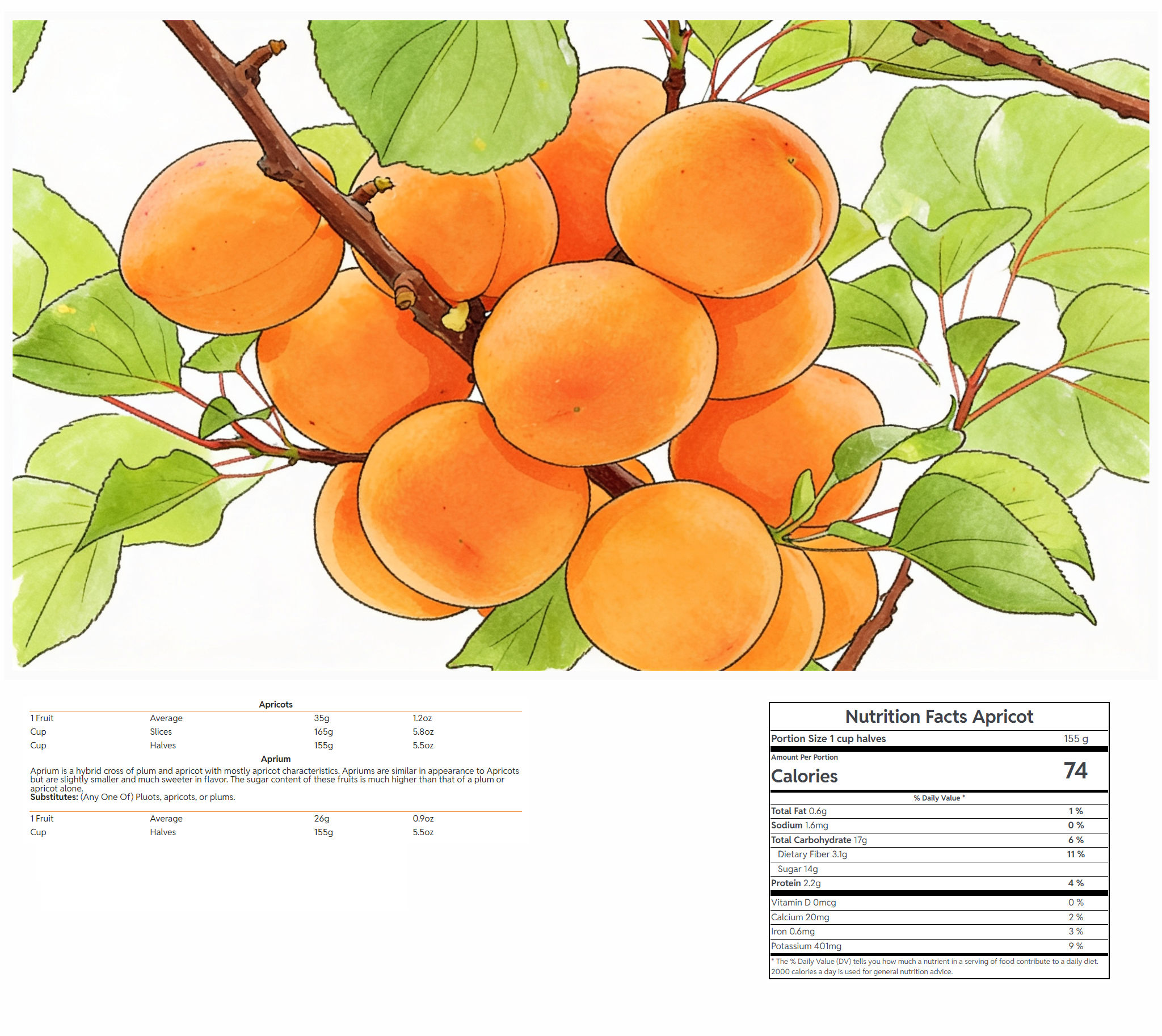
Image: Apricot Card
🌍 Global Quirks & Fun Facts
• Prehistoric Survivors: The avocado’s oversized seed evolved to be swallowed whole by extinct megafauna like mastodons and giant sloths.
• Human cultivation likely saved the species from disappearing.
• Nutritional Powerhouse: One avocado contains more potassium than a large banana, plus abundant fiber and heart‑healthy monounsaturated fats.
• Not a Vegetable: Botanically, the avocado is a large, single‑seeded berry.
• The “Alligator” Name: Early English traders misheard aguacate and dubbed them “alligator pears” for their bumpy green skin and pear‑like shape.
Check out Wooltari for Korean food and gifts!
Find it on Amazon! Purchases made through these links help support this site. As an Amazon Associate, we earn from qualifying purchases.


Comment?