Book of Weight Equivalents
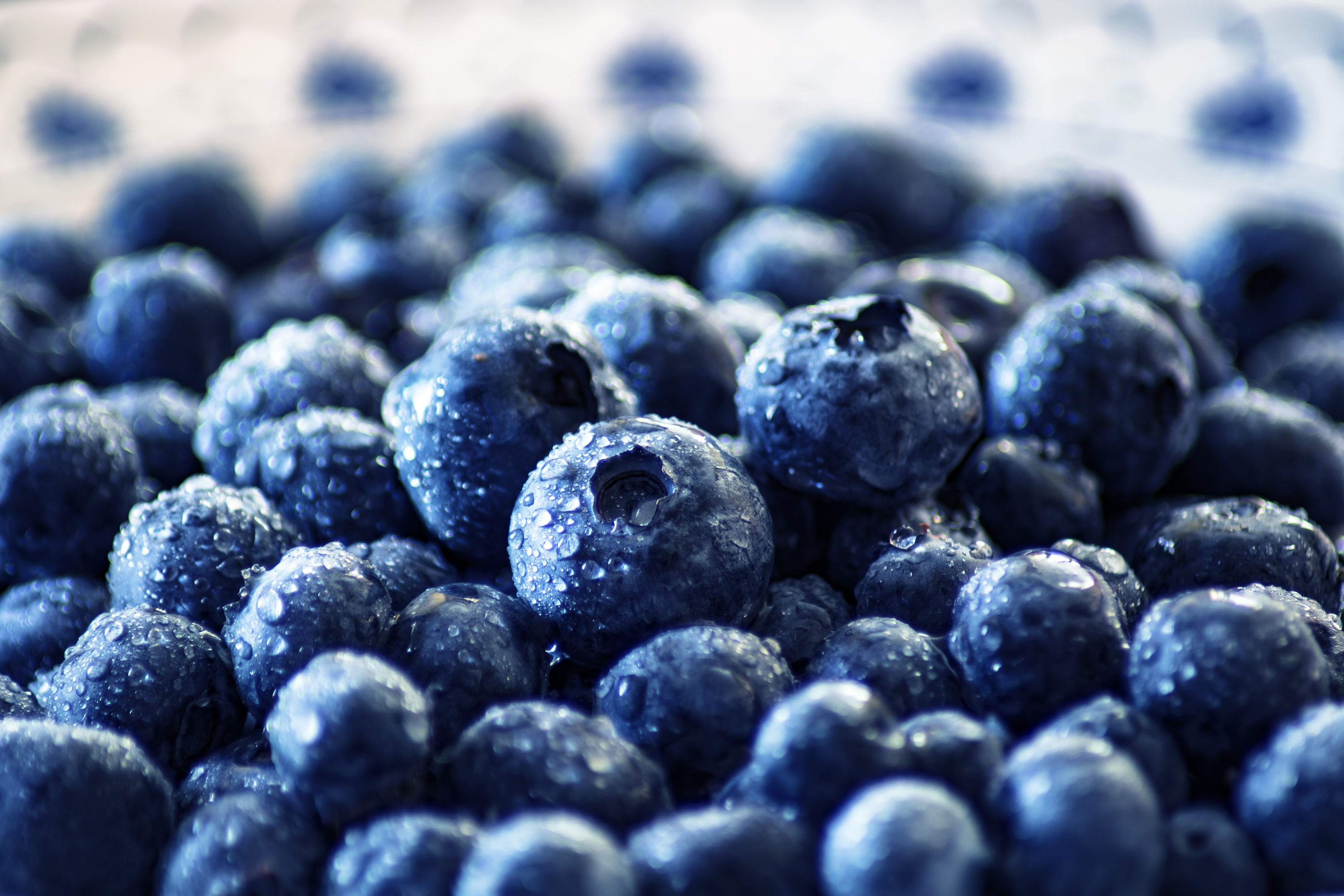
Image from Pixabay: Blueberries
Weight Equivalents: Blueberries
Article by Gil "hannaone" © Copyright 2007-2026. All rights reserved.
Weight and nutrition information primarily sourced through USDA Food Central or Korean Standard Food Composition Tables.
🫐 Blueberries
Category: Fruit – Berry
Blueberries are nutrient-dense perennial berries native to North America and widely recognized for their deep blue color, bright flavor, and exceptional antioxidant content. They’re low in calories, high in fiber, and packed with anthocyanins - the pigments responsible for both their color and many of their health benefits. Whether eaten fresh, baked, blended, or preserved, blueberries are one of the most versatile fruits in modern cooking.
🌐 General Information
Blueberries grow on shrubs in acidic soil and thrive in cooler climates. They’re typically harvested from late spring through early fall, depending on the variety and region. Fresh blueberries should be firm, dry, and evenly colored, with a natural whitish “bloom” that protects the fruit from moisture loss. They store well refrigerated and freeze exceptionally well, making them a year-round staple.
📜 Origin & History
Indigenous Roots
Blueberries are among the few fruits truly native to North America, with evidence of use dating back over 13,000 years. Indigenous communities referred to them as “star berries” because of the five-pointed crown at the blossom end. They harvested blueberries fresh, dried them for winter storage, and incorporated them into pemmican, teas, and medicinal preparations. A traditional dish called Sautautig—a corn-and-blueberry pudding—was widely enjoyed and may have been served at early colonial feasts.
Early Colonial Adoption
European settlers quickly embraced blueberries, using them in jams, pies, syrups, and natural dyes. However, all blueberries consumed during this period were wild; attempts to cultivate them failed due to the plant’s strict soil requirements.
• The Cultivation Breakthrough
Commercial blueberry farming only became possible in the early 1900s thanks to a partnership between:
• Frederick Coville, USDA botanist
• Elizabeth Coleman White, New Jersey cranberry farmer
Coville’s research revealed blueberries’ need for highly acidic soil, while White identified superior wild bushes for selective breeding. Their work led to the first successful highbush blueberry crop in 1916, transforming blueberries from a foraged food into a commercial agricultural product.
Modern Expansion
By the late 20th century, blueberries had spread across the U.S., Canada, Europe, South America, and Oceania. As research highlighted their antioxidant and anti-inflammatory properties, blueberries entered the global “superfood” spotlight, driving demand for both fresh and processed forms.
🌱 Major Varieties
Highbush Blueberries
• The most common commercial type
• Larger, juicier berries
• Grown in temperate regions
• Found fresh in most grocery stores
Lowbush (“Wild”) Blueberries
• Smaller, intensely flavored berries
• Higher antioxidant concentration
• Thrive in cold northern climates (Maine, Quebec, Maritime Canada)
• Often sold frozen or used in specialty products
🍽️ Common Uses
1. Culinary
• Baking: Muffins, pies, cobblers, scones, pancakes
• Breakfast: Oatmeal, yogurt, cereal, smoothies
• Snacking: Fresh or dried
• Savory Cooking: Blueberry reductions, vinaigrettes, chutneys, barbecue sauces
• Beverages: Teas, lemonades, cocktails, fruit wines
2. Health & Wellness
• High in anthocyanins and polyphenols
• Supports heart, brain, and metabolic health
• Low glycemic index and rich in dietary fiber
3. Industrial Uses
• Syrups, pie fillings, baby food, yogurt bases
• Natural food coloring and flavor extracts
4. Traditional Uses
• Natural dyes for textiles and basketry
• Leaves and roots used in teas and herbal remedies
🔄 Substitutes
For Baking & Cooking
• Blackberries or Raspberries: Similar moisture and acidity
• Strawberries: Best sliced; good for pies and cakes
• Frozen Blueberries: Closest 1:1 substitute; drain excess juice if needed
For Nutritional Value
• Pomegranate Seeds: High polyphenols and vitamin C
• Kiwis: Excellent vitamin C and fiber
• Amla (Indian Gooseberry): Extremely nutrient-dense
• Goji Berries: Strong antioxidant profile
For Flavor & Color
• Huckleberries: Nearly identical to wild blueberries
• Dark Grapes: Comparable sweetness and pigment
• Blueberry Preserves: Ideal for batters, sauces, and swirls
🌿 Nutritional Snapshot
A one-cup serving of blueberries provides fantastic nutritional value with very little dietary investment:
• Calories: ~ 80
• Vitamin C: Provides about 24% of your daily recommended value
• Fiber: 4 grams
Blueberries offer high nutritional density with minimal calories, making them an easy addition to both everyday meals and specialized diets.
🩺 Health Benefits
Heart Health
Blueberries are recognized by the American Heart Association as heart-healthy. Regular consumption may help lower LDL cholesterol, reduce blood pressure, and improve arterial elasticity.
Brain Function
Anthocyanins help protect brain cells from oxidative stress. Studies suggest blueberries may support memory, learning, and cognitive longevity.
Blood Sugar Regulation
Despite their natural sweetness, blueberries have a low glycemic index (~53). Their fiber and polyphenols help improve insulin sensitivity and support stable blood sugar levels.
Anti-Inflammatory Support
Blueberries help counter oxidative stress and may reduce exercise-related muscle soreness.
Digestive Health
Their fiber and prebiotic compounds support a healthy gut microbiome and regular digestion.
How much do blueberries weigh?
| Blueberries |
|||
|---|---|---|---|
| 1 berry |
1.36g | 0.1oz | |
| 20 berries |
27.20g | 1oz | |
| cup |
(About 108 berries) |
148g | 5.2oz |
Ounces shown are rounded up or down to the nearest tenth of an ounce.
| |||||||||||||||||||||||||||||||||||||||||||||||||||||||||||
Weights: Blueberries
💡 Did You Know? 🫐Blueberry Edition
• It's Actually Blue: Blueberries are one of the very few natural foods that are truly blue in color (derived entirely from plant pigments rather than chemical dyes).
• The "Dust" is Normal: The whitish, powdery film on fresh-picked blueberries is a natural, waxy coating called a "bloom" that protects the fruit and helps prevent moisture loss.
• Frozen = Fresh: Frozen blueberries are just as nutritious as fresh ones because they are flash-frozen at peak ripeness right after harvest.
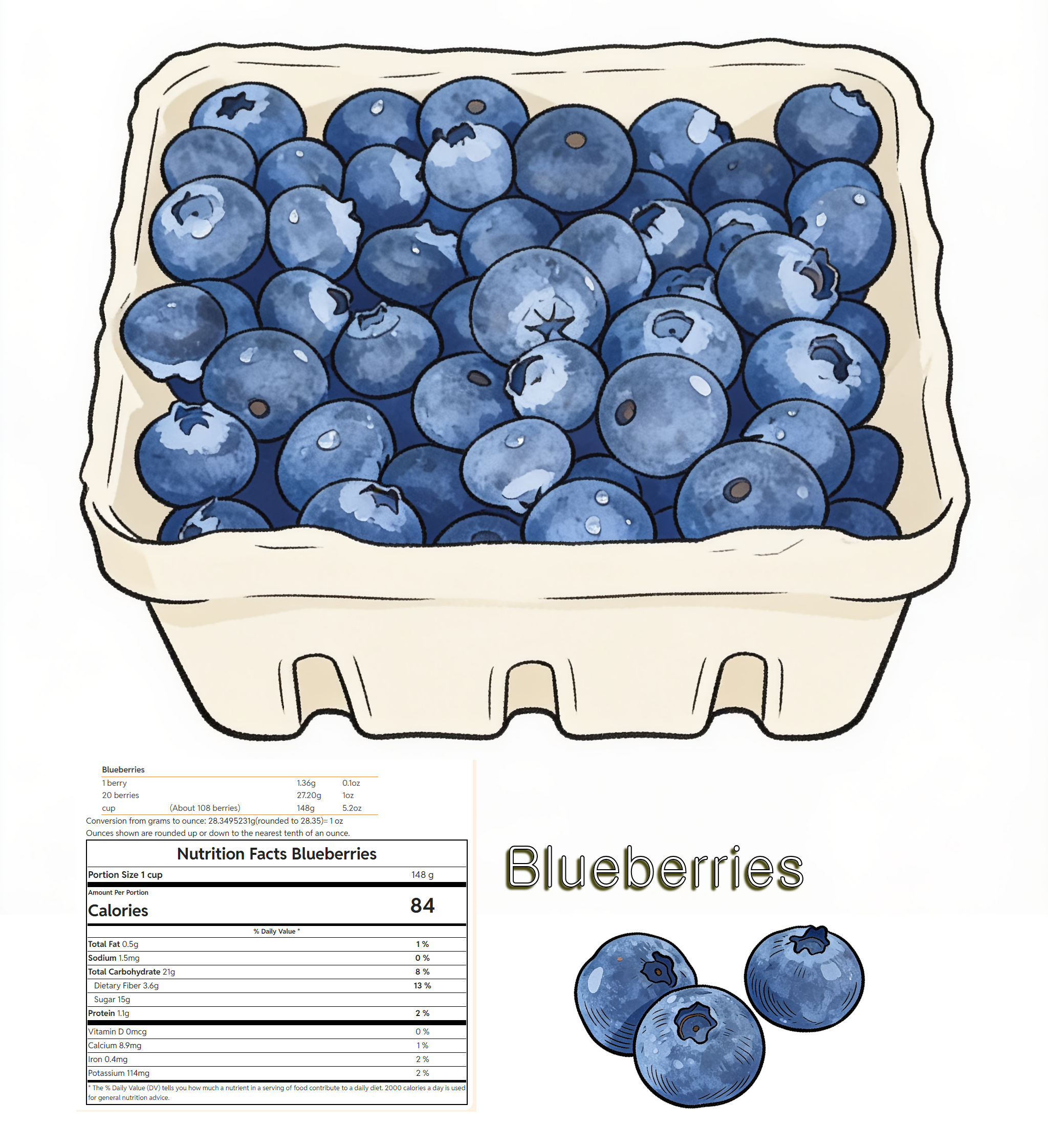
Image: Blueberry Card
• Centuries of Use: Native Americans recognized the benefits of blueberries 13,000 years ago, using them in cooking, medicines, and even as natural dyes.
Check out Wooltari for Korean food and gifts!
Find it on Amazon! Purchases made through these links help support this site. As an Amazon Associate, we earn from qualifying purchases.


Comment?