Book of Weight Equivalents
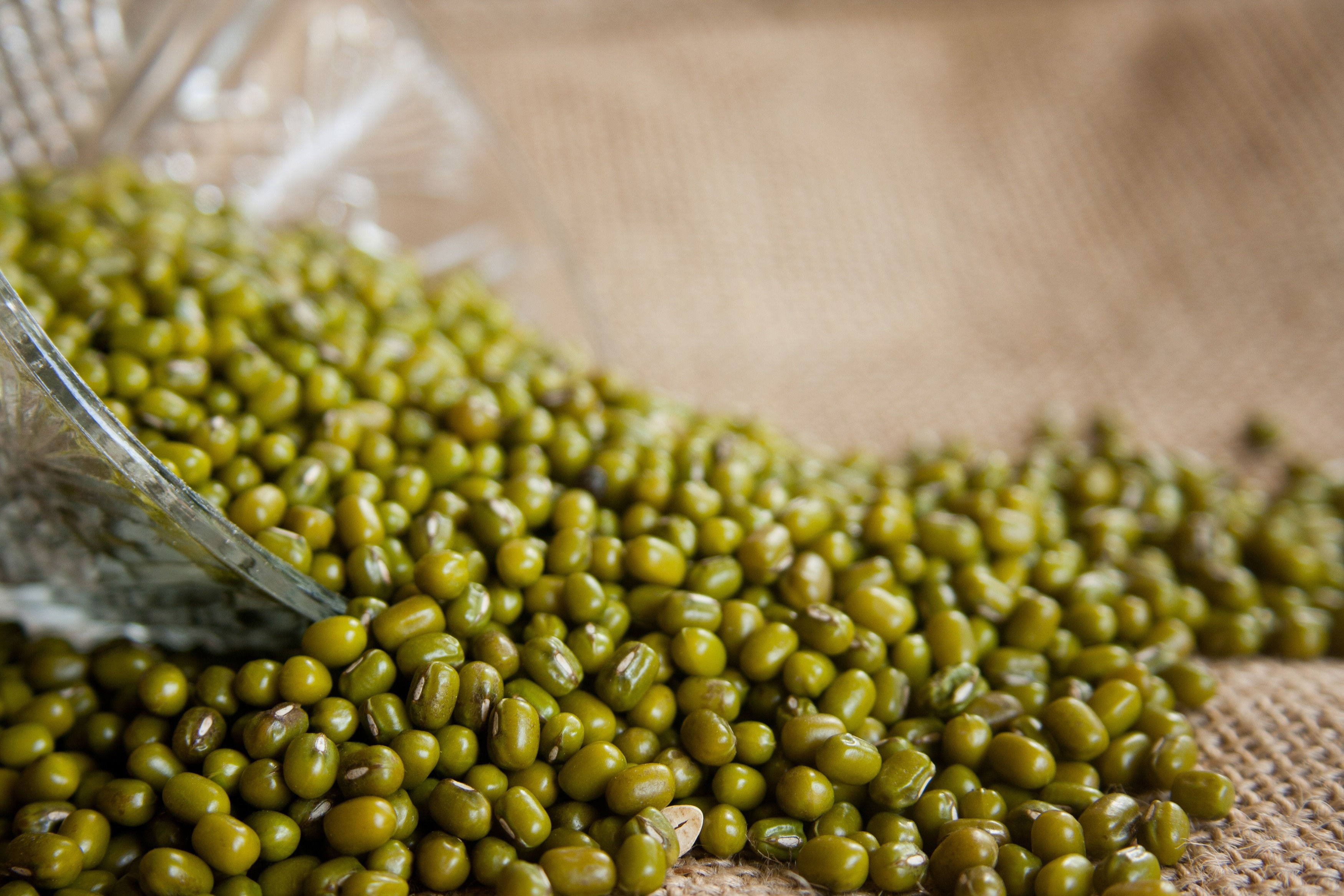
Image from Pixabay.com: Mung Beans
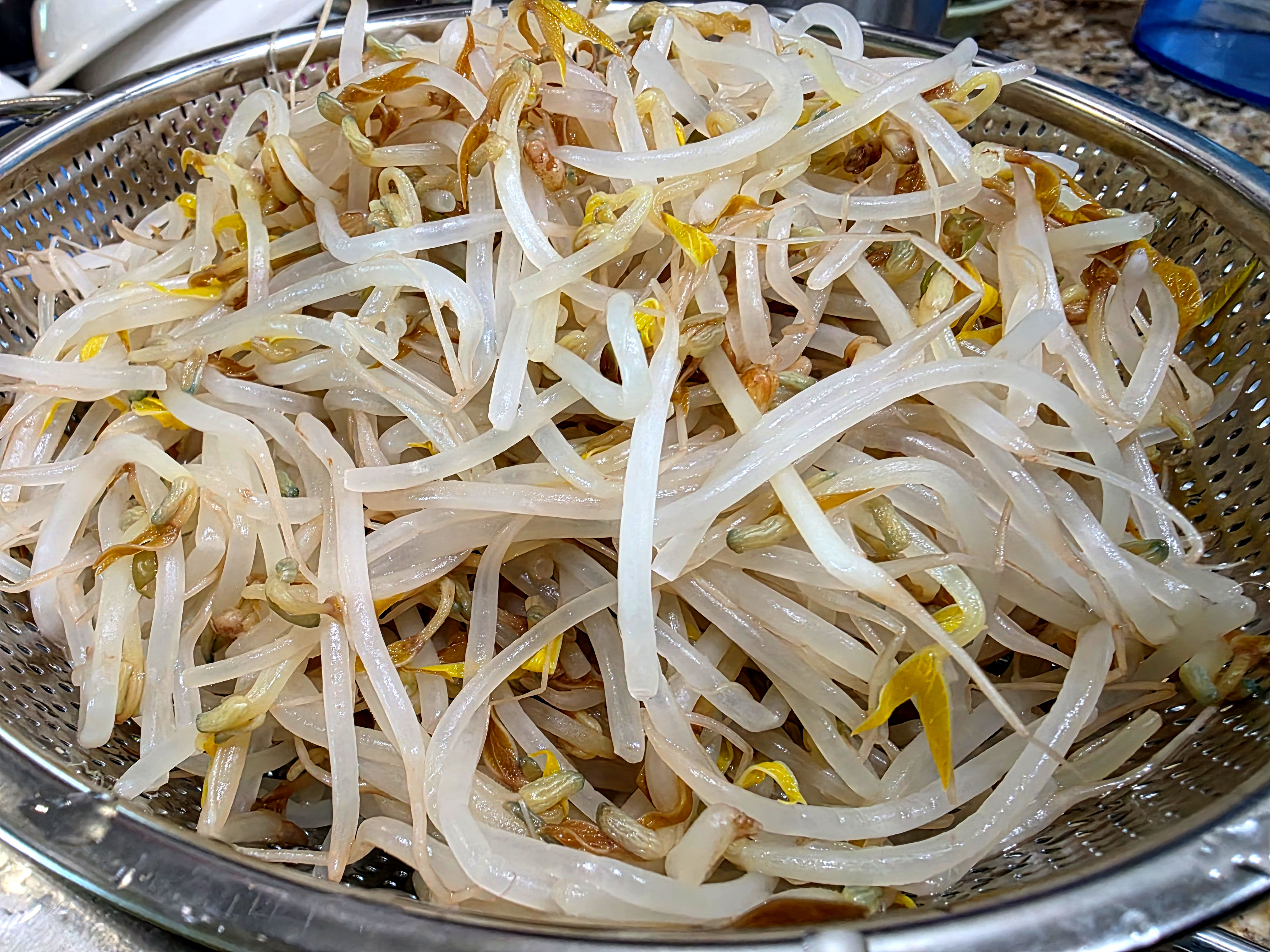
Image by hannaone: Mung beansprouts
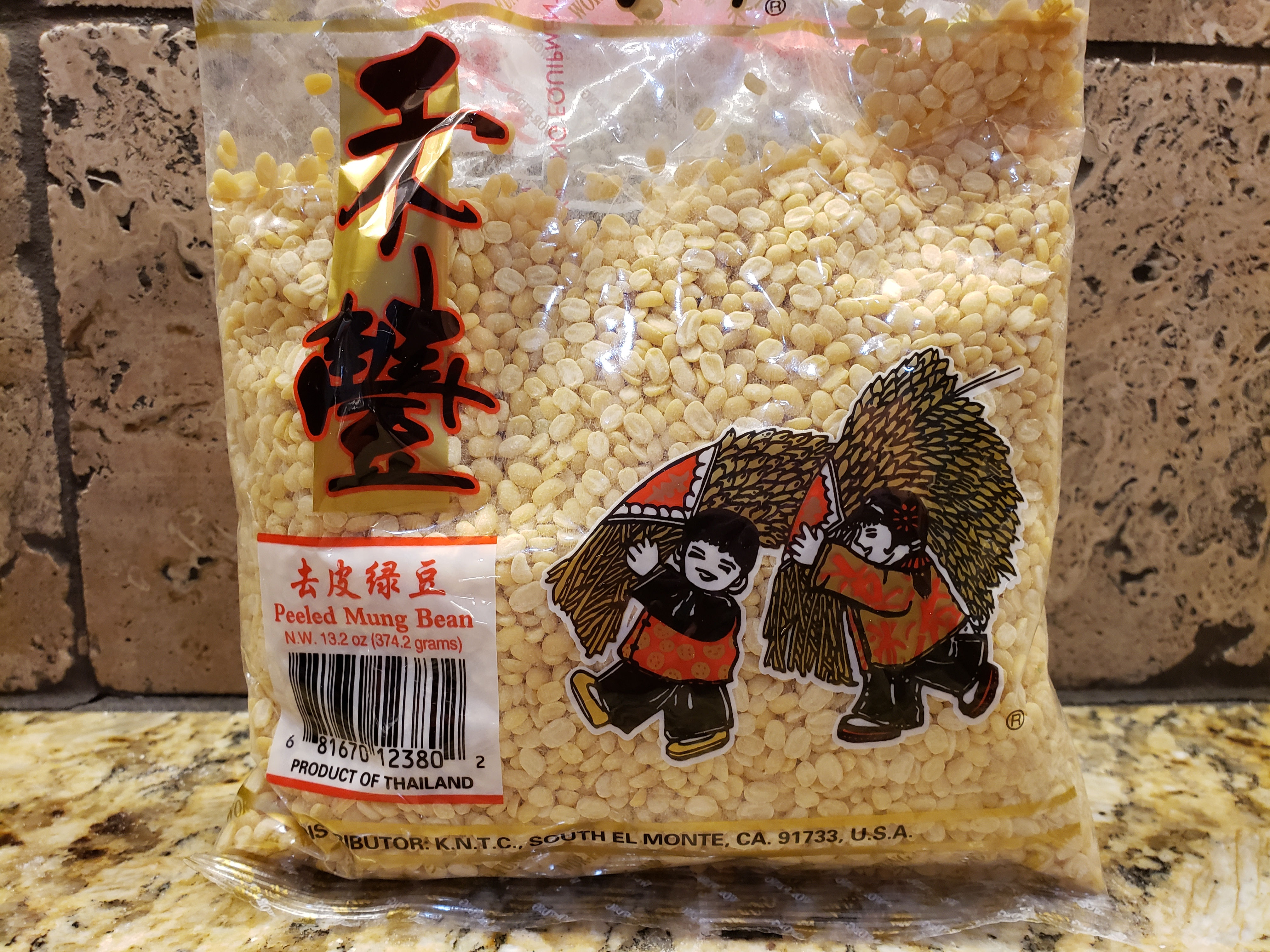
Image by hannaone: Peeled Mung Beans
Weight Equivalents: Mung Beans
Article by Gil "hannaone" © Copyright 2007-2026. All rights reserved.
🫘 Mung Beans
Korean Name: 녹두 (nokdu)
Category: Legume • Dry Bean • Sprouting Bean
Mung beans are small, oval-shaped green legumes originally domesticated in India and now used across the world. They’re valued for their mild flavor, quick cooking time, and impressive nutritional profile. Whether cooked whole, split into dal, ground into starch for noodles, or sprouted for fresh crunch, mung beans are one of the most versatile plant-based ingredients in global cuisine.
🌐 General Information
Mung beans have a naturally sweet, earthy flavor and a soft, creamy texture once cooked. They’re commonly sold whole (green skin intact), split and hulled (yellow dal), or as starch for making glass noodles. Because they cook faster than many other legumes and are easy to digest, they’re a staple in soups, porridges, curries, and sprouted dishes throughout Asia.
For weight-equivalent purposes, mung beans behave similarly to other small legumes: they roughly double in volume when soaked and triple in volume when cooked, depending on the recipe and cooking method.
📜 Origin & History
Mung beans are among the oldest cultivated legumes, with archaeological evidence tracing their domestication in India to more than 4,500 years ago. Their resilience—especially drought tolerance and short growing cycles—made them ideal for early agricultural systems.
• Early Roots and Spread
Origins in India: The wild ancestor (Vigna radiata var. sublobata) is native to the Indian subcontinent. Carbonized mung beans have been found in Harappan sites dating back to around 1500 BCE.
• Trade & Migration: Through trade routes and cultural exchange, mung beans spread across Southeast Asia more than 1,200 years ago and reached China during the Han Dynasty. By the 9th–10th centuries, they were cultivated as far as East Africa.
• Adaptation & Evolution: Over centuries, farmers selected for traits suited to local climates. This led to two broad types:
• Southern types: Larger seeds, high yields, heat-tolerant.
• Northern types: Short-season, drought-resistant, ideal for cooler climates.
🍽️ Common Culinary Uses
Mung beans adapt easily to both savory and sweet dishes:
• Sprouts: One of the easiest seeds to sprout. Used in stir-fries, bibimbap, salads, and sandwiches.
• Whole or Split: Whole beans are simmered for soups, porridges, and curries. Split and hulled beans (yellow mung dal) cook quickly and break down into a creamy base.
• Desserts: Cooked and mashed mung beans form the base of sweet pastes used in pastries, buns, ice creams, and traditional Asian confections.
• Noodles: Mung bean starch is processed into translucent “glass” or “cellophane” noodles used in stir-fries, hot pots, and spring rolls.
🔄 Substitutes
The best substitute depends on how you’re using mung beans:
For Soups, Stews & Dals
• Red Lentils: Closest match in cook time and texture; break down into a smooth, creamy consistency.
• Split Yellow Peas: Earthy and hearty; may require a slightly longer simmer.
For Salads & Grain Bowls
• Adzuki Beans: Hold their shape well and offer a mild sweetness.
• Farro or Brown Rice: For a nutty, chewy alternative in cold salads or bowls.
For Sprouts
• Soybean Sprouts: Nearly identical crunch and flavor for stir-fries and soups.
• Alfalfa or Sunflower Sprouts: Best for raw dishes and sandwiches.
• Enoki Mushrooms: A good cooked substitute when you want a similar slender, crunchy texture.
For Vegan “Egg” Recipes
Tofu + Soy Milk: Blended with nutritional yeast and black salt (kala namak), this mixture mimics the custardy texture of blended mung beans.
Preparation Tip: When swapping whole mung beans for other legumes, adjust hydration and cooking time—larger beans like chickpeas require more water and longer soaking.
🌍 Cultivation & Sustainability
Mung beans mature quickly—typically within 60 to 90 days—making them ideal for crop rotation. They fix nitrogen in the soil through symbiosis with beneficial bacteria, improving soil fertility for future plantings. Because they require relatively little water and enrich the land, mung beans are considered a highly sustainable crop.
🌿 Nutritional Snapshot
Mung beans are nutrient-dense and support a balanced diet:
• Protein: 20–24% plant-based protein, excellent for vegetarian and vegan diets.
• Fiber: High in both soluble and insoluble fiber, supporting digestion and gut health.
• Micronutrients: Notably rich in folate, magnesium, potassium, and iron.
• Antioxidants: Contain polyphenols and other bioactive compounds that may help reduce oxidative stress
Major Varieties
While all mung beans share similar culinary uses, several distinct varieties exist:
• Large, Shiny Green Mung Beans: The most common type worldwide. Used for whole-bean cooking and sprouting. High-yield strains like Jade-AU and Berken are known for uniformity and disease resistance.
• Dull/Matte Green Varieties: Preferred in certain international markets. Satin II is a widely grown example with consistent size and quality.
• Small-Seeded Varieties: Often labeled as Celera or Green Diamond. These cook quickly and are popular in European and Asian export markets.
• Black Gram (Vigna mungo):** A close botanical relative often grouped with mung beans. It has a black seed coat and a deeper, earthier flavor. Varieties like Onyx AU are used in specialty dishes.
• Climate-Specific Varieties: Research centers continue to develop regionally adapted strains, such as short-season VELOCE or drought-tolerant TARI-G-GRAM lines.
How much do Mung Beans weigh?
| Mung Beans | |||
|---|---|---|---|
| Measure | Size / State | Grams | Ounces |
| 1 cup | 207 | 7.3 | |
| 1/2 cup |
103 | 3.6 | |
| 1 tablespoon |
13 | .5 | |
Ounces shown are rounded up or down to the nearest tenth of an ounce.
| Mung Bean Sprouts | |||
|---|---|---|---|
| Measure | Size / State | Grams | Ounces |
| 1 cup | 104 | 3.7 | |
| 1/2 cup |
52 | 1.8 | |
Ounces shown are rounded up or down to the nearest tenth of an ounce.
| |||||||||||||||||||||||||||||||||||||||||||||||||||||||||||||||
| |||||||||||||||||||||||||||||||||||||||||||||||||||||||||||
Weights: Mung Beans
🌱 Did You Know? — Mung Bean Edition
Double Domestication: Archaeologists have uncovered carbonized mung beans dating back roughly 4,500 years in both Pakistan and southern India, suggesting the crop may have been domesticated independently in two regions of South Asia.
Global Naming Tour: These beans travel under many names. In the Philippines they’re monggo, in Korea nokdu, in India moong, in China lǜdòu, and in the U.S. they’ve even been nicknamed “chop suey beans.”
American Roots: Although about 75% of mung beans consumed in the U.S. are imported, most of the domestic crop is grown in Oklahoma, where the hot, dry climate suits them perfectly.
Savory and Sweet: Across Southeast Asia, mung beans are transformed into dessert pastes, fillings, porridges, and jellies—think mooncakes and Vietnamese chè. In India, split mung beans become moong dal, one of the gentlest, most comforting dals.
Sprout Power: The crisp, white bean sprouts used in stir-fries, pho, bibimbap, and countless Asian dishes are simply germinated mung beans. They grow fast—often ready in 48–72 hours.
Ayurvedic Royalty: In Ayurveda, mung beans are called the “Queen of Beans.” Their light, cooling, and easily digestible nature makes them a traditional first solid food for babies and a staple for people recovering from illness.
Heat‑Friendly Crop: Mung beans are naturally drought‑tolerant and thrive in hot, arid climates, which is why they’re increasingly studied as a climate‑resilient crop for the future.
Nitrogen Fixers: Like other legumes, mung beans enrich soil by fixing atmospheric nitrogen, making them valuable in crop rotation systems and sustainable farming.
Fast Maturity: Mung beans are one of the quickest legumes to mature, often ready for harvest in 60–70 days, which historically made them a reliable “gap crop” between major harvests.
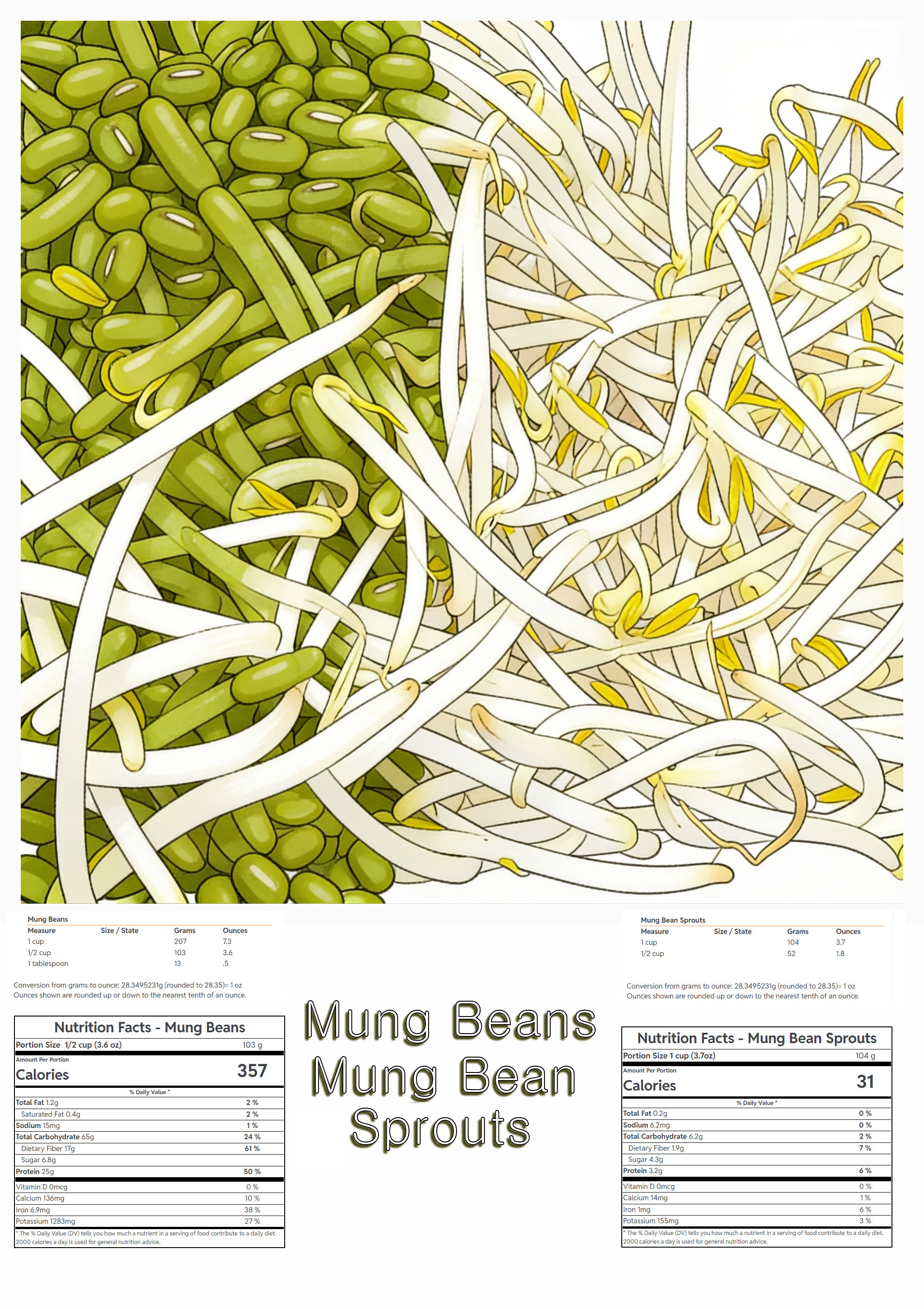
Image: Apricot Card
Ancient Medicine: Traditional Chinese Medicine has long used mung beans to “clear heat” and detoxify, especially in summer. Mung bean porridge (lǜdòu zhōu) is still a classic cooling food.
Colorful Cousins: While green mung beans are the most common, there are also yellow, black, and speckled varieties, each with slightly different culinary uses.
Sprout Science: Mung bean sprouts are unusually rich in vitamin C, a nutrient the dry bean itself lacks. Sprouting dramatically changes their nutritional profile in just a few days.
Check out Wooltari for Korean food and gifts!
Find it on Amazon! Purchases made through these links help support this site. As an Amazon Associate, we earn from qualifying purchases.

Comment?