Book of Weight Equivalents
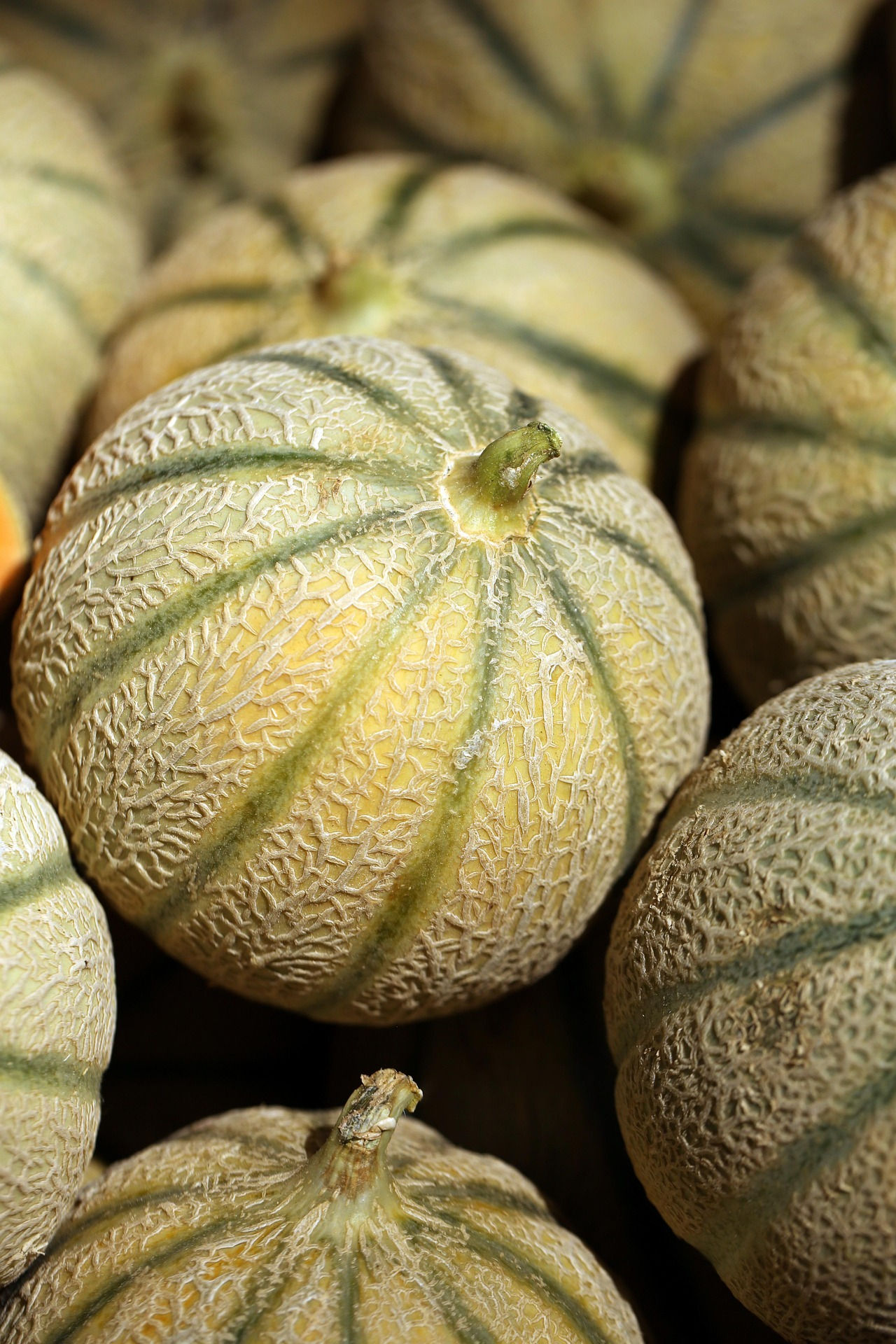
Image from Pixabay: Ambrosia Melon
Weight Equivalents: Ambrosia Melon
Article by Gil "hannaone" © Copyright 2007-2026. All rights reserved.
Weight and nutrition information primarily sourced through USDA Food Central or Korean Standard Food Composition Tables.
Ambrosia melons, also known as Ambrosia muskmelons, are a hybrid variety of melon bred for their sweet, juicy flesh and aromatic flavor. They belong to the Cucumis melo species and are often confused with cantaloupes. Ambrosia melons are known for their pale orange flesh and delectable aroma, described as a combination of all melons plus flowers.
Origin and History
Musk melons are thought to have originated in Africa or the ancient regions of Persia, with many distinct hybrids developing across different countries over time. The specific beginnings of the Ambrosia variety are not well documented, but it is generally believed to have been developed in the United States, where growing conditions favored the cultivation of sweet, aromatic melons. The name “Ambrosia,” drawn from Greek mythology’s food of the gods, reflects the melon’s reputation for exceptional fragrance and flavor
Uses
Ambrosia melons are versatile and can be used in various culinary applications:
Fresh Eating: Enjoy them fresh, either on their own or in fruit salads.
Desserts: They make a scrumptious addition to desserts, such as fruit tarts and sorbets.
Breakfast: Serve them as a refreshing breakfast option, either sliced or in smoothies.
Appetizers: Pair them with prosciutto or other cured meats for a delightful appetizer.
Choosing
The Ambrosia melon is a netted (skin looks like a net) muskmelon which is very similar to American Cantaloupe. It has a deep orange flesh and very intense flavor.
Look for unblemished fruit that is firm and almost uniform in color.
This is a hybrid melon that's sometimes mistaken for a cantaloupe, but it's not. They have a sweet, tender, pale orange flesh with a flavor that is described as "melons and flowers."
Growing Ambrosia Melons
These melons prefer full sun and require an inch of water per week.
It is recommended that melons be planted in rows spaced two to four feet apart (91 to 121 cm) apart or in hills with two or three plants per "hill".
Melons can also be trained to grow on a trellis or fence.
Locate your plot in a sunny location (6+ hours of sunlight) and dig a hole about twice as wide as it is.
You can loosen the soil in the pot and tip it out into your hand. Place the plant in the soil about as deep as it was in the pot.
Plant in a firmly-rooted position by filling the space around it with soil and compacting it lightly.
Water immediately to settle the soil, and add more soil as needed to level it out.
Growing Information
Growing Ambrosia melons requires some attention to detail:
Soil: Plant them in well-draining soil rich in organic matter with a pH level between 6.0 and 6.5.
Sunlight: Ensure they receive full sun, at least 6-8 hours of direct sunlight daily.
Watering: Water deeply but infrequently, allowing the soil to dry slightly between waterings.
Fertilization: Use a balanced fertilizer and side dress with high nitrogen fertilizer when the plants send out runners.
Harvesting: Look for a golden skin color, sweet aroma, and slight yield to thumb pressure to determine ripeness.
Skin: Netted | Flesh Color: Orange
Growth Maturity: 80 to 120 days
Remember
24-36in (60-90cm) spacing
Full Sun - 6+ hours of direct sunlight
Size of fruit: 6 inches (15 cm)
Harvesting time: 86 days
| Ambrosia Melon |
|||
|---|---|---|---|
| Large |
6-3/4" dia |
1000g | 35.3oz |
| Medium |
5-1/2" dia |
700g | 24.7oz |
| Small |
4-3/4" dia |
554g | 19.6oz |
| Wedge, Large |
1/8 of Large Fruit |
125g | 4.4oz |
| Wedge, Medium |
1/8 of Medium Fruit |
87.5g | 3.1oz |
| Wedge, Small |
1/8 of Small Fruit |
69.3g | 2.4oz |
| Cup, Cubes |
160g | 5.6oz | |
| Cup, Diced❤️ |
156g | 5.5oz | |
| Melon Ball |
13.8g | 0.5oz | |
| Cup, Melon Balls |
177g | 6.2oz | |
| |||||||||||||||||||||||||||||||||||||||||||||||
Weights: Ambrosia Melon
Cube and mix with other melon types, add ice cubes or crushed ice, toss, add some ginger ale, sparkling water, or lemon-lime soda, and a splash of milk for a very refreshing summer treat.
Juicy, tender, and extra sweet tasting!!
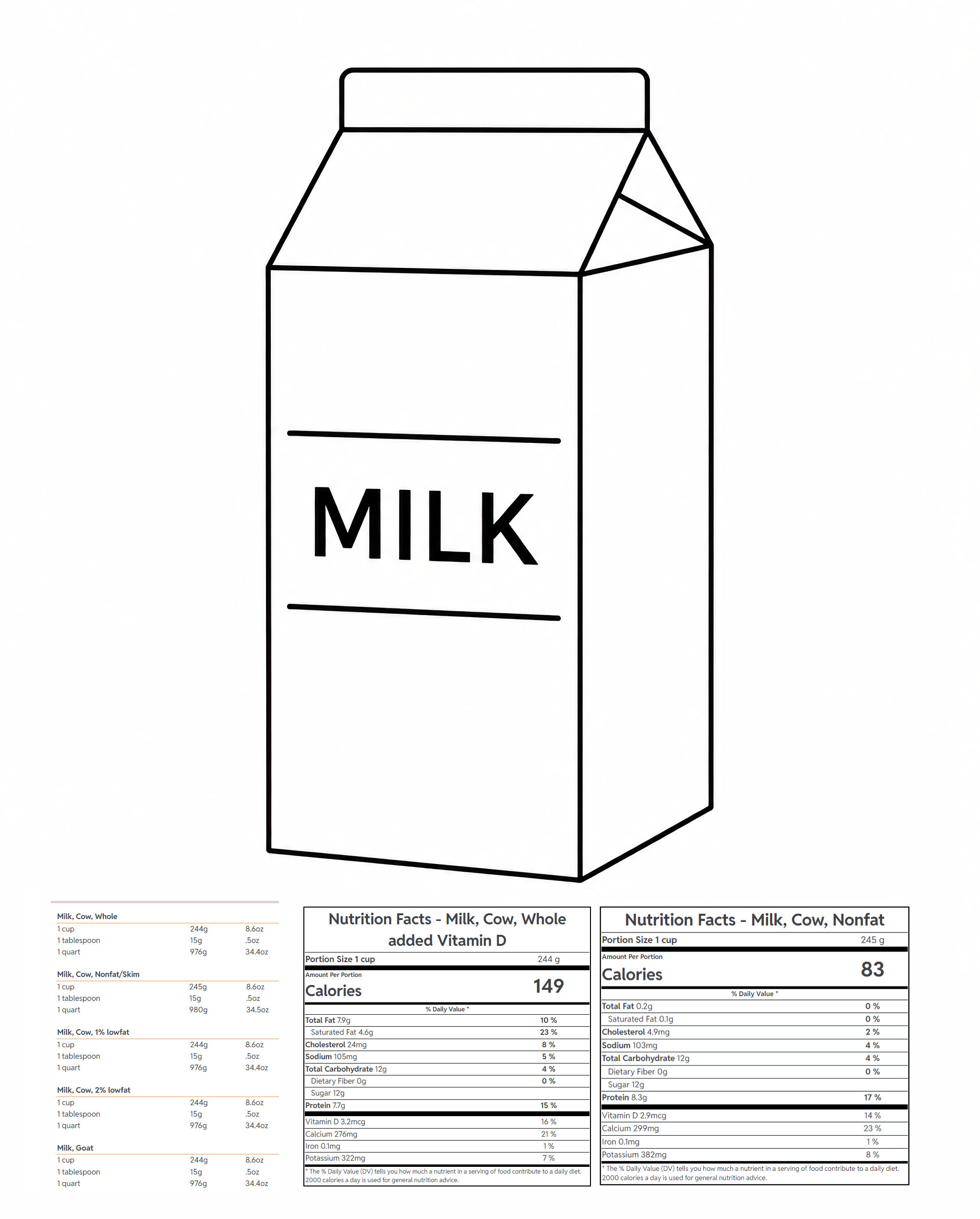
Image: Milk Card
Substitutes
If you can't find Ambrosia melons, you can use the following substitutes:
Honeydew Melon: Similar in flavor and texture, honeydew melons are a great alternative.
Cantaloupe: Another close relative, cantaloupes can be used in place of Ambrosia melons.
Casaba Melon: With a similar flavor profile, casaba melons can also be a suitable substitute.
Check out Wooltari for Korean food and gifts!
Find it on Amazon! Purchases made through these links help support this site. As an Amazon Associate, we earn from qualifying purchases.


Comment?