Book of Bap: Bibim-bap | Mixed Rice Dish
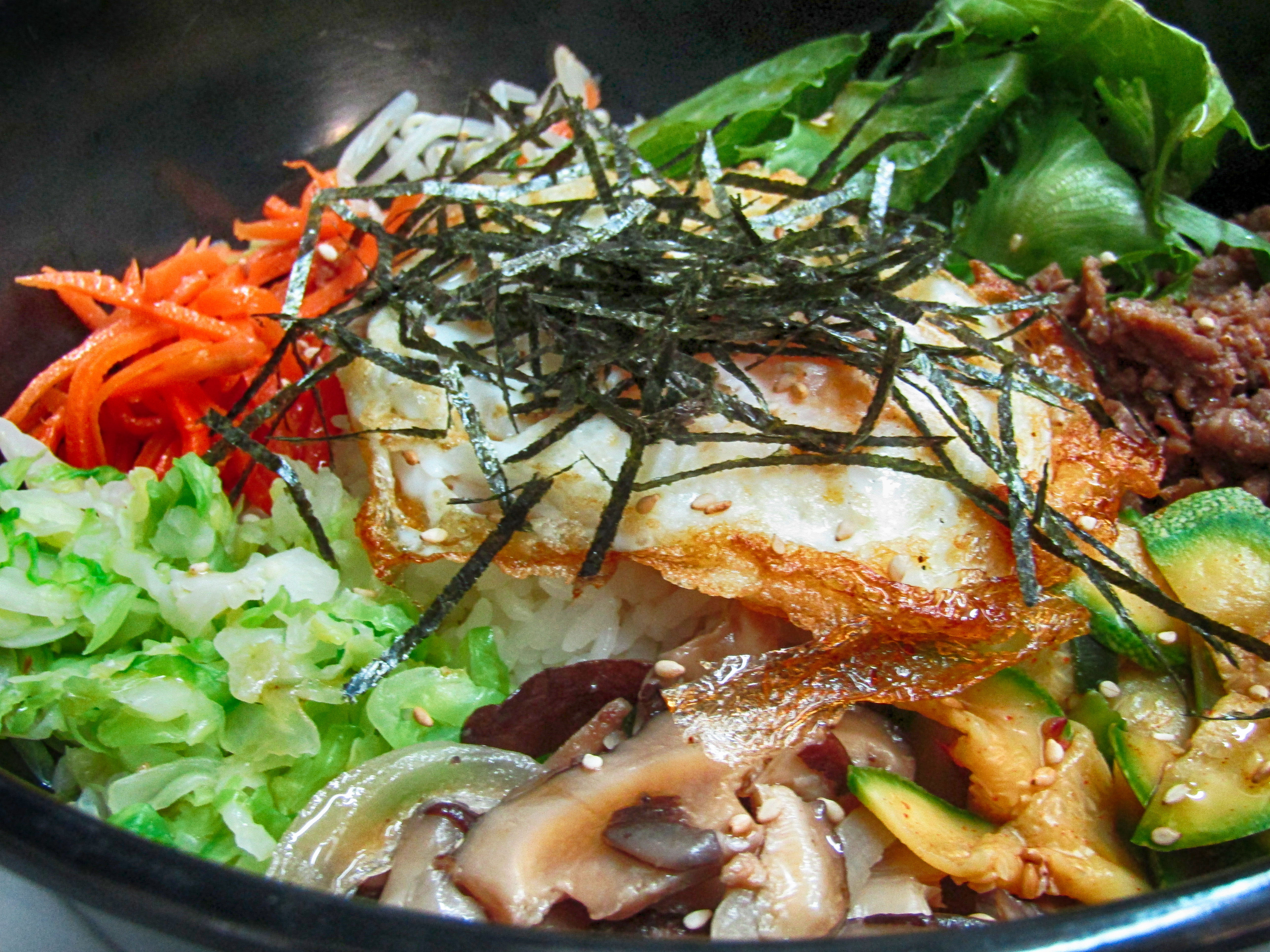
Image by hannaone: Bibimbap
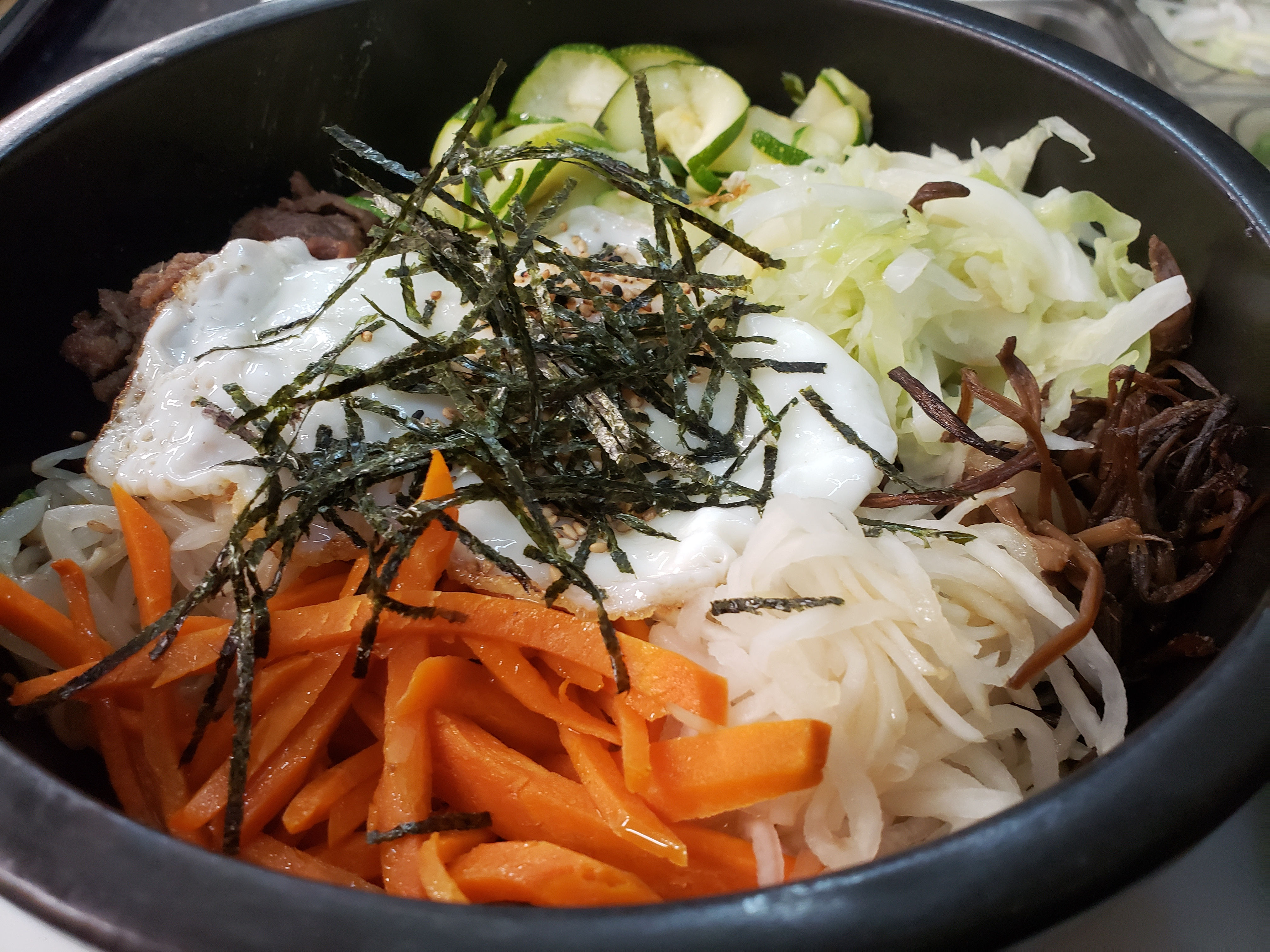
Image by hannaone: Dolsot Bibimbap
Bibimbap Korean Mixed Rice Dish
Article by Gil "hannaone" © Copyright 2007-2026. All rights reserved.
비빔밥 | bibim-bap
Bibimbap literally means "mixed rice". Typically a mound of rice surrounded by an assortment of items, usually vegetable, and topped with either a fried egg or some type of garnish.
This is for a pretty standard bibimbap with some options listed.
Serves 4
Recipe Type: Korean, Rice dish
Ingredients
4 ounces mung bean sprouts
1/4 teaspoon salt
4 ounces spring mix (or other leafy green)
4 ounce small potato
dash of salt
4 ounce small carrot
teaspoon sesame oil
1 teaspoon honey or brown sugar
4 ounces dried sweet potato stems, soaked and rinsed, lightly sauteed
4 ounces chopped cooked beef
1/2 teaspoon sugar, brown sugar, or honey
1 teaspoon soy sauce
1/2 teaspoon black pepper
1/2 teaspoon sesame oil
1 clove garlic, minced
4 ounces Korean or daikon radish
4 tablespoons vinegar
1 teaspoon sugar
4 ounces sliced zucchini lightly sauteed with minced garlic
1 clove garlic, minced
vegetable oil
4 cups cooked rice
4 fried eggs placed on top
Sauce
4 ounces gochujang
2 teaspoons rice or white vinegar
1 teaspoon sugar, honey, or corn syrup
1 teaspoon soy sauce
2 cloves fine minced garlic
Directions:
You can use all or some of the above ingredients. I recommend using at least 5 of them.
Bean Sprouts:
Remove any shells from the heads and pinch off the root. Rinse well. Bring a pot of water to a full boil, add the bean sprouts, pushing down to completely submerge them. Return to a full boil, remove from heat and rinse immediately in cold water. Drain and transfer to a mixing bowl. Very lightly sprinkle with salt and optionally mix with fine chopped green onion.
Spring Mix:
Rinse well in cold water then drain thoroughly.
Potato:
Shred, rinse in cold water, place in a lightly oiled fry pan, sprinkle with a very small amount of salt, and cook over medium heat until tender-crisp. Potato should still have some "snap".
Carrot:
Shred and rinse in cold water then drain. Place carrot in a lightly oiled (sesame oil) fry pan, drizzle with some honey or sprinkle with brown sugar, and sauté over medium low heat until tender-crisp. Carrot should still have some "snap".
Sweet Potato Stems:
Rinse in cold water then soak for about 30 minutes. Drain. Place in lightly oiled fry pan, drizzle with sesame oil, and sauté about 3 minutes over medium heat.
Beef:
Mix all ingredients listed under beef in a mixing bowl. Slice or chop the beef and add to the bowl. Marinate for 30 minutes. Stir fry or grill until lightly browned.
Korean Radish:
Shred the radish then rinse in cold water and drain well. Mix the vinegar and sugar in a medium mixing bowl, stir until sugar dissolves, then add the radish. Marinate for about 30 minutes.
Zucchini:
Peel the zucchini then thin slice it. Rinse in cold water and drain. Place in a lightly oiled fry pan with the minced garlic and sauté about 5 minutes over medium high heat.
Eggs:
Cook to desired "doneness". See below for DolSot Version.
Sauce:
Mix all ingredients together and let stand about 30 minutes.
Assemble and Serve:
Place 1 cup of cooked rice in the center of each bowl, then add the other items, alternating light and dark colors. Top with egg and any desired garnish, the sauce, and serve with banchan if desired.
For DolSot (hotpot) Version:
Lightly oil a stone bowl. Place prepared ingredients in the stone bowl in the same manner as above.
You can either pre cook the egg sunny-side up, or top heated bibimbap with raw egg, cover, and finish cooking.
Cover and heat over medium heat until rice begins to "crackle".
Cooking time will vary with equipment used and desired "crunch" of bottom rice.
Bibimbap Mixed up Rice
Bibim‑bap is one of Korea’s most iconic dishes, and its history reflects both the refinement of the royal court and the resourcefulness of everyday households. Its origins stretch back centuries, appearing in palace records as well as in the kitchens of farmers, merchants, and laborers.
Royal Roots
In the royal court, bibim‑bap was a carefully curated expression of balance, beauty, and health. Court cooks selected the freshest seasonal ingredients—often including seafood, rare vegetables, or meats obtained through regional trade—and arranged them in alternating colors to create a visually harmonious presentation. Each component was chosen not only for flavor but also for its symbolic or medicinal qualities, reflecting the court’s emphasis on nourishment and aesthetics.
Commoner Traditions
Among common people, bibim‑bap served a more practical purpose. It was a clever way to use up leftover or soon‑to‑spoil ingredients, transforming odds and ends into a satisfying, economical meal. Despite its humble function, the dish still celebrated variety, texture, and the pleasure of mixing many flavors into one bowl.
A Blended Contemporary Dish
Over time, these two traditions—courtly elegance and everyday ingenuity—merged into the modern bibim‑bap known today. The dish remains defined by its assembly: each ingredient is prepared separately to preserve its flavor and texture, then arranged over a mound of warm rice. The toppings are typically placed in a circular pattern of contrasting colors, often crowned with a fried or raw egg.
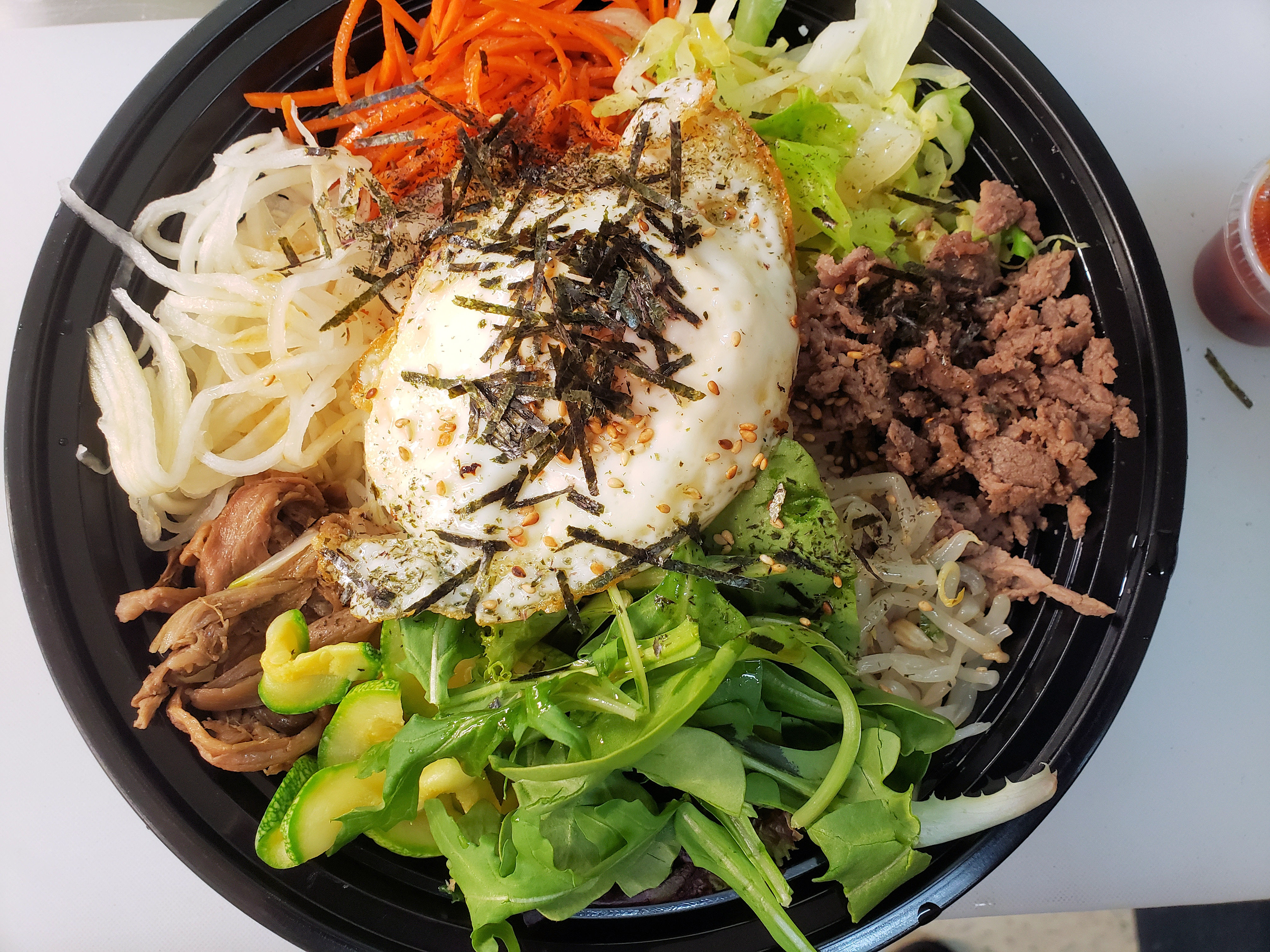
Image: Bibimbap
Serving Styles
Bibim‑bap can be enjoyed at room temperature, especially in its traditional home‑style form. It is also famously served in a hot stone or earthenware bowl (dolsot bibim‑bap), where the rice continues to crackle against the heated vessel, forming a crisp, golden crust as the ingredients are mixed together.
Check out Wooltari for Korean food and gifts!
Find it on Amazon! Purchases made through these links help support this site. As an Amazon Associate, we earn from qualifying purchases.


Comment?