Book of Bap
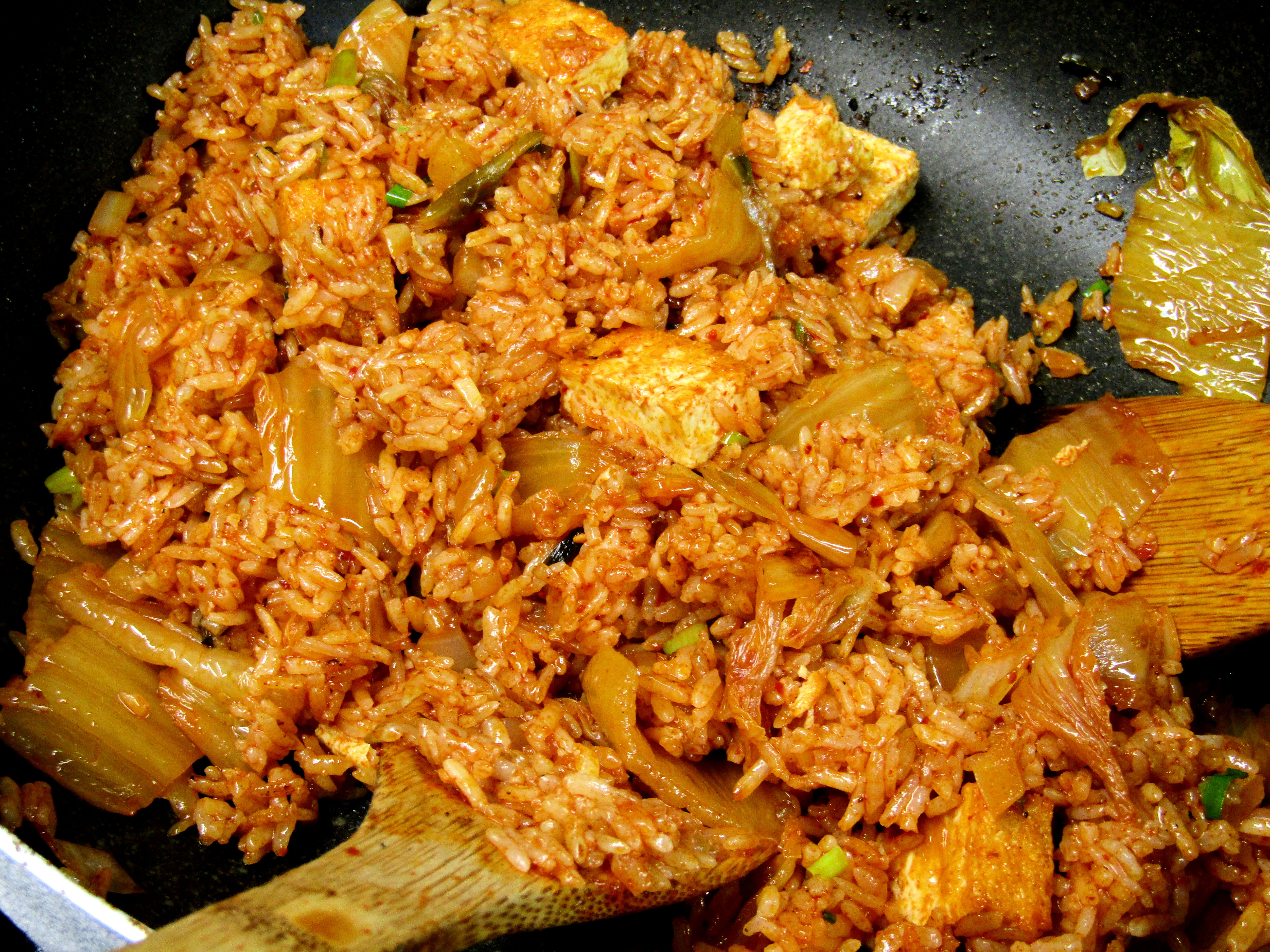
Image by hannaone: Kimchi Fried Rice
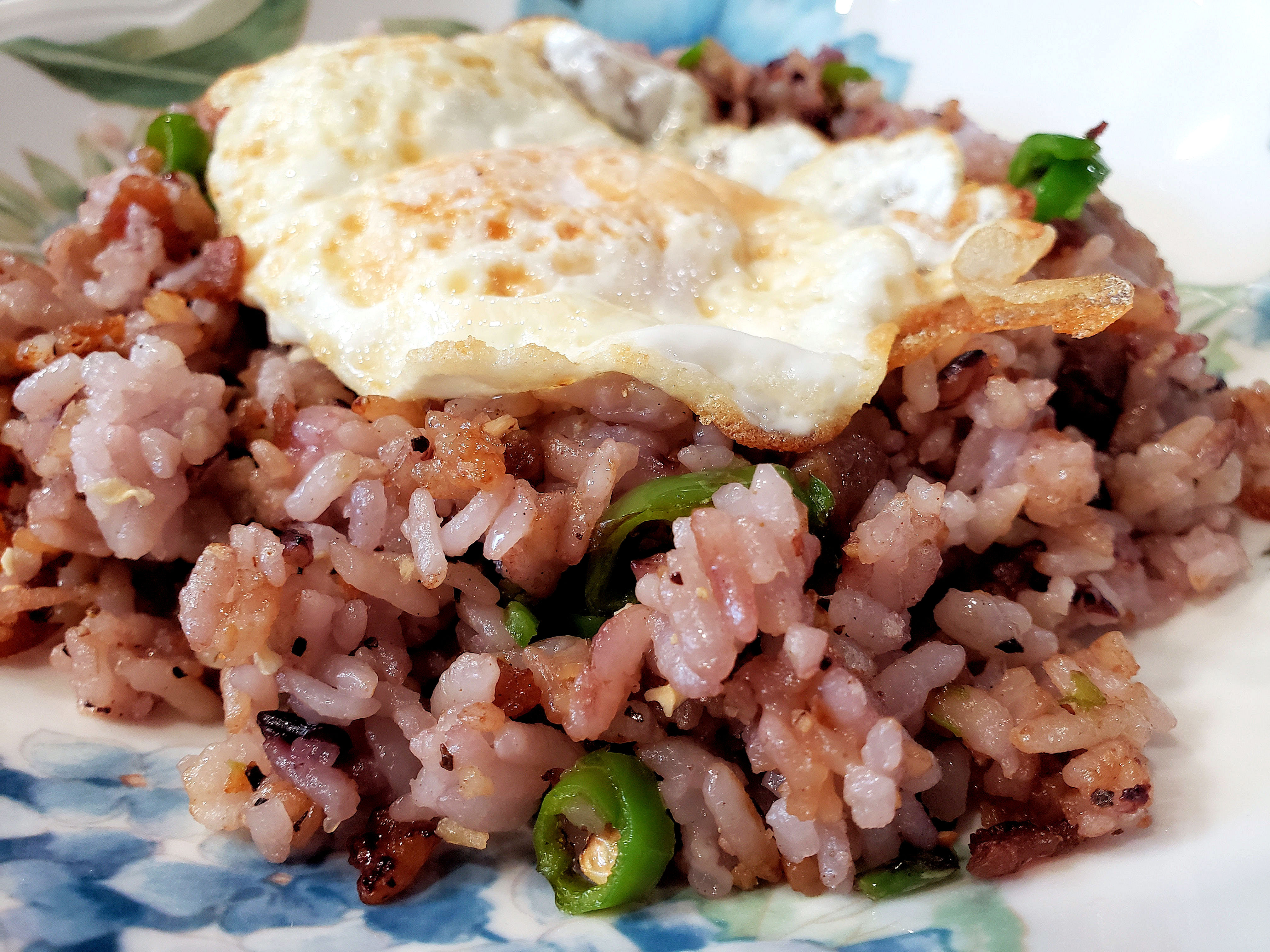
Image by hannaone: Fried Rice
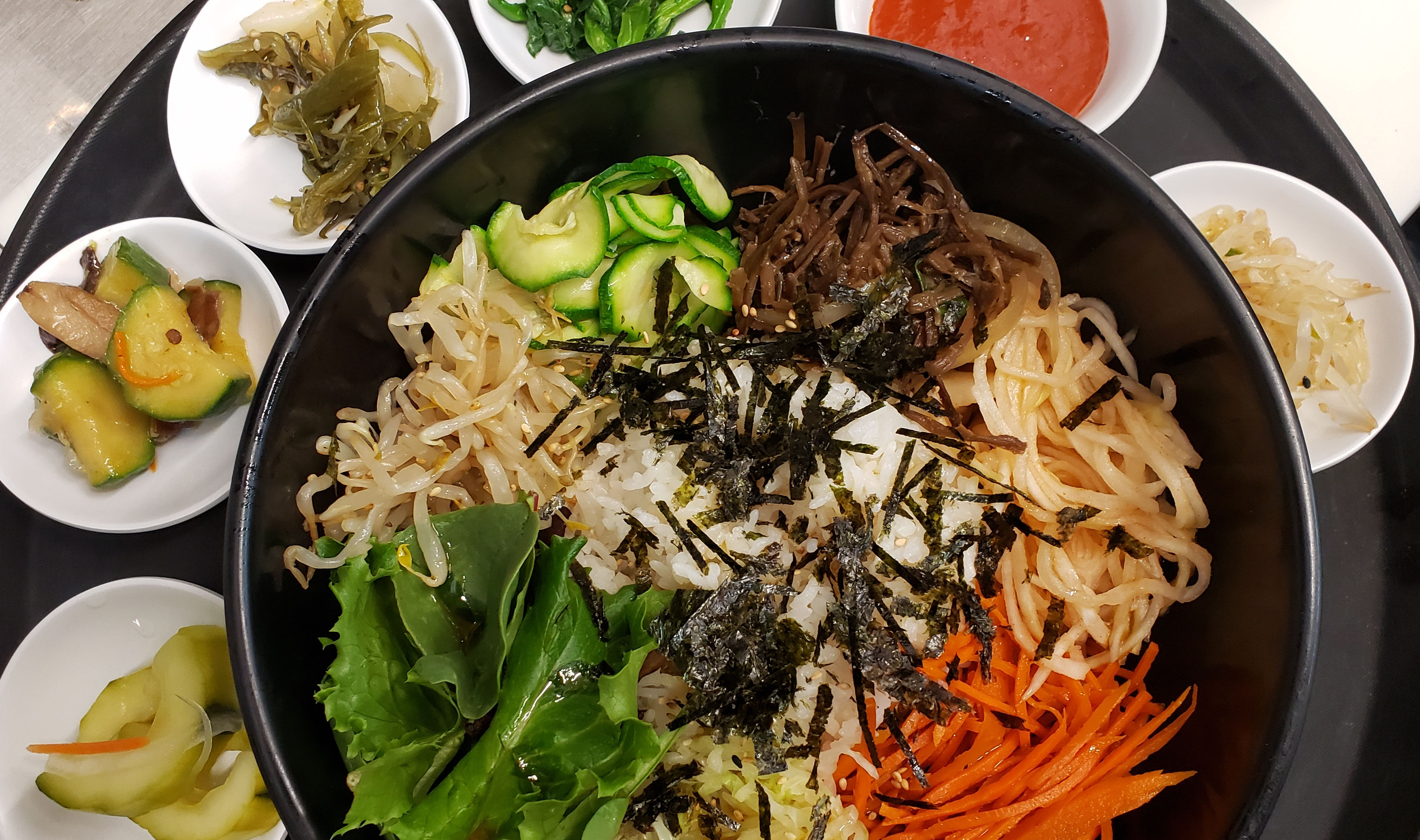
Image by hannaone: Bibimbap
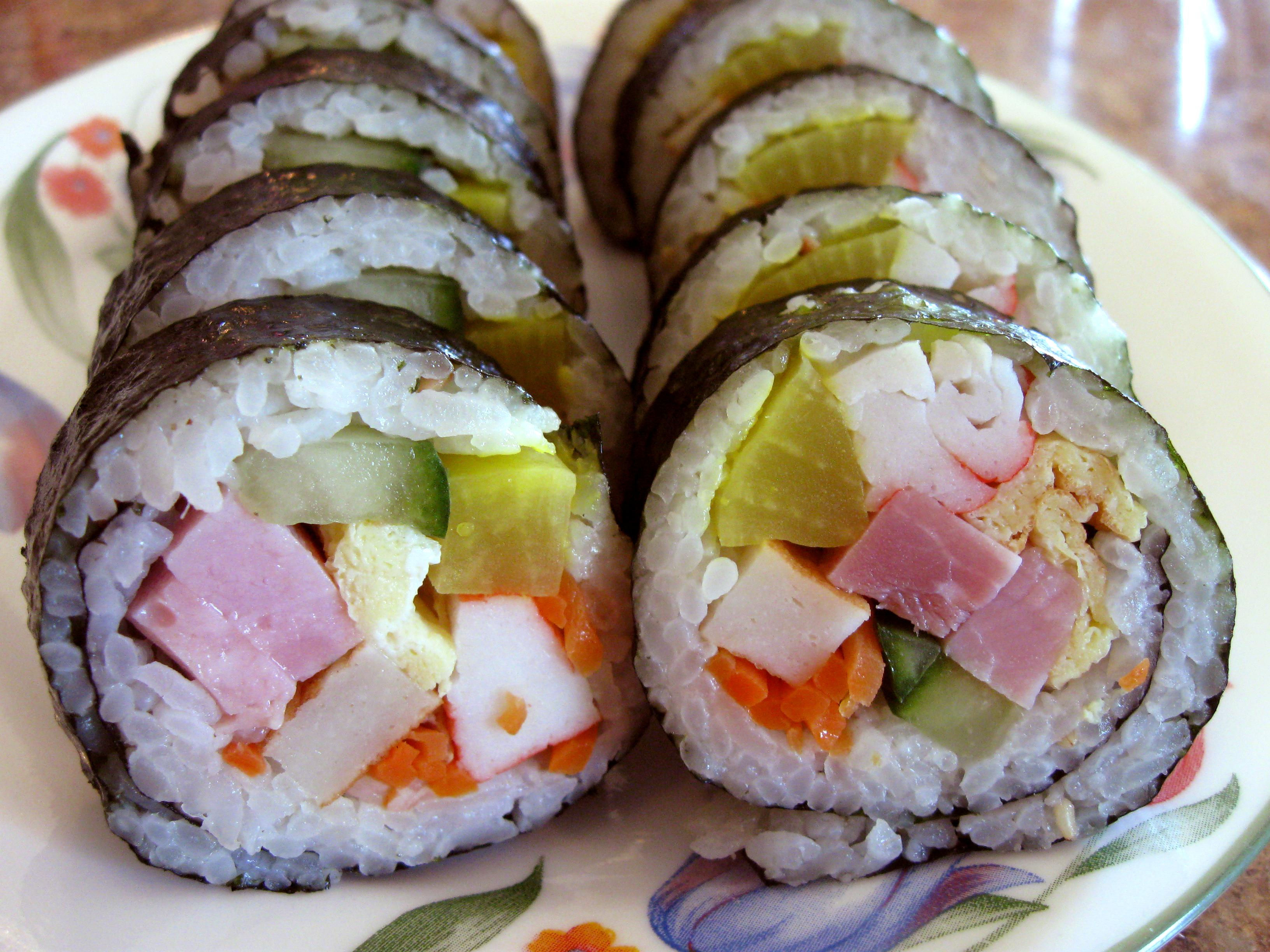
Image by hannaone: Kimbap
Korean Rice Dishes
Article by Gil "hannaone" © Copyright 2007-2026. All rights reserved.
In Korean, rice is called 밥 (bap), and it is far more than just a side dish—it’s the heart of the meal. Whenever you see 밥 on a menu, you can expect rice to be present, whether as a simple bowl or woven into a more elaborate dish. While plain steamed rice is the foundation, Korean cuisine celebrates rice in many different forms.
From our restaurant days, we served classics like traditional steamed bap, bokkeum bap (fried rice), colorful bibimbap, comforting gukbap (rice in soup), and festive rolls of kimbap. We even offered fusion favorites like omu rice and beloved street foods such as tteokbokki. Each dish begins with rice, transformed through technique and flavor into something uniquely satisfying.
The recipes in this section were favorites on our restaurant menu.
Bap Rice
Rice has deep roots in Korean history, with cultivation likely beginning during the Bronze Age (c. 1300–300 BCE), though some evidence suggests earlier experimentation during the Neolithic Chulmun period. Archaeobotanical findings from sites like Heunam-ri confirm that rice gradually replaced millet as the dominant grain, marking a pivotal shift in Korea’s agricultural and culinary identity.
As rice spread from China’s Liaodong region, it adapted to Korea’s temperate climate and fertile river valleys. By the time of the Mumun culture, rice farming was well established, with paddy fields and irrigation systems supporting growing communities. Under Japanese occupation in the early 20th century, Korea’s rice production was industrialized and repurposed to serve imperial needs, with native varieties largely replaced by high-yield Japanese strains.
Over the centuries, rice evolved from a staple crop into a culinary cornerstone, appearing in countless forms:
- Boiled or steamed as the everyday bowl of bap
- Mixed with grains for nutrition and texture
- Used in soups and porridges like juk
- Stir-fried in dishes such as bokkeumbap
- Ground into flour for rice cakes (tteok) and noodles
- Fermented into beverages like makgeolli and soju
- Pounded and shaped for ceremonial offerings and festive treats
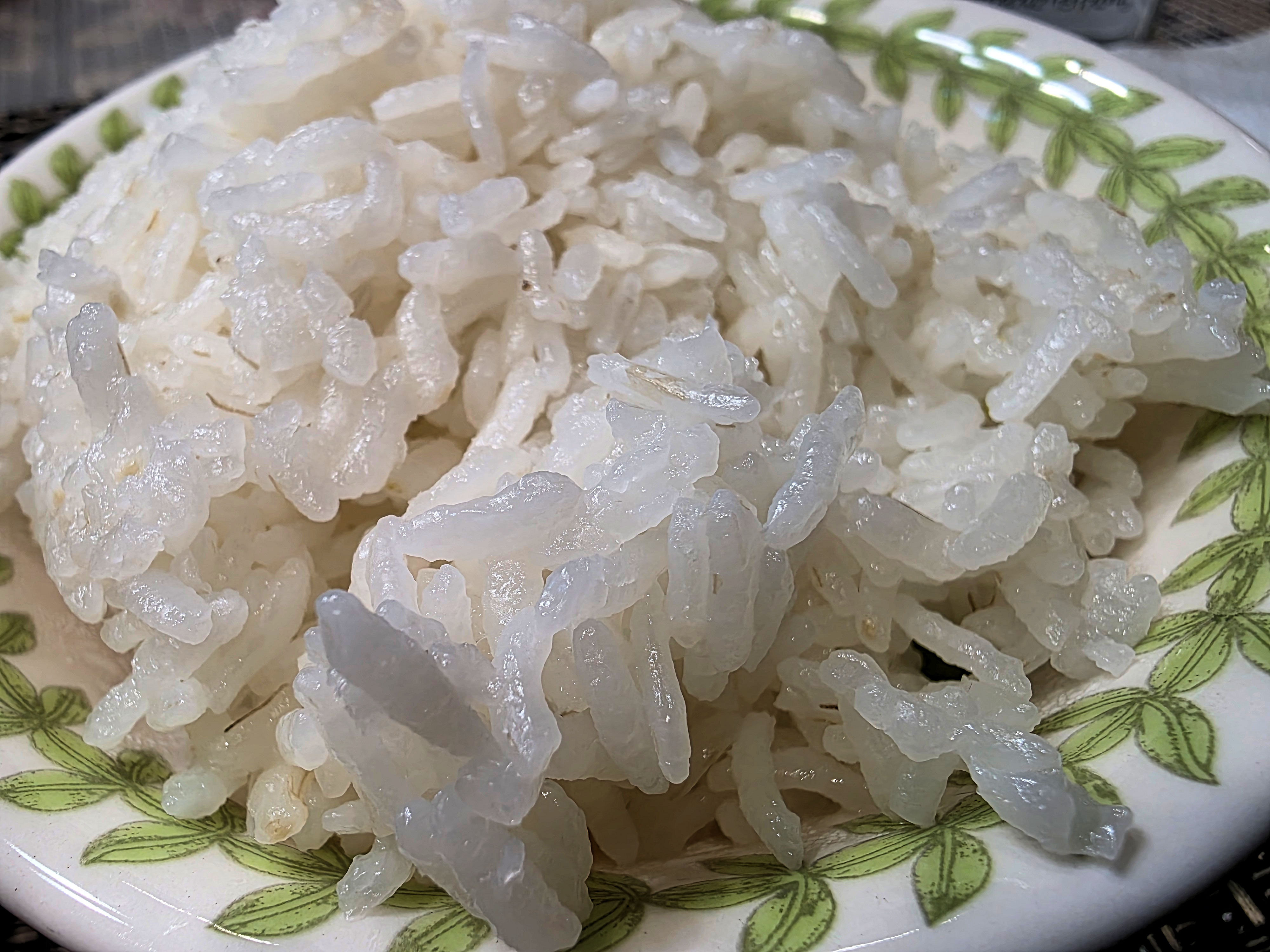
Image: Steamed Rice
Today, rice remains central to Korean cuisine—not just as food, but as a symbol of heritage, resilience, and community. From humble bowls shared at family tables to elaborate dishes served during holidays, rice carries the story of Korea’s agricultural ingenuity and cultural continuity.
Check out Wooltari for Korean food and gifts!
Find it on Amazon! Purchases made through these links help support this site. As an Amazon Associate, we earn from qualifying purchases.