Recipes: Soup

cha

Cha Tea Like Beverages


차 | cha

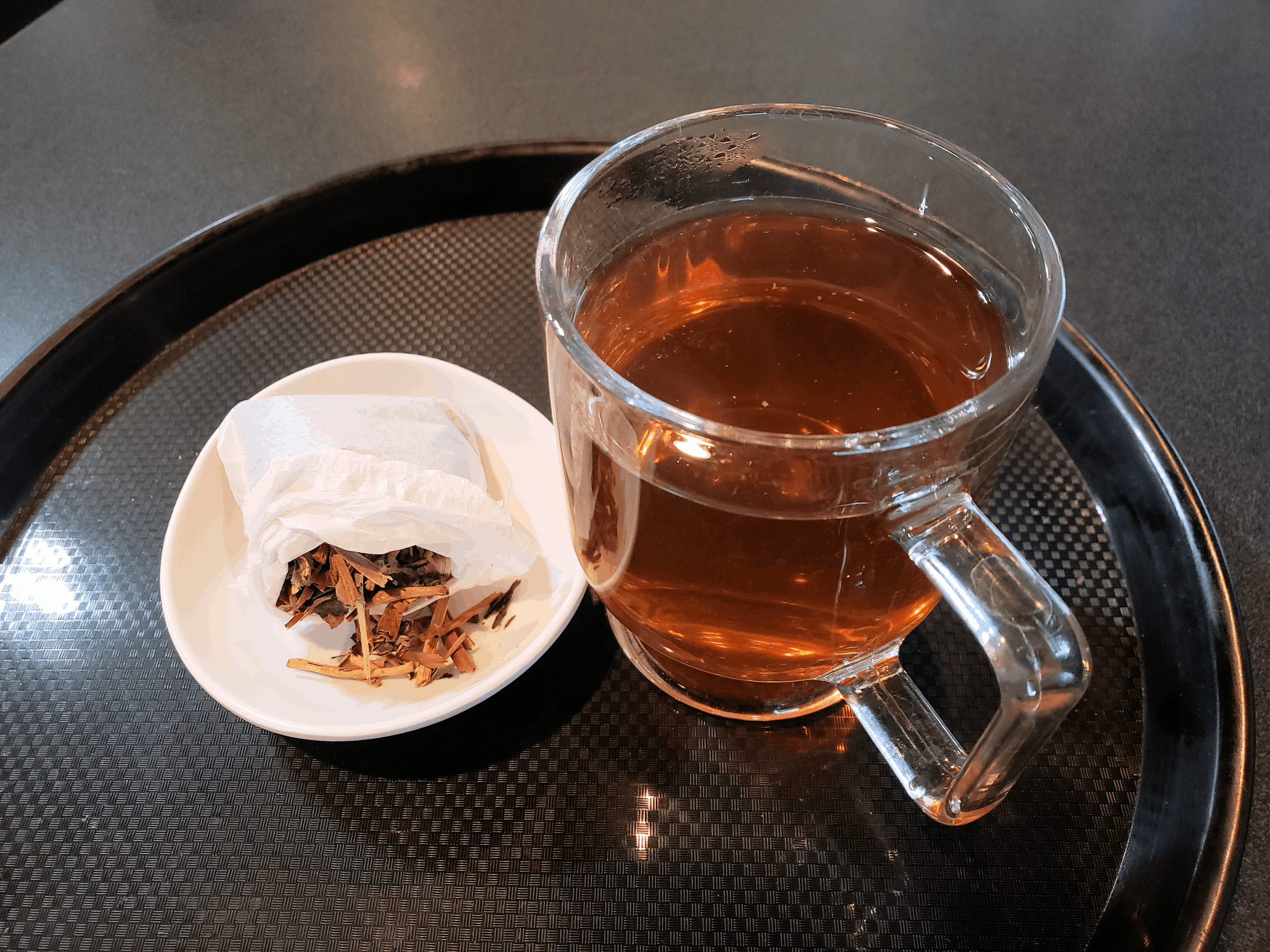
In Korean culture, the word cha (차) simply means “tea,” yet it encompasses far more than beverages made from tea leaves. Over centuries, Koreans have crafted an extraordinary variety of drinks—both medicinal and flavorful—using grains, flowers, herbs, fungi, lichens, and even bark or roots.
Each infusion reflects a balance of tradition and creativity: some are simple, highlighting a single ingredient, while others blend multiple components into complex, aromatic brews. Whether enjoyed for health, comfort, or taste, cha embodies the art of infusion and the celebration of nature’s bounty.
While many of these drinks are available today in bags or loose form, there is a special satisfaction in preparing them yourself from start to finish. The recipes in this section highlight approachable varieties—easy to make, yet rich in history and flavor.
Recipes

The Recipes:


Dang-gwi cha - Angelica Tea
Ueong Cha - Burdock Root Tea
Oksusu Cha - Corn Tea - Corn Tea
Mindeulle Cha - Dandelion Tea
Ppongnamu Cha - Mulberry Tree Tea


Gam Cha - Persimmon tea
Sungneung - Toasted Rice Tea
Sikhye - Korean Rice drink
Subag Cha - Watermelon Tea


StoryTime

Some History

Before tea plants were introduced to Korea, Korean “teas” existed. These early varieties of “cha” were likely used for medicinal purposes and were derived from various plants, lichens, and fungi, each chosen for its perceived health benefits. Some of these teas were even used to flavor water, making the medicinal drinks more palatable.

The appearance of green and/or black tea in Korea can be traced back to the Three Kingdoms period or possibly even earlier. According to legend, Princess Suriratna of India (who later became Queen Heo Hwang-ok) brought tea plants from India to Korea around 48 to 50 AD. This historical connection adds to the rich tapestry of Korean tea culture.

Did You Know?
Korean "Teas" include drinks made from ginger, ginseng, corn, barley, chrysanthemum, pine needles, and much more. 

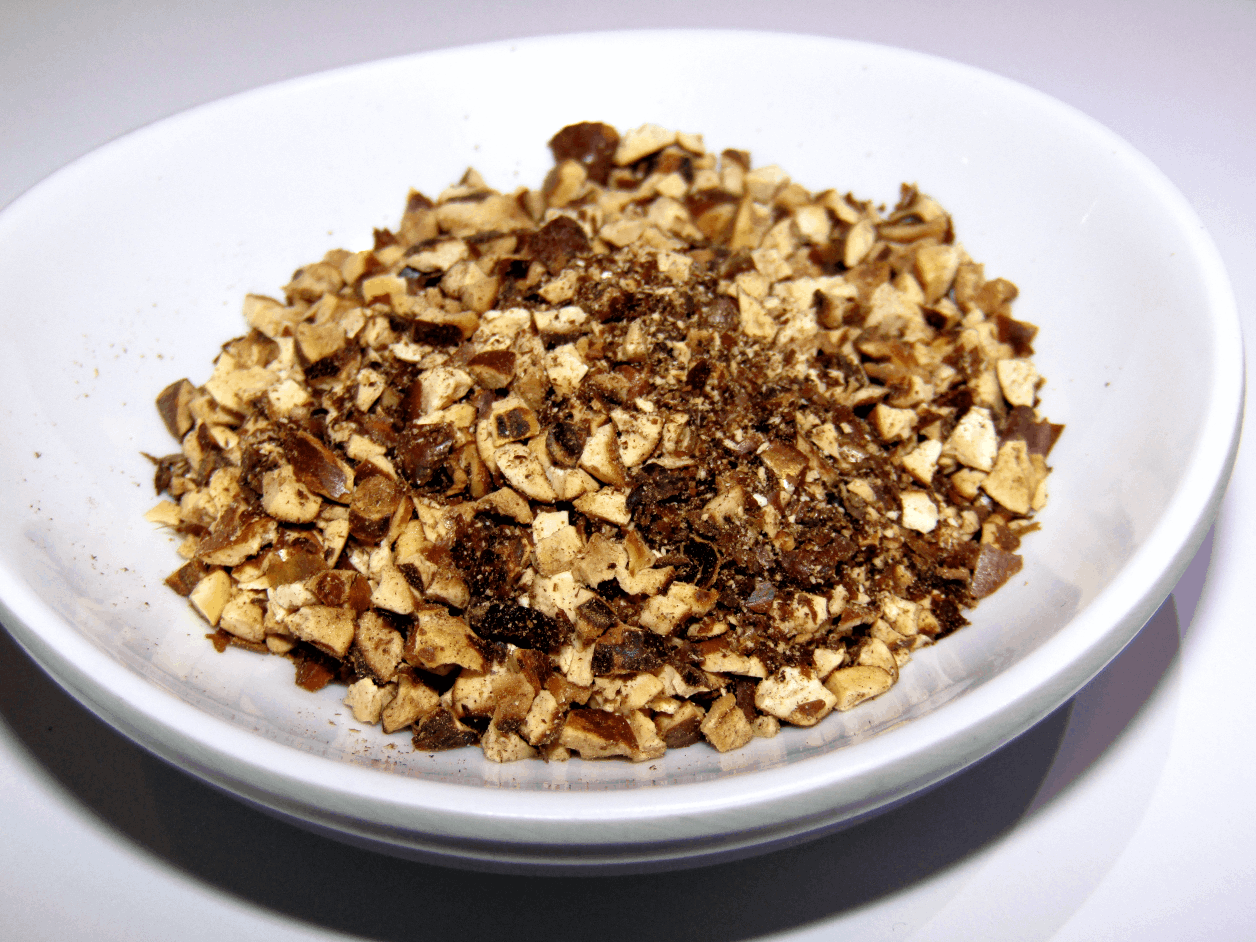
cracked corn for "tea"

hanna-one.com
The Original hannaone

 © 2007–2026 hanna-one.com℠ — All Rights Reserved
This website reflects the original work of hannaone. Korean recipes featured here have been reproduced without permission by the current registrant of hannaone.com.
Affiliate Disclosure:
hannaonetwo.com / hanna-one.com℠ participates in the Amazon Services LLC Associates Program, an affiliate advertising program designed to earn fees by linking to Amazon.com. Purchases made through these links help support this site. As an Amazon Associate, we earn from qualifying purchases.
Image Credits:
Most of the images/photos on this site are by Gil "hannaone", the owner of this website.
Some images on this site are sourced from contributors to Pixabay.com, a royalty‑free image and stock photo platform.  
Additionally, some images have been created using AI prompts by hannaone.