Korea Fantastical
Article by Gil "hannaone" © Copyright 2007-2025. All rights reserved.
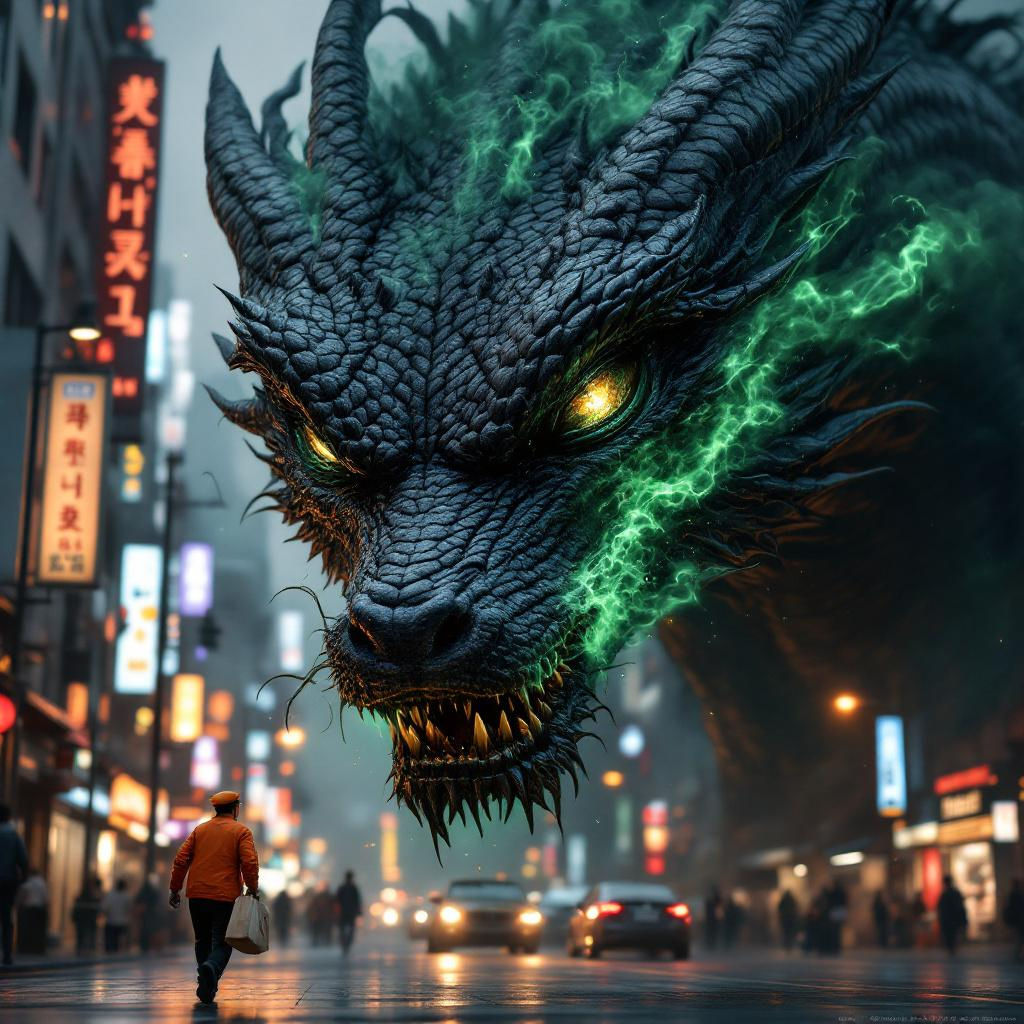
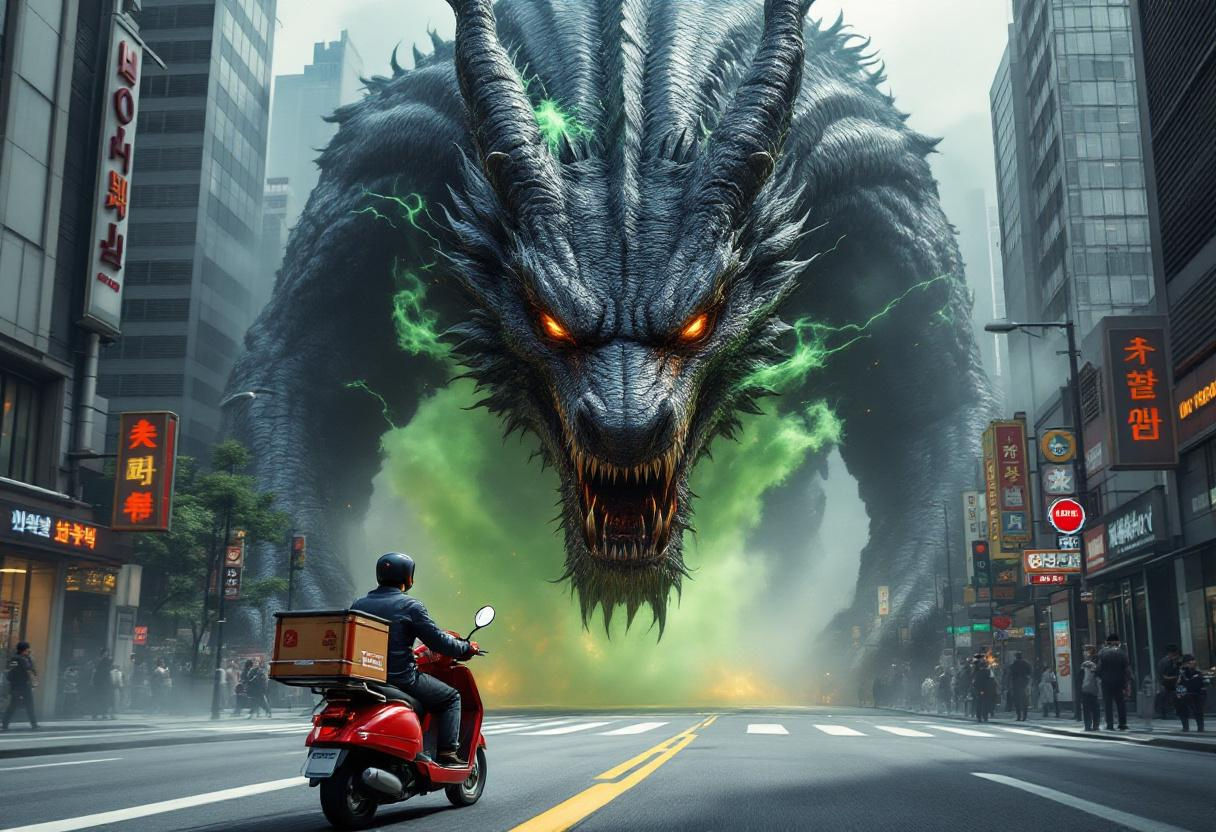
Image by hannaone and AI: Gangcheori
Gangcheori Dragon of Storms, Bringer of Waste and Ruin
강철이 | gangcheori
A venomous storm-dragon of Korean folklore -
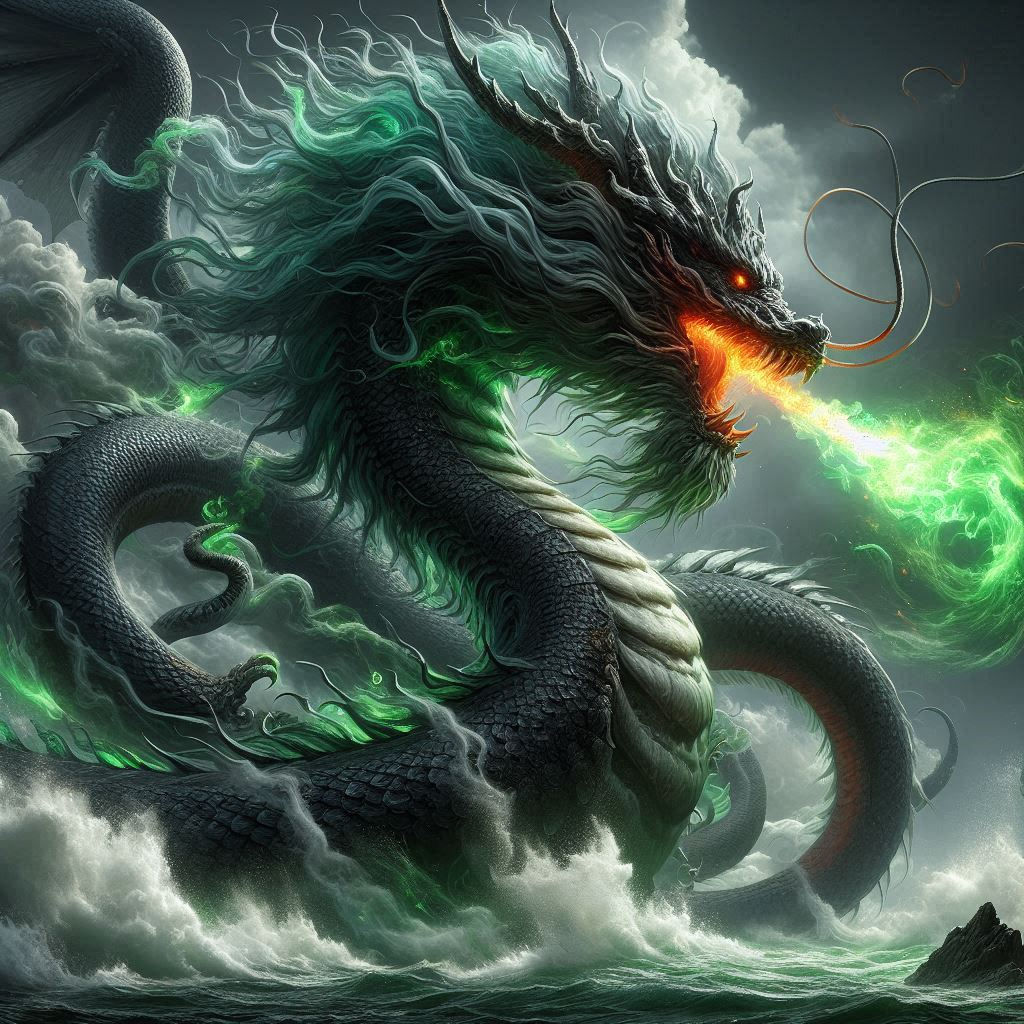
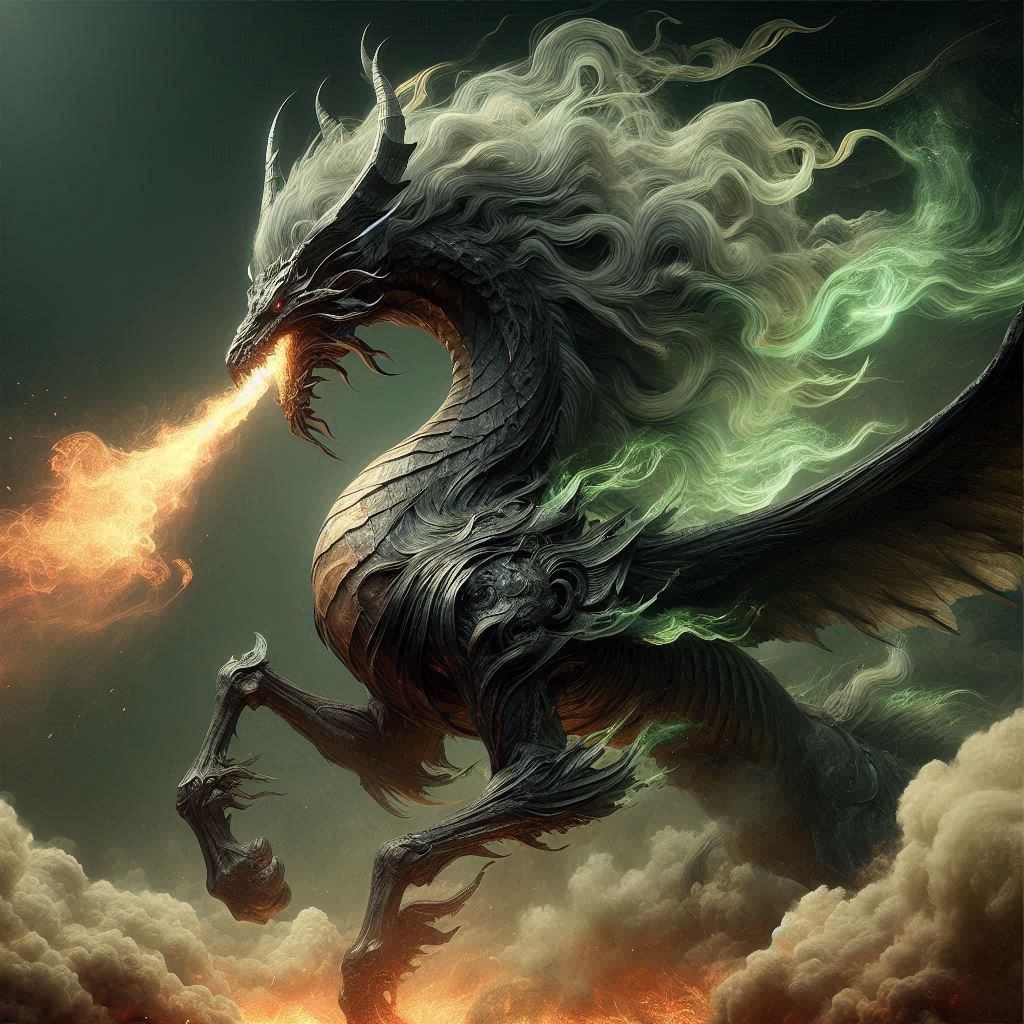
Gangcheori is a rare and ominous dragon-like being mentioned in scattered Joseon-era texts, remembered not as a guardian but as a harbinger of ruin. Unlike the benevolent Yong or the striving Imugi, Gangcheori embodies the poisonous, destructive, and untamed side of nature—a creature whose very presence warps the land.
Nature of the Beast
Surviving references to Gangcheori are fragmentary, more like shadows than stories. They hint at a being that emerged from mist, storm clouds, or the darkness surrounding catastrophic events—comets, eclipses, earthquakes, floods, cyclones, and other cosmic or earthly upheavals.
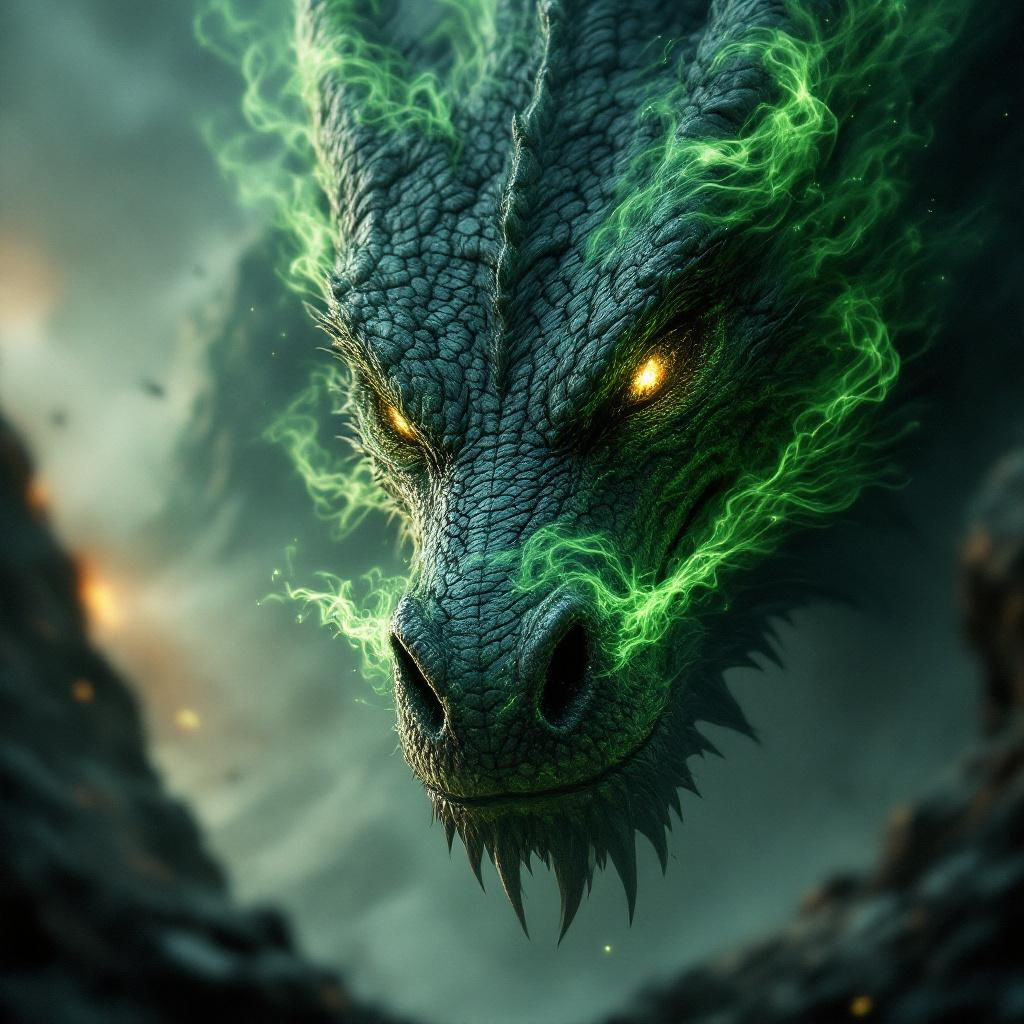
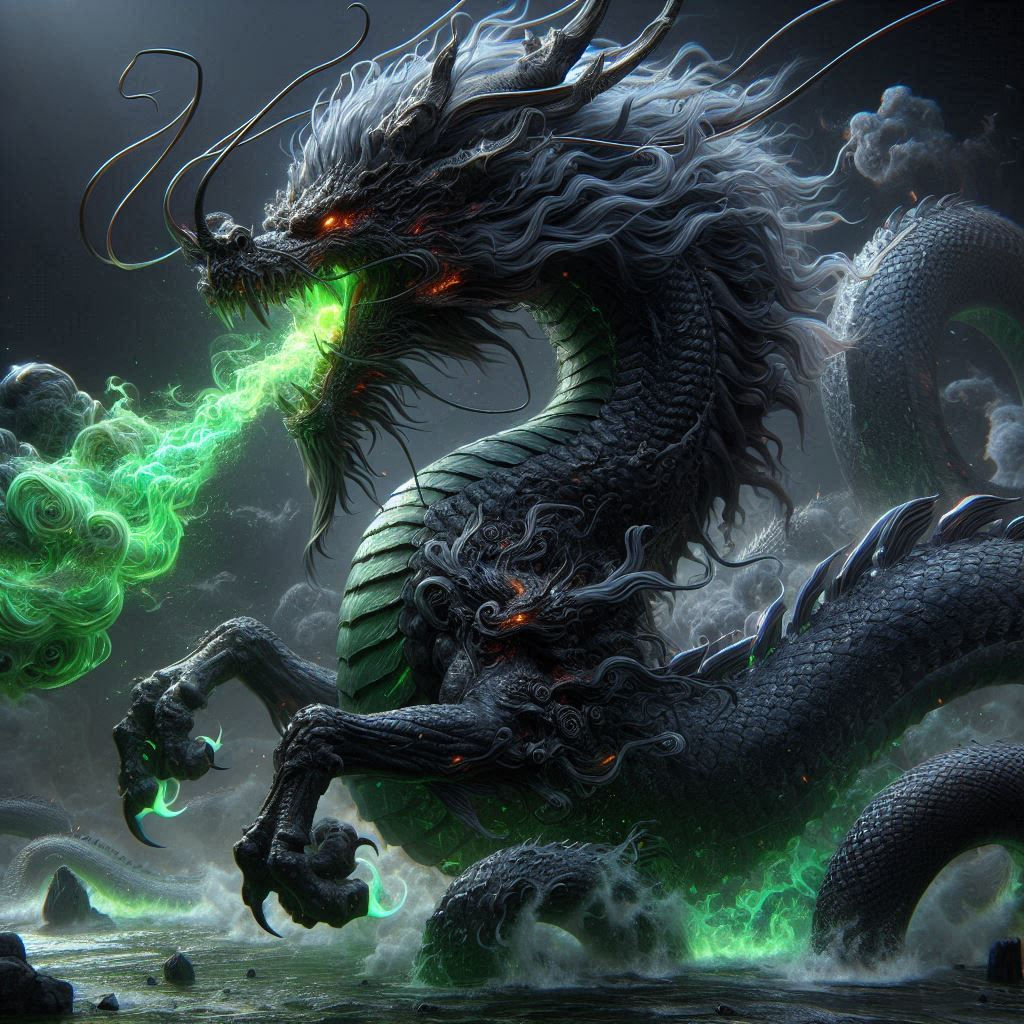
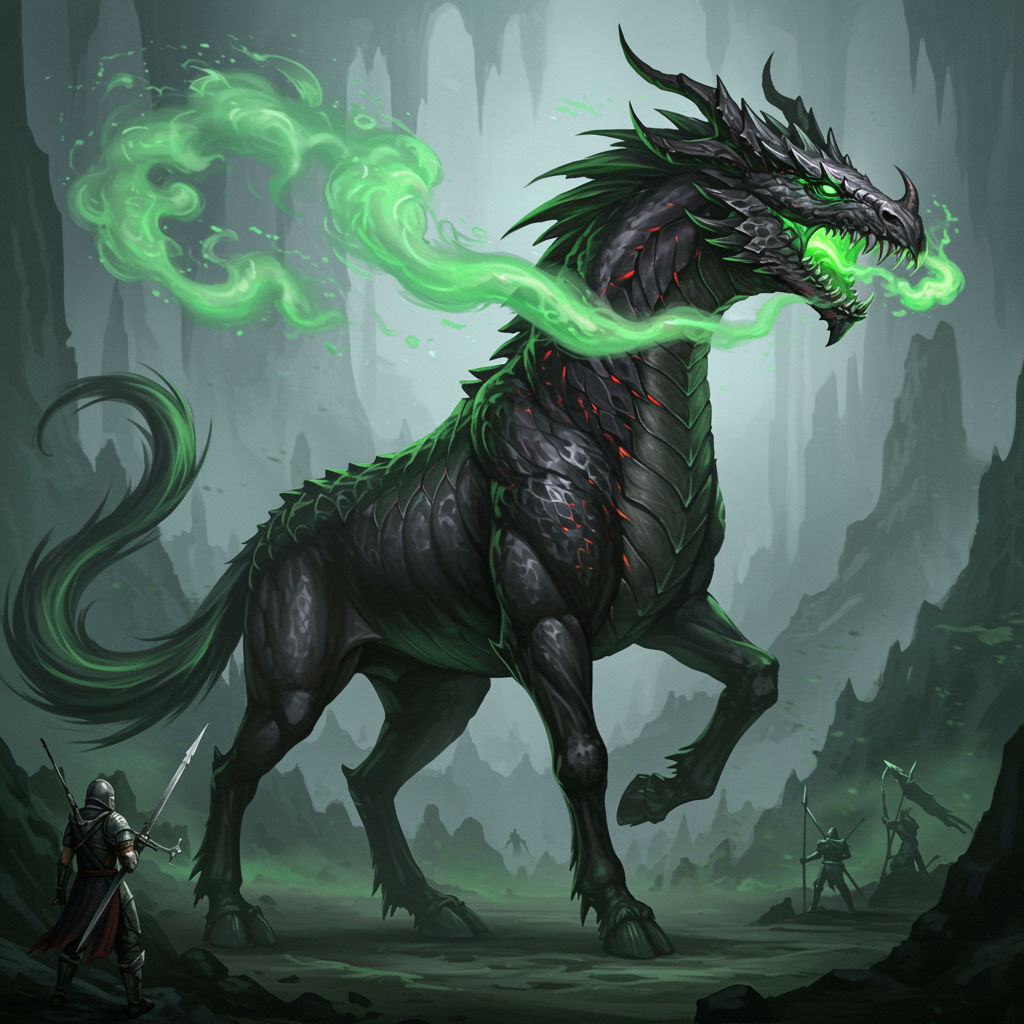
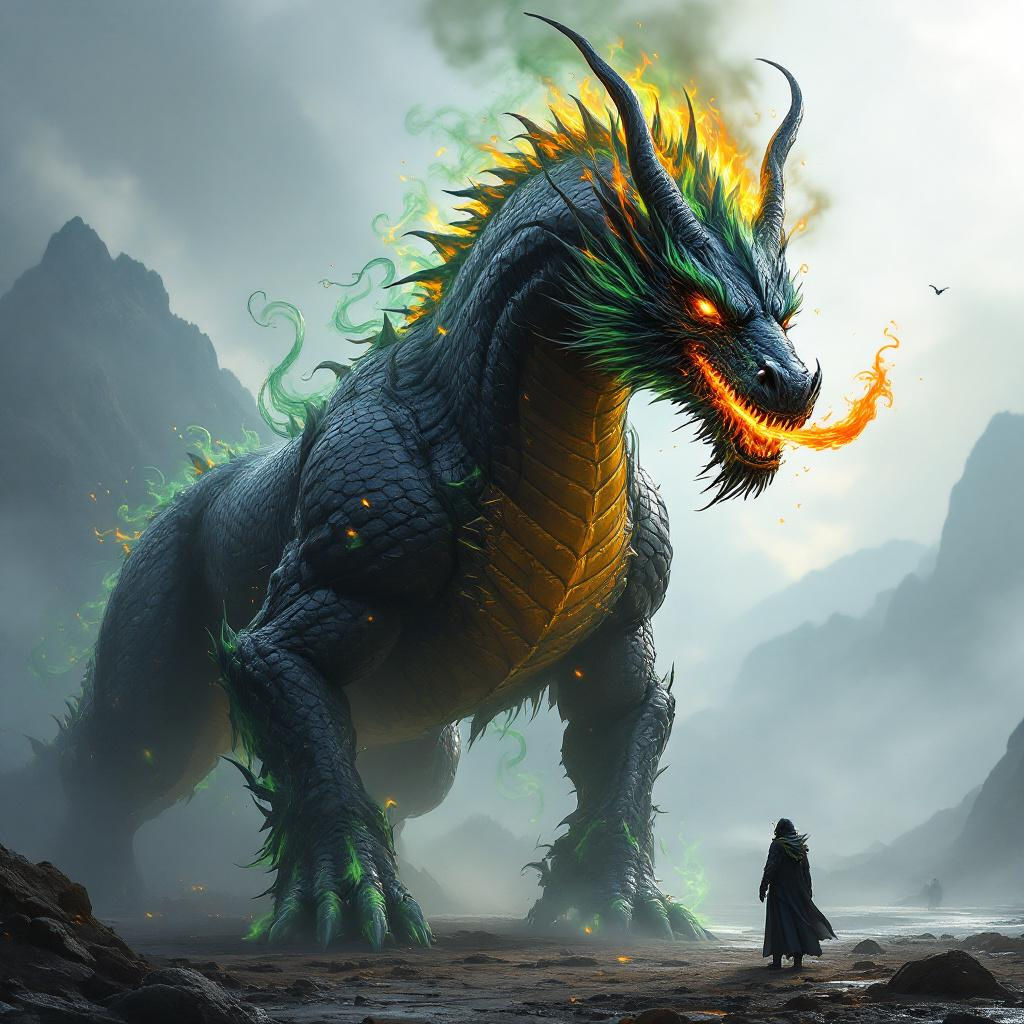
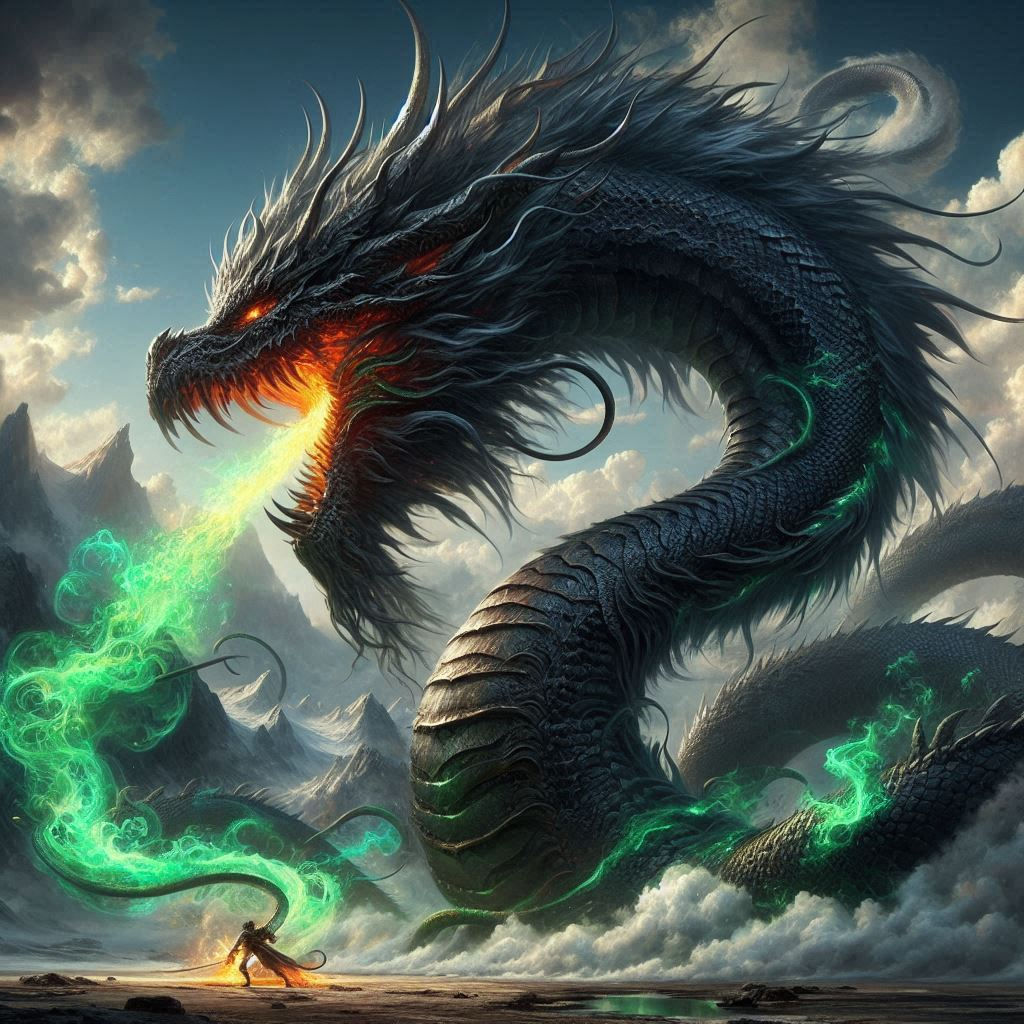
Gangcheori is described as a corrupted offshoot of dragon-kind: serpentine, immense, scaled, and wreathed in toxic vapors. Where a true dragon brings nourishing rain, Gangcheori brings storms that rot the fields. Its defining trait is its venom—so potent that crops wither, rivers turn foul, and animals flee or die in its wake. Some accounts describe its breath as a black miasma; others as a burning, acidic vapor that scorches the air itself.
Devourer of Dragons
One of Gangcheori’s most striking attributes is its role as a dragon-eater. In Korean cosmology, dragons uphold the balance of heaven, earth, and water. A creature that hunts them is not merely dangerous—it is a cosmic aberration. This predatory nature sets Gangcheori apart from nearly every other being in the Korean mythic bestiary.
Storm-Bringer
Gangcheori’s arrival is heralded by catastrophic storms: violent winds, thunderous roars, flooding rains, and lightning that splits mountains. It is not a rain-giver but a storm-breaker, a force of chaos rather than nourishment. Its cry is said to shake the clouds; its passing leaves devastation rather than blessing.
Historical Mentions
Gangcheori appears only in a handful of Joseon-era writings, typically in the context of strange phenomena or natural disasters. Official chroniclers describe it as:
- “a creature like a dragon, but foul,”
- “a serpent that poisons the earth,”
- “a beast whose cry shakes the clouds.”
These fragments give Gangcheori an eerie, half-documented quality—like a shadow flickering at the edge of the historical record, too real to dismiss yet too elusive to fully define.
Symbolism & Interpretation
The Anti-Dragon
Gangcheori is the corrupted inversion of Yong, the true dragon. Instead of order, prosperity, and rightful kingship, it represents disorder, famine, and ecological collapse. It is the dragon that should not exist.
Personification of Environmental Catastrophe
In pre-modern Korea, storms, crop blight, poisoned wells, and sudden ecological shifts were existential threats. Gangcheori may have served as a mythic explanation for toxic algae blooms, volcanic ash, drought-breaking storms that destroyed more than they nourished, or other environmental disasters that defied understanding.
A Cosmic Predator
Its role as a dragon-devourer suggests a mythic ecosystem where even the highest beings have predators. This adds a darker, more dynamic edge to Korean dragon lore—one where cosmic order is not guaranteed, and even divine creatures can fall prey to corruption.
In Popular Culture
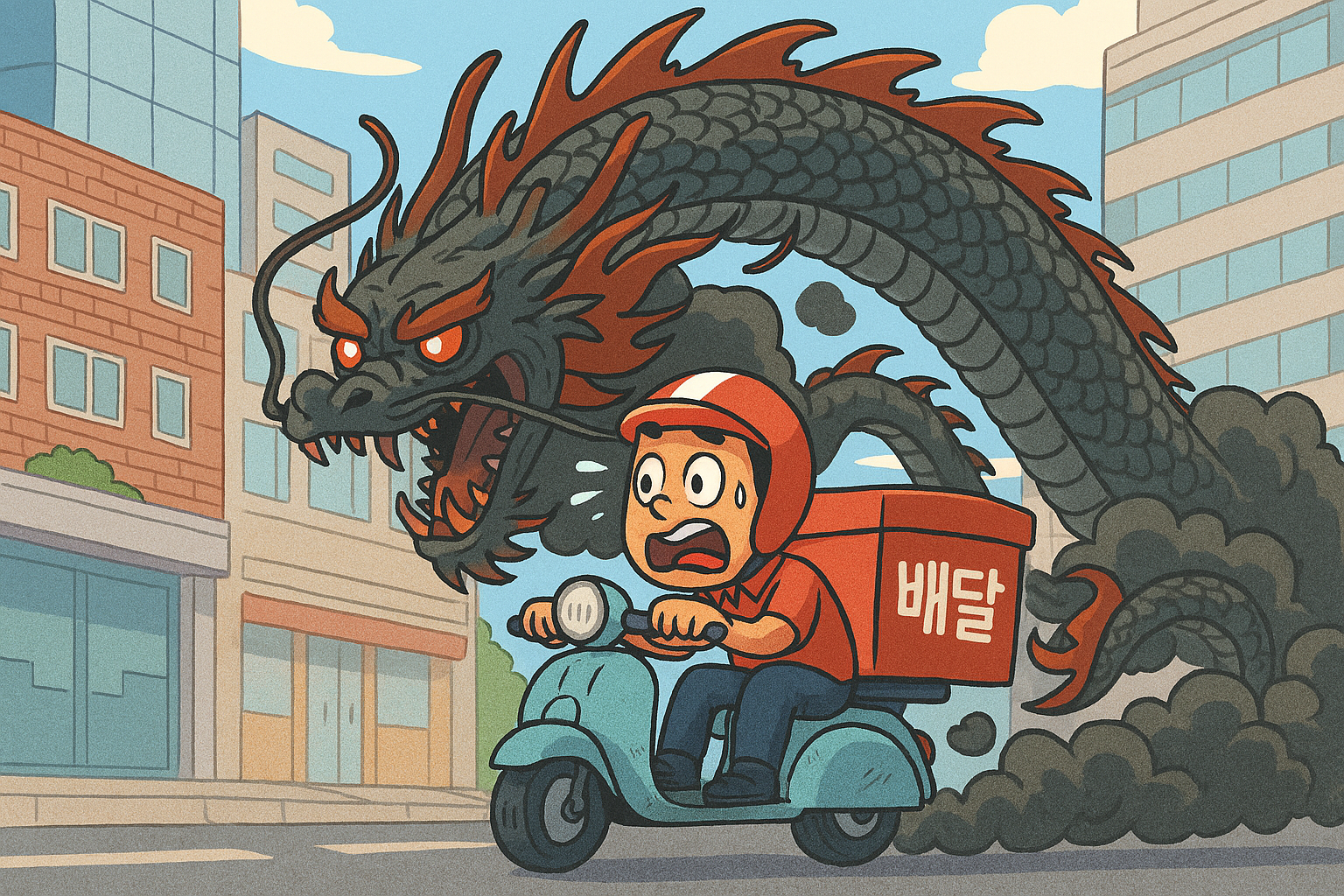
Gangcheori has recently appeared in the 2025 K‑Drama "Haunted Palace", where it is reimagined as a cursed guardian spirit rather than a purely destructive force. This modern portrayal emphasizes tragedy, environmental themes, and emotional complexity, reflecting contemporary reinterpretations of traditional Korean monsters.
Comment?