Korea Fantastical
Article by Gil "hannaone" © Copyright 2007-2026. All rights reserved.
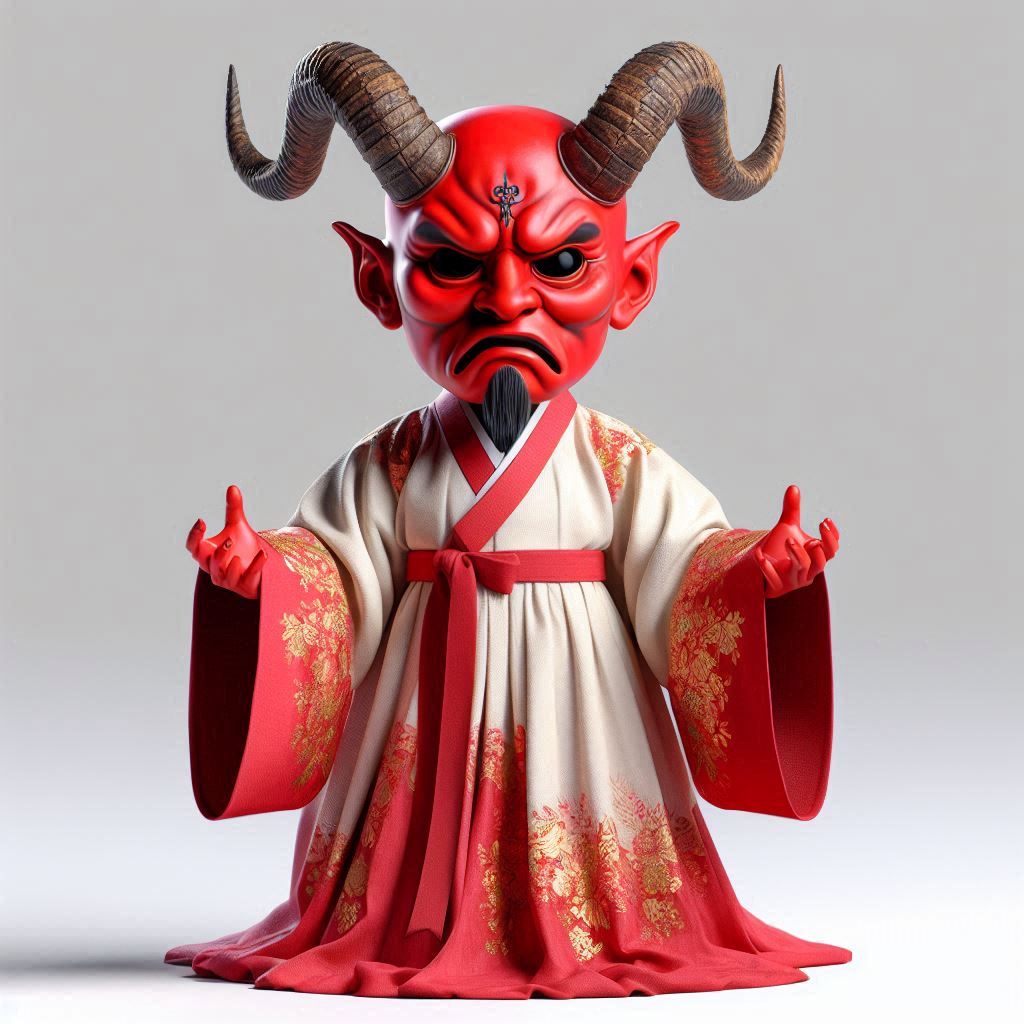
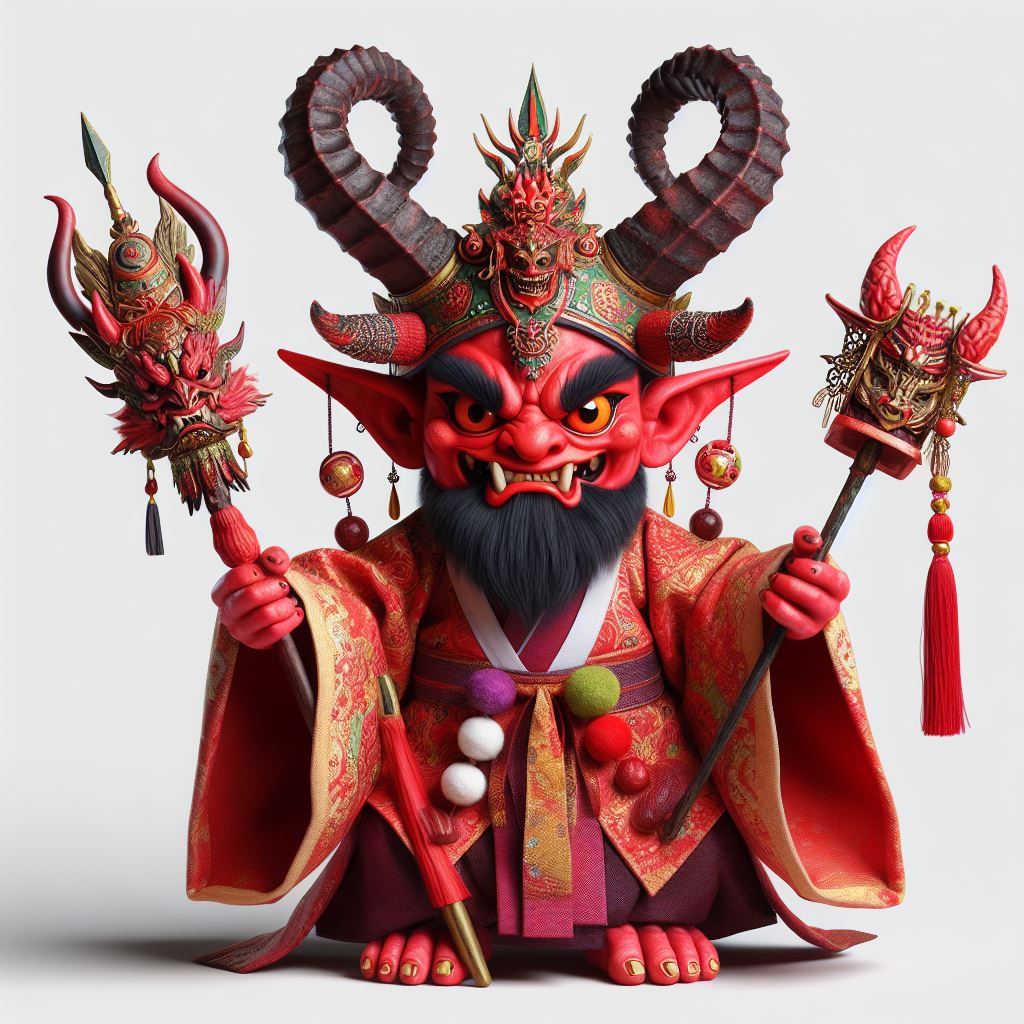
Image by hannaone and AI: Dokkaebi
Dokkaebi Korea’s Mischievous and Mighty Goblins
도깨비 | dokkaebi
Few creatures in Korean folklore are as beloved—or as unpredictable—as the Dokkaebi. These supernatural beings straddle the line between spirit, goblin, and elemental force, delighting in pranks, wrestling matches, and the occasional act of unexpected generosity. Feared, revered, and endlessly entertaining, Dokkaebi have shaped Korean imagination for centuries, embodying the wild, humorous, and mysterious side of the unseen world.
They are tricksters with thunder in their pockets, sages with a taste for rice wine, and wrestlers who challenge humans under the moonlight. Whether they’re blessing a humble farmer or tormenting a greedy merchant, one thing is certain: a Dokkaebi encounter is never boring.
Where Do Dokkaebi Come From?
Unlike ghosts, Dokkaebi are not the lingering spirits of the dead. Instead, they arise from the spiritual energy of objects—especially those that have been used for many years and have absorbed the emotions, habits, and memories of their owners.
- A worn-out broom that swept generations of floors
- A farmer’s hoe that endured decades of harvests
- A pot that simmered countless meals
When such objects accumulate enough emotional resonance, they may awaken into a Dokkaebi—mischievous, powerful, and very much alive.
Other folktales offer alternative origins:
- Tragic human deaths: A person who dies with deep regret or violent trauma may merge with a cherished object, creating a new Dokkaebi.
- Natural forces: Lightning striking a tree, a whirlwind tearing through a mountain pass—these elemental events can give birth to especially powerful Dokkaebi.
There is no single origin story, and that ambiguity is part of their charm. Dokkaebi are creatures of the in-between: half-object, half-spirit, fully unpredictable.
The Dual Nature of Dokkaebi
Dokkaebi are famous for their two-sided personality. They can be benevolent guardians or chaotic troublemakers, depending on their mood—and the behavior of the humans they encounter.
Their Good Side
- Blessing villages with abundant harvests
- Guiding lost travelers
- Rewarding kind or humble people
- Using their supernatural strength to defend the weak
Some stories portray them as lonely but friendly beings who simply want companionship, a drinking buddy, or someone to wrestle.
Their Mischievous (and Sometimes Dangerous) Side
- Playing pranks on humans—stealing food, hiding tools, or shapeshifting to confuse travelers
- Punishing arrogance, greed, or cruelty
- Spreading misfortune, illness, or chaos when angered
- Challenging humans to wrestling matches they almost always win
Their appearance reflects this duality: sometimes cute and childlike, sometimes grotesque and fearsome. A Dokkaebi can be your best friend or your worst nightmare—often both in the same night.
Types of Dokkaebi
Korean folklore includes many varieties of Dokkaebi, each with its own quirks:
- Cham Dokkaebi (참도깨비) – The “true” mischievous goblin; playful but not evil.
- Gae Dokkaebi (개도깨비) – A more malevolent type, known for causing harm.
- Gaksi & Chonggak Dokkaebi (각시 / 총각도깨비) – Maiden and bachelor Dokkaebi who charm or seduce humans.
- Go Dokkaebi (고도깨비) – Skilled warriors, especially adept with bows and arrows.
- Kim Seobang Dokkaebi (김서방 도깨비) – A foolish, farmer-like goblin known for comedic antics.
- Nat Dokkaebi (낮도깨비) – Rare daytime Dokkaebi who gift humans with magical hats.
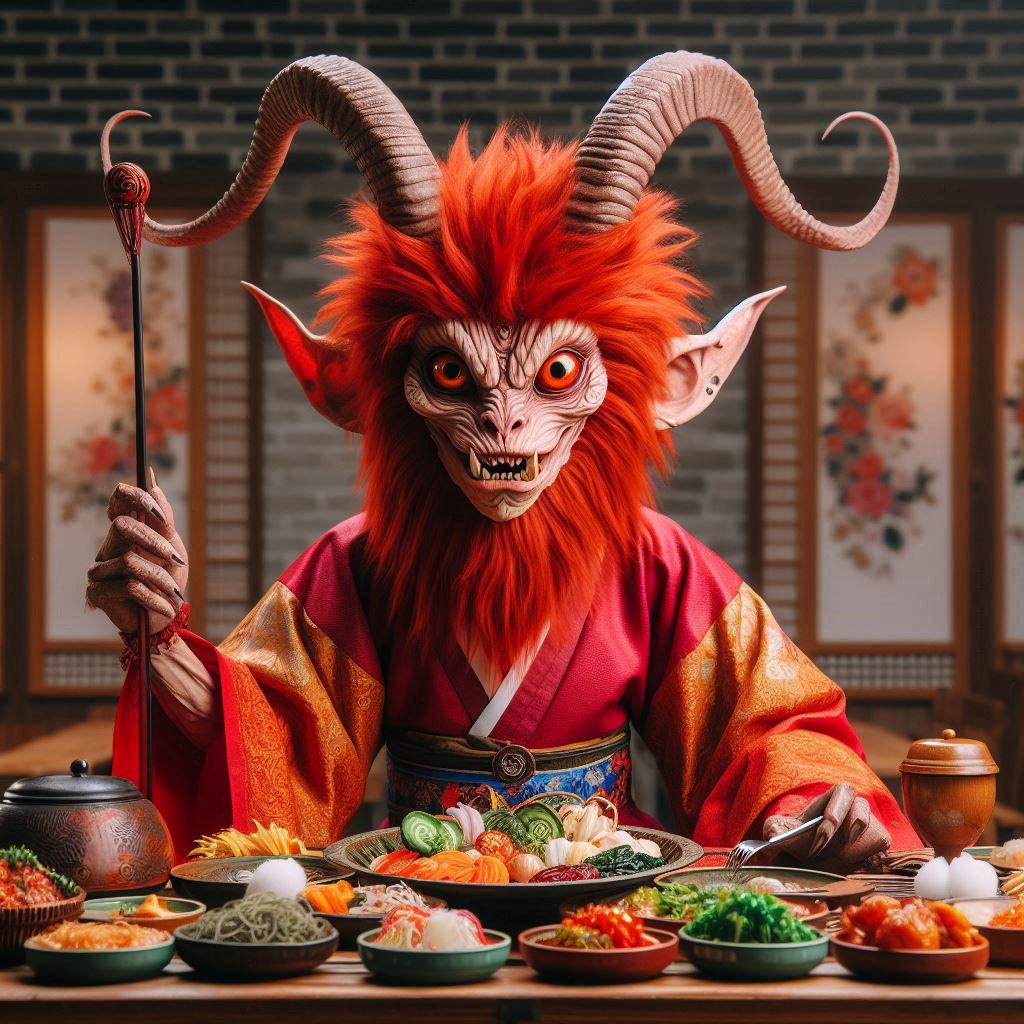
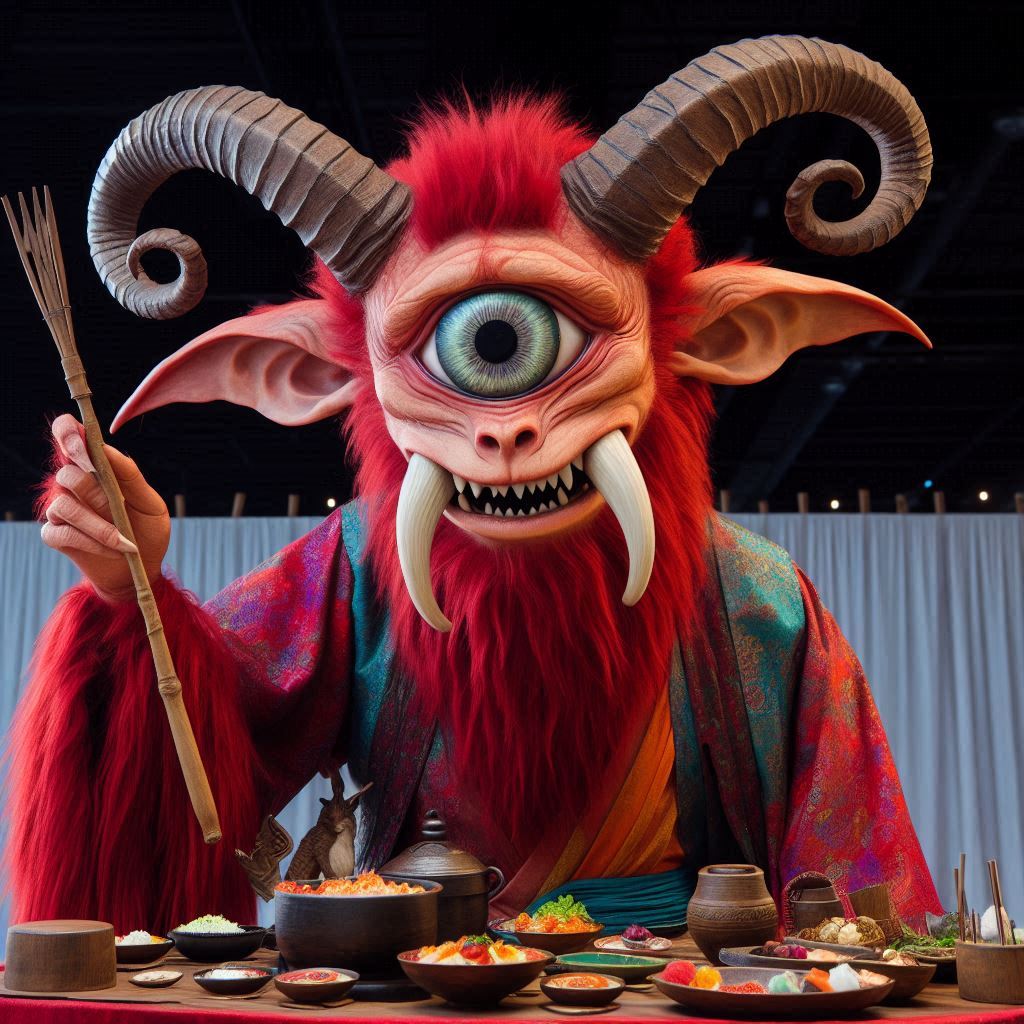
- Oenun Dokkaebi (외눈도깨비) – One-eyed, gluttonous goblins with enormous appetites.
Each type adds a different flavor to the folklore—some humorous, some terrifying, all unforgettable.
Magical Items of the Dokkaebi
Dokkaebi are rarely seen without their arsenal of enchanted tools. These items are as iconic as the goblins themselves:
- Dokkaebi Fire (도깨비불) – Blue flames or floating lights that signal their presence.
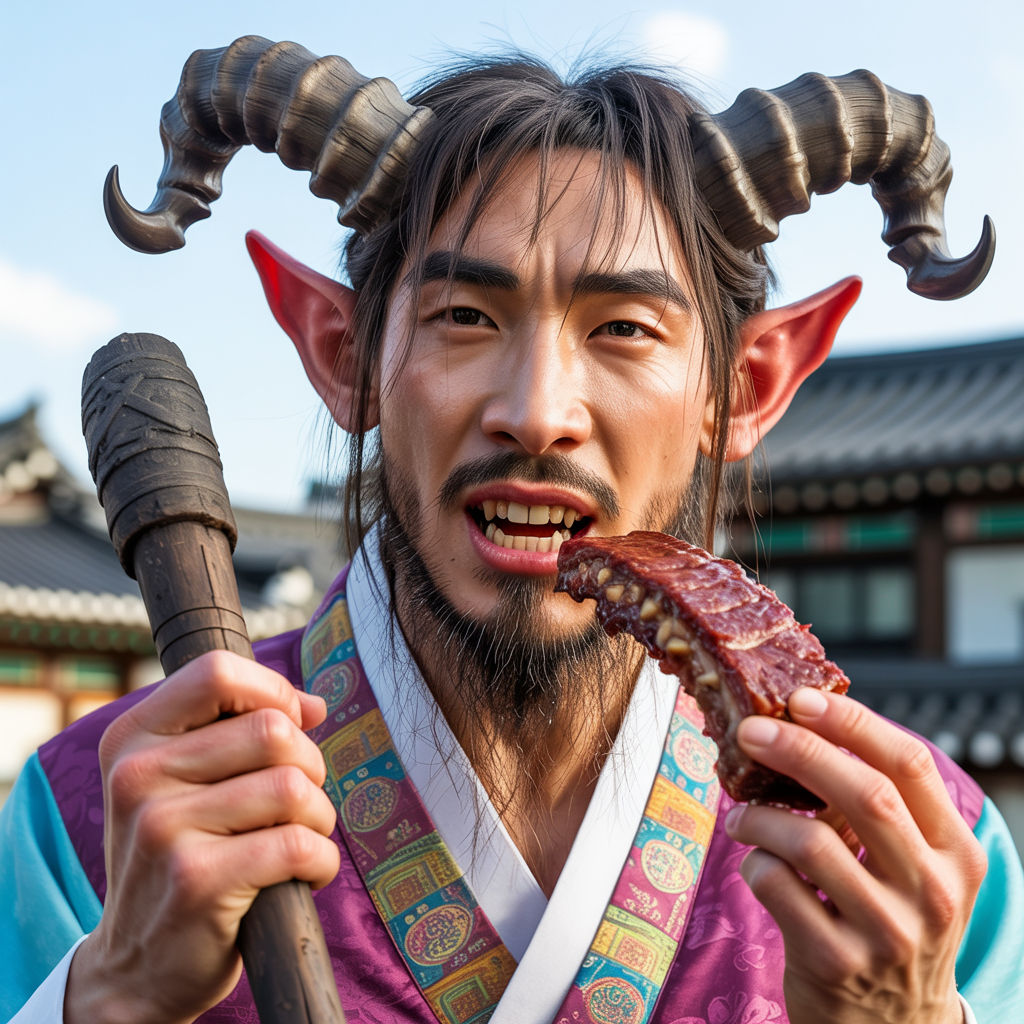
- Bangmangi (방망이) – A magical club that can summon anything the wieler desires.
- Gamtu (감투) – An invisibility hat that can also manipulate minds.
- Moktak (목탁) – A wooden drum that summons storms and controls the wind.
- Gourd of Plenty – Produces endless food and drink.
- Yeopjeon (엽전) – Enchanted coins that grant wishes or create illusions.
- Flying Feather – A rare item that allows a Dokkaebi to soar through the sky.
These treasures often appear in folktales where clever humans trick Dokkaebi into giving them up—only to discover that magical gifts come with magical consequences.
Other Abilities
Beyond their tools, Dokkaebi possess a wide range of supernatural powers:
- Shape-shifting into animals, humans, or objects
- Divination and fortune-telling
- Superhuman strength and speed
- Control over life and death in some legends
- Self-resurrection, making them nearly impossible to kill
Their abilities vary from story to story, but one theme remains constant: Dokkaebi are forces of nature, not to be underestimated.
Appearance
Dokkaebi appearances are as varied as their personalities. They may be:
- Small and furry or tall and lanky
- One-legged, one-eyed, or oddly proportioned
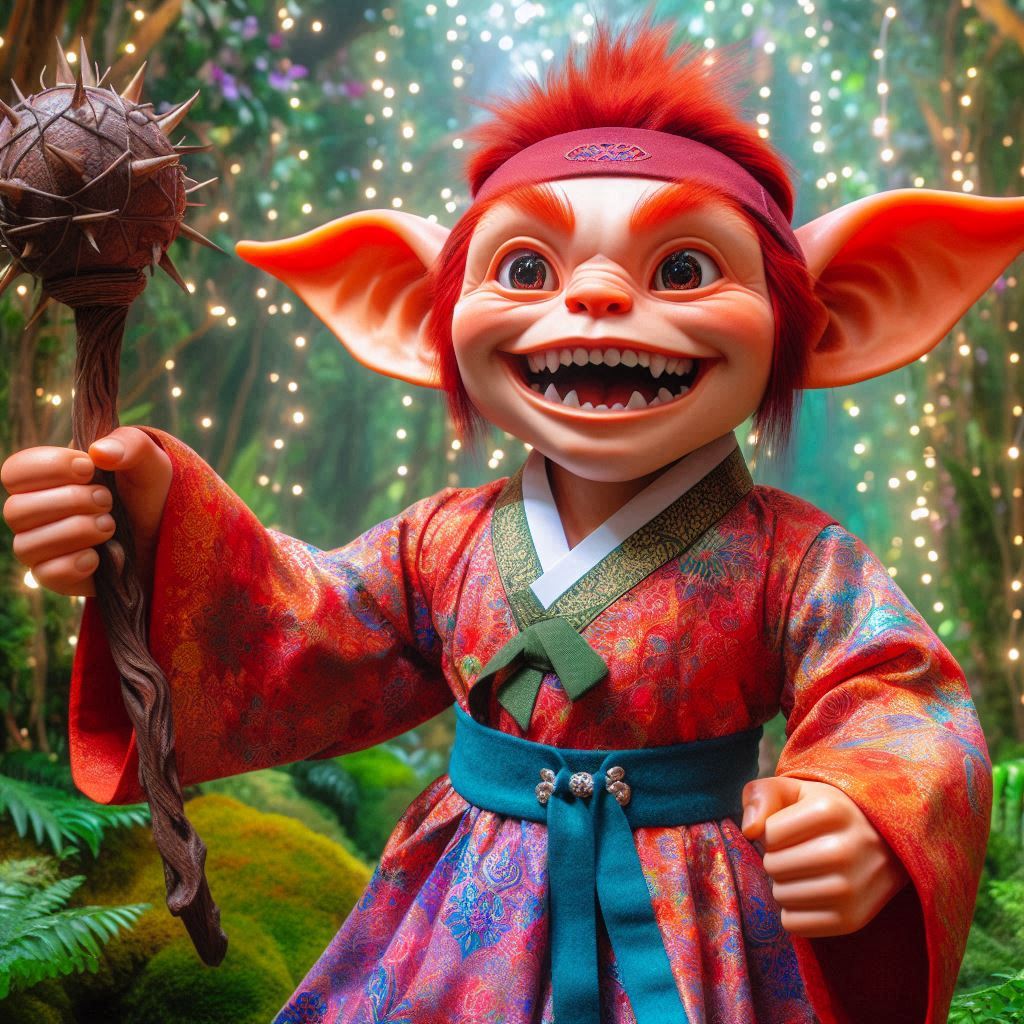
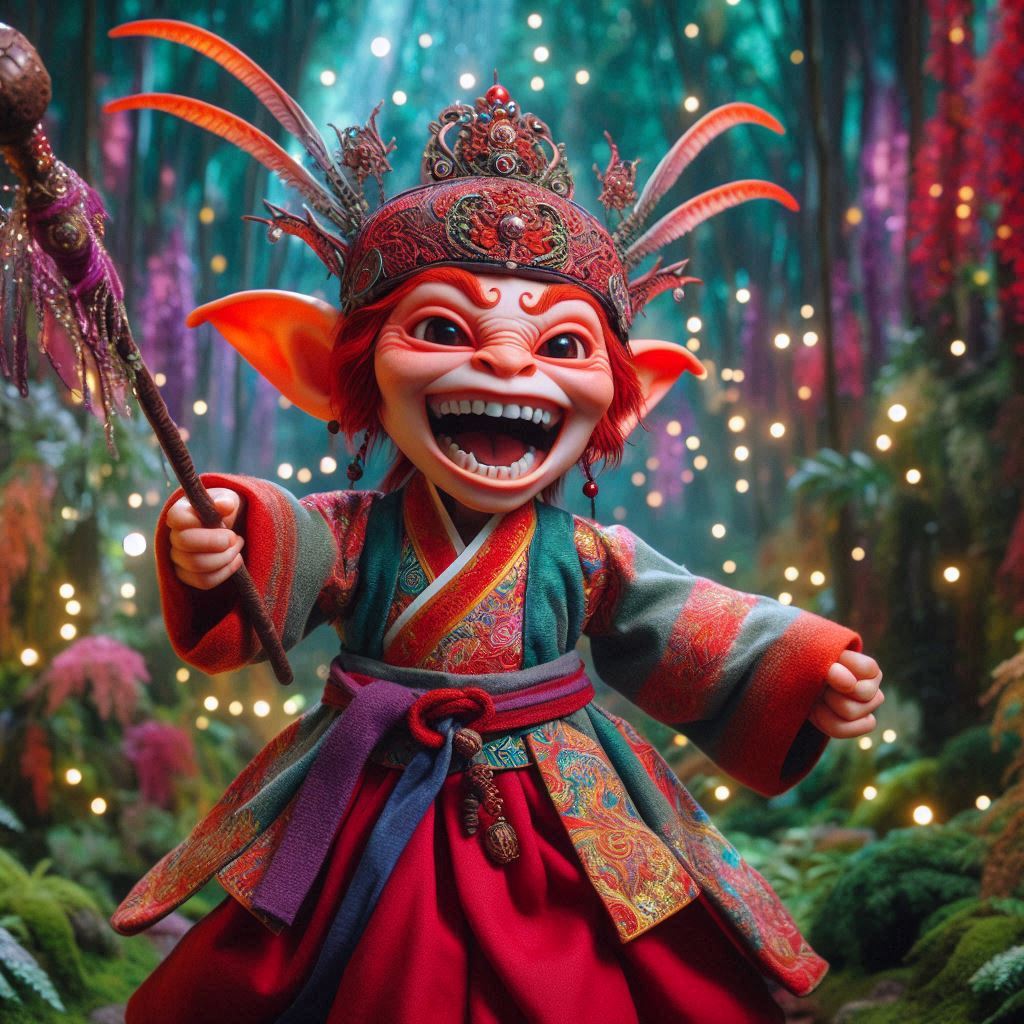
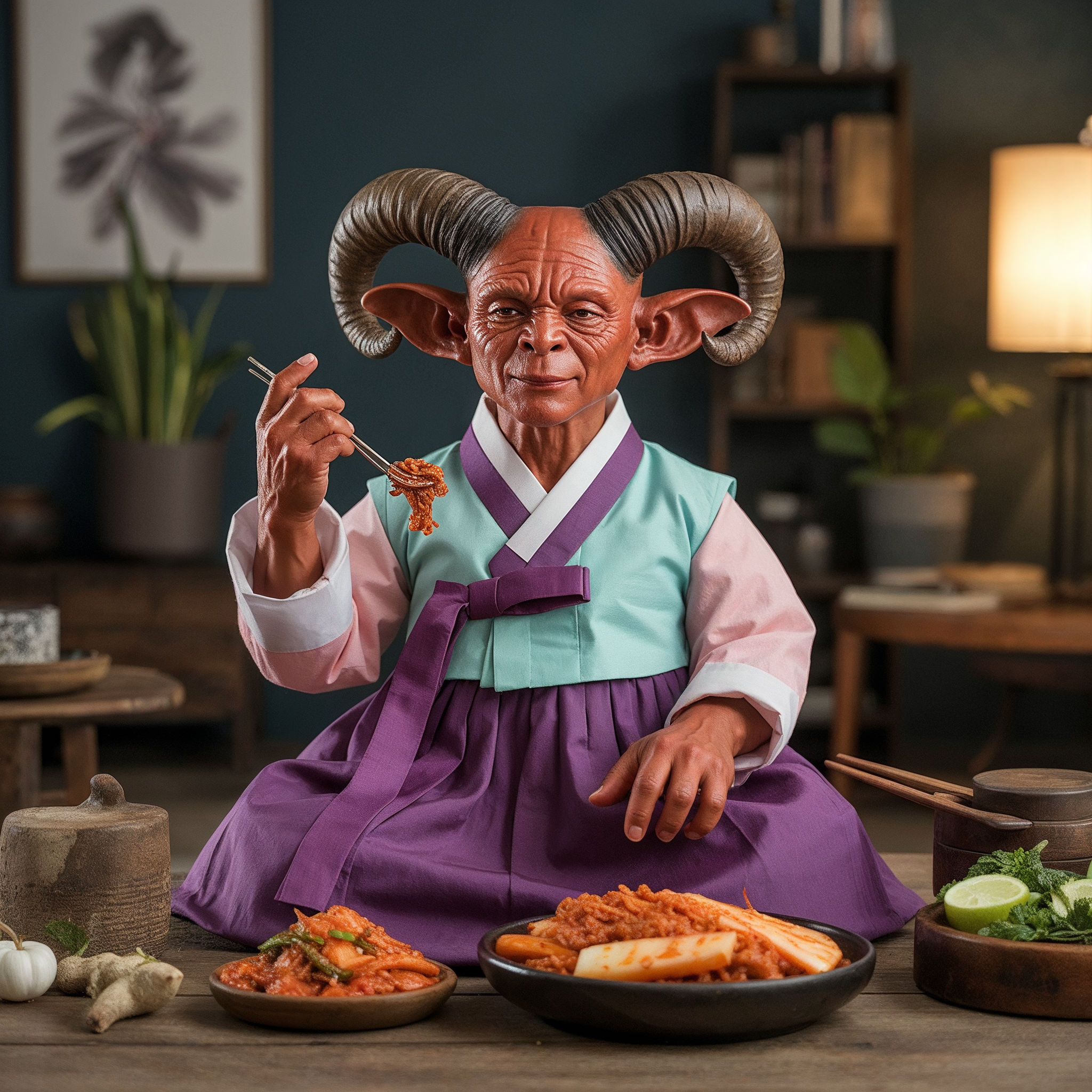
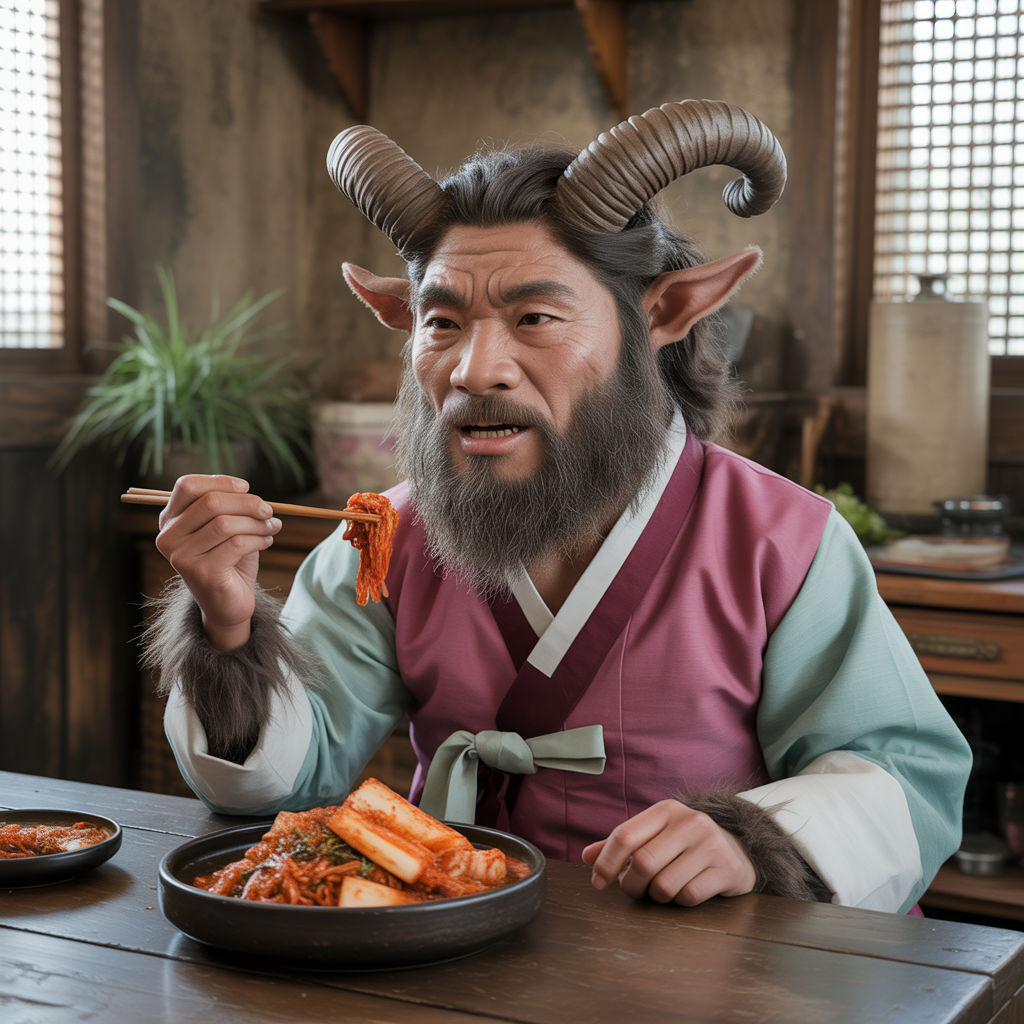
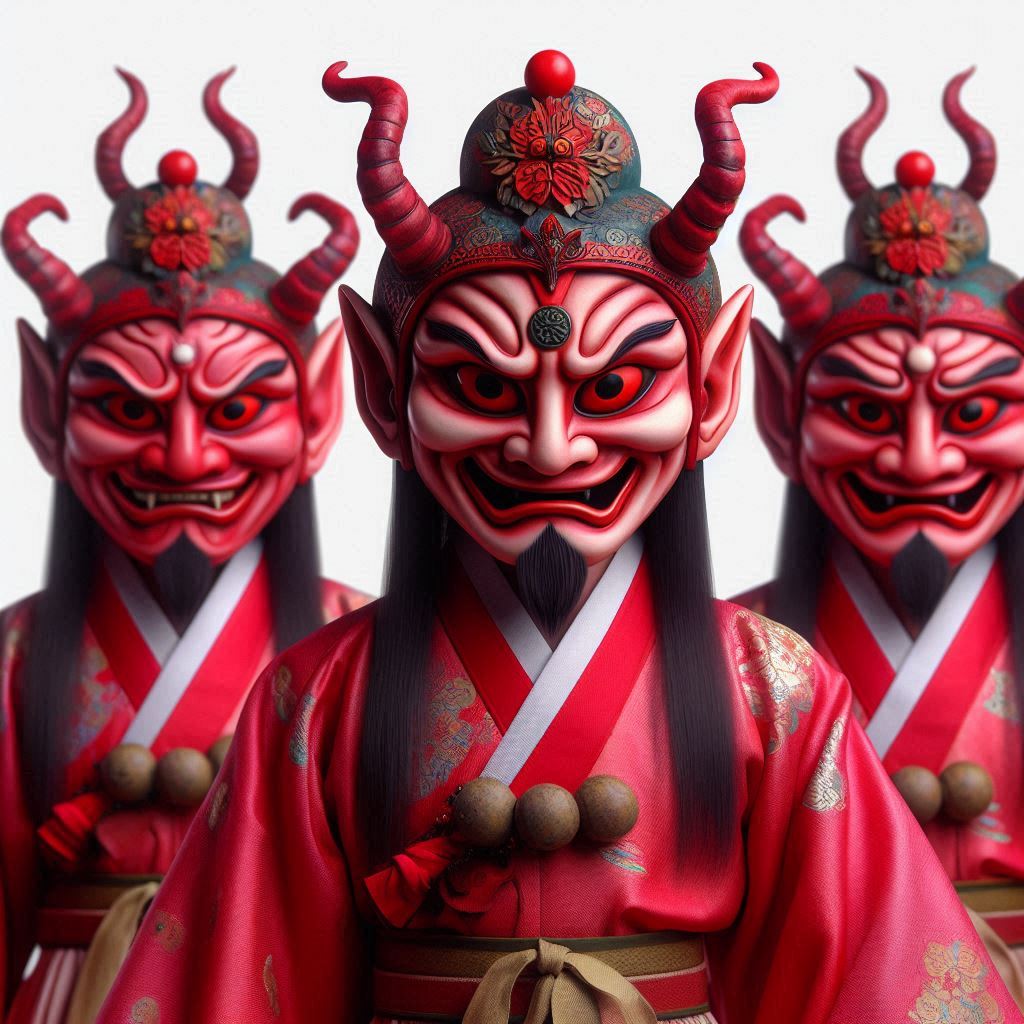
- Red-skinned, green-furred, or horned
- Dressed in colorful hanbok or ragged farmer’s clothes
- Carrying clubs, beads, tassels, or their signature invisibility hat
They can shapeshift into handsome humans or monstrous beasts, but they often retain a telltale feature—an extra-long nose, a single eye, or a strangely shaped body—that betrays their true nature.
Cultural Significance
In Korean culture, Dokkaebi symbolize the unpredictability of fortune and the mystery of the natural world. They remind people that luck can change in an instant, that humility is rewarded, and that greed invites ruin.
They also embody Korea’s unique blend of humor and wisdom. Even when they cause trouble, Dokkaebi are rarely malicious without reason. They are teachers disguised as tricksters, guardians disguised as goblins.
And, of course, they are legendary lovers of food, drink, and late-night revelry—a trait that has endeared them to generations of storytellers.
Dokkaebi in Modern Media
Dokkaebi have leapt from the pages of folktales into the spotlight of modern Korean culture, evolving into some of the most recognizable supernatural figures in contemporary media. While their roots lie in rustic villages, moonlit wrestling matches, and mischievous pranks, today’s Dokkaebi appear everywhere—from television dramas and webtoons to video games, mascots, and global pop culture.
Television & Film
Modern portrayals often soften the Dokkaebi’s goblin-like features, transforming them into charismatic, otherworldly beings who blend supernatural power with human emotion. The most influential example is the 2016 K-drama Guardian: The Lonely and Great God (도깨비), which reimagined the Dokkaebi as an immortal warrior cursed with eternal life. This reinterpretation introduced global audiences to the word “Dokkaebi,” even if the character’s appearance diverged from traditional depictions.
Other dramas and films use Dokkaebi as:
- Protective spirits guiding protagonists
- Comic tricksters who meddle in human affairs
- Symbols of fate, luck, and karmic justice
These portrayals highlight the creature’s dual nature while adapting it to modern storytelling aesthetics.
Webtoons & Comics
Korean webtoons have embraced Dokkaebi with enthusiasm, often returning to their mischievous roots. In many series, they appear as:
- Chaotic guides in fantasy worlds
- Gatekeepers of magical systems
- Tricksters who challenge heroes with riddles or bargains
Some webtoons reinterpret Dokkaebi as adorable mascots with horns and tiny clubs, while others lean into their eerie, folkloric origins.
Video Games
Dokkaebi have become staples in Korean fantasy gaming, appearing in titles such as:
- MMORPGs, where they serve as forest spirits, dungeon bosses, or quest-givers
- Mobile games, often redesigned as cute, collectible creatures
- Global titles, where they appear as Korean-inspired monsters or spirits
One of the most notable modern reinterpretations is DokeV, an upcoming open-world game by Pearl Abyss. It reimagines Dokkaebi as whimsical, dream-like companions who embody human wishes and emotions—an inventive twist that still echoes their folkloric origins.
Mascots, Branding & Pop Culture
Dokkaebi imagery appears in:
- Sports team mascots
- Local festival characters
- Craft beer labels
- Streetwear and indie fashion
- Tourism campaigns
Their playful, unpredictable nature makes them ideal symbols for creativity, humor, and cultural pride.
Global Influence
As Korean media continues to reach international audiences, Dokkaebi have become ambassadors of Korean folklore. They now occupy a cultural space similar to Japan’s yokai or China’s yaoguai—recognizable, adaptable, and endlessly reinterpretable.
Despite their modern glow-up, the heart of the Dokkaebi remains unchanged:
a trickster spirit who blurs the line between blessing and chaos, reminding us that the world is stranger—and more magical—than it seems.
Comment?