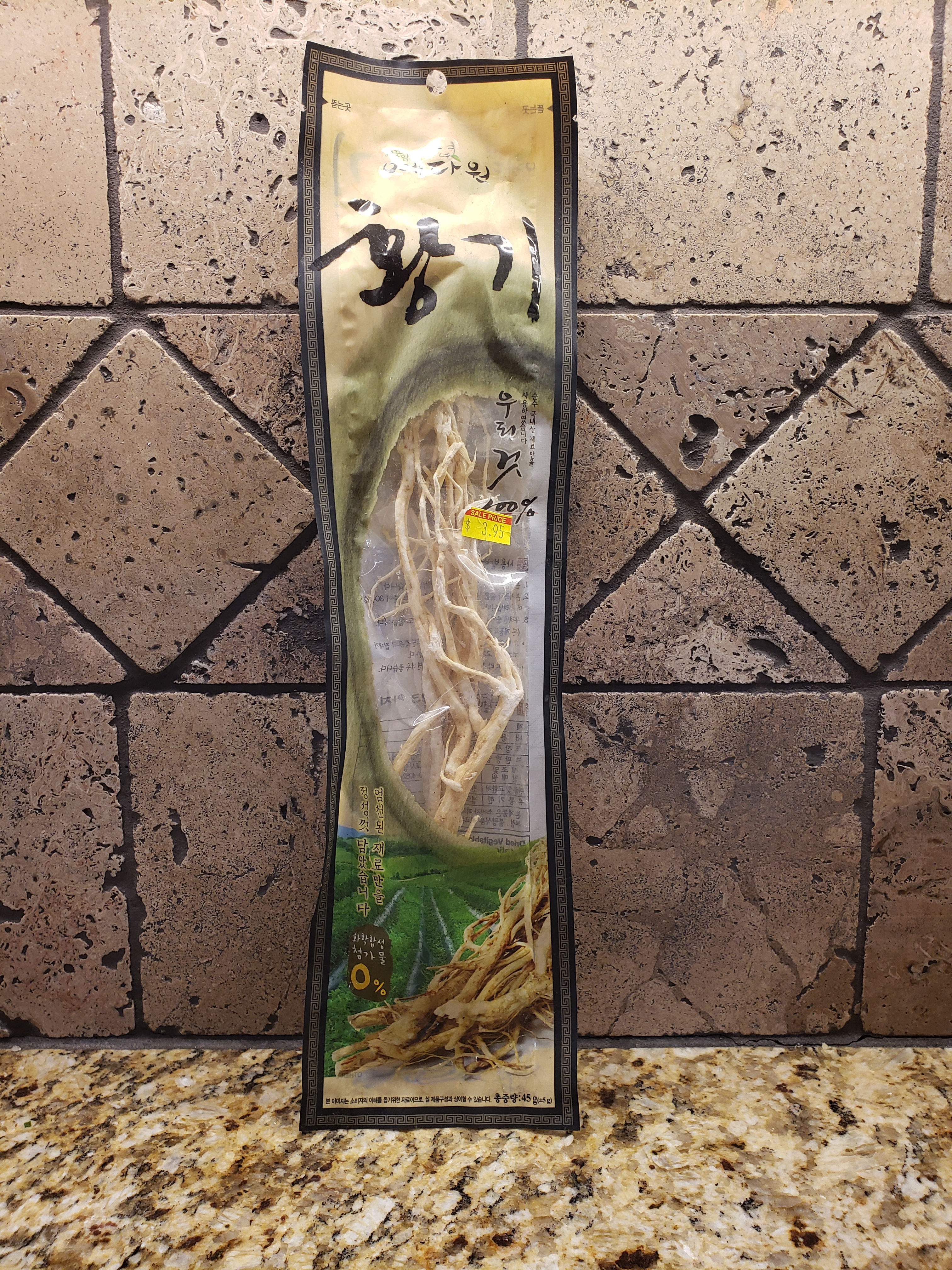
Image by hannaone: Angelica
Danngwi-cha Angelica Tea
Article by Gil "hannaone" © Copyright 2007-2026. All rights reserved.
당귀 차 | dang-gui cha
당귀 차 Dang-gui cha | Dang-gwi cha
Dang-gui cha is a traditional Korean tea made from the root of the plant known as Dang Gui, also referred to as Chinese Angelica Root, Female Ginseng, or by its scientific name, Radix Angelica Sinensis. This herb is indigenous to the high altitude and mountainous regions of China, Japan, and Korea.
Ingredients:
1/2 ounce Dang-gui (Korean Angelica) roots
18 ounces(liquid) Water
Instructions:
Wash the Dang-gui roots: Start by cleaning the roots thoroughly under running water.
Boil the roots: Place the washed Dang-gui roots in a pot with water.
Simmer: Bring the water to a boil, then reduce the heat to a simmer. Let it cook for about 20-30 minutes.
Strain: After simmering, strain the liquid to remove the Danggui roots. You can use a fine mesh strainer or a cloth.
Serve: Enjoy the warm and earthy flavor of Danggui-cha. You can drink it plain or sweeten it with honey if desired..
Story Time
📜 A Short History of Dang‑gui Cha
Dang‑gui (Angelica gigas) has been a valued root in East Asian herbal traditions for centuries. In both Chinese and Korean medicine, it is closely associated with supporting blood health and women’s reproductive well‑being. In Korea, dang‑gui cha—Angelica Root tea—became a common preparation for those seeking warmth, circulation support, and overall vitality.
Historical texts describe Angelica root as a strongly aromatic herb with a flavor that ranges from sweet to bitter, sometimes compared to celery. Over time, it came to be used for a wide range of traditional purposes, from easing discomfort to supporting general wellness.
In tea form, dang‑gui is typically brewed as a functional, medicinal beverage rather than an everyday drink. Because herbal remedies can affect people differently, and some individuals may experience side effects, it’s important to speak with a healthcare professional or licensed herbalist before using Angelica root as part of a health regimen.
* The U.S. FDA has not evaluated any medicinal usage or claims of benefits from herbal medicinal remedies!
Find it on Amazon! Purchases made through these links help support this site. As an Amazon Associate, we earn from qualifying purchases.

Comment?