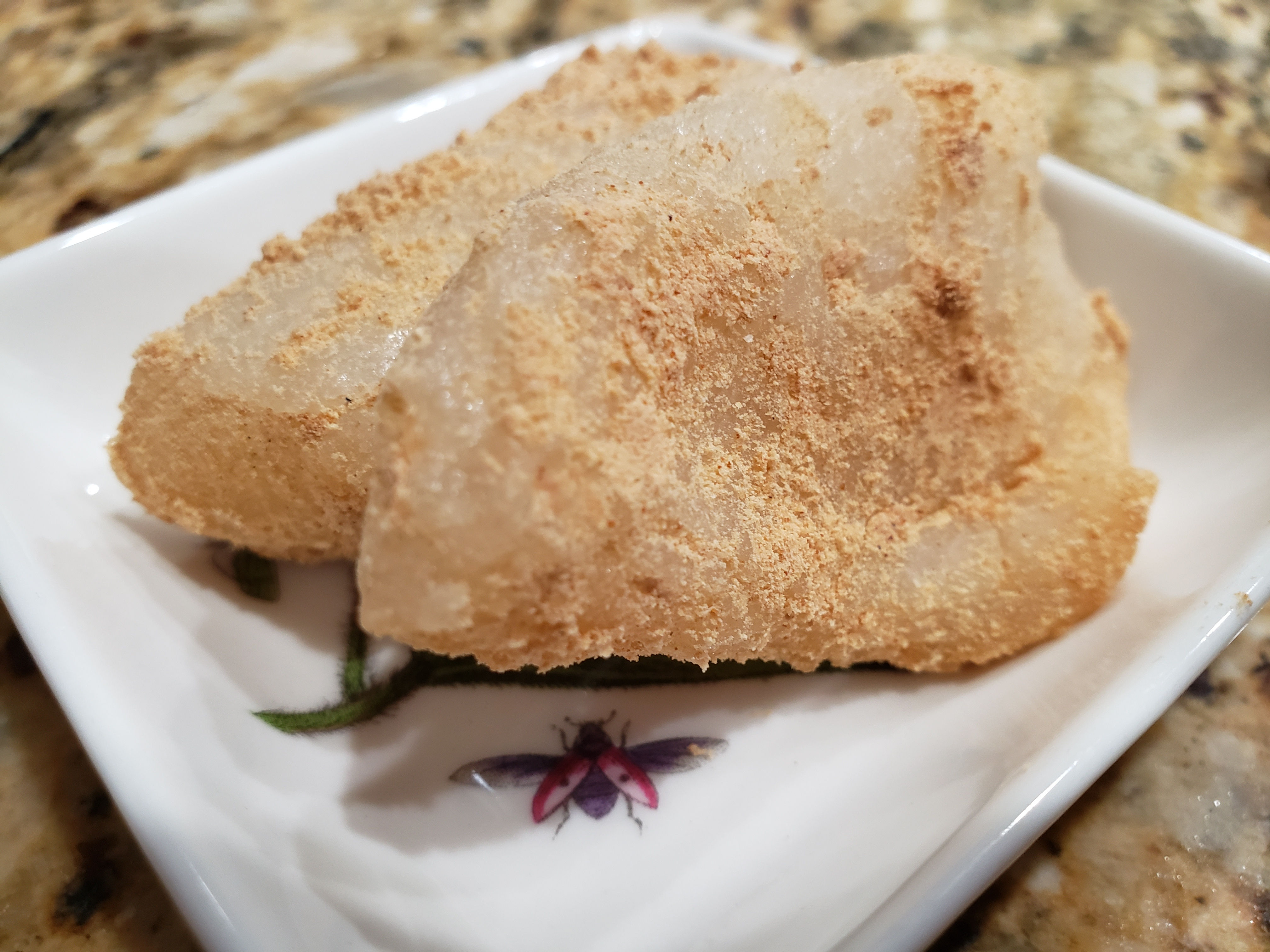
Image by hannaone: Tteokbokki
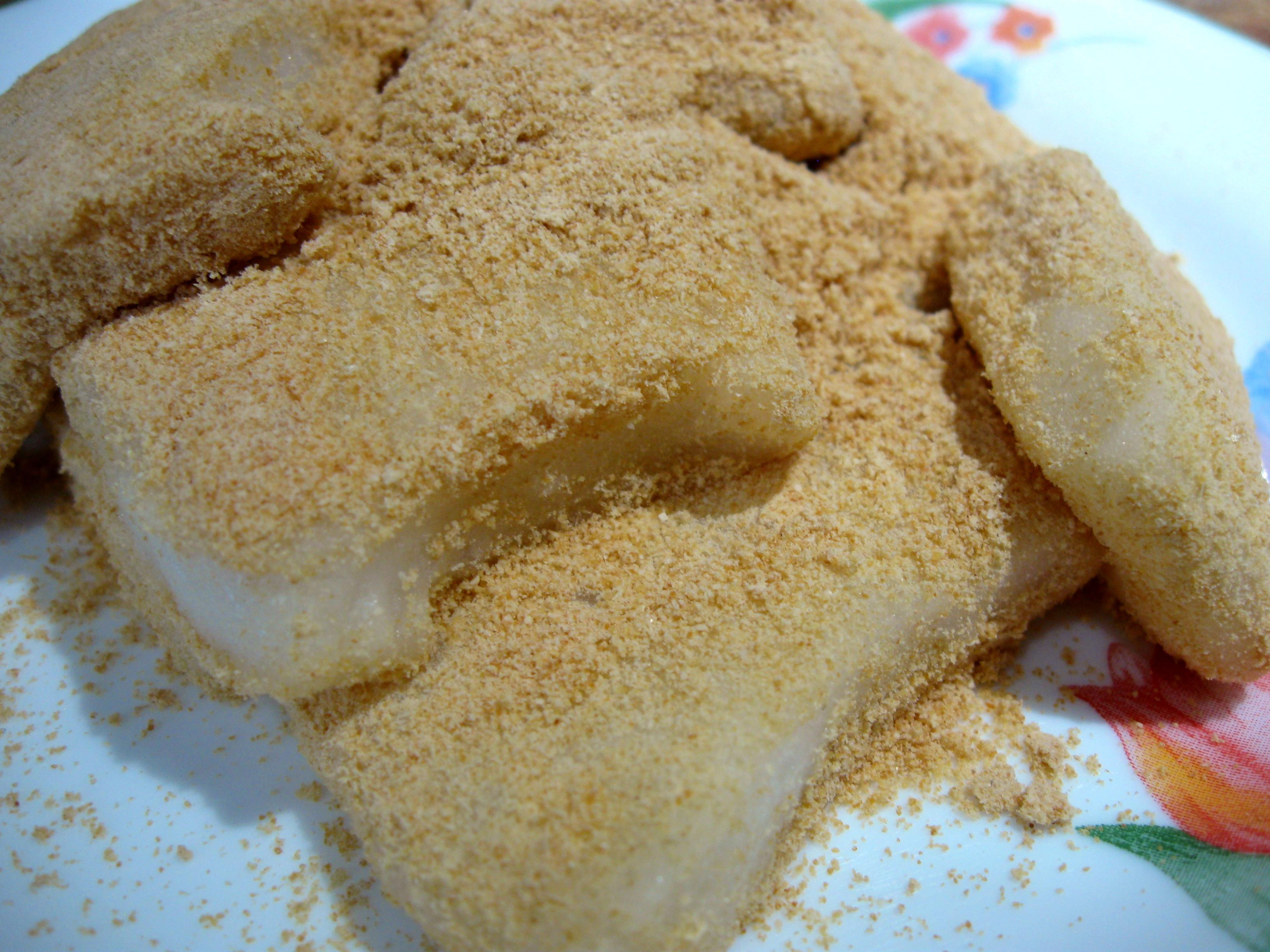
Image by hannaone: Air Fried Samgyeopsal
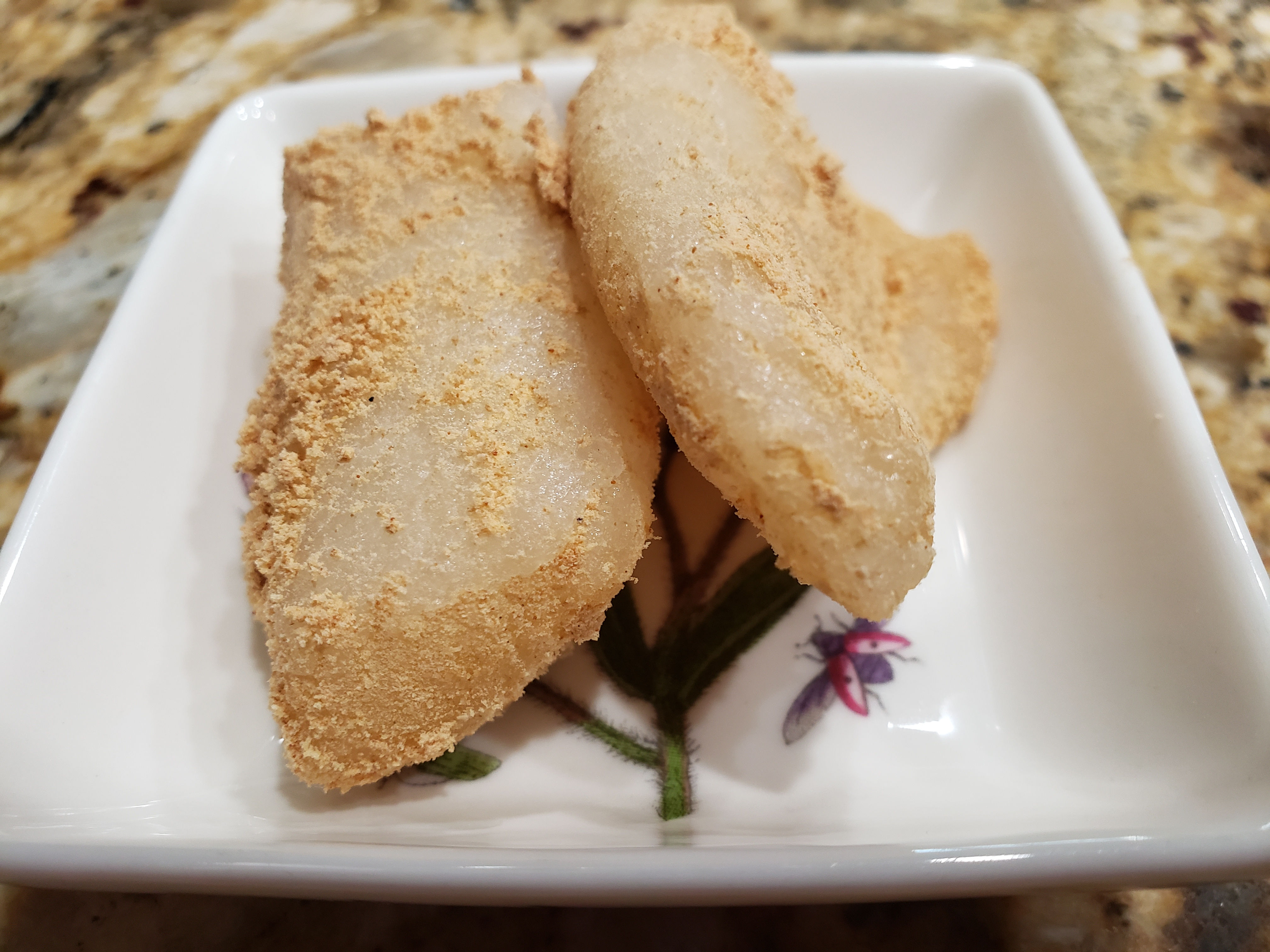
Image by hannaone: Chapssaltteok
Chapssaltteok Glutinous Rice Cake
Article by Gil "hannaone" © Copyright 2007-2026. All rights reserved.
찹쌀떡 | chapssaltteok
A traditional Chapssaltteok is made by steaming and then pounding glutinous rice into a dough-like mass. A rice cake shaped into a ball, rectangle, square, cylinder, etc., may be coated with flour, starch, or powder and eaten as is, or after frying or grilling. Chapssaltteok may also be filled with sweet red bean paste or other fillings, and is a popular Korean dessert that is often enjoyed as a snack or with tea.
Servings: 16
Recipe Type: Dessert, Holiday, Korean, Recipe, Snack, Street Food
Ingredients
1 pound uncooked glutinous rice (sweet rice, Japanese mochigome もち米, Korean chapssal 찹쌀)
(sugar or honey to taste - for "sweet" rice cake)
water as needed
Potato Starch as needed
Tools Needed
Mortar and Pestle
Wooden or other heavy pounding mallet
heavy wooden or stone prep board
Steaming pot
Lint free cloth or cheesecloth
Directions:
Preparation
Place the rice in a large pot and add water to about 2 or three inches over the rice level.
Soak at least 12 hours.
Cooking
Drain the rice and place in a large capacity steamer (Line the steaming tray with cloth).
Steam the rice for 2 to 2 1/2 hours. The rice should be mushy soft throughout, but not dripping wet.
Transfer the steamed rice into the mortar and mash completely with the pestle.
Add sugar or honey to taste during the mashing for "sweet" rice cake.
Form the mashed rice into a mound on the prep board or clean sturdy countertop and pound with the mallet, kneading and folding as needed to keep in place, until a smooth dough-like consistency is achieved (this may be simplified by using a strong bread maker's "knead" function, or a quality stand mixer with a dough hook).
Dust the wooden prep board with potato starch.
Place the dough onto the board, and either pinch off small pieces, to roll into balls, or roll it out into a flat sheet and cut into squares or rectangles.
For coated Tteok - Roll the Tteok balls in any of the following;
Sugar
Powdered Sugar
Soy Bean Flour
Ground Toasted sesame seed
Any ground nut
Chapssaltteok balls may be eaten now or placed in a warm oven (just long enough to warm) and served warm.
Uncoated chapssaltteok may also be quickly fried in hot sesame or vegetable oil, then dipped in warm honey for a tasty treat.
Chapssaltteok balls may also be stretched and flattened into disks, then some type of filling placed on the disk, with the dough sealed around the filling.
Fillings can be ground nuts mixed with brown sugar, red bean paste, hard frozen ice cream, or even cream cheese.
A fairly new trend is to wrap the dough around cheddar or mozzarella cheese then quickly deep fry or microwave it.
Story Time
The word “chapssaltteok” comes from the combination of two words: “chapssal,” which means glutinous rice, and “tteok,” which means rice cake.
Chapssaltteok can be filled with various ingredients such as sweet red bean paste, sesame seeds, or honey. The filling is typically placed in the center of the rice cake and then folded and shaped into its final form.
Traditionally, chapssaltteok was made by hand using a mortar and pestle to pound the steamed glutinous rice. However, modern versions often use a food processor or stand mixer to make the process easier.
Chapssaltteok is commonly served during holidays and celebrations such as Lunar New Year, Chuseok (harvest festival), and weddings. It is also a popular street food in Korea, where it can be found at traditional markets and food stalls.
In recent years, there have been variations of chapssaltteok that incorporate different flavors and textures such as green tea, chocolate, or fruit fillings. Some versions also use different types of rice flour for a healthier option.
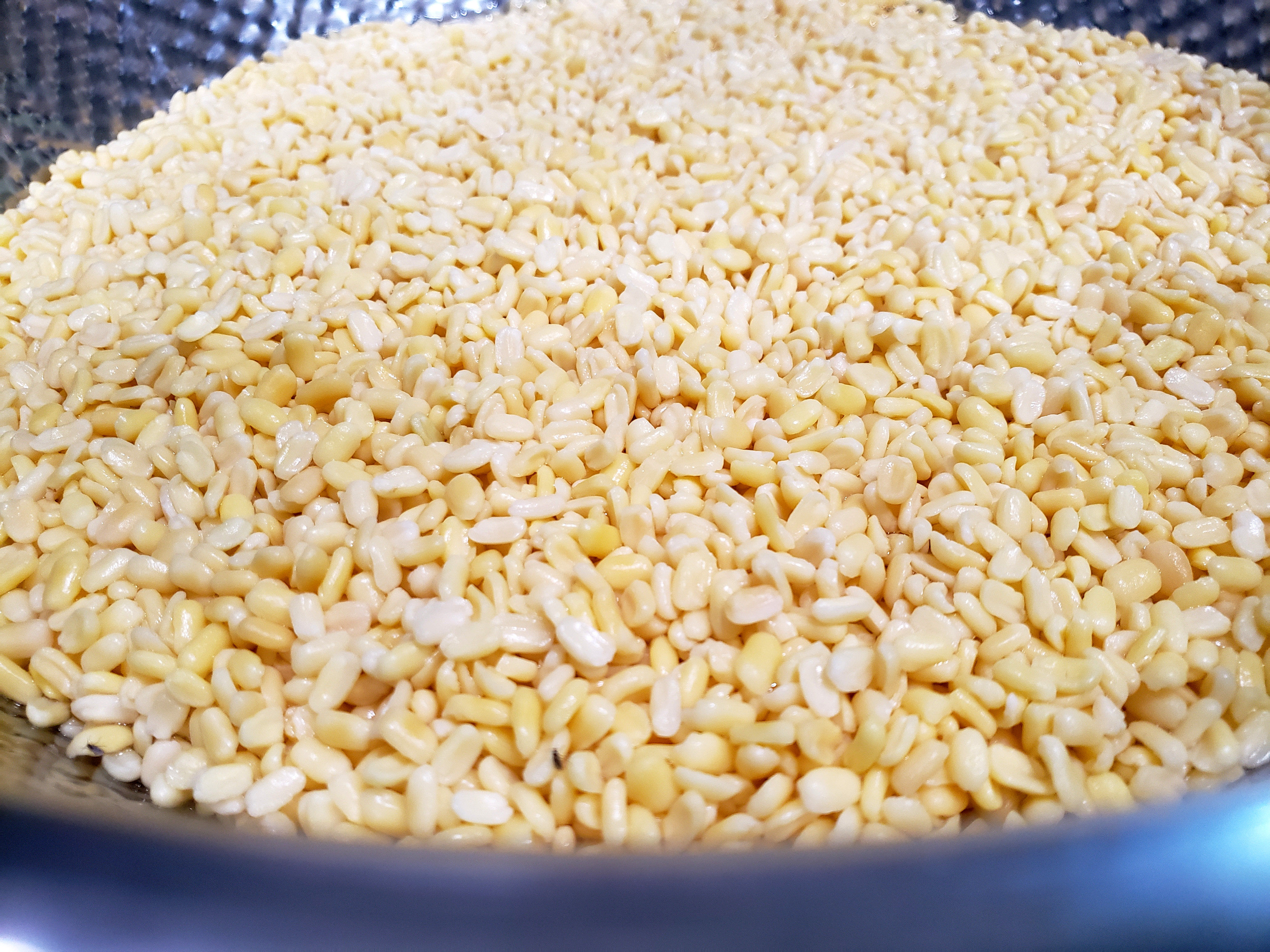
Image by hannaone: Sweet Rice
Overall, chapssaltteok is a delicious and versatile dessert that has been enjoyed in Korean cuisine for centuries. Its soft and chewy texture combined with various fillings make it a beloved treat among Koreans and visitors alike.
Find it on Amazon! Purchases made through these links help support this site. As an Amazon Associate, we earn from qualifying purchases.

Comment?