Recipes: Noodles
Article by Gil "hannaone" © Copyright 2007-2026. All rights reserved.
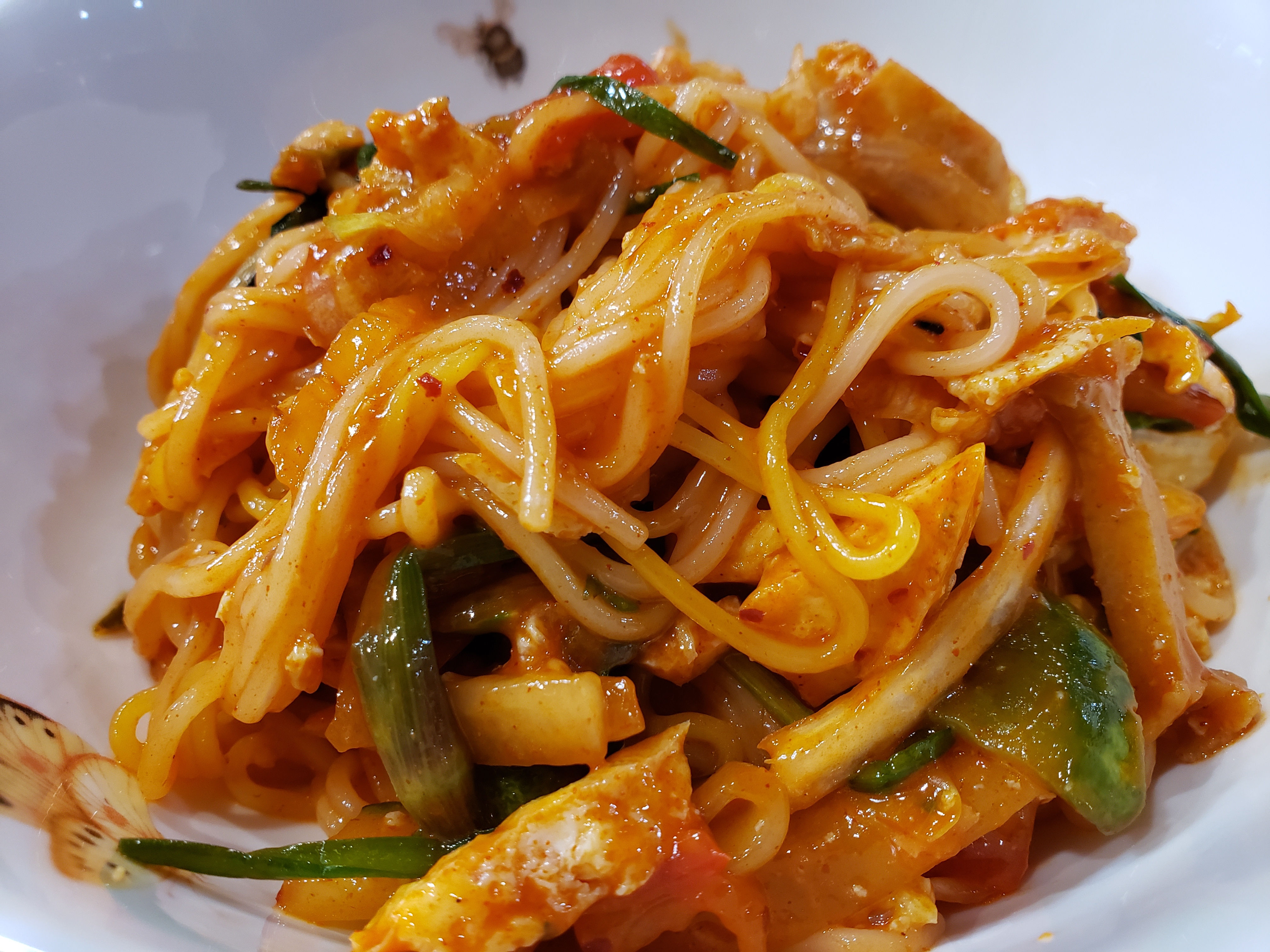
Image by hannaone: Bibim-guksu
Bibim-guksu Cold Mixed Noodles
비빔국수 | bibim-guksu
A cool summer dish, Bi Bim Guksu is a noodle based version of Bi Bim Bap. Fantastic for those hot summer days when you just do not want to cook anything complex or time consuming on the stove top.
Servings: 4 Cooking Times: Total Time: 30 minutes
Ingredients
12 ounces memil guksu (buckwheat noodles/soba noodles)
4 each lettuce leaves (red or green loose leaf)
1 each large red cabbage leaf
1 each small cucumber
1 each carrot
2 ounces sprouts (snow pea, radish, bean, etc)
3 tablespoons Kimchi
Sauce
3 tablespoons gochujang (Korean chili paste)
3 tablespoons rice vinegar
1 1/2 tablespoon soy sauce
1 1/2 tablespoon mool yut (Korean malt syrup) or honey
1 1/2 tablespoon brown sugar
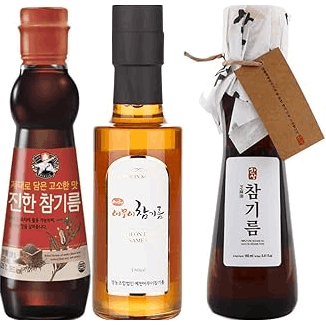
1 1/2 tablespoon Korean sesame oil
1 tablespoon toasted sesame seeds
Garnish (optional)
2 each green onion, rough chopped
1/2 bunch chives, cut in thirds
2 each hard boiled eggs, halved
Pickled daikon slices
Directions
Sauce
Place all sauce ingredients together in a bowl and mix well.
Taste, and adjust as desired. (ie; more gochujang or vinegar, adding minced garlic, etc)
Cover and refrigerate until use.
Vegetables
Heat a pot of water to boiling.
Wash/peel the carrot, cut into thin slices lengthwise, then cut each slice into thin strips.
Place carrot strips into a strainer/basket and immerse in boiling water for about 1 minute (until just limp).
Remove from pot and rinse under cold running water.
Rinse sprouts well in cold water, place into strainer/basket, and immerse in the boiling water for no more than 30 seconds.
Remove from pot and rinse again in cold water.
Discard boil water.
Hand tear the lettuce leaves into strips about 1/2 inch by 2 inches.
Slice the cabbage leaf into thin strips.
Peel the cucumber, then cut in half crosswise.
Thin slice each section then cut into thin strips.
Thin slice or shred the kimchi into thin strips.
Noodles
Heat a large pot of water to a rapid boil.
Add noodles, return to a boil, and cook for 2 to 3 minutes.
Remove from heat, drain, and rinse noodles under cold running water.
Final Mix
Divide noodles into 4 equal portions and place in serving bowls.
Add equal amounts of prepared vegetables to each bowl.
Place sauce in a single central serving dish or 4 smaller individual sauce dishes for diners to add as desired.
Place any garnish elements in individual serving dishes for diners to add as desired.
How to eat
Add sauce to noodles/vegetables and mix well.
Add desired garnish.
Eat and enjoy.


Comment?