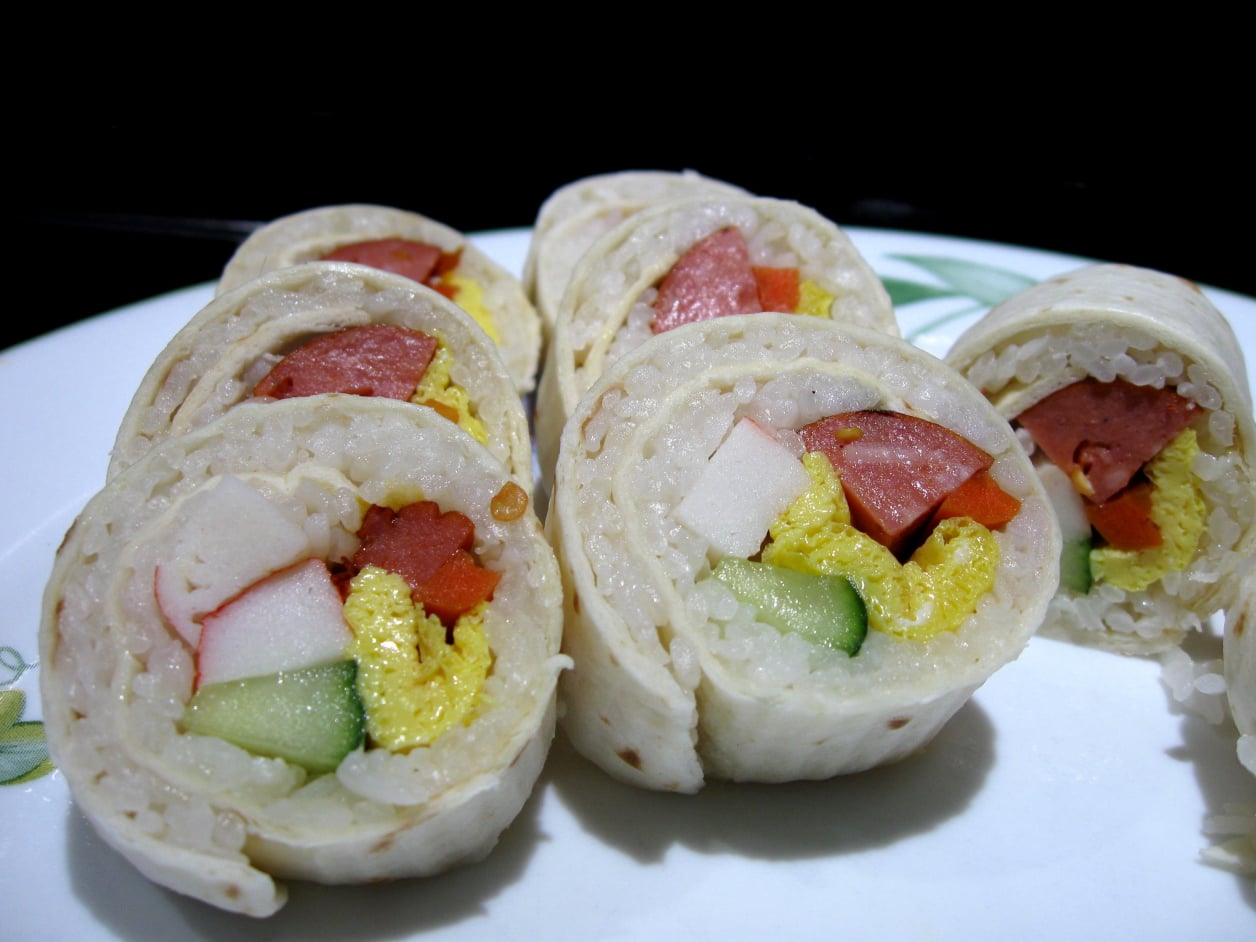
The earliest Korean inhabitants lived as hunter-gatherers, but over time they acquired the skills of farming and animal husbandry. Small tribes grew into villages, then city-states, and eventually kingdoms. With each expansion came a blending of local food traditions, laying the foundation for Korea’s diverse cuisine.
As trade routes opened with neighboring regions, new foods and culinary concepts flowed into Korea. Plants and animals from western Asia and the Middle East traveled through China to influence Korean dishes. Later, exchanges with China and Japan introduced ingredients from the New World—most notably the chili pepper, which became a defining staple of Korean cooking.
Did you know?
Food fusion is not just a modern trend. While today chefs combine ingredients and techniques from multiple cuisines to create bold new flavors, Korea’s culinary history is itself a story of fusion. What were once foreign influences have become the very traditions we now recognize as Korean cuisine.
This evolution continues. Koreans abroad adapt local dishes to include familiar flavors, and when émigrés return home, they bring back new food concepts that enrich the culinary landscape. Chefs trained overseas and international franchises have also contributed to Korea’s ongoing food revolution.
Beyond Korea’s borders, second- and third-generation immigrant families reinterpret traditional recipes to fit local tastes, while mixed-culture households create their own unique blends. To reach wider audiences, Korean restaurants abroad often craft dishes that resonate with non-Korean customers—further proof that Korean cuisine is both deeply rooted and endlessly adaptable.