Recipes: Cha (Tea-like Beverages)
Article by Gil "hannaone"
© Copyright 2026. All rights reserved.
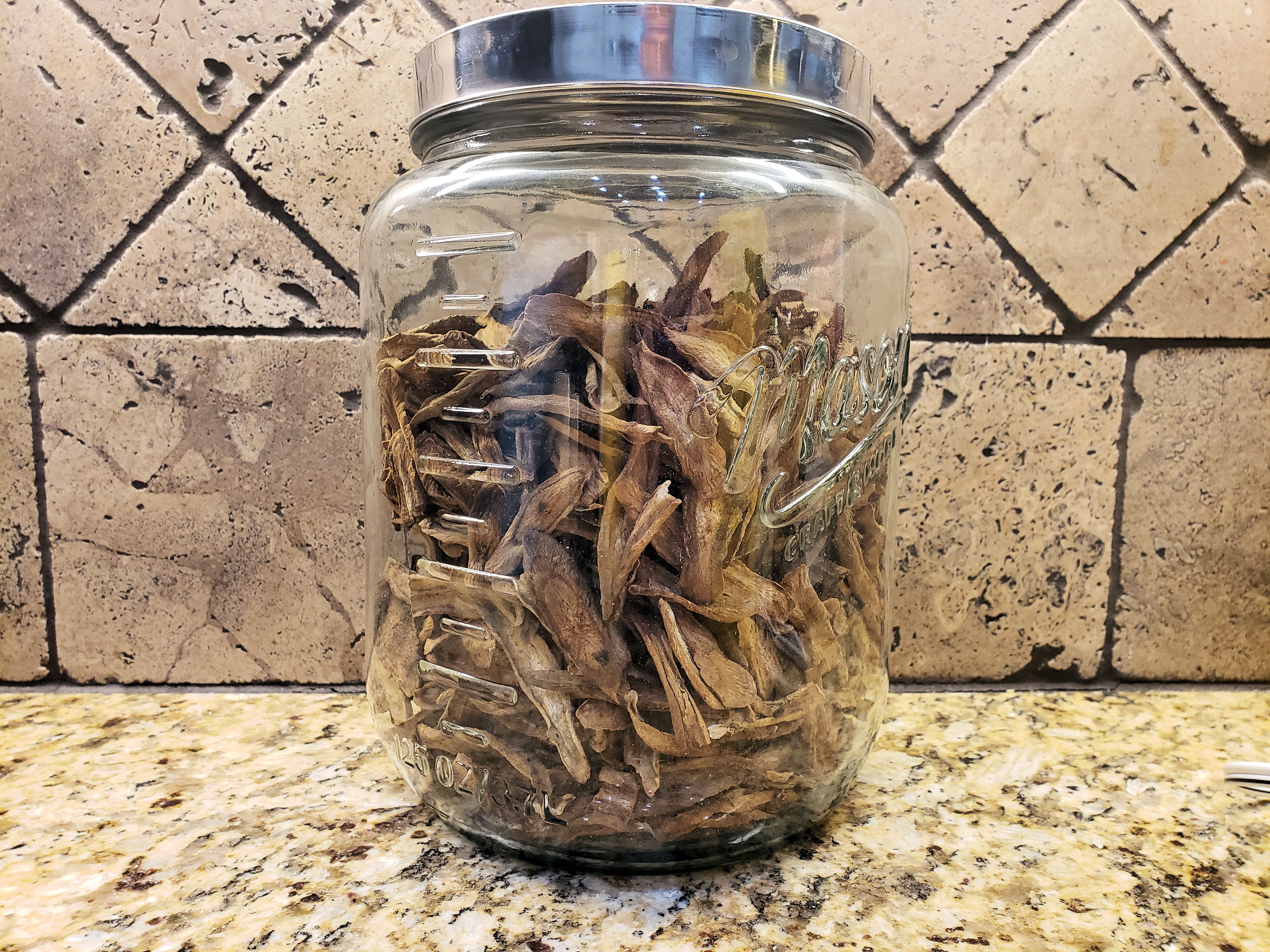
Image by hannaone: Dried Burdock Root
우엉차 | Ueong-cha
Like many Korean "teas", Ueong cha is simple and uses only dried burdock root and water for ingredients. The tea is a light golden brown to a very dark brown depending on strength, and has an earthy, nutty flavor.
Ingredients
Burdock Root
Directions
Wash the burdock root in cold running water.
Cut the burdock root into sections small enough to handle then slice at an angle into thin ovals. Dry the ovals, then roast/toast as indicated below.
Oven Dry
Pre-heat oven to 150F
Spread the ovals evenly on a flat sheet pan without crowding.
Dry the burdock for about 2 hours, then reduce heat to 130F and dry for another 4 to 5 hours.
De-Hydrator
Follow manufacturer's instructions.
Oven Roast
Pre-heat oven to 300F.
Spread dried ovals on a flat sheet pan.
Roast until strips begin to brown.
Pan Toast
Spread the ovals in a dry skillet (no oil) over medium heat.
Cook until ovals begin to brown, shaking or stirring occasionally.
You can store the dried burdock in a container that can be closed tightly. Keep in a cool dry space away from direct sunlight.
To make "tea"
Use about one tablespoon of the burdock (or 1 tea bag) per 8 ounce cup of water.
Bring water to a full boil, then lower heat to a slow simmer. Add burdock and simmer for a few minutes for a light tea or longer for a stronger tea. Strain tea into cups and garnish with toasted pine nuts if desired.
Shopping:
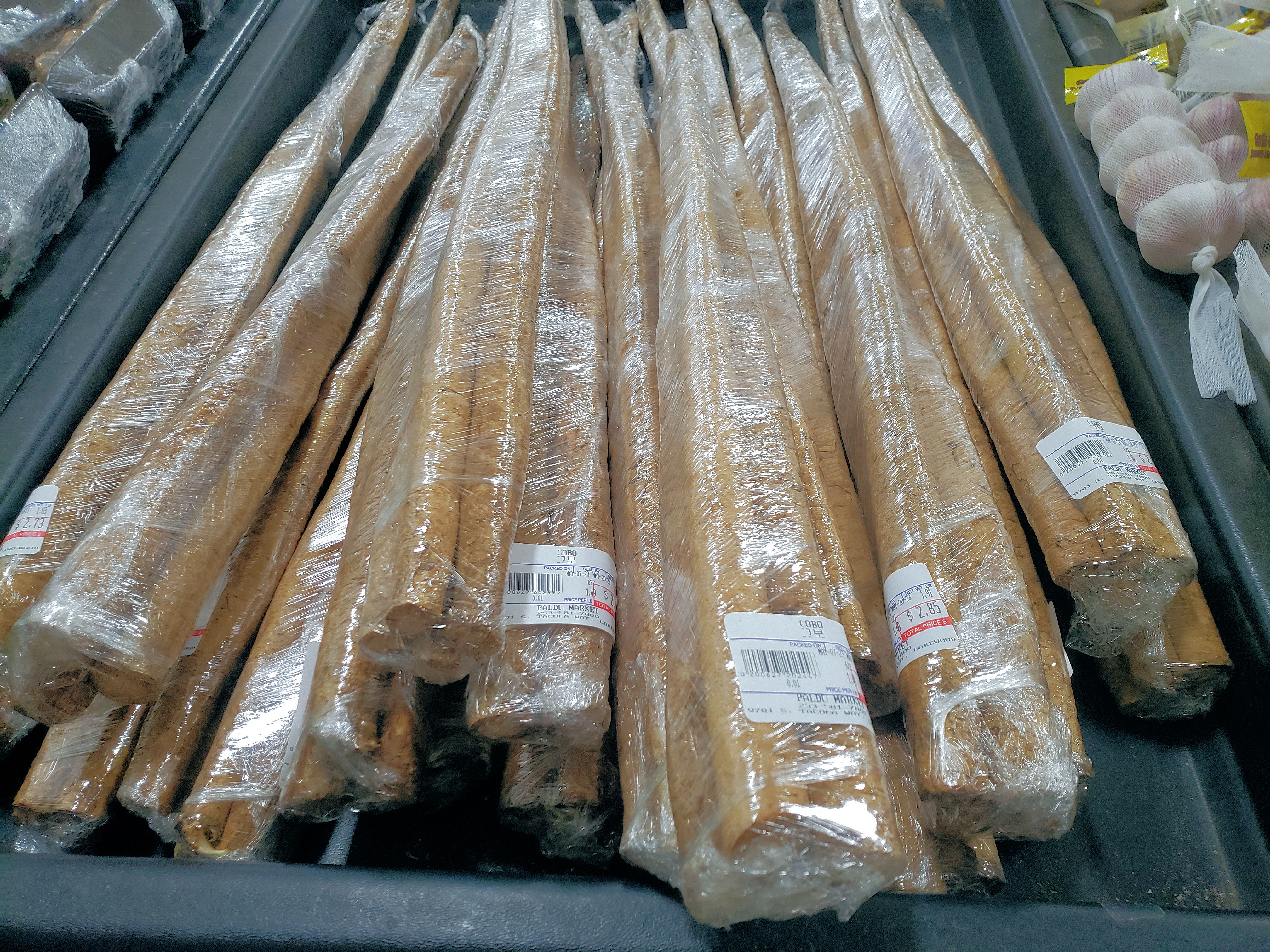
Burdock root is available both fresh and dried in most larger Korean Markets and many other Asian groceries.
Fresh burdock should be a nearly uniform color with no soft blemishes or visible crushing/damage.
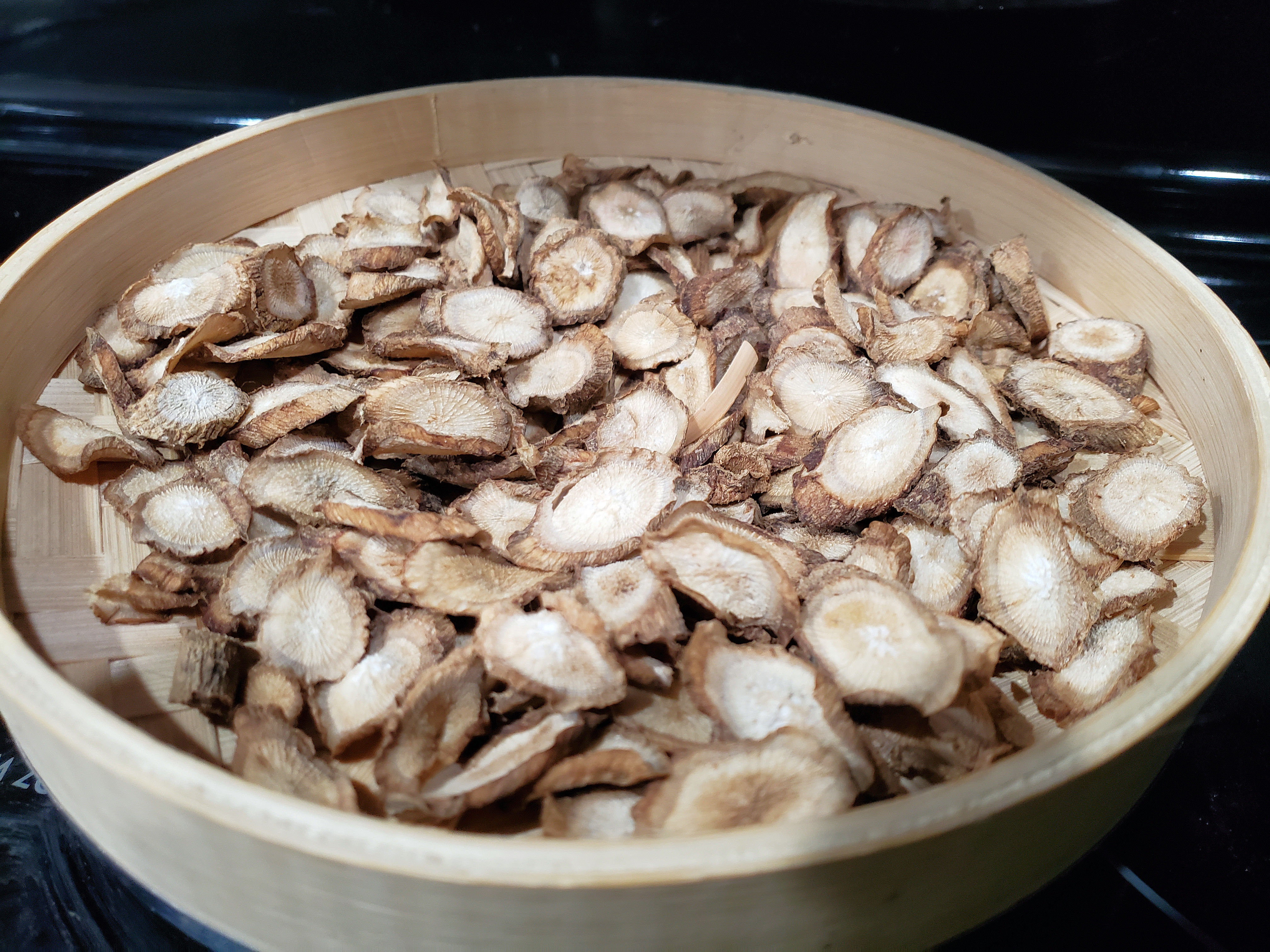
Image by hannaone: Burdock Root
Story Time
About Burdock Root
🌿 Possible Health‑Related Aspects of Ueong‑cha (Burdock Root Tea)
Burdock root has a long history in East Asian and Western herbal traditions. It contains antioxidants such as quercetin, luteolin, and various phenolic compounds, and has been studied for its potential anti‑inflammatory properties.
🌡️ Blood Sugar & Metabolism
Some research explores burdock’s possible role in supporting insulin sensitivity and healthy blood sugar responses, though findings remain preliminary.
🛡️ Antioxidant & Skin‑Related Aspects
The root’s antioxidant and antibacterial qualities have been associated with general skin support in traditional use. Small studies have examined its effects on inflammation and acne, but evidence is limited.
🔬 Early Research Areas
Laboratory and animal studies have investigated burdock’s potential effects on cell growth, including cancer‑related pathways. These findings are early and not applicable to medical treatment without further human research.
⚠️ Important Considerations
Burdock root is generally consumed as a food or tea, but certain precautions apply:
- It is a natural diuretic, so individuals who are dehydrated or taking diuretic medications should use caution.
- People with allergies to plants in the daisy family may be more prone to reactions.
- It should be avoided during pregnancy or when trying to conceive.
- Foraged burdock can be confused with toxic plants, so it’s important to use reliable sources.
- Safety in children has not been established.
As with any herbal preparation, it’s best to consult a healthcare professional or licensed herbalist before using burdock root for health purposes
Image by hannaone: Burdock Root

Available on Amazon
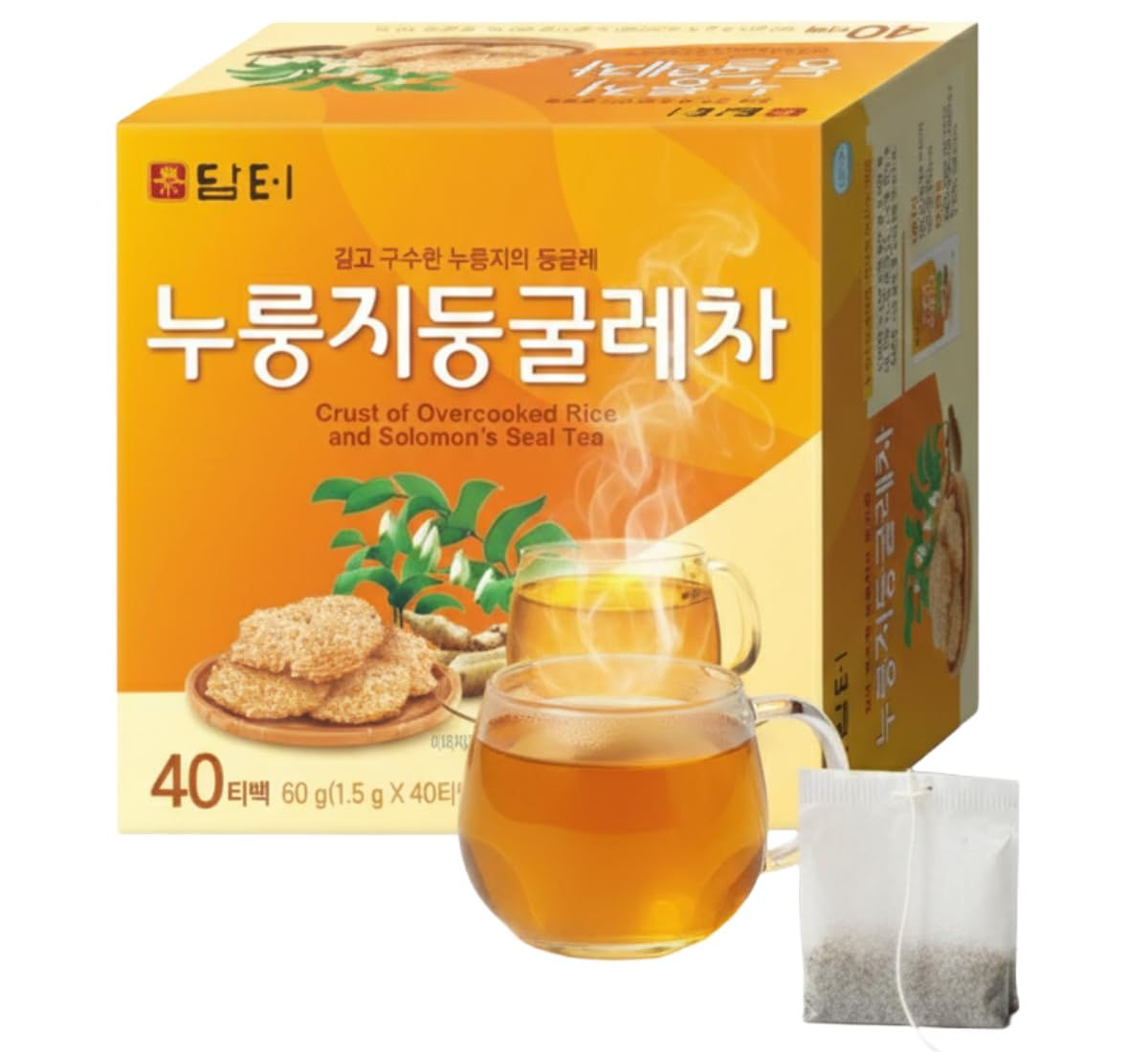
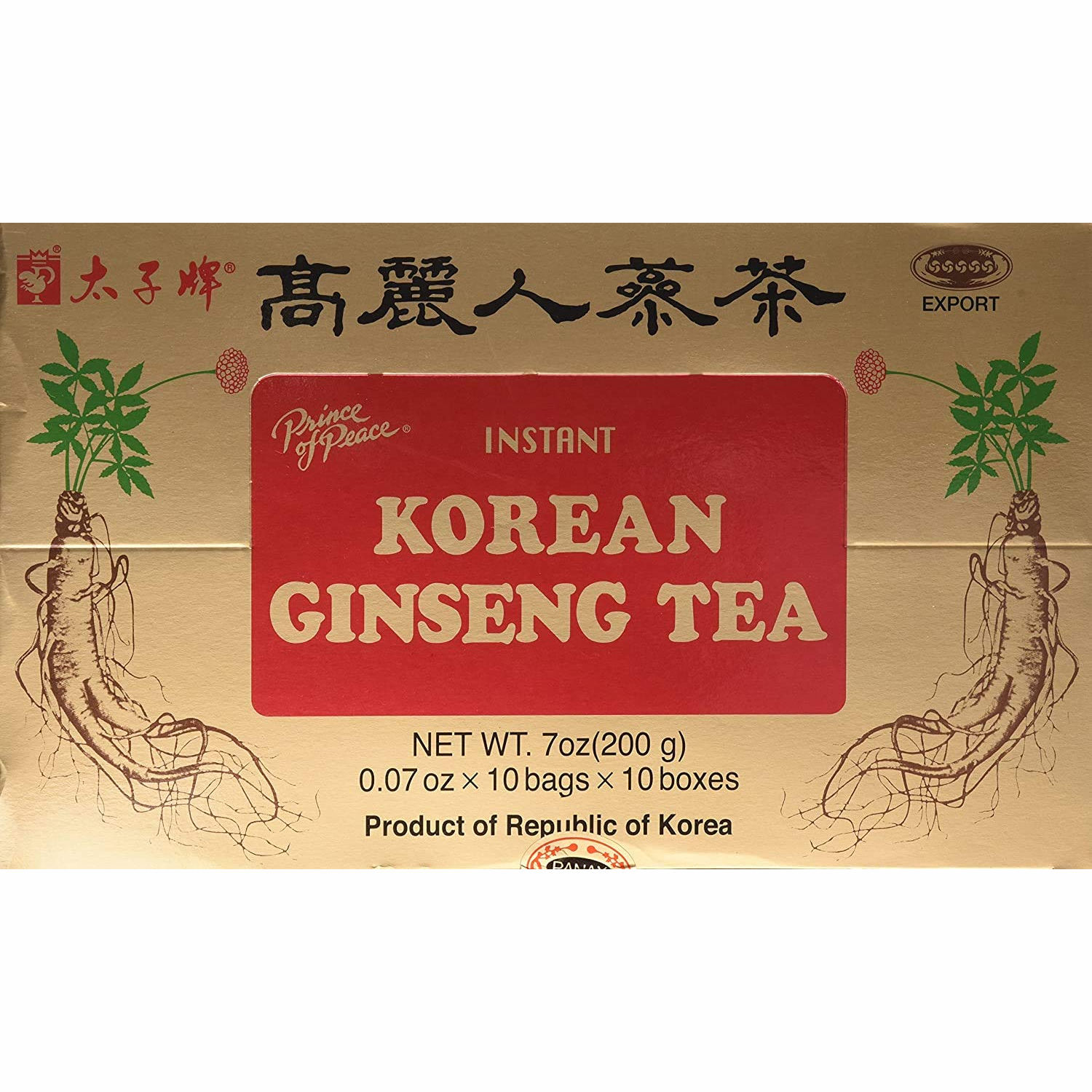
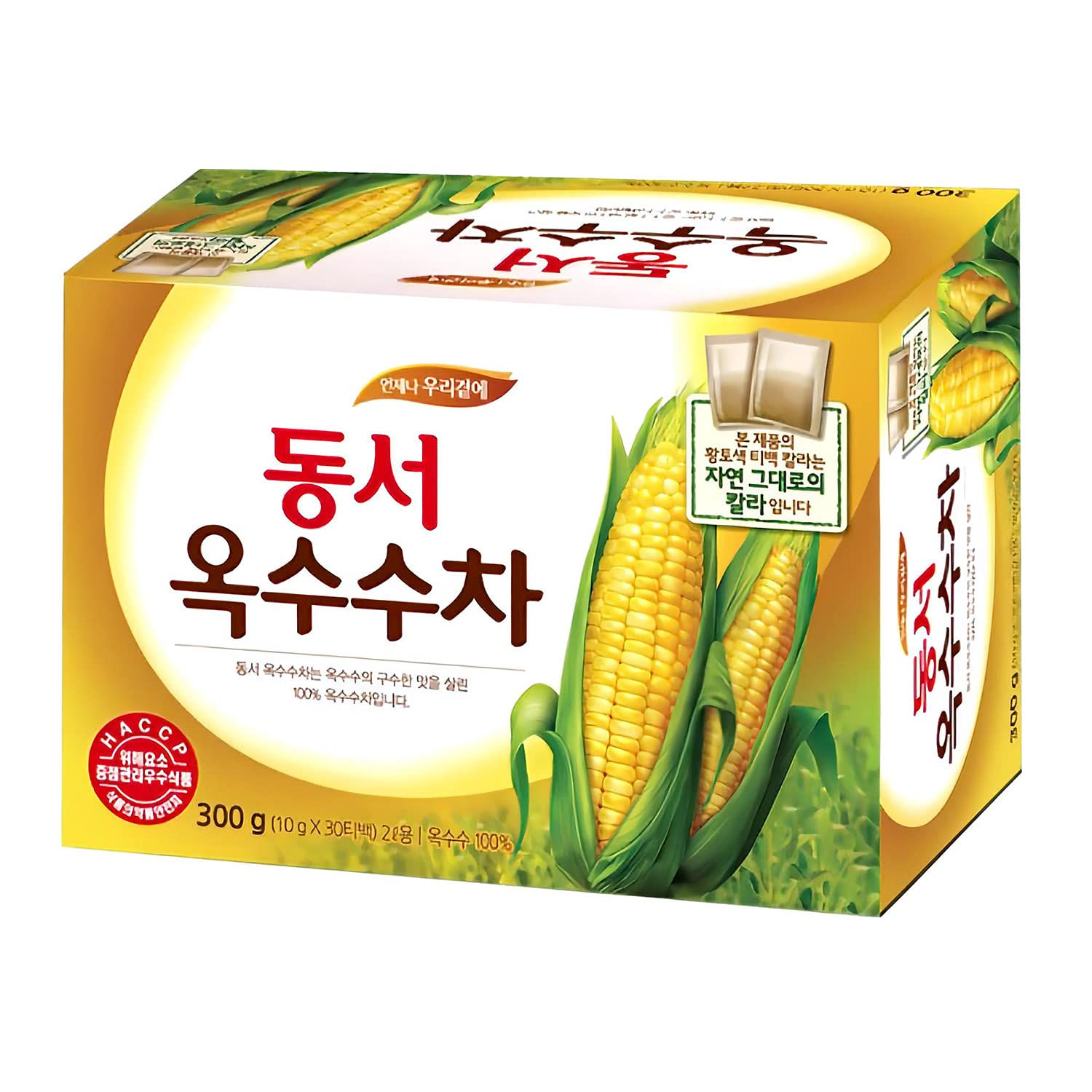
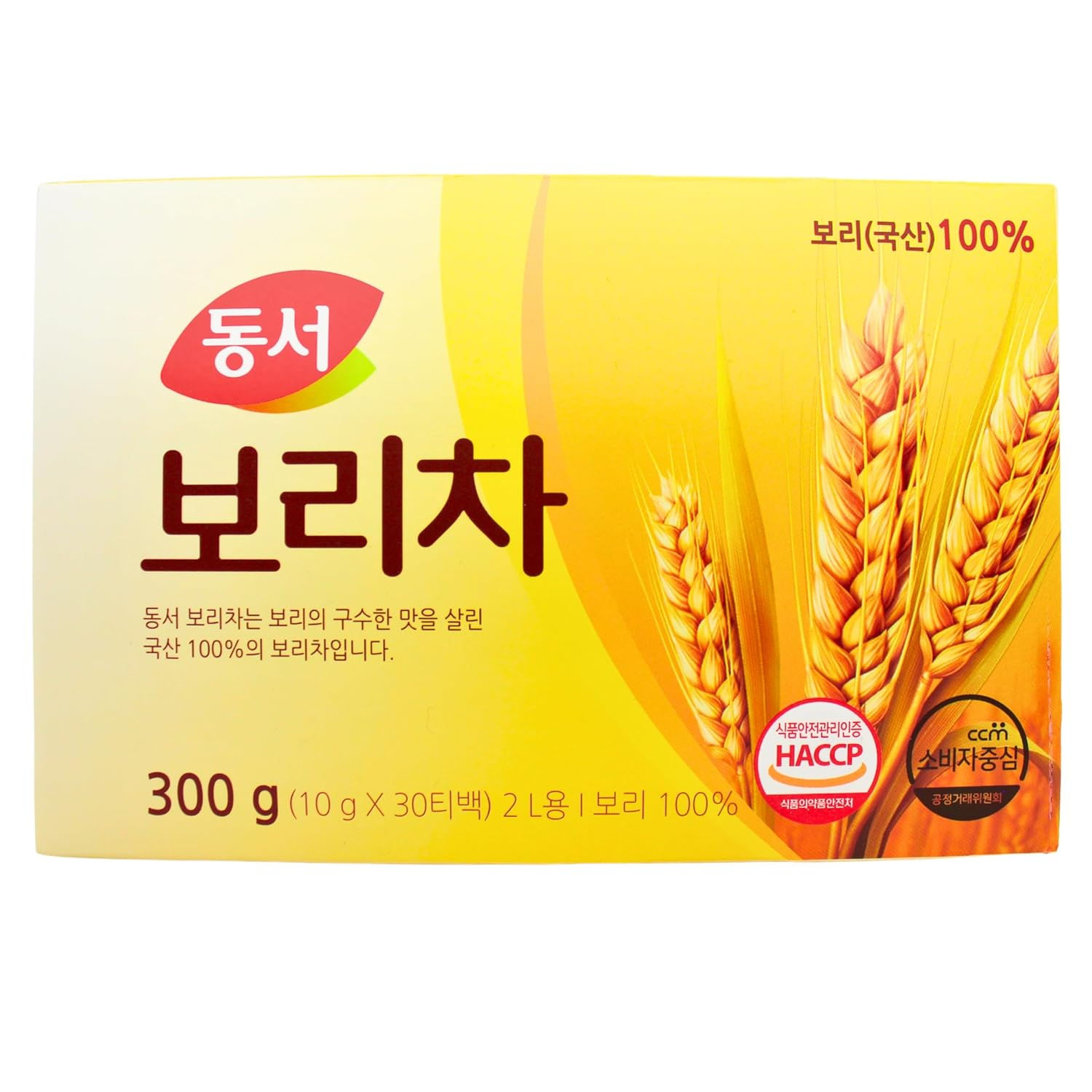
Korean Teas
Purchases made through these links may earn a commission which helps to support this web site.
For Korean Vegetable pancakes
Not Available in Canada
Comment?