Recipes: Cha - Tea-like Beverages
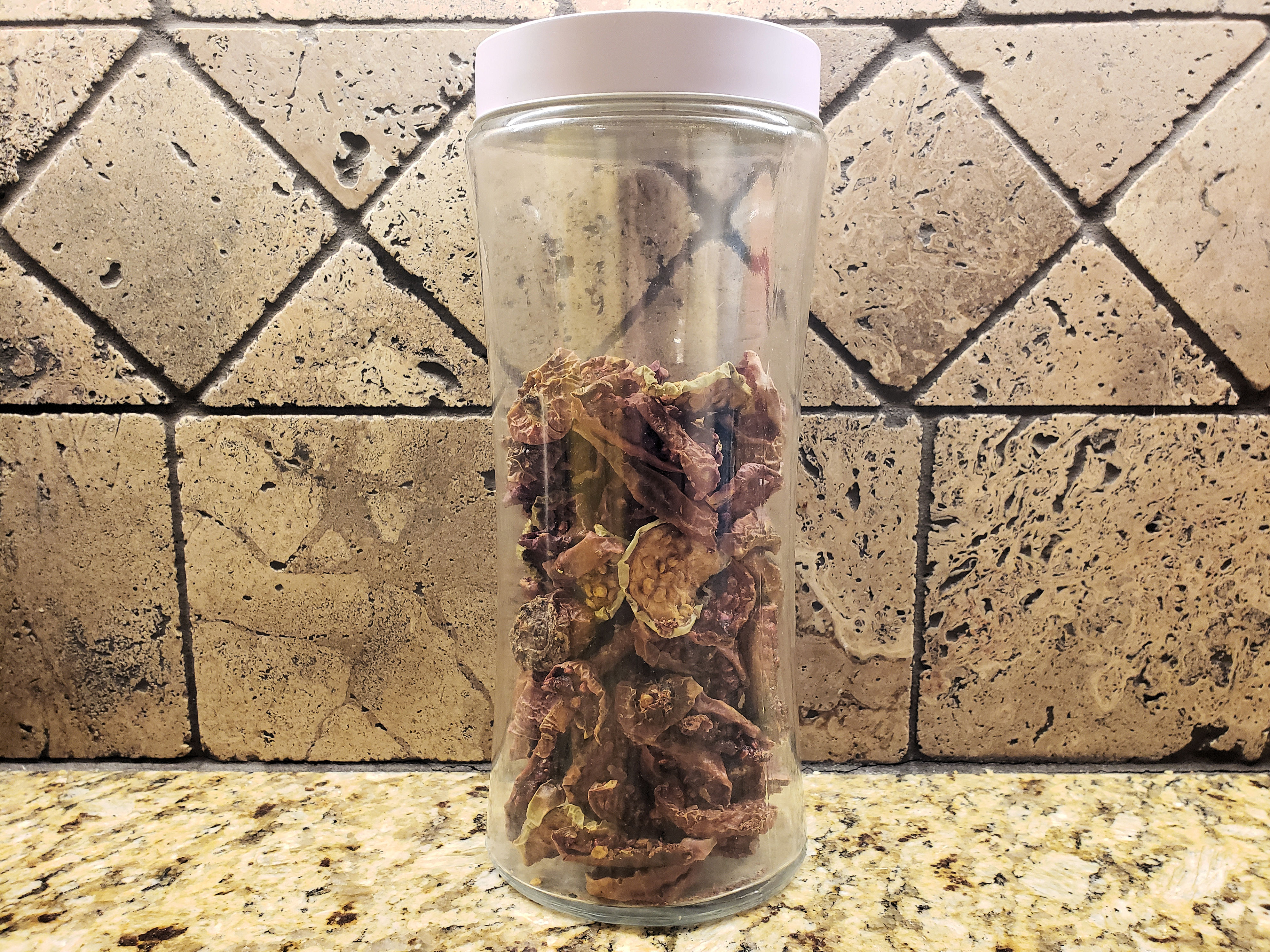
gotgam

Article by Gil "hannaone"
© Copyright 2026. All rights reserved.
Image by hannaone

Gotgam-cha Dried Persimmon Tea 


곶감차  |   Gotgam-cha

Persimmon is probably my wife's favorite fruit. She will always buy too much for her to eat before the fruit goes bad, so she gives it away to friends, freezes it to use in marinades, and dries it for persimmon tea. She will save the peels from the fruit she eats and dry that along with any fruit she has left after gifting and freezing.

In Korea, people harvest persimmons and then hang them outside or in windows under direct sunlight. These fruits can hang for weeks, often into the winter, until they transform into a sweet and chewy delicacy. The drying process concentrates the natural sugars in the fruit, resulting in a rich, caramel-like flavor.

The method below uses heat to dry instead of the sun, and is much quicker.


Ingredients
Persimmon fruit

Optional (any or all):
cinnamon
pine nuts
honey
sugar

Directions
Wash the persimmons in cold water.
Cut the top and bottom from the fruit then slice fruit into thin rounds. Dry and toast the pieces as indicated below.

Oven Dry
Pre-heat oven to lowest heat setting (170° to 200° F)
Spread the fruit rounds evenly on a flat sheet pan without crowding.
Dry the fruit for about 2 hours to 6 hours until dry and leather-like.

De-Hydrator
Follow manufacturer's instructions.

You can optionally toast the dried fruit in a dry (no oil) skillet until lightly browned. 

You can store the dried fruit in a container that can be closed tightly. Keep in a cool dry space away from direct sunlight.

To make "tea":
Use about two or three pieces of dried fruit (or 1 tea bag) per 8 ounce cup of water.
Bring water to a full boil, then lower heat to a slow simmer. Add strips and simmer for a few minutes for a light tea or longer for a stronger tea. Strain tea into cups and sweeten if desired.

Remember: Gotgam Cha is not only delicious but also a celebration of seasonal flavors and traditional Korean culinary practices. 🍵🌿🍊



Story Time

Some History

📜 A Short History of "cha"
Persimmon tea (감차, gam-cha) belongs to the long tradition of Korean Medicinal Teas, known as han-cha (한차)—a broad category of tea-like infusions made not from tea leaves but from dried herbs, roots, fruits, mushrooms, flowers, and tree leaves. Historically, these ingredients were dried to preserve them for year‑round use, especially for their therapeutic qualities. Over time, han-cha evolved beyond strictly medicinal purposes: people began selecting ingredients not only for their perceived health benefits but also for their aroma, flavor, and seasonal associations.

Persimmons (Diospyros kaki) have been cherished in Korea for centuries. Fresh, dried (곶감 gotgam), or brewed as tea, persimmons were valued both as a nutritious fruit and as a functional ingredient believed to support overall wellness. Persimmon leaf tea (감잎차) and dried persimmon tea (곶감차) remain popular today for their mild sweetness, gentle aroma, and traditional reputation for promoting balance and vitality. 

Modern nutritional research supports many of the traditional beliefs surrounding persimmons. While persimmon tea itself varies in nutrient concentration depending on preparation, the fruit and leaves contain compounds associated with several potential health benefits:

• Rich in Vitamins and Minerals
Persimmons provide a wide range of nutrients, including thiamin (B1), riboflavin (B2), folate, magnesium, and phosphorus. 
• Carotenoid Antioxidants
Persimmons contain carotenoid antioxidants, including beta‑carotene, which the body can convert into vitamin A. Vitamin A supports immune function, skin health, and vision.
• Anti‑Inflammatory Properties
Persimmons contain flavonoids, carotenoids, and vitamin E—compounds associated with anti‑inflammatory effects. Research suggests these may help reduce inflammation linked to conditions such as:
- rheumatoid arthritis
- heart disease
- asthma
- inflammatory bowel disease (IBD)
- chronic obstructive pulmonary disease (COPD)
- Crohn’s disease
- ulcerative colitis (UC)
• Supports Heart Health
Persimmons contain soluble fiber and flavonoid antioxidants (including quercetin and kaempferol), which may help:
- lower LDL (“bad”) cholesterol
- support healthy blood pressure
- reduce overall cardiovascular risk
• Digestive Health & Blood Sugar Support
The fiber in persimmons may help:
- support healthy digestion
- reduce cholesterol levels
- slow glucose absorption, helping manage blood sugar levels


twigim

Comment?

hanna-one.com
The Original hannaone

 © 2007–2026 hanna-one.com℠ — All Rights Reserved
This website reflects the original work of hannaone. Korean recipes featured here have been reproduced without permission by the current registrant of hannaone.com.
Affiliate Disclosure:
hannaonetwo.com / hanna-one.com℠ participates in the Amazon Services LLC Associates Program, an affiliate advertising program designed to earn fees by linking to Amazon.com. Purchases made through these links help support this site. As an Amazon Associate, we earn from qualifying purchases.
Image Credits:
Most of the images/photos on this site are by Gil "hannaone", the owner of this website.
Some images on this site are sourced from contributors to Pixabay.com, a royalty‑free image and stock photo platform.  
Additionally, some images have been created using AI prompts by hannaone.