Recipes: Banchan - Sigeumchi namul

sigeumchi-namul

Article by Gil "hannaone"
© Copyright 2007-2026. All rights reserved.
Image by hannaone: Sigeumchi-namul

Sigeumchi-namul  Seasoned Spinach


시금치나물 | sigeumchi-namul

This fresh spinach dish is a delicious addition to Bibimbap, part of a banchan array, or stand alone snack.

Ingredients
8 oz fresh bunch spinach (stem & leaf, not the bagged leaves)
2 small green onion, chopped
3 cloves garlic
1 tsp kkaesoogeum (sesame salt)
1 tsp toasted sesame seed

Optional:
1 tsp sesame oil (or to taste)
1/2 tsp Sogogi Dashida (powdered beef soup stock) instead of salt* (or substitute your favorite powdered soup mix or boullion)
1 tsp Coarse ground chili pepper (Chili flakes)


Directions
Wash spinach thoroughly in cold water.
Peel garlic.
Mince one of the garlic cloves
Sliver the other cloves
In a soup pot, bring 4 cups of water to full boil.
Completely immerse spinach in the boiling water. Return to a full boil then remove from heat after about 30 seconds to one minute and rinse immediately in cold water.
Squeeze excess water from spinach.
Place spinach in a medium mixing bowl then add all ingredients and mix well.

Final
Use as a Bibimbap inclusion, a japchae inclusion, part of a banchan array, or as a snack.


Story Time

Some History

🌱 A Brief History of Sigeumchi‑namul (시금치나물)
Spinach is such a familiar part of Korean cooking today that it’s easy to forget it wasn’t always native to the peninsula. Historical records suggest that spinach traveled eastward from Mediterranean regions through China and eventually reached Korea during the Joseon Dynasty. By the time it appears in sources like the Joseon Wangjo Sillok, it had already earned a place in the royal kitchens, valued for its tender texture and versatility.
Over the centuries, spinach became firmly rooted in everyday Korean cuisine, especially as a namul—lightly seasoned vegetable dishes that balance a traditional meal. A key turning point came during the Japanese occupation, when Korean farmers developed seomcho, a sweet, hardy coastal variety prized for its ability to survive harsh winters. Its resilience and mild flavor made it ideal for the dishes that would become Korean staples.
From this agricultural innovation grew two beloved preparations: sigeumchi‑namul, the simple, sesame‑scented spinach side dish served at countless tables, and bibimbap, where seasoned spinach remains one of the essential components. What began as an imported green eventually became a defining ingredient of Korean home cooking. 

spinach

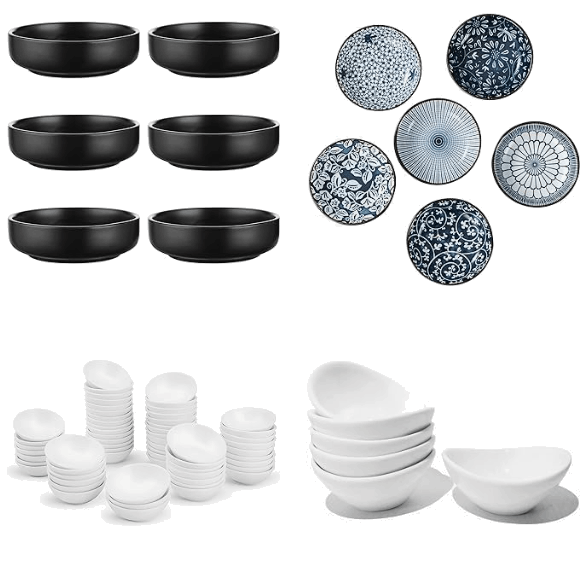
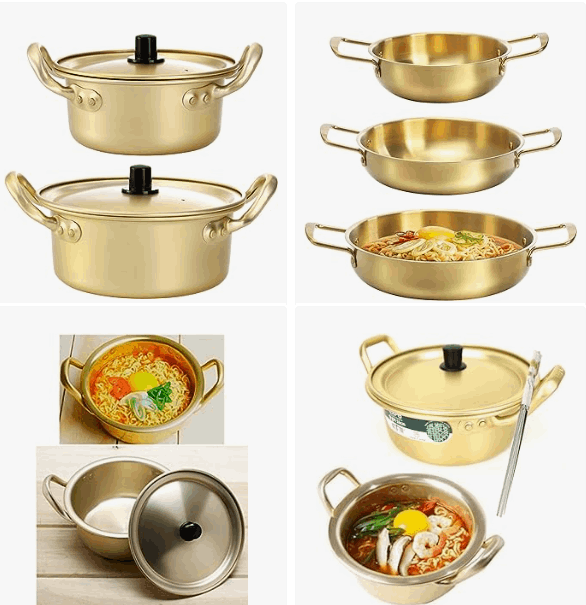
Find Korean ingredients, seasonings, tableware, dinnerware, and more on Amazon

Links are to products at Amazon. Purchases made through these links may earn a commission that helps to support this site. 

Comment?

hanna-one.com
The Original hannaone

 © 2007–2026 hanna-one.com℠ — All Rights Reserved
This website reflects the original work of hannaone. Korean recipes featured here have been reproduced without permission by the current registrant of hannaone.com.
Affiliate Disclosure:
hannaonetwo.com / hanna-one.com℠ participates in the Amazon Services LLC Associates Program, an affiliate advertising program designed to earn fees by linking to Amazon.com. Purchases made through these links help support this site. As an Amazon Associate, we earn from qualifying purchases.
Image Credits:
Most of the images/photos on this site are by Gil "hannaone", the owner of this website.
Some images on this site are sourced from contributors to Pixabay.com, a royalty‑free image and stock photo platform.  
Additionally, some images have been created using AI prompts by hannaone.