Recipes: Banchan - Pajeori

pajeori

Article by Gil "hannaone"
© Copyright 2007-2026. All rights reserved.
Image by hannaone: Pajeori

Pajeori  Green Onion Salad


파절이 | pajeori

Pajeori, a seasoned green onion condiment, is a great addition to Korean BBQ, particularly alongside grilled pork belly (Samgyeopsal). Its tangy taste adds a delicious touch to non-marinated meats. This popular side dish pairs well with various grilled meats such as steaks, pork chops, burgers, and more.
This salad needs to be prepared fresh, and dressed just before serving. In fact, it is a good idea to serve the dressing in a separate bowl so that people can dress it themselves as needed.

Recipe Type: Banchan Servings: 4

Ingredients
1 bunch medium (about 6 or 7 each, or about 3 ounces US) green onions

Dressing:
2 teaspoons coarse gochugaru (chili flakes)
2 teaspoons sesame oil
1 teaspoon sesame seeds
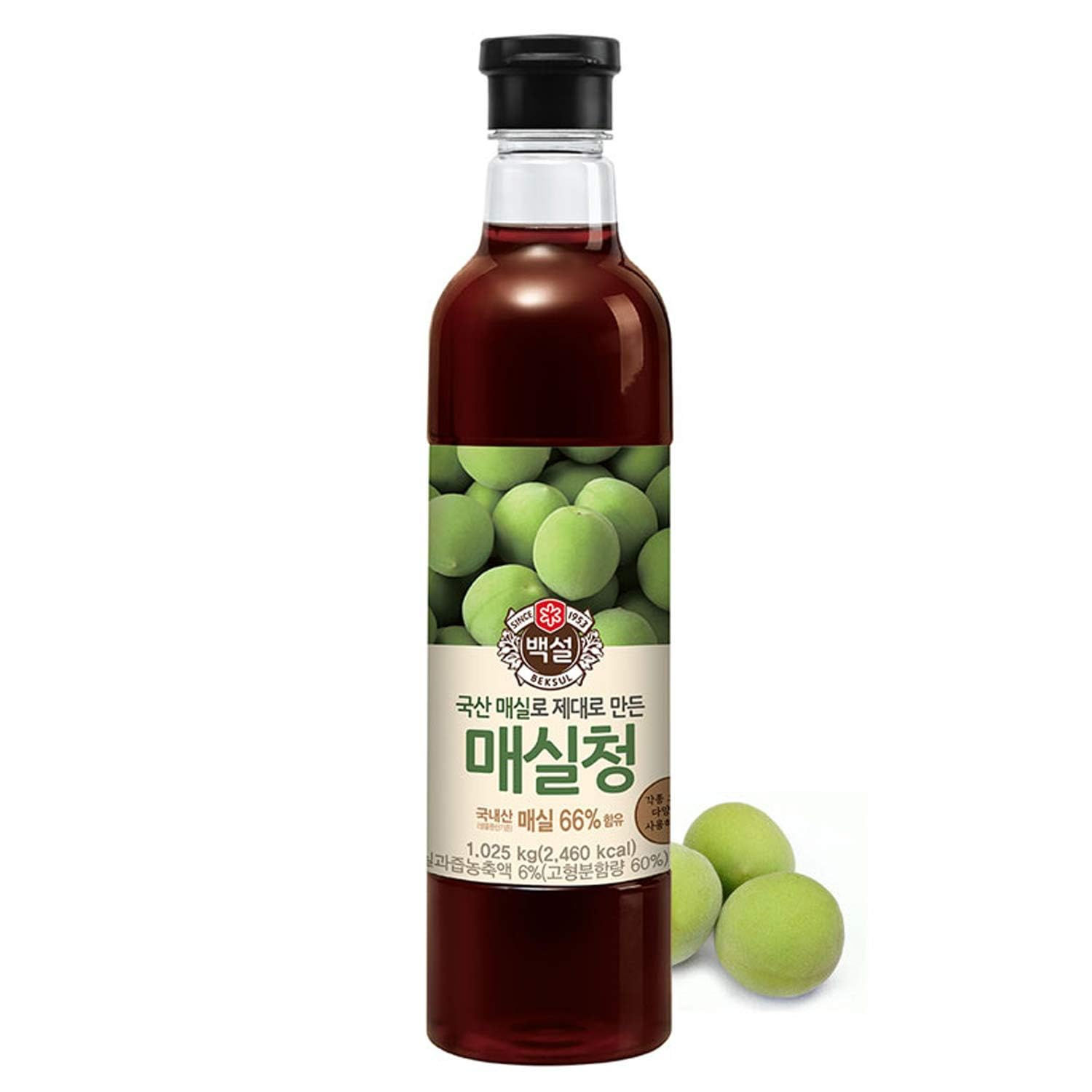
1 teaspoon maesil cheong (green plum extract)*
1 teaspoon vinegar
1 teaspoon soy sauce
1 teaspoon sugar

*Optional/Substitute
1 teaspoon bokbunjaju (Black Raspberry Wine) 
Lemon or lime juice instead of maesil cheong


NOTE: If serving dressing on the side, a double batch is recommended to make sure there is enough for everyone


Directions
Start this shortly before the meal is to be ready.
Trim green onions as needed to remove root ends and any discolored leaves.
Wash well in cold water.
Slice the green onions in half length wise, then lay flat side down and slice into very thin strips, also lengthwise.
Rinse gently in cold water, then soak in cold water for about ten to 15 minutes.

Mix maesil cheong, vinegar, soy sauce, sugar, and optional wine, if desired, in a small bowl. Stir until sugar dissolves. Add sesame oil, gochugaru, and sesame seeds and mix well.
Let stand at least 15 minutes.

Drain the green onion, rinse one more time in cold water, then gently shake them.
Place into a bowl and dress just before serving, or place the bowl on the table with tongs and dressing in a separate bowl so that each person can dress as needed.

Story Time

Some History

🌿 A Short History of Pajeori (파절이)
When people think of Korean cuisine, their minds often jump straight to fermentation—kimchi, doenjang, gochujang, jeotgal. But Korea’s food culture has always balanced the preserved with the fresh. Alongside long‑aged pastes and pickles, there’s a deep tradition of quick, bright, minimally prepared dishes that highlight the natural flavor of seasonal ingredients.
Green onions, in particular, have been part of Korean cooking for as long as written records allow us to see. Ancient food texts mention simple preparations of pa—fresh scallions sliced into long, thin ribbons and lightly seasoned. These early green‑onion salads appeared everywhere from humble village tables to the refined spreads of the royal courts. Their appeal was universal: inexpensive, refreshing, and endlessly adaptable.
The earliest dressings were straightforward—soy sauce seasoned with a touch of salt or aromatics. Cooks could sweeten the mixture with honey or brighten it with a splash of vinegar, depending on the occasion and what was available. After chili peppers arrived on the peninsula in the 16th century, the flavor palette expanded dramatically. Spicy versions of pajeori emerged, using gochugaru or fresh chili to add heat and color, eventually becoming the bold, tangy, slightly fiery salad that often accompanies grilled meats today.
Despite its simplicity, pajeori carries a long lineage. It’s a reminder that Korean cuisine isn’t defined only by what ferments slowly in clay jars—it’s also shaped by the immediacy of fresh vegetables, quick seasoning, and the everyday creativity of cooks across centuries
 

green onions

Available on Amazon

These Items are available on Amazon.


Ingredients

Purchases made through these links may earn a commission which helps to support this web site.

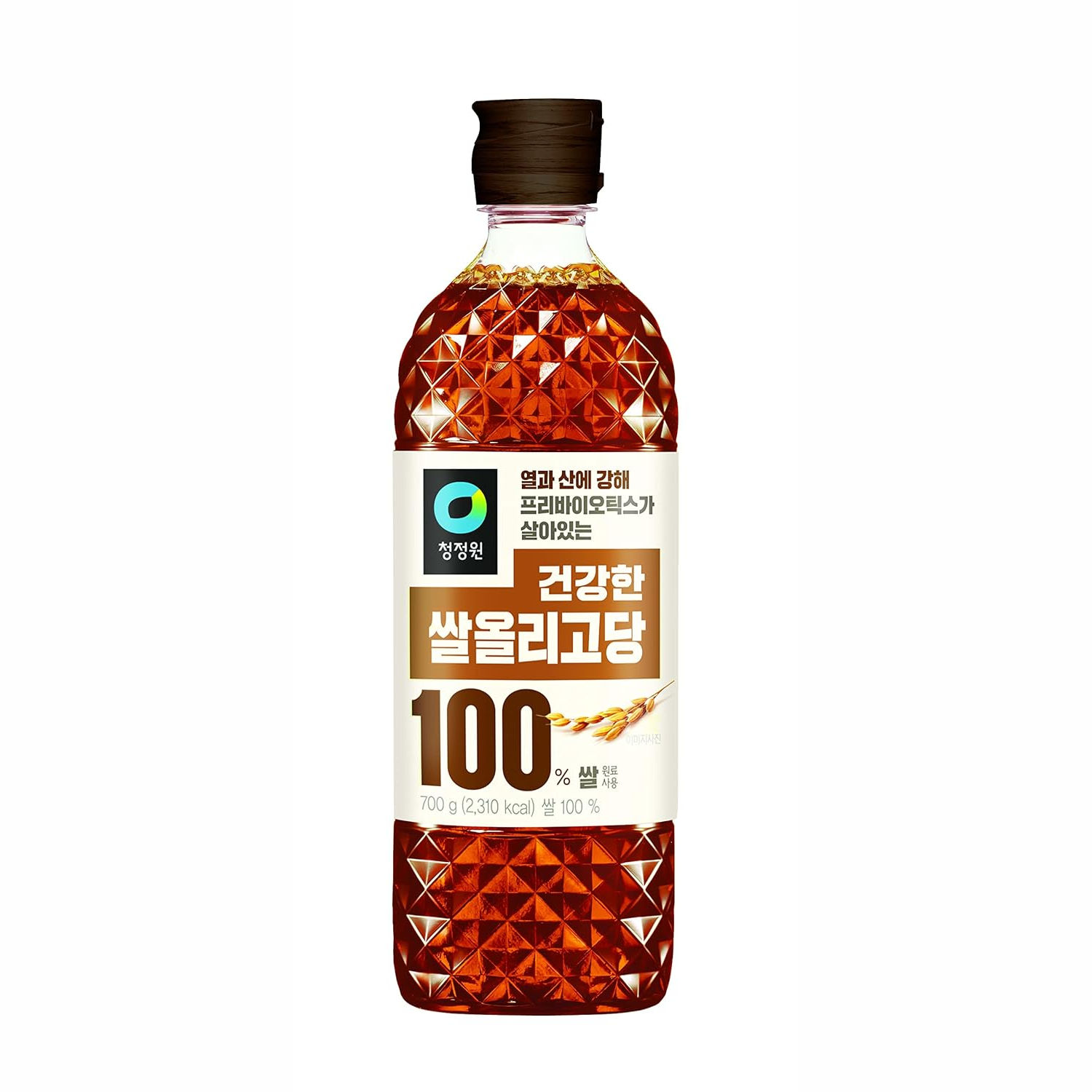
rice mulyeot

Korean Rice Syrup

Korean sweetener, used in many Korean recipes

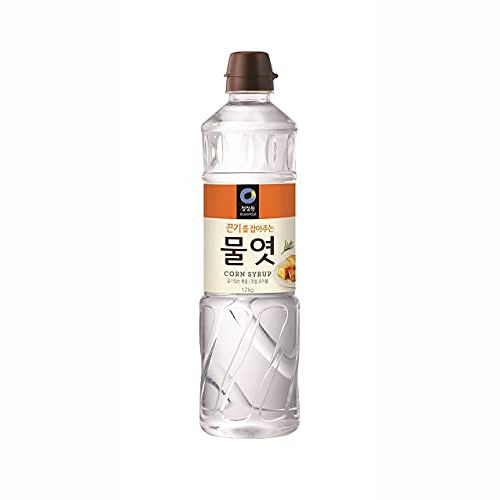
Corn Syrup

Medium Spice

Korean sweetener used in many Korean recipes

maesil cheomg


Green Plum Extract

Great for marinades or beverages

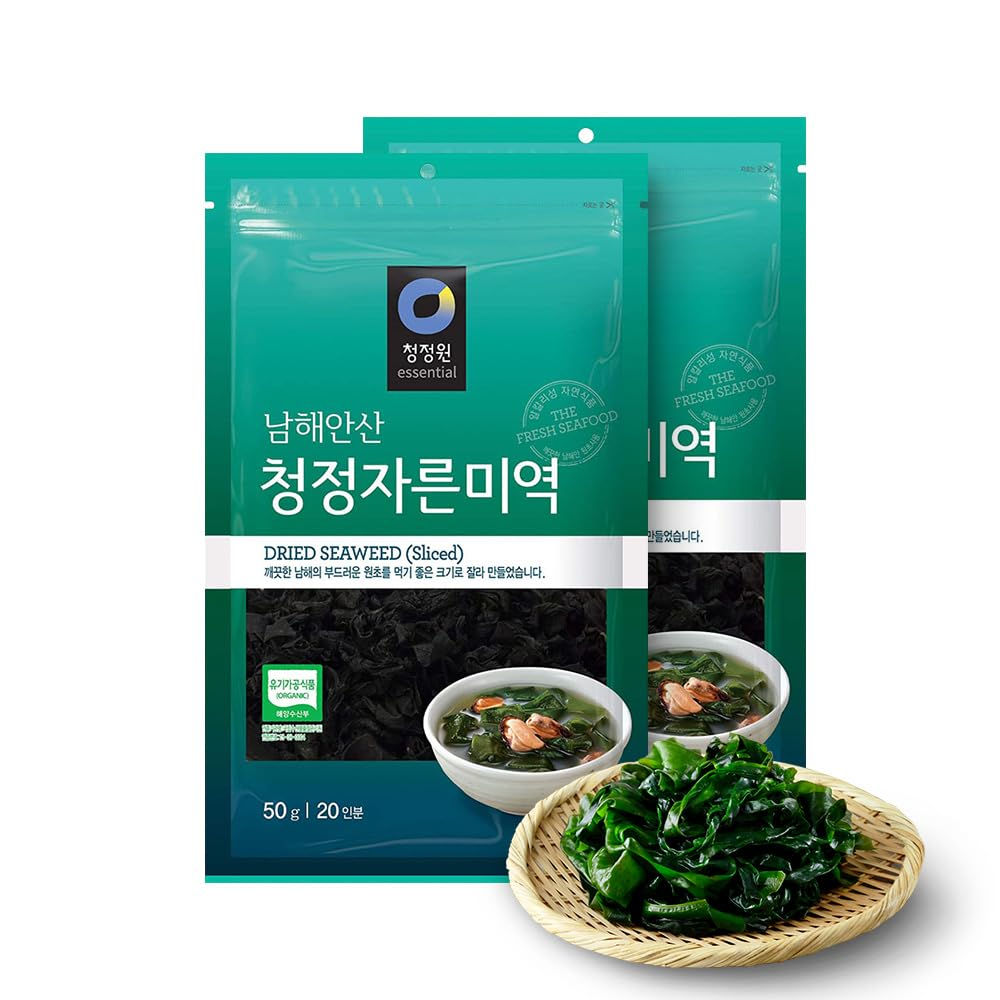
Miyeok


Dried Miyeok

Great for soups and banchan

Dried Bellflower

Soy bean paste

An essential ingredient

Comment?

hanna-one.com
The Original hannaone

 © 2007–2026 hanna-one.com℠ — All Rights Reserved
This website reflects the original work of hannaone. Korean recipes featured here have been reproduced without permission by the current registrant of hannaone.com.
Affiliate Disclosure:
hannaonetwo.com / hanna-one.com℠ participates in the Amazon Services LLC Associates Program, an affiliate advertising program designed to earn fees by linking to Amazon.com. Purchases made through these links help support this site. As an Amazon Associate, we earn from qualifying purchases.
Image Credits:
Most of the images/photos on this site are by Gil "hannaone", the owner of this website.
Some images on this site are sourced from contributors to Pixabay.com, a royalty‑free image and stock photo platform.  
Additionally, some images have been created using AI prompts by hannaone.