Recipes: Banchan - Myeolchi-bokkeum

myeolchi-bokkeum

Article by Gil "hannaone"
© Copyright 2007-2026. All rights reserved.
Image by hannaone: Myeolchi-bokkeum

Myeolchi-bokkeum  Stir Fried Anchovies


멸치볶음 | myeolchi-bokkeum

Myeolchi‑bokkeum is one of Korea’s foundational mitbanchan—the everyday side dishes that appear on tables so consistently they feel like part of the landscape of Korean home cooking. In Korea, it’s one of the most frequently served banchan and also a popular anju, thanks to its salty‑sweet flavor and satisfying crunch.
Outside of Korea, myeolchi‑bokkeum tends to show up in more specialized settings: restaurants focused on seafood, places serving soon dubu or other tofu‑based stews, and spots where soju is central to the experience. Its presence in these contexts highlights exactly what makes the dish so beloved—its ability to complement bold broths, rich stews, and the clean bite of Korean spirits.

Ingredients
6 oz dried anchovies
1 tablespoon oil

Optional:
Korean sweet chili peppers
Chopped bell peppers
Fish cake strips
Dried pink shrimp


Stir fry sauce:
1 tablespoon mulyeot *
2 teaspoons soy sauce
2 teaspoons water
2 cloves garlic, minced

Optional:
1 tablespoon gochujang **


Garnish:
1 small green onion, finely chopped
toasted sesame seed and/or chopped nuts (peanuts, walnuts, pecans, etc)

* Korean malt syrup. May substitute: 1 tablespoon corn syrup or 1 tablespoon sugar or 1 1/2 tablespoon brown sugar.
** Korean fermented red chili paste. May substitute chopped hot red or green chili peppers or hot red chili powder (cayenne or similar - not the chili powder blend

Directions
Preparation
Rinse the anchovies in cold water, then soak about three to five minutes
Add all the sauce ingredients to a small bowl and mix well. Let stand for 10 minutes.

Cooking:
Heat a pan over high heat.
Add the anchovies, reduce the heat to medium, and dry fry the anchovies for about one minute, stirring gently.
Add oil and cook for another minute.
Add the sauce and bring to a slow simmer.
Gently stir the anchovies until they are coated with the sauce, then simmer until the liquid is nearly gone.
Remove from heat and let cool.

Final
Serve as a snack or as part of a banchan array.


myeolchi-bokkeum
myeolchi
myeolchi
anchovies
myeolchi
tofu bibim-bap

Story Time

Some History

Myeolchi‑bokkeum is one of Korea’s essential mitbanchan—the everyday side dishes that anchor countless home meals. Its roots lie in Korea’s long tradition of preserving seafood. With anchovies abundant in the waters surrounding the peninsula, drying them became a practical and reliable way to store protein for leaner seasons.
Over time, cooks began enhancing these dried anchovies with simple seasonings. Early versions relied on salt alone, but the introduction of soy sauce added depth, and sweeteners such as honey—and later malt syrup and corn syrup—helped create the glossy, savory‑sweet coating now associated with the dish. In the royal kitchens of the Joseon era, this combination of preserved fish, soy seasoning, and syrupy glaze became a refined preparation served alongside other courtly banchan.
From those origins, Myeolchi‑bokkeum evolved into the quick, beloved side dish found in modern Korean homes. A brief stir‑fry allows the sweetener to cling to the anchovies, creating a lightly crisp, caramelized finish that balances saltiness, sweetness, and umami in every bite
 

anchovies

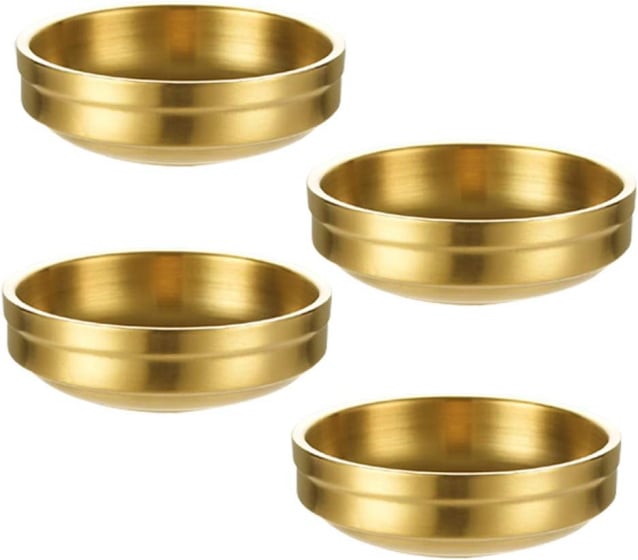
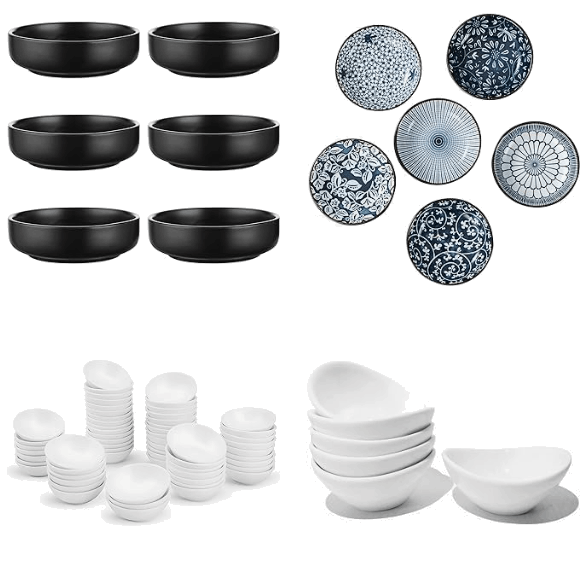
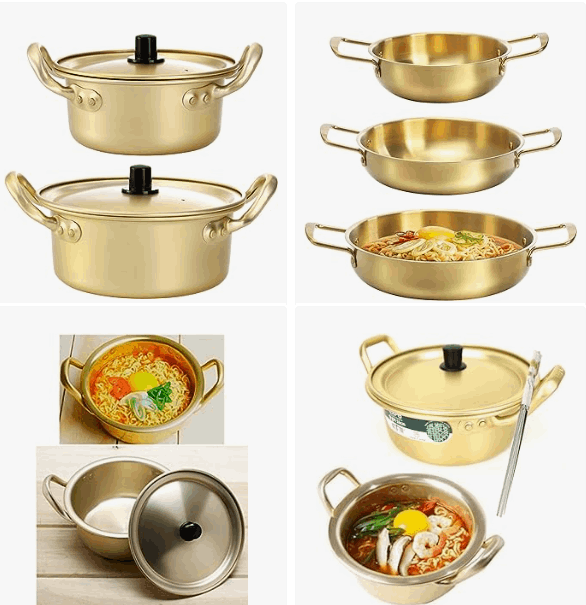
Find Korean ingredients, seasonings, tableware, dinnerware, and more on Amazon

Links are to products at Amazon. Purchases made through these links may earn a commission that helps to support this site. 

Comment?

hanna-one.com
The Original hannaone

 © 2007–2026 hanna-one.com℠ — All Rights Reserved
This website reflects the original work of hannaone. Korean recipes featured here have been reproduced without permission by the current registrant of hannaone.com.
Affiliate Disclosure:
hannaonetwo.com / hanna-one.com℠ participates in the Amazon Services LLC Associates Program, an affiliate advertising program designed to earn fees by linking to Amazon.com. Purchases made through these links help support this site. As an Amazon Associate, we earn from qualifying purchases.
Image Credits:
Most of the images/photos on this site are by Gil "hannaone", the owner of this website.
Some images on this site are sourced from contributors to Pixabay.com, a royalty‑free image and stock photo platform.  
Additionally, some images have been created using AI prompts by hannaone.