Recipes: Banchan - Maneuljjong-bokkeum
Article by Gil "hannaone"
© Copyright 2007-2026. All rights reserved.
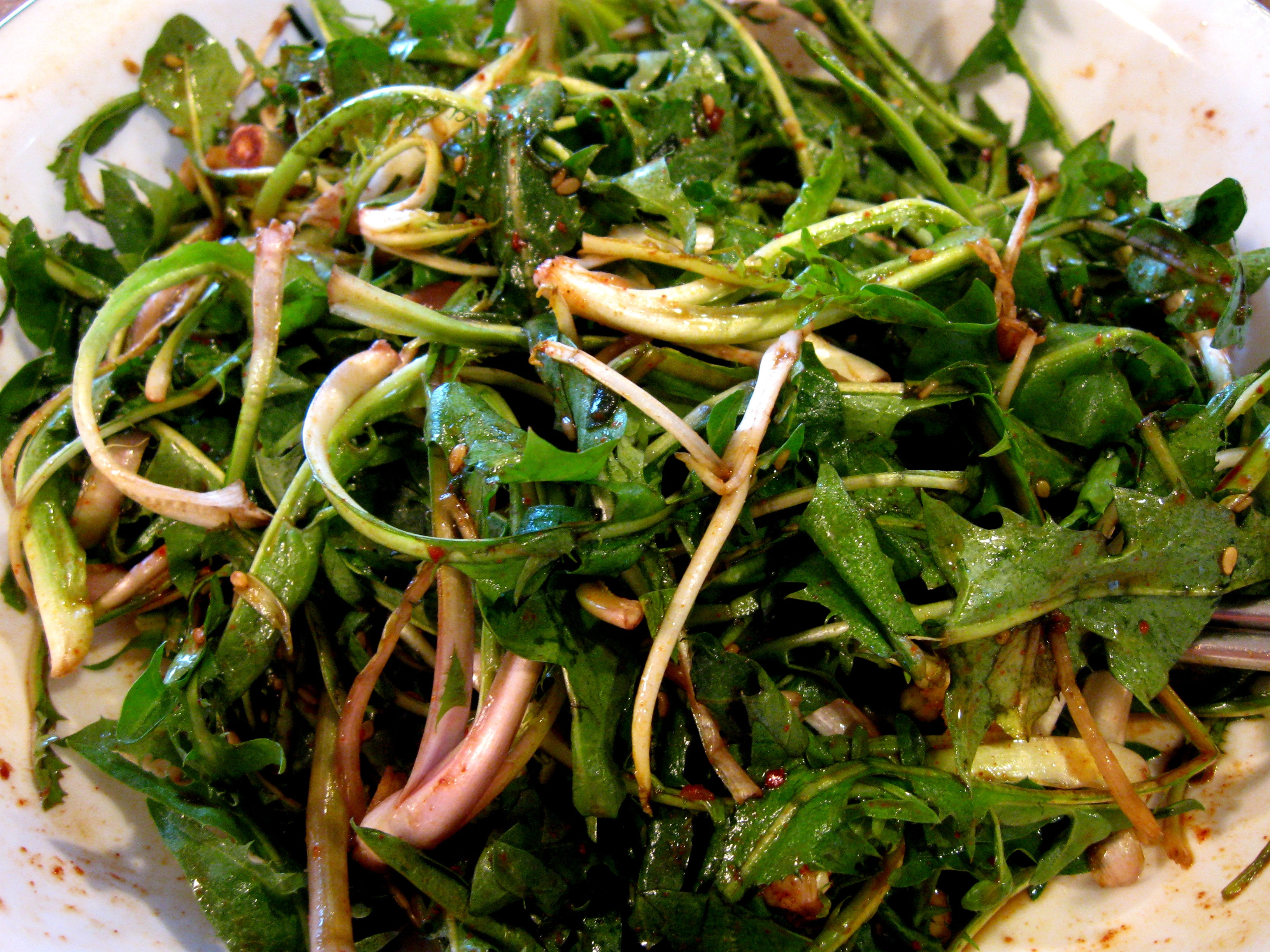
Image by hannaone: Minduelle-muchim
마늘종볶음 | minduelle-muchim
Most people see dandelions as the sworn enemy of a tidy lawn—ragged leaves sprawling in every direction, a tall stem crowned with a puffball ready to scatter across the yard, redeemed only briefly by a burst of bright yellow. But in Korean cuisine, this humble plant transforms into something entirely different. Minduelle-muchim, seasoned dandelion greens, is a delicately bold banchan: mildly spicy, lightly sweet, and pleasantly bitter in that unmistakably Korean way.
It’s a dish that pairs beautifully with almost any meal, especially grilled or roasted meats. For us, it was a signature summer side dish at our former restaurant, a quiet favorite among guests who appreciated its rustic charm and refreshing flavor
Ingredients:
3/4 pound fresh garlic stems
1 tablespoon blended sesame/soy bean oil or vegetable oil
1 teaspoon sugar
1 teaspoon soy sauce
1/2 teaspoon salt
3 cloves cloves garlic
1 teaspoon rice wine
1 teaspoon pure toasted sesame oil
1 teaspoon sesame seeds
Directions:
Wash garlic stems in cold water and drain well.
Cut stems into one inch lengths.
Thin slice the garlic cloves from top to bottom
Cooking
Heat a pan over high heat then add oil.
Add garlic stems and stir fry until tender, three to four minutes.
Add soy sauce, sugar, rice wine, and salt and cook for an additional one to two minutes.
Add sliced garlic and sesame oil and cook for 30 seconds to one minute. Transfer to serving dish and garnish with sesame seeds.
Story Time
🌿 A Brief History of Minduelle-muchim (민들레 무침)
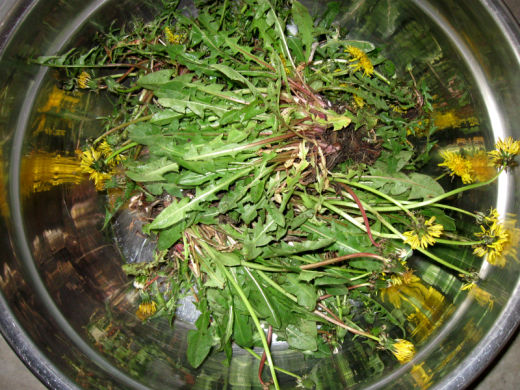
Dandelions (mindeulle in Korean) have been part of Korean food culture far longer than their reputation as “weeds” in the West. In Korea, they’ve traditionally been treated as wild spring vegetables, gathered from hillsides and fields as soon as the weather warmed. This seasonal foraging culture—san-namul (mountain greens)—is deeply rooted in Korean history, especially in rural communities where spring greens were essential after long winters with limited fresh produce.
🌱 Traditional Uses
- Dandelions have long been used in soups, teas, and namul dishes.
- The leaves and stems were eaten fresh or blanched, while the roots were dried for a tea-like drink.
- Their nutritional value was well recognized: vitamins A, C, E, K, folate, iron, potassium, and more.
🍃 Emergence of Muchim
The muchim style—tossing greens with a soy-based, spicy-sweet dressing—became a natural fit for dandelion greens. The mild bitterness of mindeulle pairs beautifully with the Korean flavor profile of soy sauce, vinegar, gochugaru, sesame oil, and garlic, creating a refreshing, rustic banchan.
🌼 Seasonal & Cultural Significance
- Dandelions are considered a wild spring ingredient, often foraged rather than cultivated.
- Because they appear early in the season, they symbolize renewal and resilience, themes common in Korean spring cuisine.
- In many households and restaurants, mindeulle-muchim is a spring or summer side dish, appreciated for its cooling, slightly bitter qualities that balance heavier meat dishes.
🥗 Modern Context
Today, mindeulle-muchim is less common than other namul dishes, but it remains a beloved traditional banchan—especially among older generations and in regions where foraging is still practiced. Korean markets sometimes sell fresh dandelion greens in early spring, keeping the tradition alive.
Comment?