Recipes: Banchan - Maeun saeu bokkeum
Article by Gil "hannaone" © Copyright 2007-2026. All rights reserved.
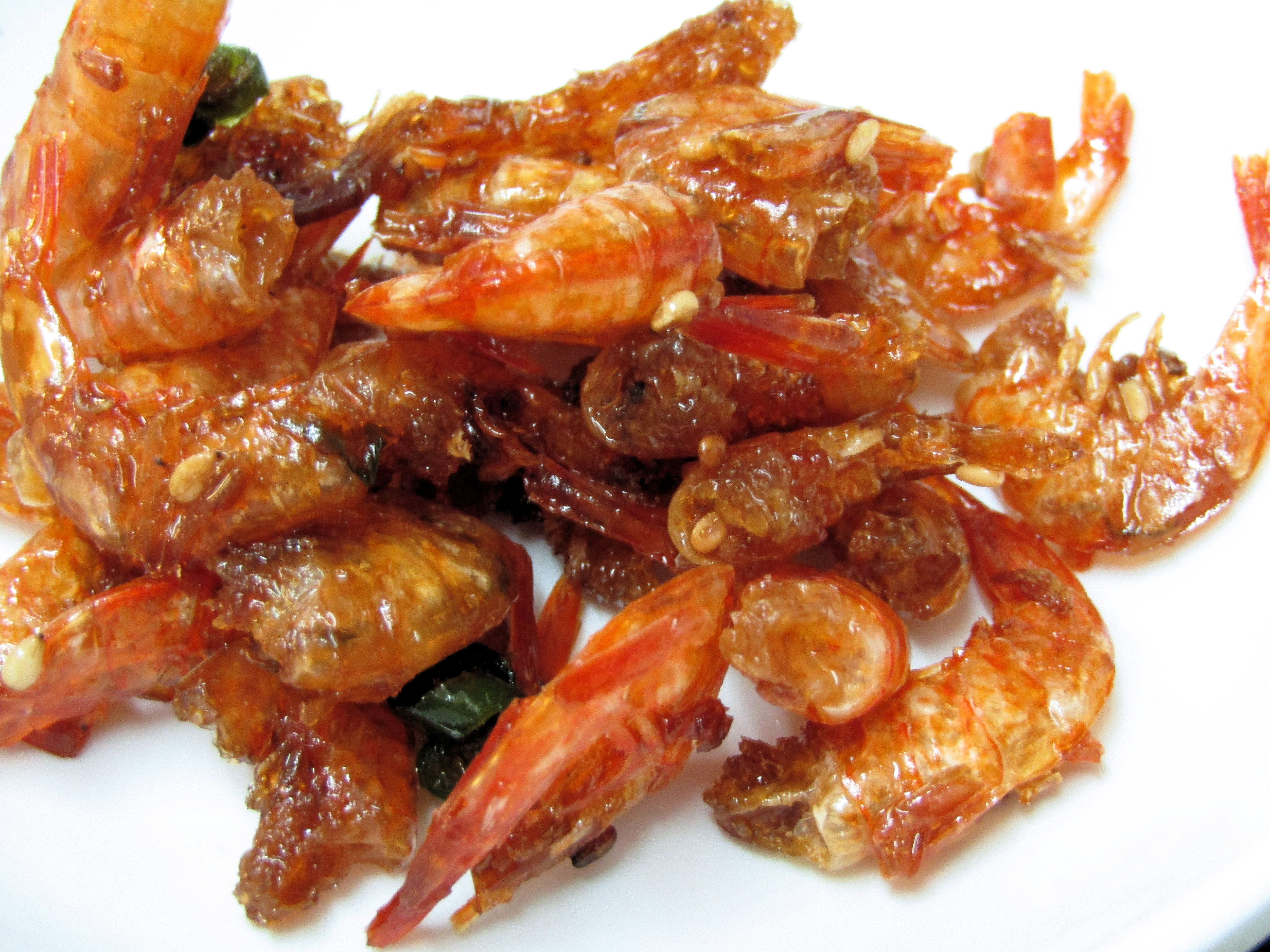
Image by hannaone: Maeun Saeu Bokkeum
마른 새우 볶음 | maeun saeu bokkeum
마른 새우 볶음: Spice‑Candied Dried Shrimp Stir‑Fry
A sweet‑and‑spicy classic of the Korean banchan table, mareun saeu bokkeum transforms humble dried shrimp into glossy, caramelized bites bursting with umami. Its bold flavor makes it a natural companion to comforting soups like miyeok‑guk, rich grilled meats, hearty bowls of bibimbap, fiery stews, and even the chilled, bracing slurp of naengmyeon. Small in size but big in character, it brings energy and depth to any meal.
Ingredients
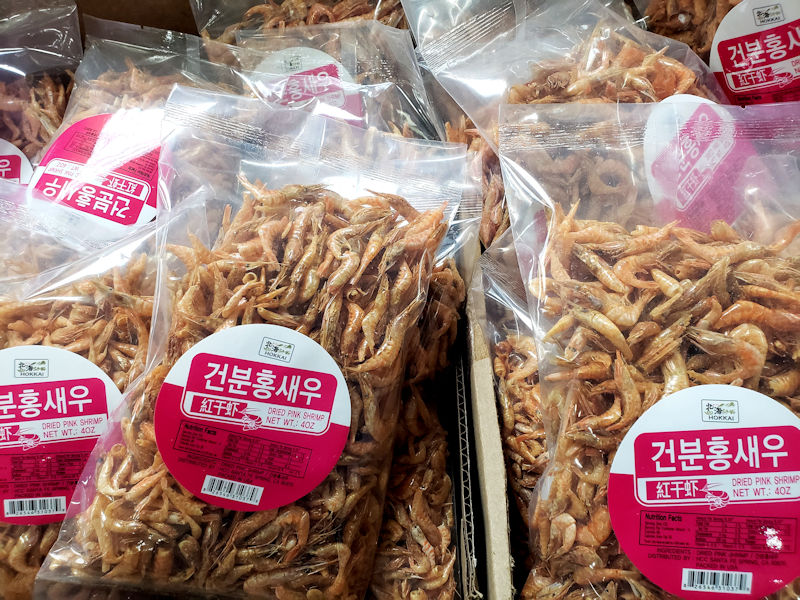
4 ounces Korean Dried Pink Shrimp
2 tablespoons vegetable oil
1 tablespoon sugar
Stir Fry Sauce
3 tablespoons sugar
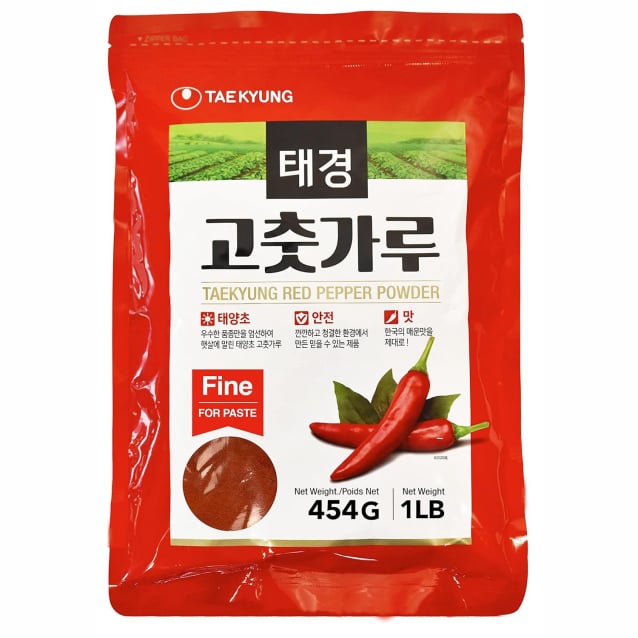
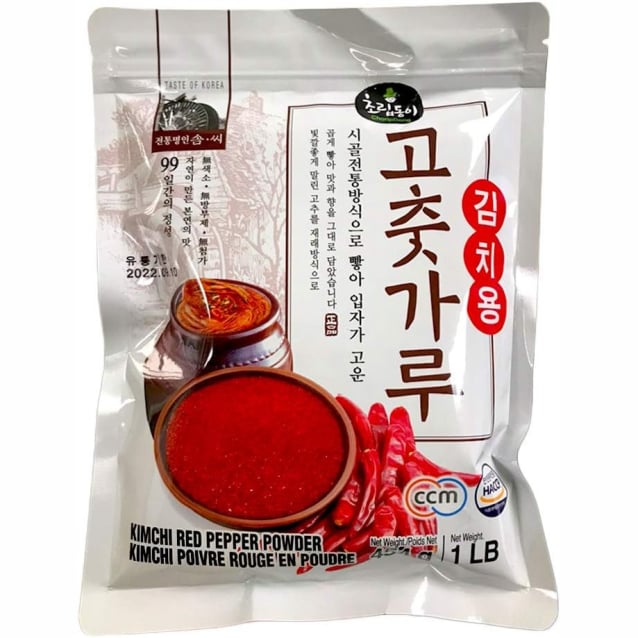
1 tablespoon fine ground gochugaru
1 tablespoon rice or corn syrup
1 tablespoon soy sauce
1 teaspoon maesil extract
Substitute for Maesil Extract: Plum juice, apple juice, mirim/mirin
Directions
Combine all stir fry sauce ingredients in a small bowl and mix well. Let stand about 10 minutes.
Heat a pan over medium heat, add the oil and shrimp, and stir fry about 3 or 4 minutes.
Lower heat to medium, add 1 tablespoon of sugar, and stir fry another 2 to 3 minutes.
Add the stir fry sauce to the pan, reduce heat to low, and stir fry a couple of minutes more, until the liquid coats the shrimp.
Serve as a snack or part of a banchan array with a Korean meal.
Story Time
🌊 1. Born from Korea’s Deep Dried‑Seafood Tradition
For centuries, Korean coastal communities relied on drying seafood as a primary preservation method. Before refrigeration, shrimp were salted and sun‑dried immediately after harvest, creating a lightweight, long‑lasting protein source that could travel inland.
Dried shrimp became a staple in markets across the peninsula, valued for:
- Long shelf life
- High nutritional density
- Portability
- Intense umami flavor
This preservation culture is the foundation from which marun saeu bokkeum emerged.
🍳 2. A Traditional Technique That Barely Changed Over Time
Historical cooking manuals and agricultural records describe a preparation method that is almost identical to today’s:
- Lightly dry‑toast the shrimp to remove moisture and fishiness
- Coat them in a simple glaze of soy sauce, sugar, and oil
- Finish with sesame oil and toasted sesame seeds
This continuity is unusual — many Korean dishes evolved significantly over time, but dried‑shrimp stir‑fries remained nearly unchanged because the technique was already efficient, flavorful, and practical.
🥢 3. A Household Side Dish Since the Late Joseon Era
By the late Joseon period, dried shrimp were widely available in markets, making them a reliable ingredient for everyday cooking. Maeun saeu bokkeum became a classic banchan because it checked all the boxes for a busy household:
- Quick to prepare
- Stores well
- Intensely savory — a “rice thief”
- Nutritious, especially in calcium and protein
Even today, it’s one of the go‑to “emergency side dishes” Korean families make when the fridge is nearly empty.
🌶️ 4. Modern Variations and Regional Twists
While the traditional soy‑based version remains the standard, modern Korean kitchens have introduced variations:
- Gochujang‑glazed dried shrimp
- Stir‑fried with shishito or chili peppers
- Mixed with peanuts or other nuts
- Honey‑glazed versions for children
These variations reflect contemporary tastes while preserving the dish’s core identity.
🧭 5. Cultural Significance
Maeun saeu bokkeum represents several threads of Korean food culture:
- Preservation wisdom from pre‑modern coastal communities
- The spread of seafood inland through dried goods
- The rise of standardized household banchan in the late Joseon era
- Modern convenience culture, where quick, flavorful side dishes are prized
It’s a deceptively simple dish that carries centuries of culinary history.
Comment?