Articles
Ttukbaegi: Korea’s Traditional Earthenware Pot
뚝배기 | Ttukbaegi
Introduction
In Korean cuisine, cookware is more than just a tool—it often shapes the flavor, texture, and presentation of a dish. One of the most iconic examples is the ttukbaegi (뚝배기), a traditional earthenware pot that has been used for centuries. Understanding its history, design, and culinary applications provides valuable insight into Korean food culture.
What Is Ttukbaegi?
- Definition: The word ttukbaegi literally means “earthenware pot.”
- Material: Made from clay, usually black or dark brown, sometimes reddish-brown.
- Design: Thick walls and a fitted lid allow for slow, even heating and excellent heat retention.
- Craftsmanship: Traditionally hand-molded from natural clay near riverbeds or mountains. Modern artisans continue to use techniques passed down through generations, making each pot unique.
Historical Background
- Origins: Ttukbaegi dates back to the Three Kingdoms period (57 BCE–668 CE).
- Early Uses: Initially used for food storage and fermentation, especially kimchi.
- Evolution: Over time, it became central to cooking methods, particularly stews and soups, due to its ability to maintain consistent heat.
Why Use Ttukbaegi?
- Heat Retention: Thick clay walls keep food hot long after cooking, ideal for communal meals.
- Flavor Development: The lid traps steam, intensifying flavors during simmering.
- Versatility: Suitable for boiling, steaming, braising, and even baking.
- Aesthetic Value: Its rustic look complements both traditional and modern kitchens.
Common Dishes Cooked in Ttukbaegi
1. Kimchi Jjigae (김치찌개)
- Ingredients: Fermented kimchi, pork or beef, tofu, onions, garlic.
- Educational Note: The pot’s heat softens kimchi and melds flavors into a hearty stew.
2. Doenjang Jjigae (된장찌개)
- Ingredients: Vegetables (zucchini, potatoes, mushrooms), tofu, soybean paste (doenjang), chili paste (gochujang).
- Educational Note: Demonstrates how fermented condiments create depth of flavor.
3. Samgyetang (삼계탕)
- Ingredients: Whole chicken stuffed with glutinous rice, garlic, jujube, ginseng.
- Educational Note: A nourishing dish, often eaten in summer for stamina, showing the pot’s role in medicinal cuisine.
Beyond Cooking: Serving with Ttukbaegi
- Keeps food warm throughout the meal.
- Enhances presentation in family-style dining.
- Symbolizes tradition and hospitality in Korean households.
Where to Find Ttukbaegi
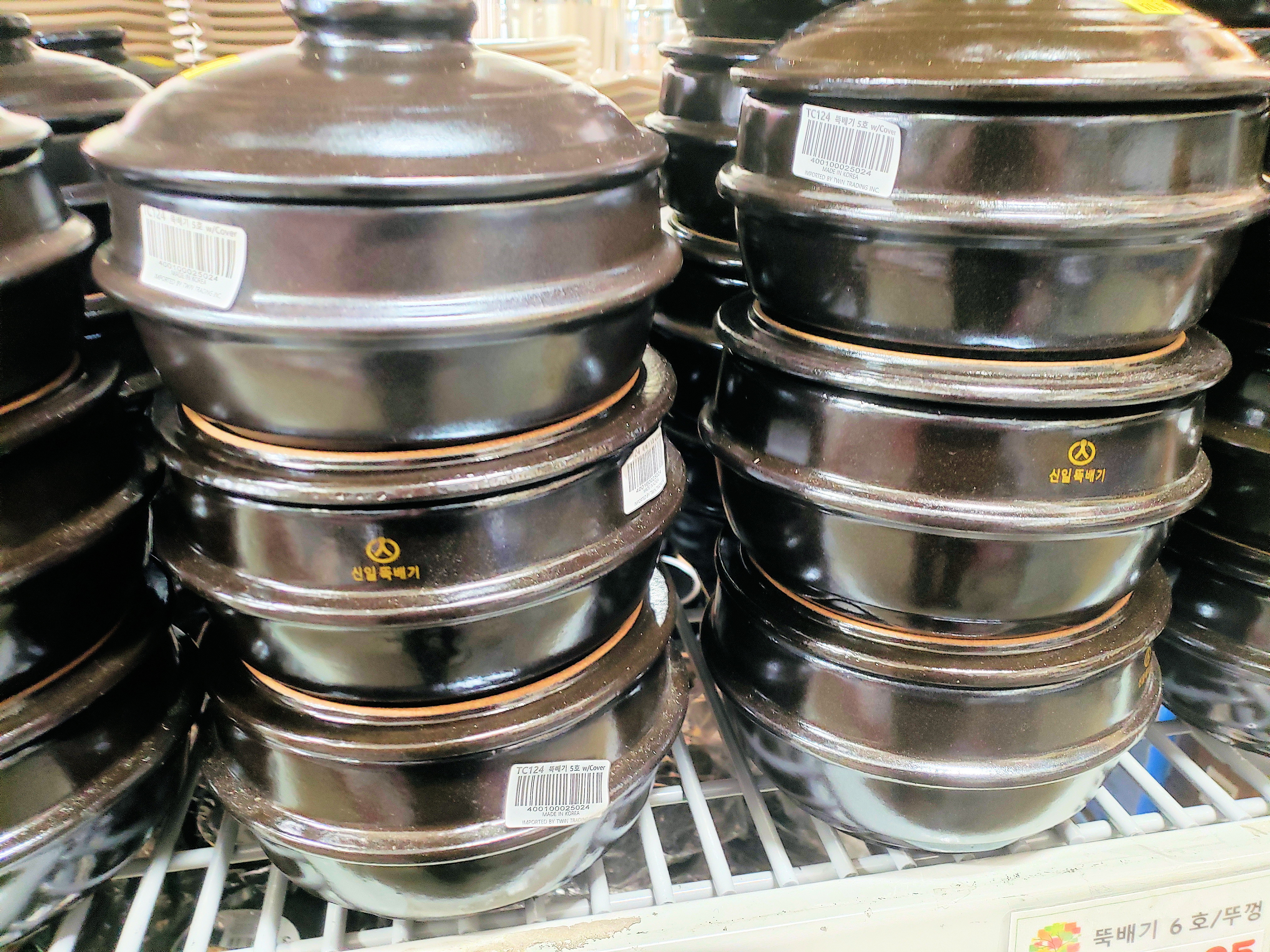
- In Korea: Widely available in kitchenware shops and traditional markets.
- Internationally:
- Online retailers (Amazon, Korean specialty stores).
- Asian grocery markets in international districts.
- Some Western kitchenware stores under “Asian cookware.”
- Alternatives: Japanese donabe or Chinese sand pots can substitute, though they differ slightly in design.
Conclusion
The ttukbaegi is more than a cooking vessel—it is a cultural artifact that connects modern kitchens to centuries of Korean tradition. By learning to use it, home cooks gain access to authentic flavors and cooking techniques that define Korean cuisine. Whether preparing a bubbling stew or serving rice porridge, the ttukbaegi transforms everyday meals into cultural experiences.
Article by Gil "hannaone" © Copyright 2025-2026. All rights reserved.
Ttukbaegi in the Korean Store
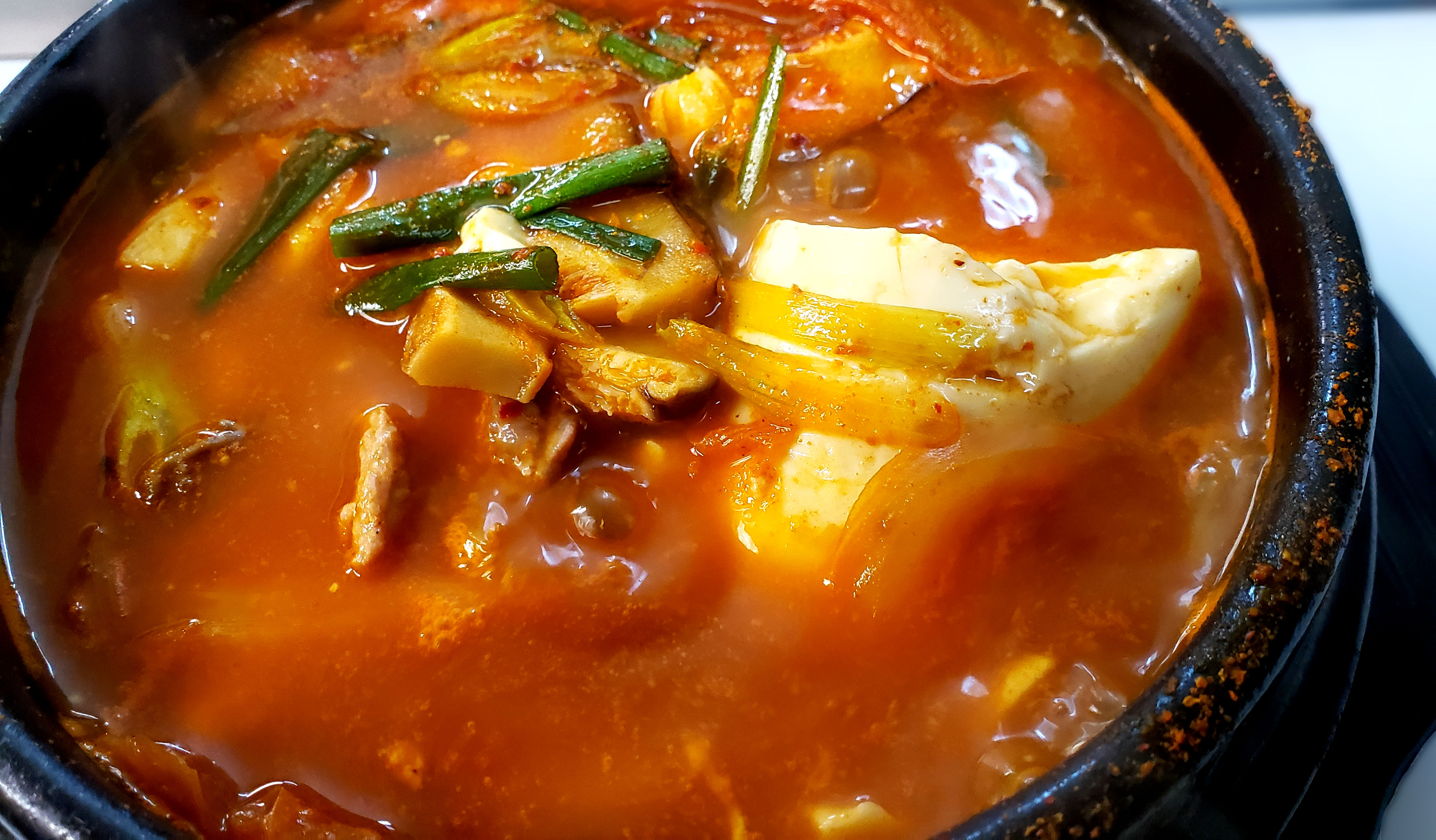
Image by hannaone: Soondubu Jjigae in Ttukbaegi
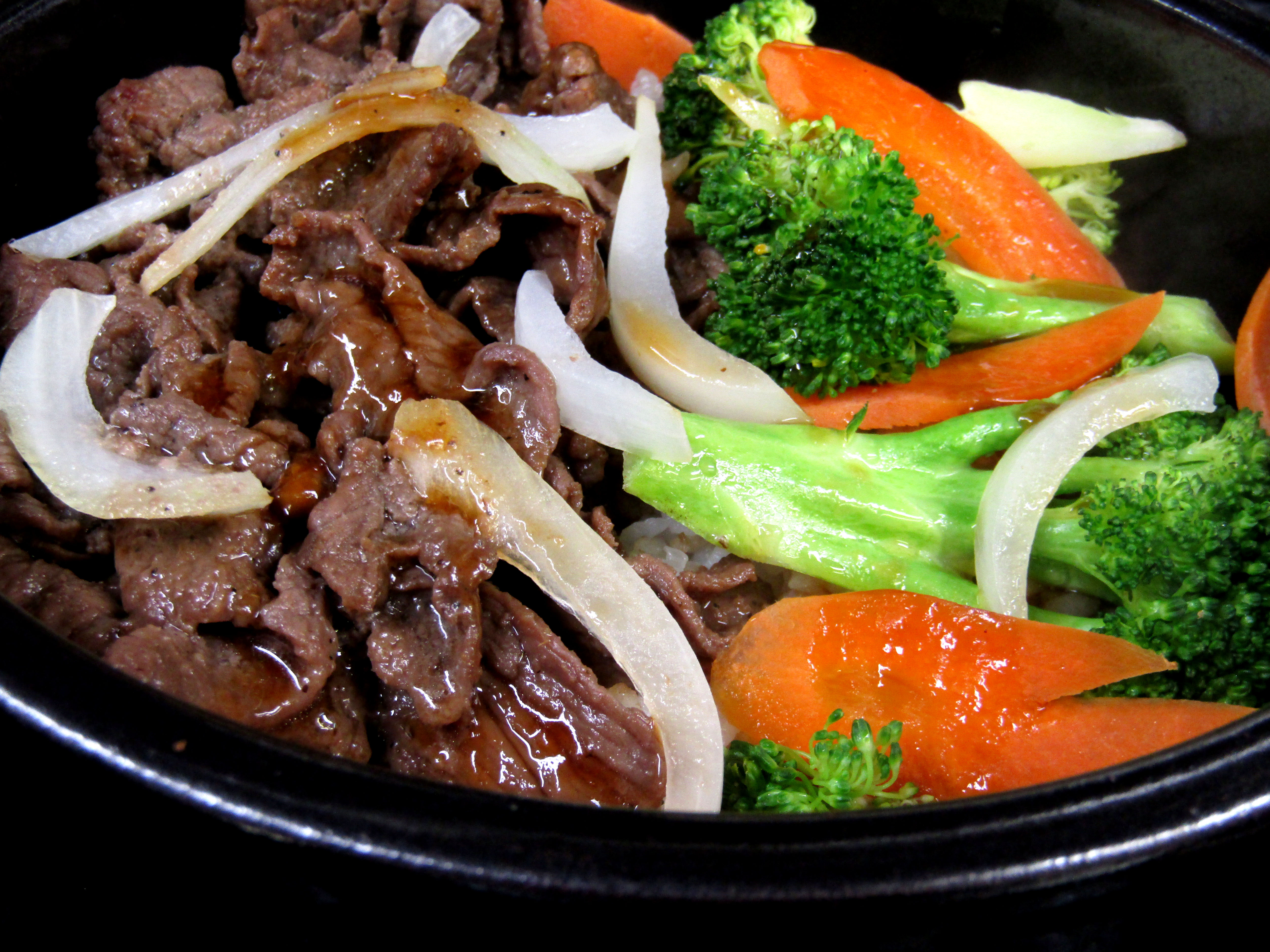
Image by hannaone: Bulgogi & Vegetables on Rice in ttukbaegi

Comment?