Articles
Article: Korean Soups
Korean Soups: History, Types, Ingredients, and Cultural Role
Soups and stews are at the heart of Korean cooking. They appear in everyday meals, seasonal traditions, and family gatherings, offering everything from light, clean broths to deeply simmered, spicy stews. Across regions and generations, Korean soups have served as nourishment, comfort, and a reflection of Korea’s relationship with its ingredients and seasons.
Why Soups Matter in Korean Cuisine
For centuries, soups have played several roles in Korean life:
- Daily sustenance: stretching simple ingredients into filling meals
- Gentle nourishment: soft, warm dishes suitable for elders or recovery
- Restorative food: believed to support strength, balance, and wellness
- Culinary expression: showcasing flavors from mild and clear to bold and spicy
A typical Korean table often includes rice, kimchi, banchan, and a soup—each contributing balance and variety.
Three Main Categories of Korean Soups
Korean soups fall into three broad types, each with its own purpose and style:
- Guk (국): Light, clean soups served alongside rice. Examples include miyeok-guk and muguk.
- Tang (탕): Long-simmered broths with deeper flavor, often hearty enough to stand alone. Examples include seolleongtang and galbitang.
- Jjigae (찌개): Thick, stew-like dishes seasoned boldly with doenjang, gochujang, or kimchi. Examples include doenjang-jjigae and kimchi-jjigae.
These categories help explain why Korean soups vary so widely—from refreshing cold broths to intensely savory bone soups.
Classic and Well-Loved Korean Soups
Many iconic Korean soups highlight the country’s culinary traditions:
- Doenjang-jjigae: A fermented soybean paste stew with vegetables, tofu, and anchovy stock
- Kimchi-jjigae: Spicy, tangy, and deeply comforting, made with aged kimchi
- Seolleongtang: Milky ox bone soup simmered for hours to extract collagen and minerals
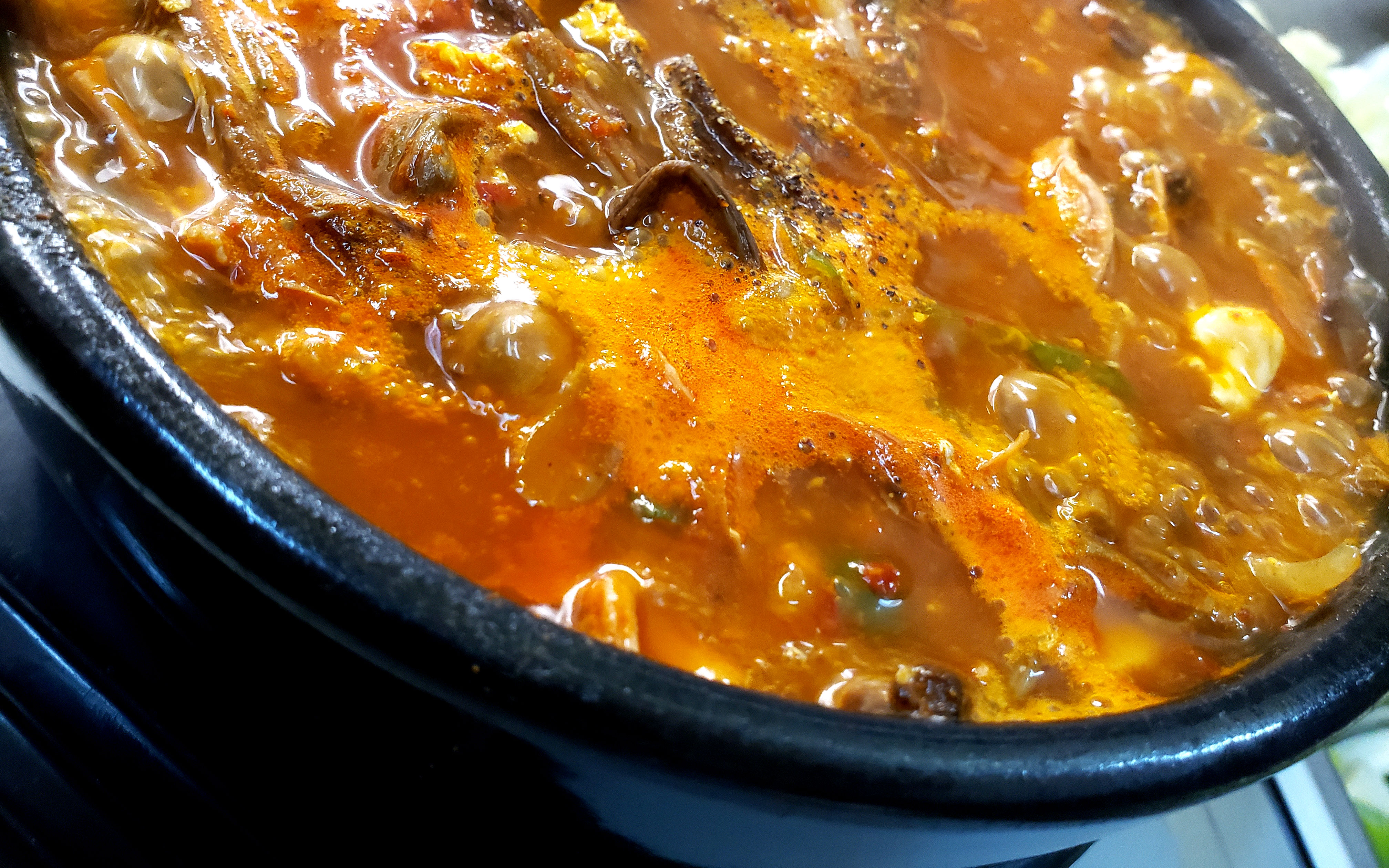
- Yukgaejang: Spicy beef soup with shredded brisket, gosari, and green onions
- Samgyetang: Whole chicken stuffed with rice, ginseng, and jujubes
- Naengmyeon: Cold buckwheat noodles in an icy broth, refreshing in summer
- Miyeok-guk: Seaweed soup eaten postpartum and on birthdays
Each dish reflects a different facet of Korean cooking—fermentation, long simmering, seasonal eating, and the belief that food should support health.
Key Ingredients That Define Korean Soups
Korean soups rely on a small set of foundational ingredients that create depth and character:
- Gochugaru & gochujang: Provide heat, color, and fermented complexity
- Doenjang: Adds savory depth and umami
- Anchovy stock: A backbone of many everyday soups and stews
- Kelp (dashima): Adds clean, mineral-rich flavor
- Radish: Softens into sweetness as it simmers
- Mountain greens (gosari, chwinamul, etc.): Bring earthy, seasonal notes
These ingredients aren’t just flavor builders—they reflect Korea’s emphasis on seasonality, fermentation, and using every edible part of a plant or animal.
Nutritional and Restorative Qualities
Korean soups often align with the “food as medicine” philosophy:
- Bone broths like seolleongtang provide protein and collagen.
- Fermented ingredients (kimchi, doenjang) contribute probiotics.
- Seaweed soups offer iodine and minerals important for thyroid health.
- Spicy soups can act as natural decongestants.
- Vegetable-heavy soups support digestion and are naturally low in calories.
This blend of warmth, hydration, and nutrient density explains why soups are central to postpartum care, seasonal transitions, and recovery from fatigue.
How Korean Soups Are Made
Most Korean soups follow a few core principles:
- Start with a good broth: beef bones, anchovies, kelp, or chicken
- Simmer patiently: long cooking extracts flavor and nutrients
- Bloom pastes in oil: briefly cooking gochujang or doenjang deepens flavor
- Use seasonal vegetables: napa cabbage, radish, green onions, mushrooms
- Balance the seasoning: saltiness, heat, and umami should feel harmonious
- Finish with freshness: sesame oil, sliced green onions, or garlic
The process is simple but rewards attention to detail.
Cultural Notes and Traditions
A few well-known customs highlight how soups intersect with Korean life:
- Miyeok-guk for new mothers: believed to support recovery and milk production
- Birthday miyeok-guk: eaten to honor one’s mother
- Haejangguk (hangover soups): hearty, spicy broths meant to restore energy
- Samgyetang in summer: eaten during the hottest days to replenish strength
These traditions show how soups are woven into both everyday routines and meaningful milestones
Article by Gil "hannaone" © Copyright 2025-2026. All rights reserved.
Image: Yukgaejang
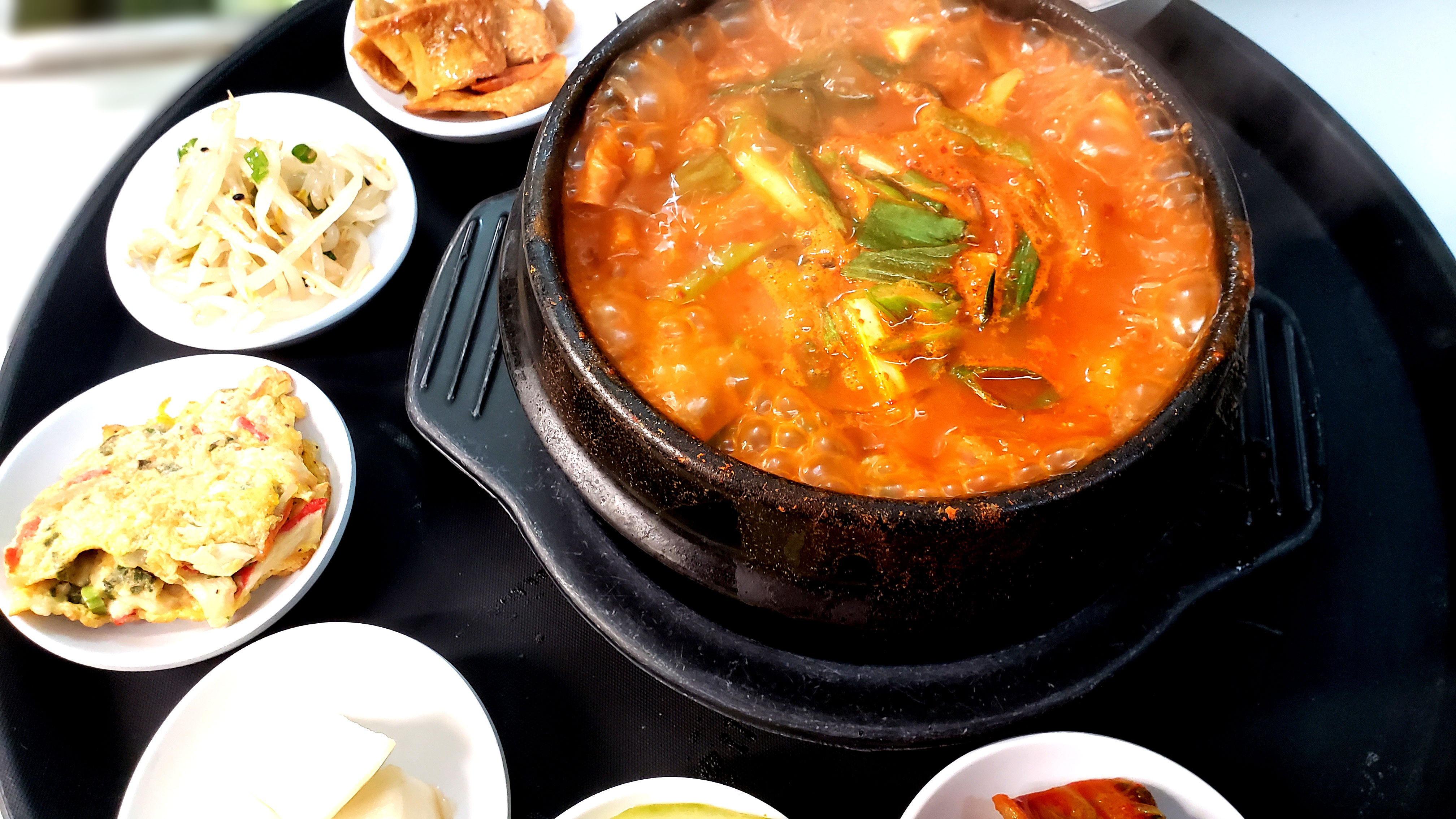
Image by hannaone: Kimchi soup and banchan
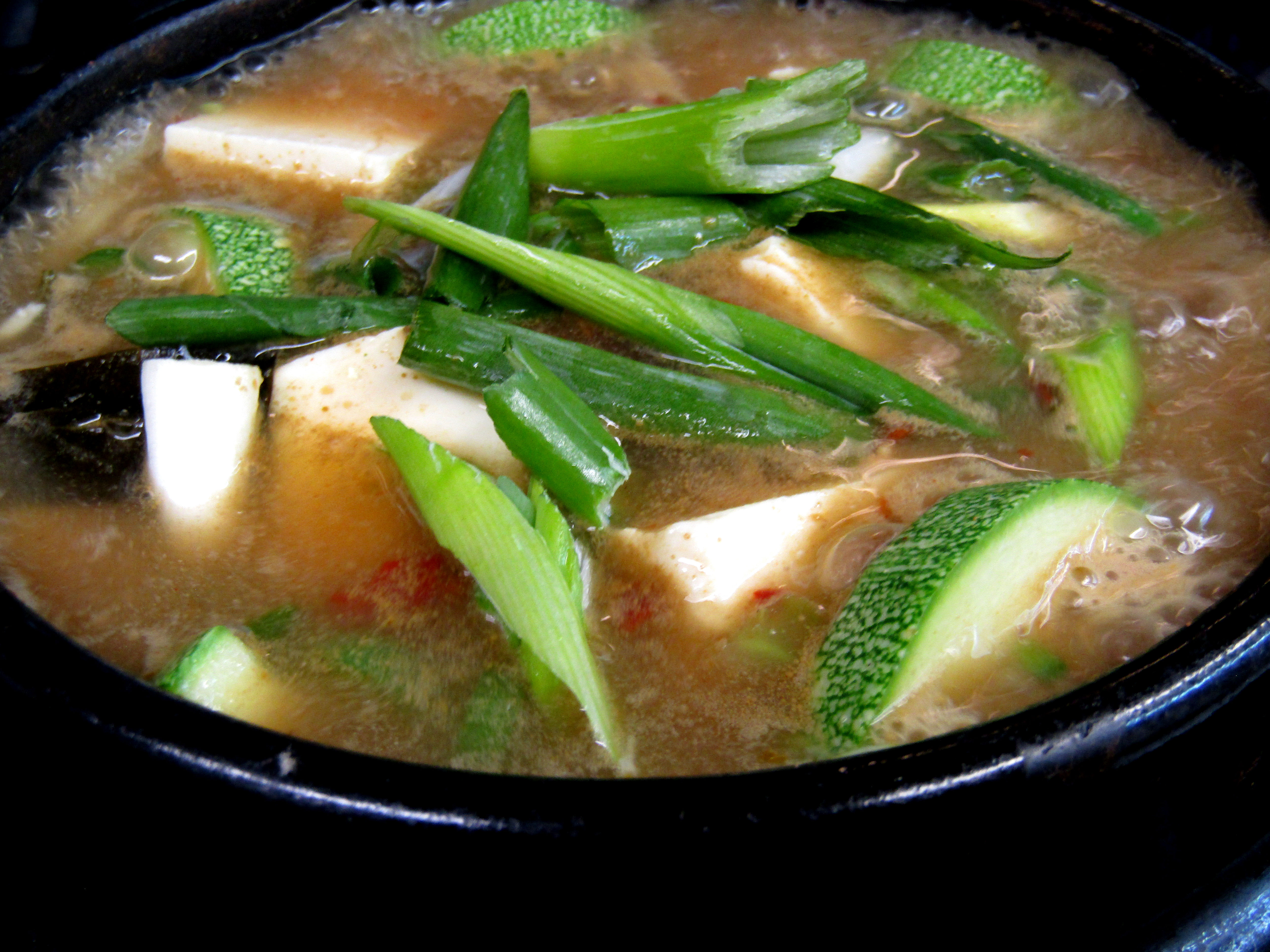
Image by hannaone: Doenjang-jjigae
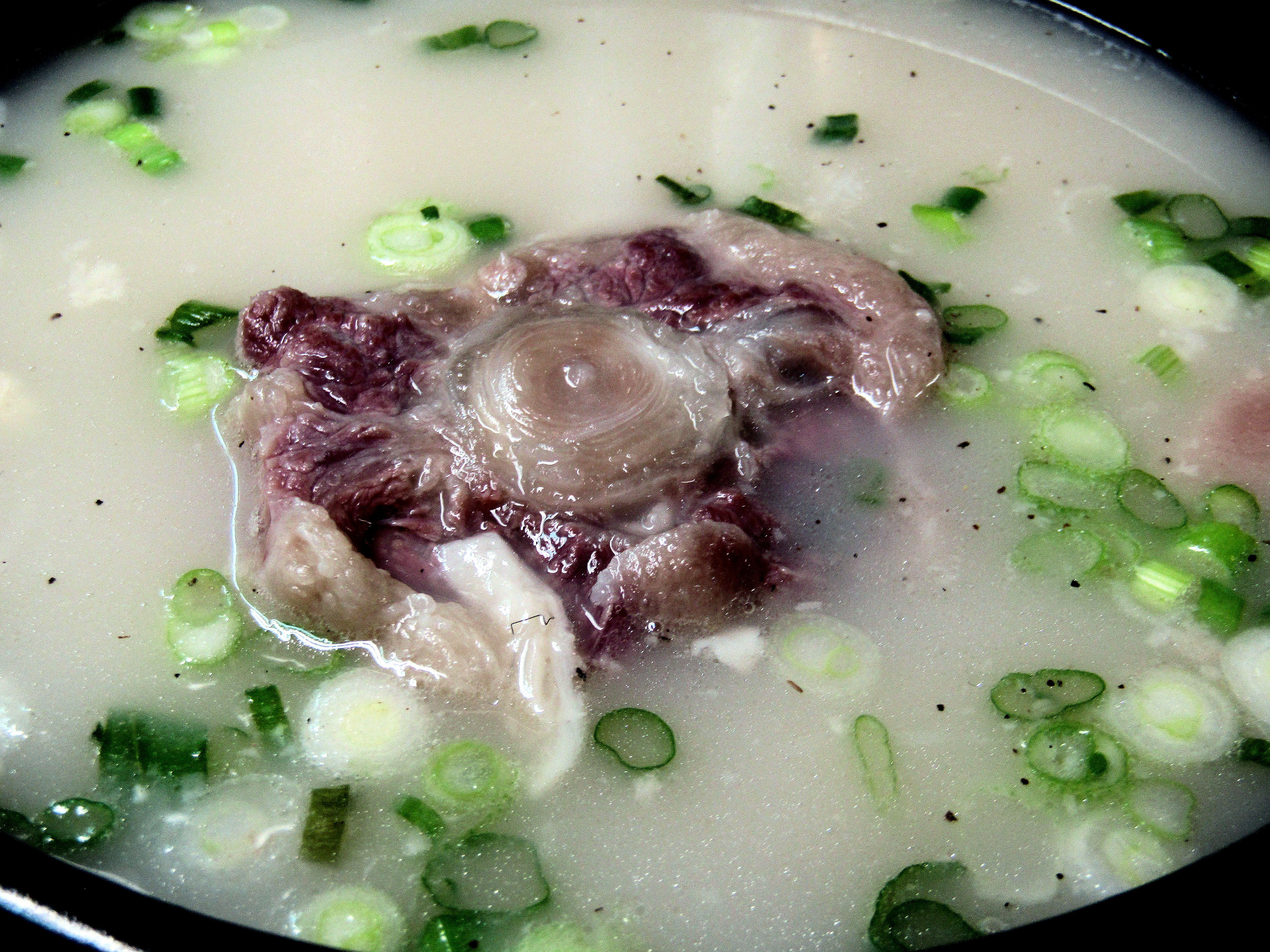
Image by hannaone: Ox-tail Soup
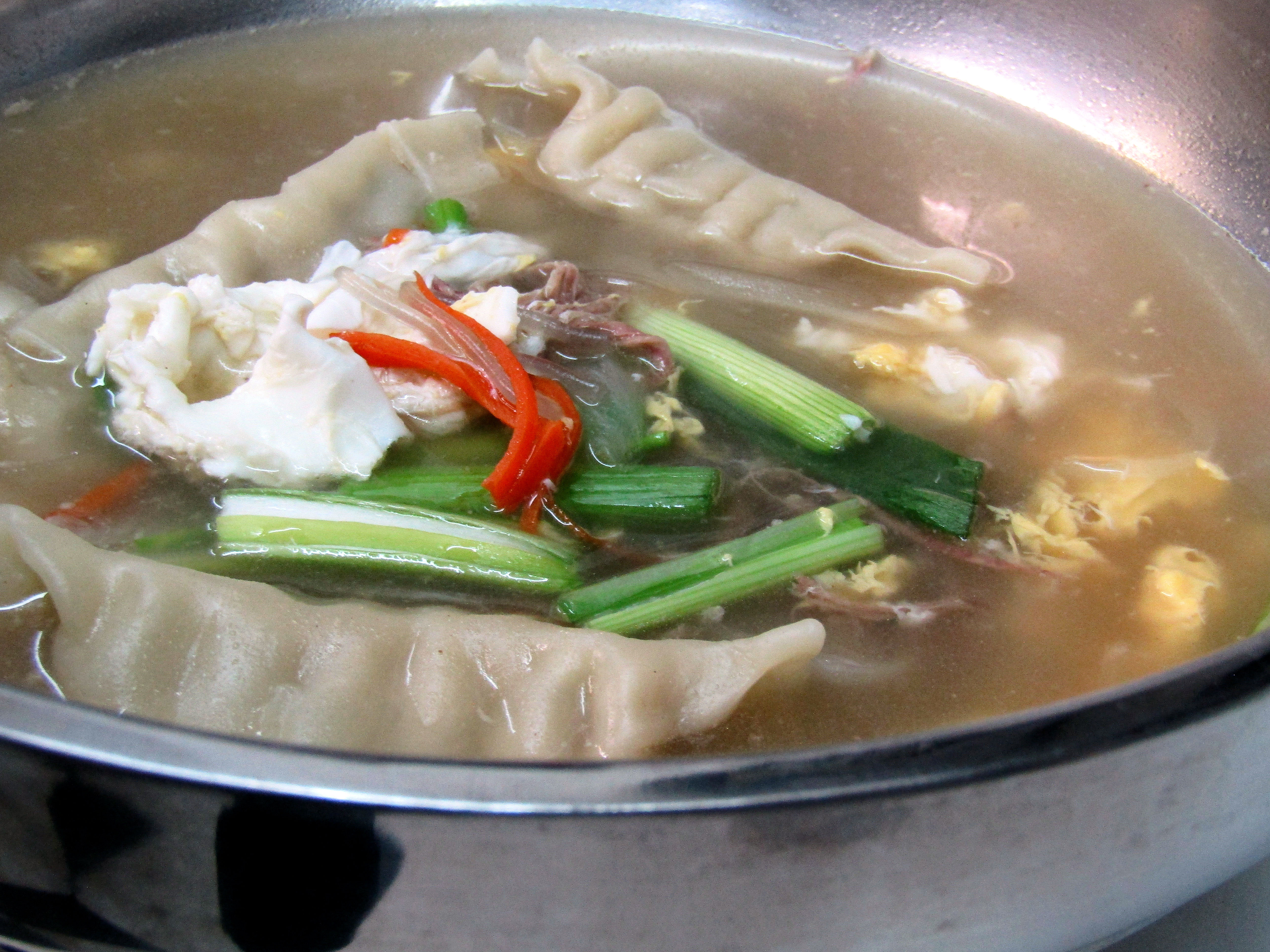
Image by hannaone: Mandu-guk



Comment?