Articles
Article: Stocking Your Pantry with Essential Korean Ingredients
Korean Pantry Essentials: A Practical Guide
Korean cooking is built on a handful of core ingredients that show up again and again—fermented pastes, chili products, aromatic oils, and a few key grains and vegetables. Once you understand these basics, the flavors of Korean cuisine start to make a lot more sense, and cooking at home becomes much easier.
Fermented ingredients like gochujang (chili paste) and doenjang (soybean paste) are especially important. They bring the deep, savory backbone—umami—that defines so many Korean dishes. Stocking your pantry with the right staples gives you the flexibility to cook everything from simple stews to full spreads of banchan.
Essential Korean Ingredients for Your Pantry
A small set of ingredients forms the foundation of most Korean home cooking:
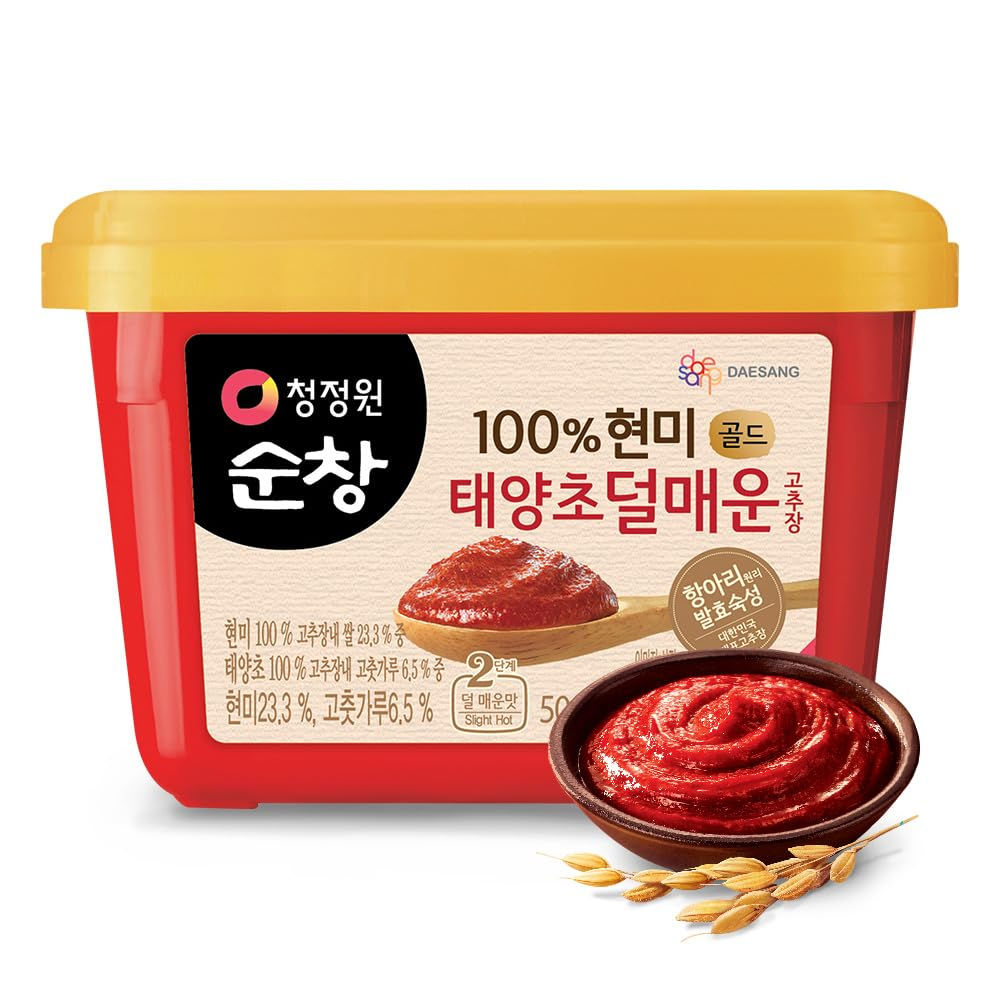
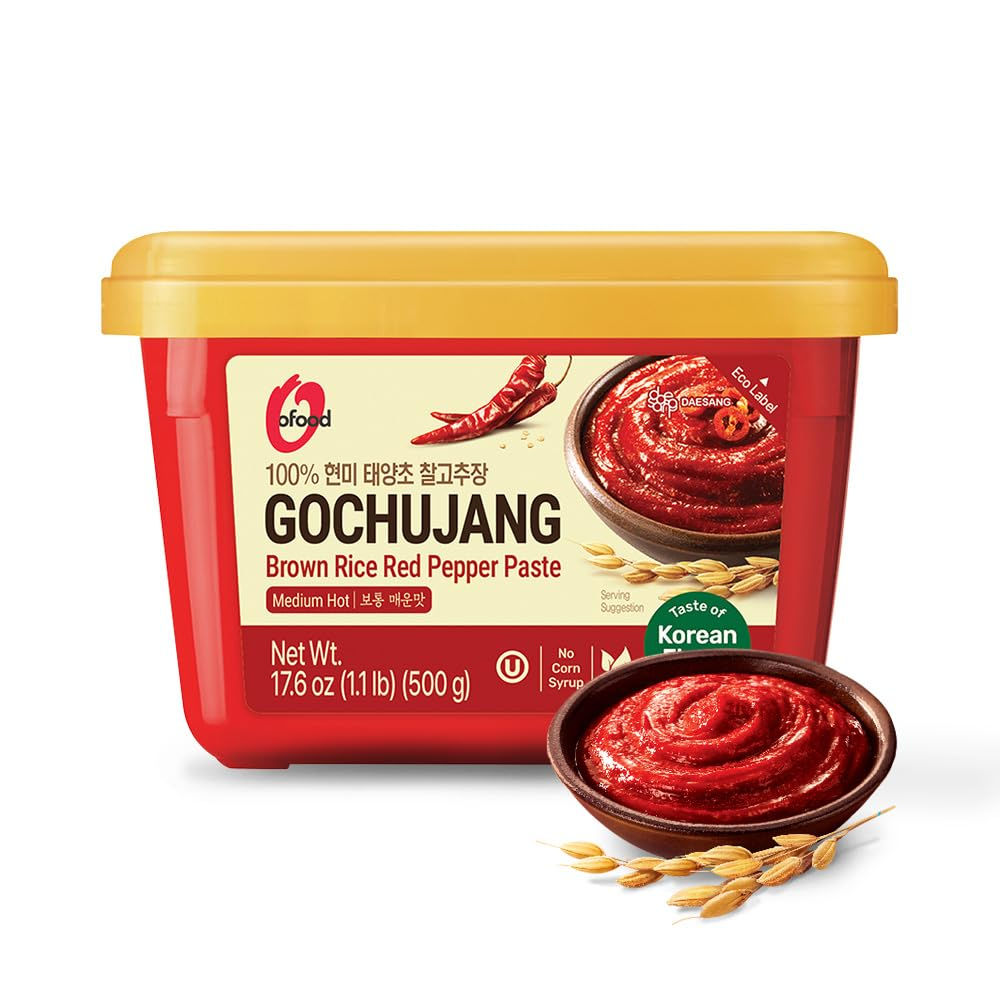
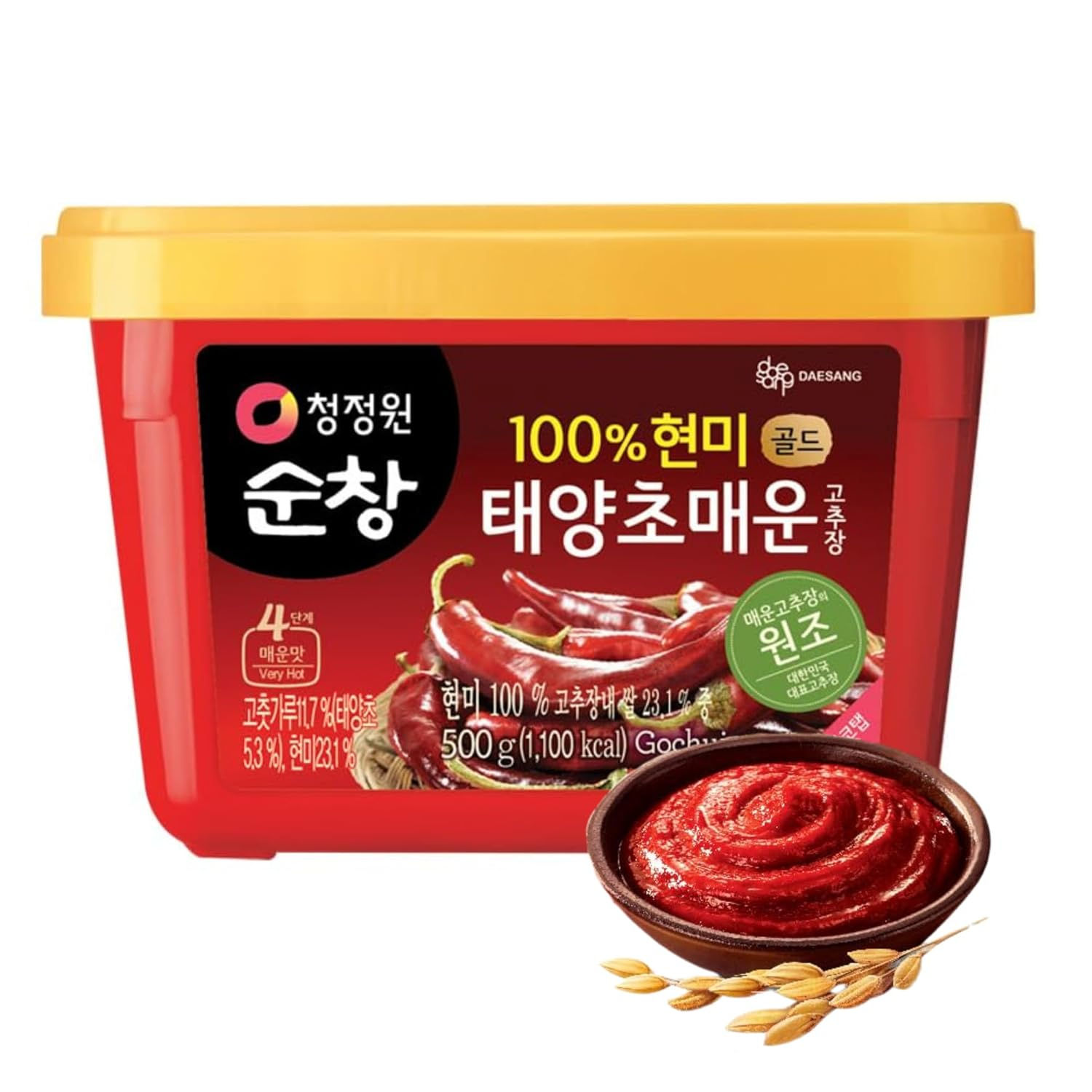
- Gochujang – fermented chili paste used in marinades, sauces, and stews
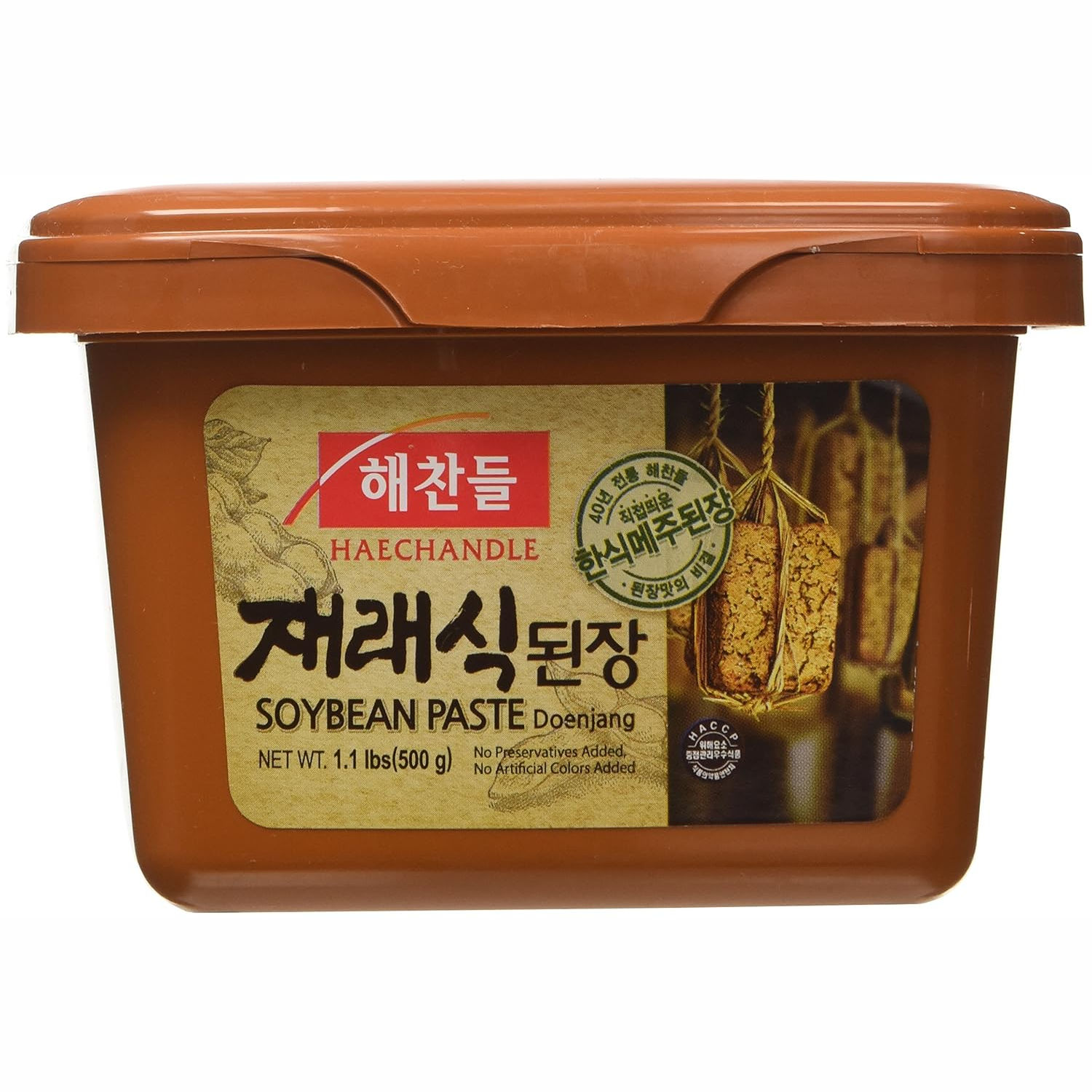
- Doenjang – fermented soybean paste, essential for soups and ssamjang
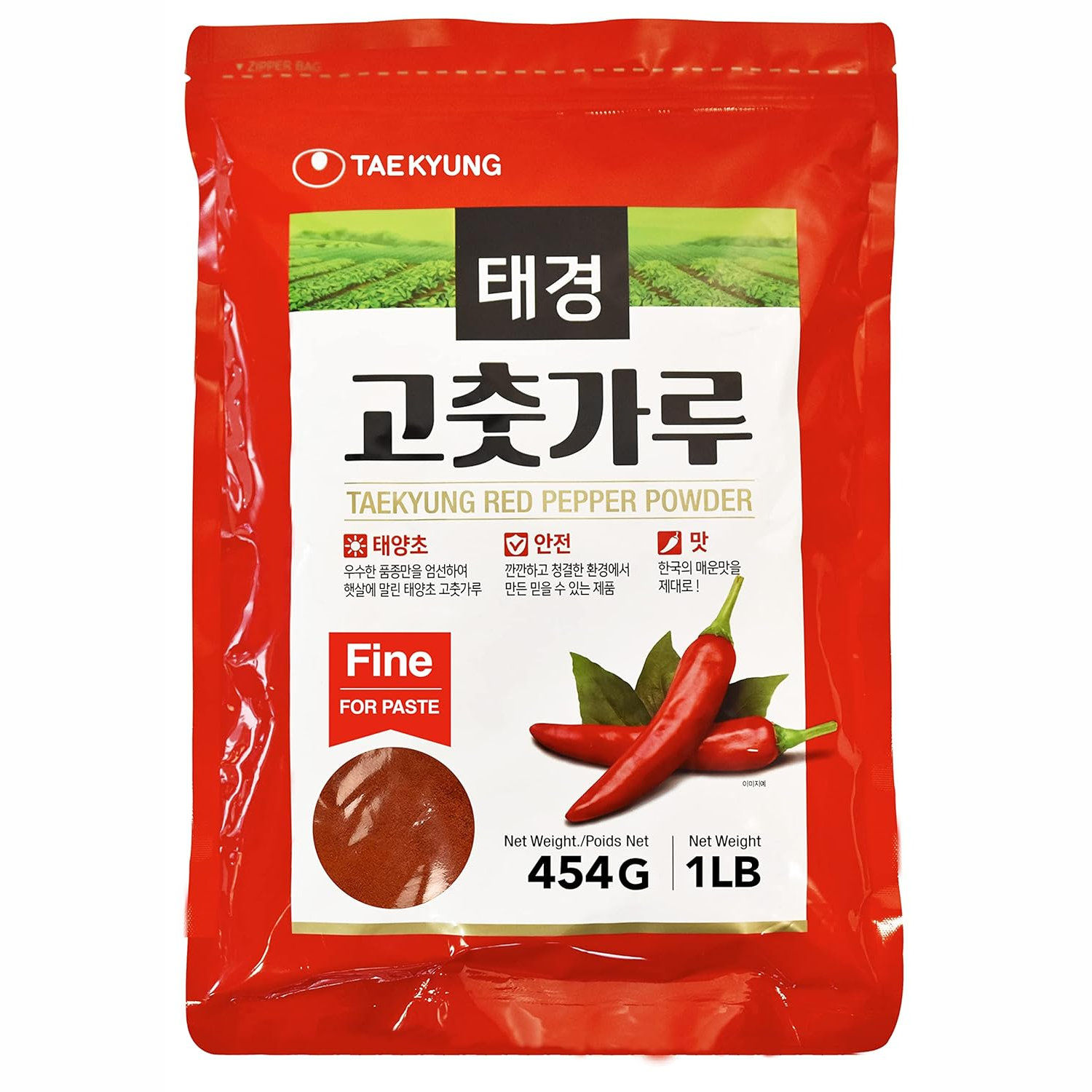
- Gochugaru – Korean chili flakes, ranging from mild to spicy
- Soy sauce – both light and dark varieties appear in marinades and seasoning
- Sesame oil – used sparingly for aroma and finishing
Beyond these, a few pantry staples make everyday cooking easier:
- Short- or medium‑grain rice
- Dried noodles (somen, dangmyeon, ramyeon)
- Seaweed (gim for snacking, miyeok for soups, dasima/kelp for broth)
- Kimchi – always useful, whether as a side dish or an ingredient
And a few “nice to have” items round out the pantry:
- Fish sauce – adds depth to kimchi and some stews
- Sesame seeds – for finishing dishes
- Rice vinegar
- Mulyeot or ssal‑jocheong – Korean corn or rice syrup for marinades
- Maesil‑cheong – plum syrup for sweetness and brightness
These ingredients cover most of what you need for everyday Korean cooking.
Buying Korean Ingredients
Quality varies, so it helps to know what you’re looking for. Korean grocery stores are ideal, but Asian markets and online shops work well too.
A few practical tips:
- Look for brands with short ingredient lists—fermented pastes shouldn’t need much beyond soybeans, chili, salt, and rice.
- Gochugaru should be bright red, not dull or brownish.
- Sesame oil should smell fresh and nutty, not burnt or stale.
- For seaweed, choose sheets that are crisp and dark, not dusty or brittle.
If you don’t have a Korean market nearby, online retailers make it easy to find authentic products.
Storing Korean Ingredients
Most Korean pantry items last a long time if stored properly:
- Gochujang and doenjang – refrigerate after opening; they’ll keep for months
- Soy sauce – store in a cool, dark place
- Sesame oil – keep sealed and away from heat to prevent rancidity
- Rice and flours – store in airtight containers to avoid moisture
- Dried kelp, anchovies, and mushrooms – keep in sealed containers in the pantry
- Kimchi – always refrigerate; it continues to ferment, so cooler temperatures slow the process
Good storage habits keep flavors sharp and prevent waste.
Cooking with Korean Ingredients
Once your pantry is stocked, the ingredients start to work together naturally.
- Soy sauce and sesame oil form the base of many marinades.
- Gochugaru adds heat and color to stews, kimchi, and stir‑fries.
- Doenjang deepens broths and stews with a savory, earthy note.
- Gochujang brings heat, sweetness, and body to sauces and braises.
These ingredients aren’t used in isolation—they build layers of flavor when combined.
Fresh Ingredients That Matter
A Korean pantry isn’t just dry goods. Fresh ingredients play a big role:
- Garlic – used generously
- Green onions – for seasoning and garnish
- Vegetables for banchan – spinach, bean sprouts, radish, cucumbers
- Meats and seafood – fresh cuts absorb marinades better
- Kimchi – technically fermented, but treated like a fresh staple
Freshness affects texture and flavor, especially in dishes like bibimbap or simple banchan.
Using Korean Ingredients in Fusion Cooking
Korean ingredients adapt easily to non‑traditional dishes. A few examples:
- Gochujang mayo on burgers or fries
- Kimchi on pizza or grilled cheese
- Doenjang whisked into salad dressings
- Gochugaru sprinkled on roasted vegetables
- Maesil‑cheong used in cocktails or glazes
These ingredients bring depth and heat without overwhelming the original dish, which is why they show up so often in modern fusion cooking.
Bringing It All Together
A well‑stocked Korean pantry doesn’t require dozens of items—just a thoughtful selection of fermented pastes, chili products, grains, and aromatics. With these on hand, you can cook traditional dishes, improvise weeknight meals, or experiment with fusion recipes.
Once you get comfortable with the core flavors, Korean cooking becomes intuitive. A spoonful of gochujang here, a dash of sesame oil there, a handful of kimchi to brighten a bowl of rice—these small additions quickly become second nature.
Article by Gil "hannaone" © Copyright 2025-2026. All rights reserved.
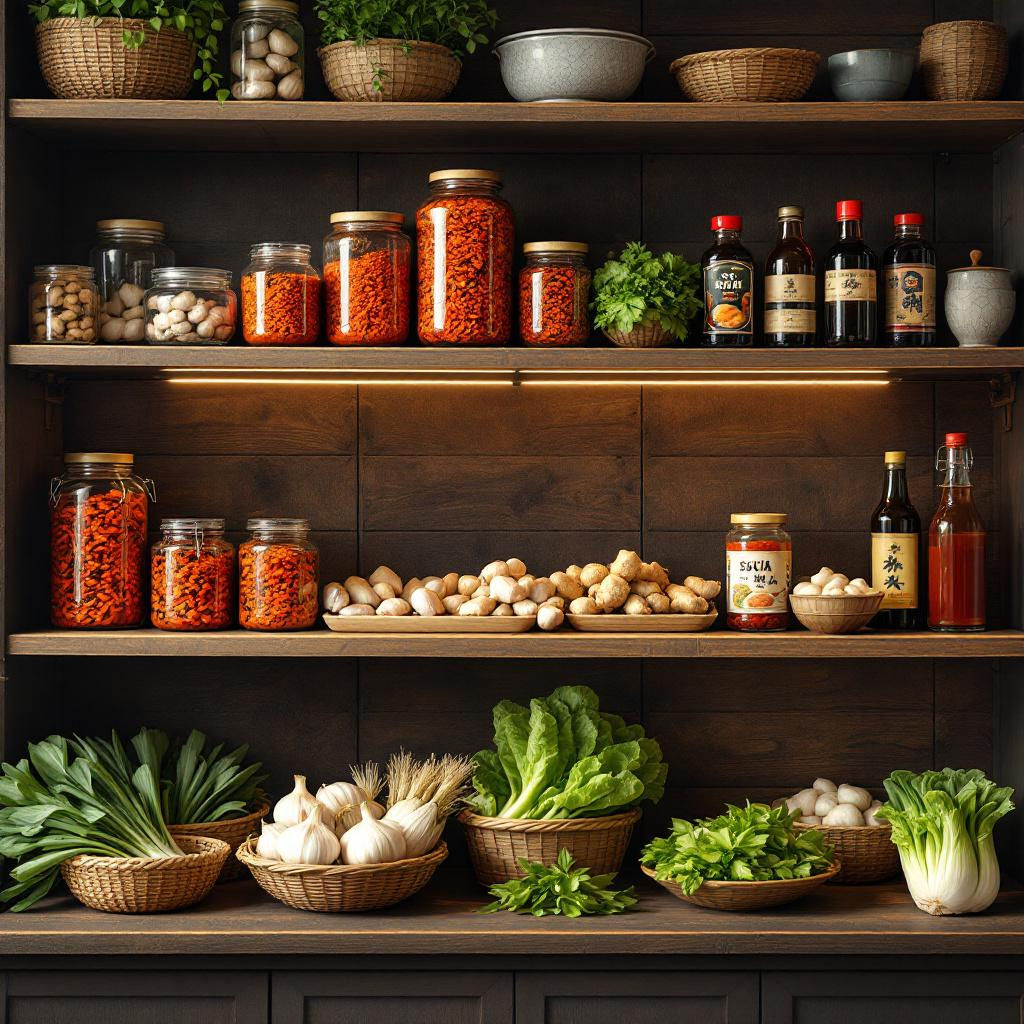
Image: AI rendition of a Korean Pantry
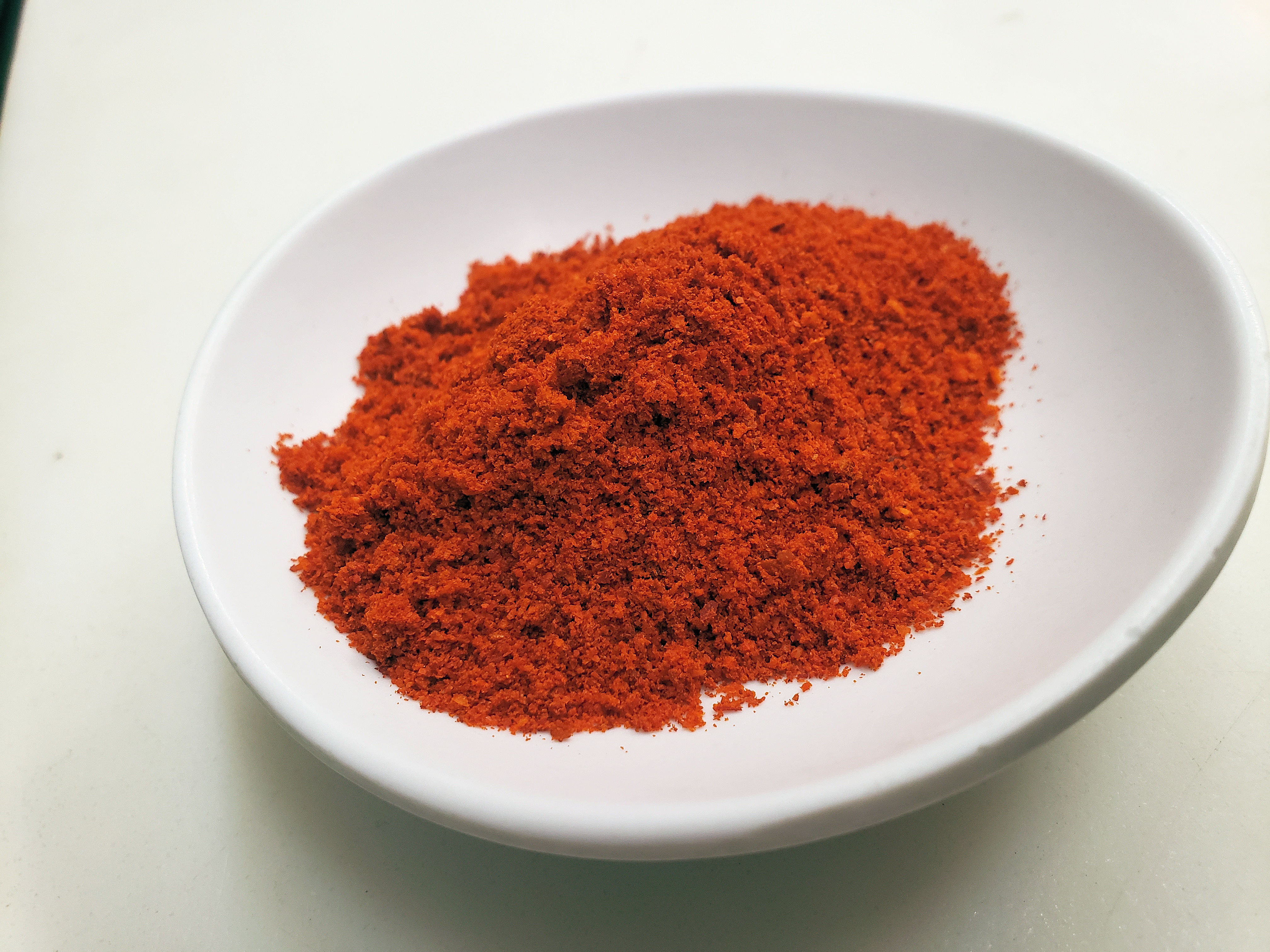
Image by hannaone: gochugaru
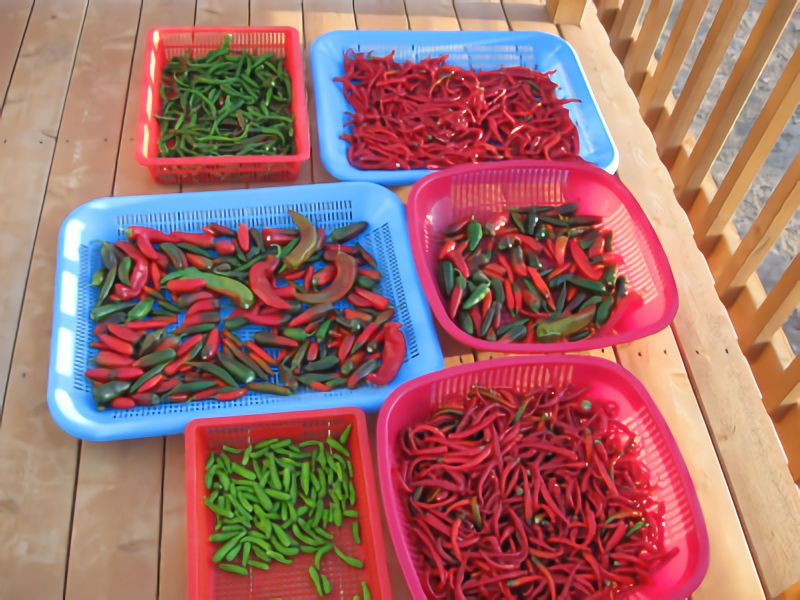
Image by hannaone: Assorted peppers sun-drying
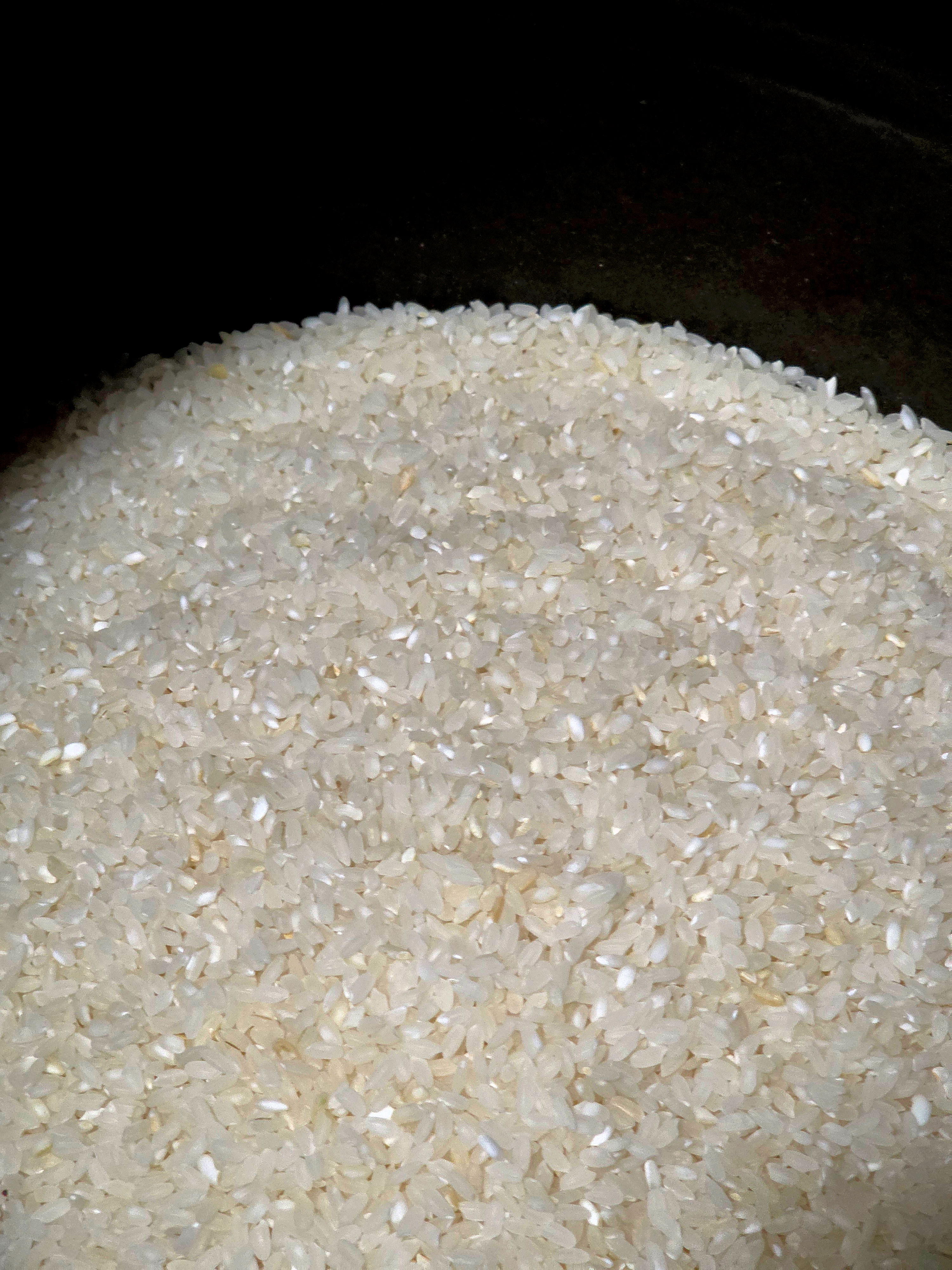
Image by hannaone: Medium grain rice
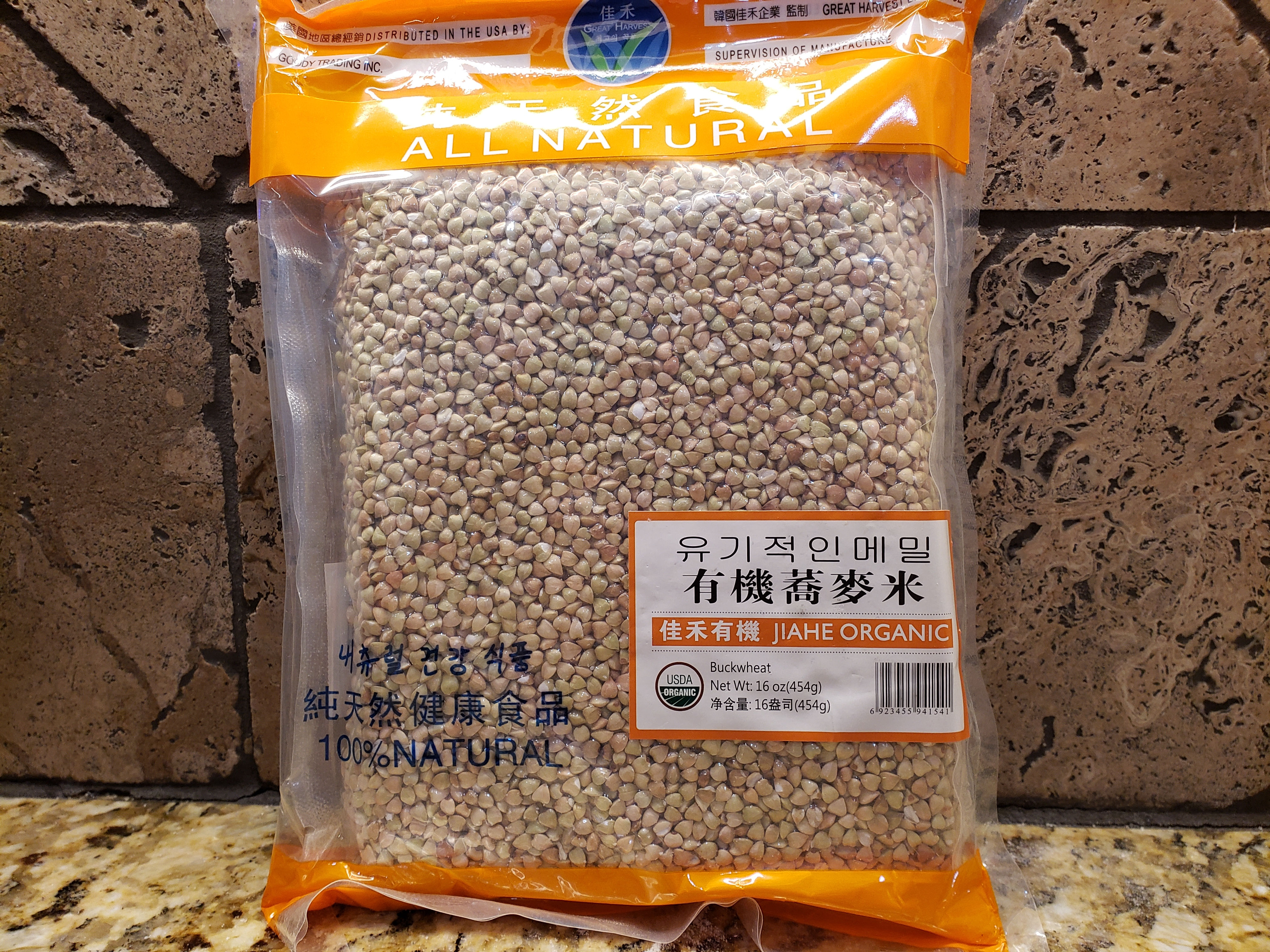
Image by hannaone: buckwheat

Comment?