Articles
Article - Korean Grill: (Gogi‑gui) A Practical Guide to Korea’s Tabletop Cooking Tradition
고기구이 | gogi-gui
Korean BBQ—more accurately gogi‑gui, meaning “meat grilling”—isn’t barbecue in the American sense. It’s a style of tabletop grilling that developed in Korea over centuries, shaped by available fuel, preferred cuts, and the social nature of Korean dining. Today, it’s one of the most recognizable parts of Korean cuisine: thin‑sliced meats, quick cooking, shared plates, and a table full of small dishes.
This guide walks through the essentials: what defines Korean grilling, how to prepare it at home, the ingredients and tools that matter, how to choose meats, and how all the side dishes, sauces, and drinks fit into the experience.
Key Elements of Korean Grill
At its core, Korean grilling is simple: good meat, high heat, and a table where everyone cooks together. The cuts are usually thin—short steak, brisket, pork belly, or marinated beef and pork—so they cook fast and stay tender.
The communal setup is just as important as the food. Diners gather around a grill, turning slices of meat, sharing banchan, and building wraps with lettuce or perilla leaves. It’s hands‑on, casual, and meant to be eaten as it cooks.
A few components show up almost everywhere:
- Ssamjang – a thick, savory paste made from doenjang (fermented soybean paste), gochujang, garlic, and sesame oil. It’s the go‑to condiment for wraps.
- Banchan – small side dishes that bring acidity, crunch, and freshness to balance the richness of grilled meat.
- Rice – not the star, but always present, grounding the meal and soaking up juices.
Together, these pieces create a style of dining that’s interactive and balanced rather than heavy or sauce‑driven.
Preparing and Enjoying Korean Grill at Home
Most marinated meats—like bulgogi or galbi—benefit from a few hours in the fridge, though overnight is common. Marinades usually include soy sauce, garlic, ginger, sesame oil, sugar, and sometimes fruit for tenderness.
When it’s time to cook:
- Use a tabletop grill, cast‑iron pan, or outdoor grill.
- Cook in small batches so the heat stays high.
- Cut cooked meat with scissors into bite‑sized pieces, a very normal Korean practice that makes eating easier and keeps the meal moving.
The goal isn’t a perfect sear on every piece—it’s steady cooking, sharing, and eating as you go.
Essential Ingredients and Tools
A Korean grill setup doesn’t require much, but a few items make a big difference:
Ingredients
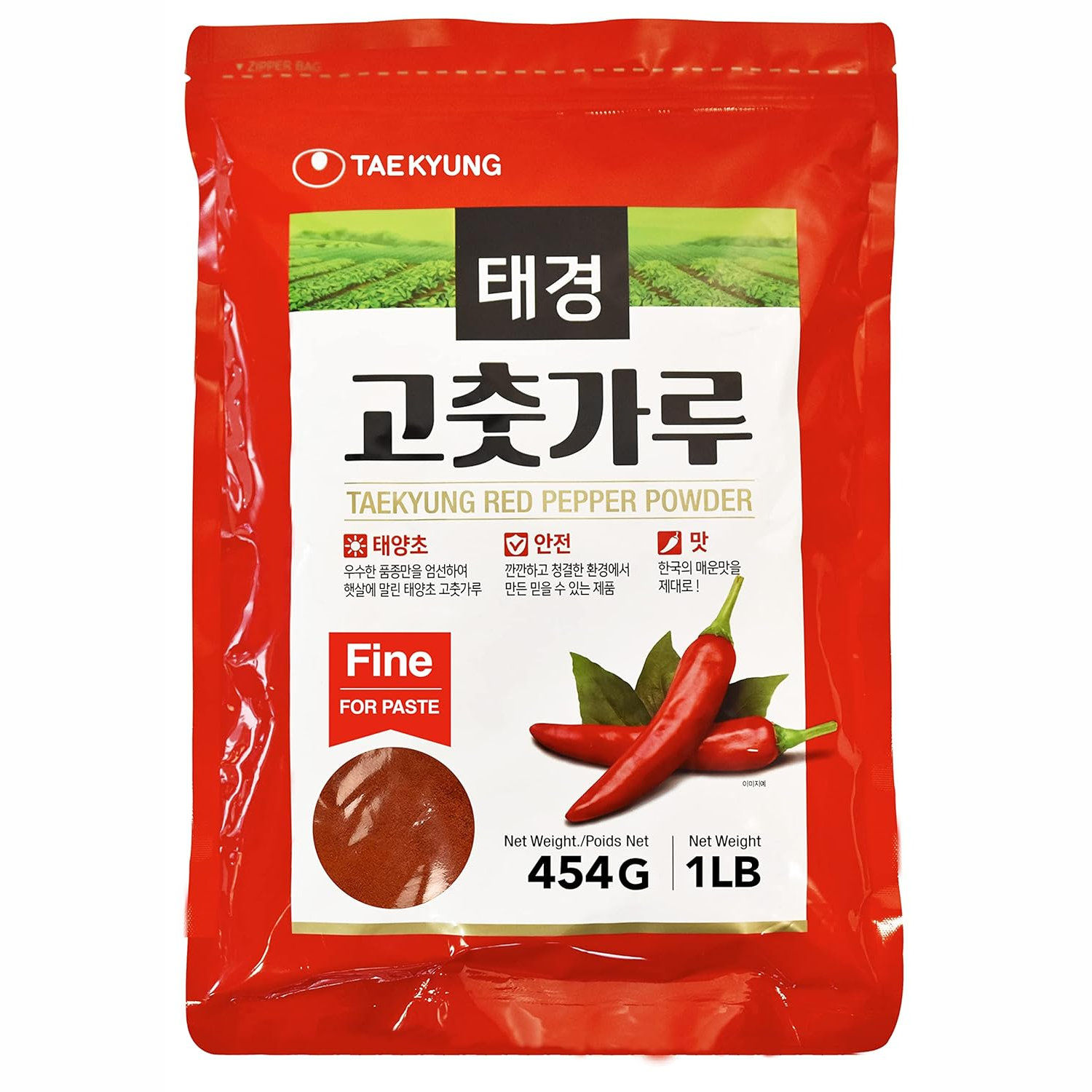
- Gochujang – spicy, sweet chili paste for marinades or dipping.
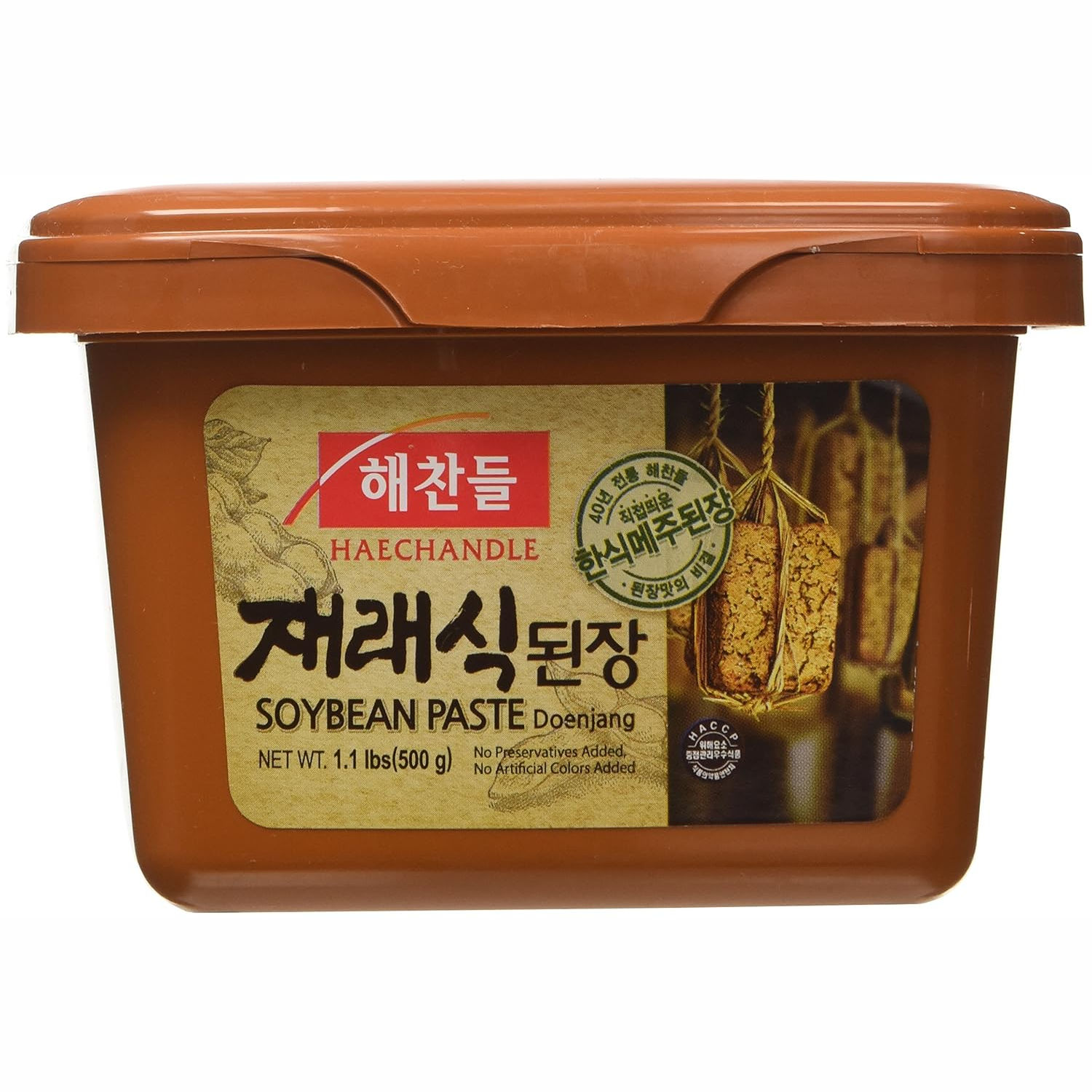
- Doenjang – fermented soybean paste, the backbone of ssamjang.
- Sesame oil – used sparingly for aroma.
- Garlic and ginger – foundational aromatics.
- Lettuce or perilla leaves (or other leafy greens)– for wraps.
Tools
- Tabletop grill or cast‑iron pan – for high, even heat.
- Metal tongs – for turning thin slices quickly.
- Kitchen scissors – for cutting meat at the table.
- Small plates and bowls – for banchan and sauces.
You don’t need a restaurant setup; a simple grill and a few condiments go a long way.
Choosing the Best Meats
Korean grilling favors cuts that cook fast and stay tender:
- Bulgogi – thinly sliced beef, often ribeye, top sirloin, or chuck roll.
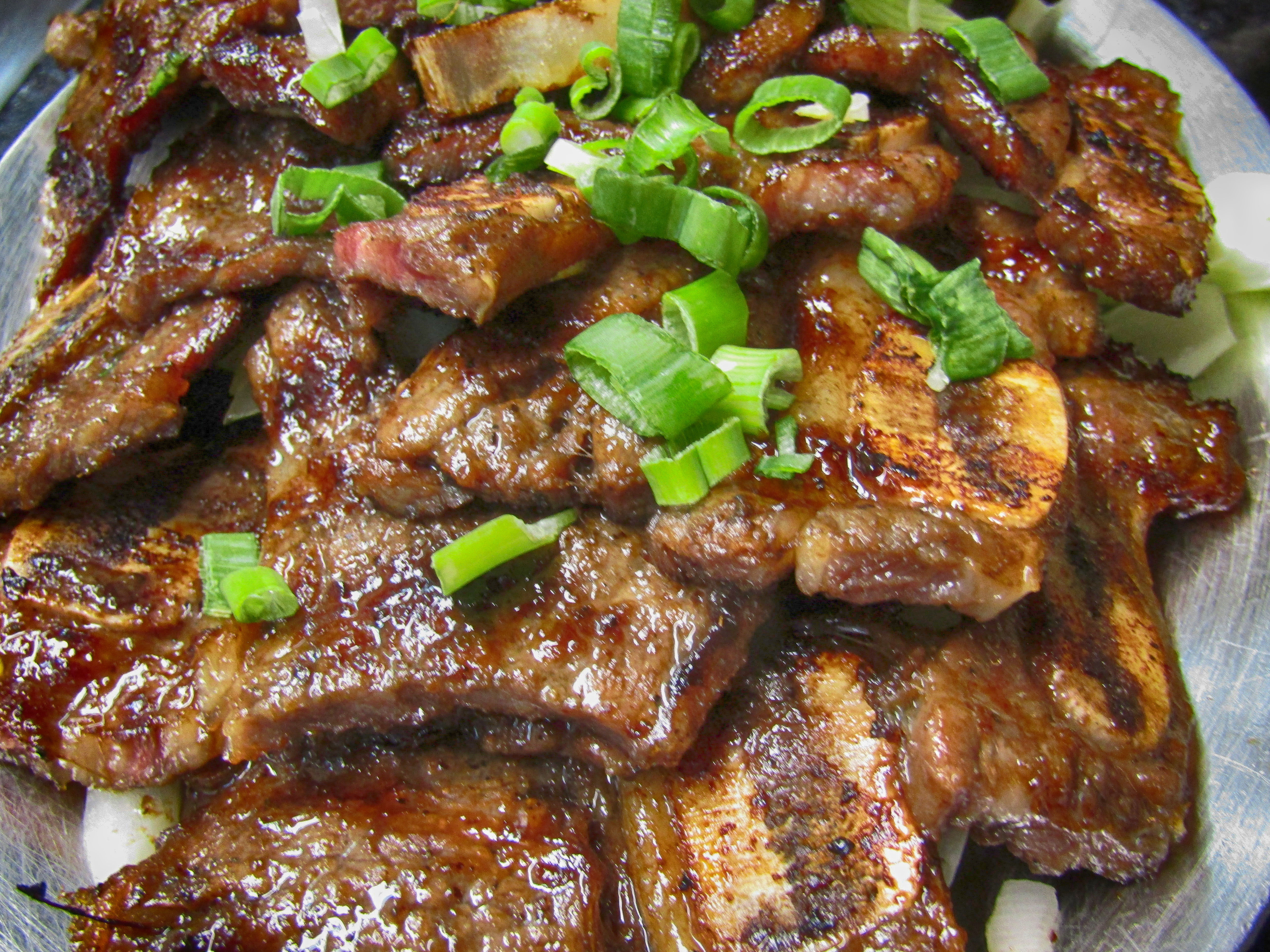
- Galbi – beef short ribs, usually marinated.
- Samgyeopsal – thick‑cut pork belly, unseasoned.
- Dak‑gui – grilled chicken, sometimes marinated in gochujang or soy‑based sauces.
Mixing a few types keeps the meal interesting. Pork belly gives richness, bulgogi brings sweetness, and unmarinated cuts let you taste the grill itself.
Building the Side Dishes
Side dishes are not optional—they’re part of the architecture of the meal. A typical spread might include:
- Kimchi – fermented cabbage or radish.
- Musaengchae – spicy shredded radish.
- Namul – seasoned vegetables like spinach, bean sprouts, or fernbrake.
- Fresh garlic and sliced chilies – for wraps.
- Steamed rice – to balance the salt and fat.
These dishes reset your palate between bites and keep the meal from feeling heavy.
Sauces and Dipping Condiments
Korean grilling uses sauces sparingly but purposefully:
- Ssamjang – the classic wrap condiment.
- Gochujang – for heat and sweetness.
- Doenjang – deeper, earthier, and saltier.
- Cho‑gochujang – gochujang mixed with vinegar for a tangy kick.
Each sauce changes the character of the bite, so people often mix and match as they eat.
Pairing Drinks
Korean grill pairs well with drinks that cut through fat and salt:
- Soju – clean, neutral, and traditional.
- Beer – light lagers are common.
- Makgeolli – lightly sweet, fizzy rice wine with a rustic feel.
- Rice wines or light cocktails – also work well.
The idea is refreshment, not overpowering the food.
Hosting a Korean Grill Night at Home
A few practical tips make the experience smoother:
- Marinate meats the night before.
- Set up the grill where ventilation is good—outdoors if possible.
- Offer a mix of meats so everyone finds something they like.
- Prepare banchan ahead of time; they hold well.
- Put sauces and condiments within easy reach.
- Chill the drinks.
Once the grill is hot, the meal runs itself.
A Note on the Term “Korean BBQ”
The phrase “Korean BBQ” is a convenient shorthand, but it’s not technically barbecue. It’s grilling—fast, high heat, thin cuts, and immediate eating. The name stuck because it was the easiest way to explain the concept abroad, even if it’s not quite accurate. What matters is the method and the experience, not the label.
Article by Gil "hannaone" © Copyright 2025-2026. All rights reserved.
Image by hannaone: LA Galbi
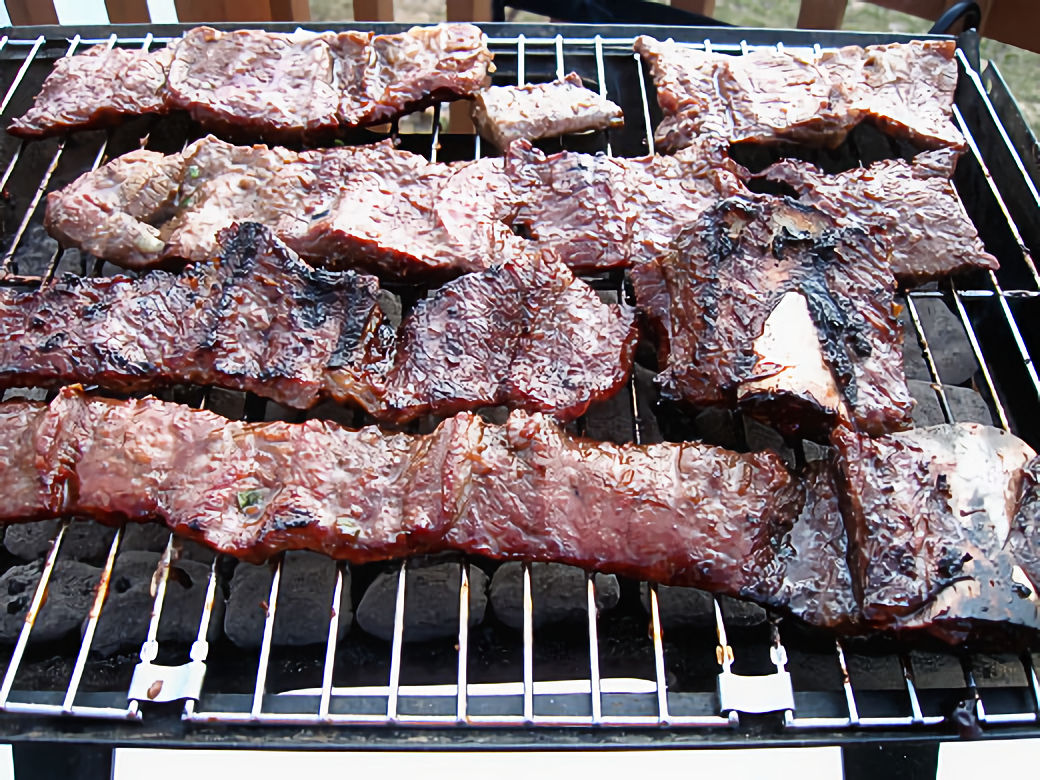
Image by hannaone: Wang-galbi
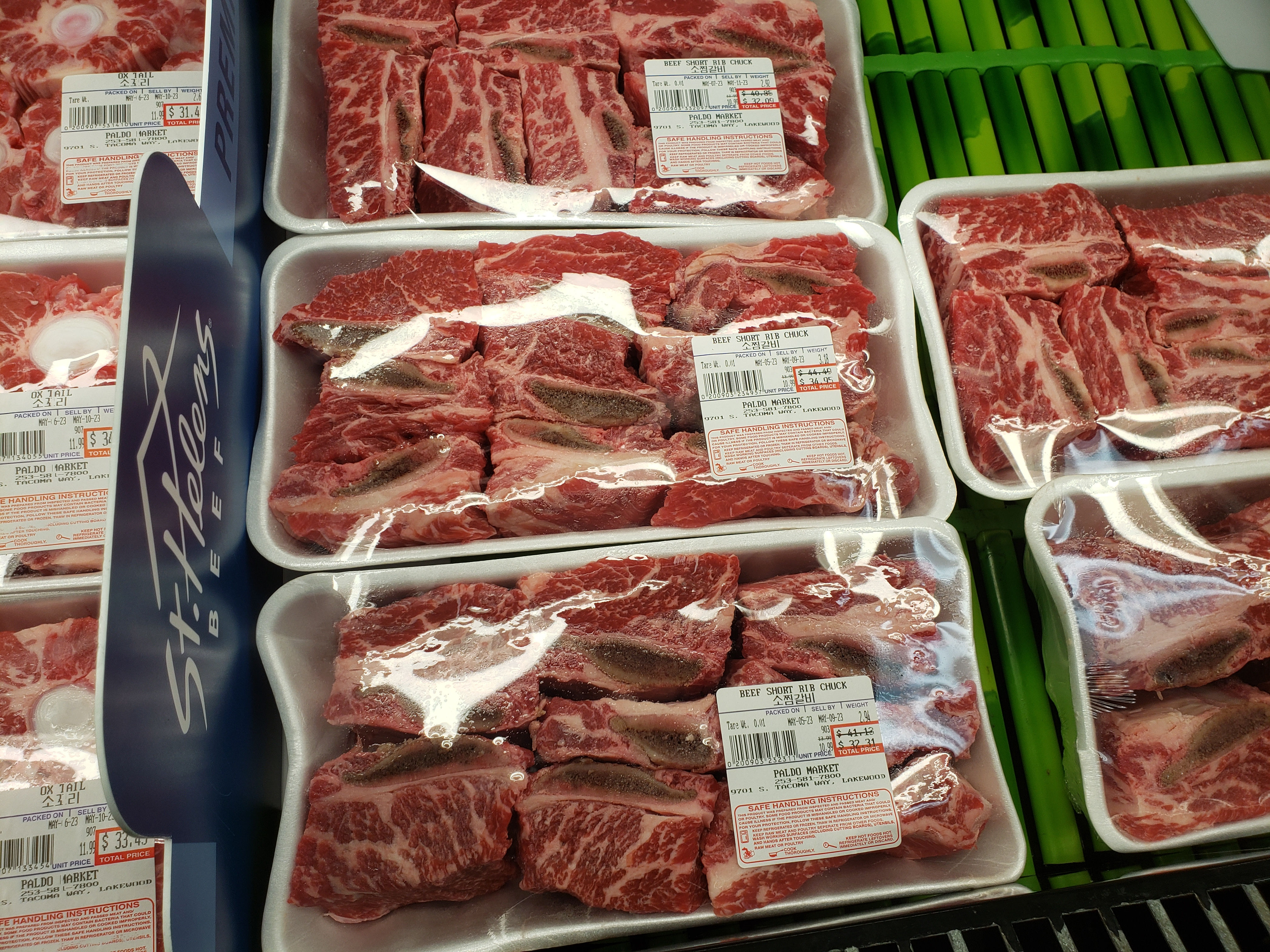
Image by hannaone: Wang-galbi in the Market
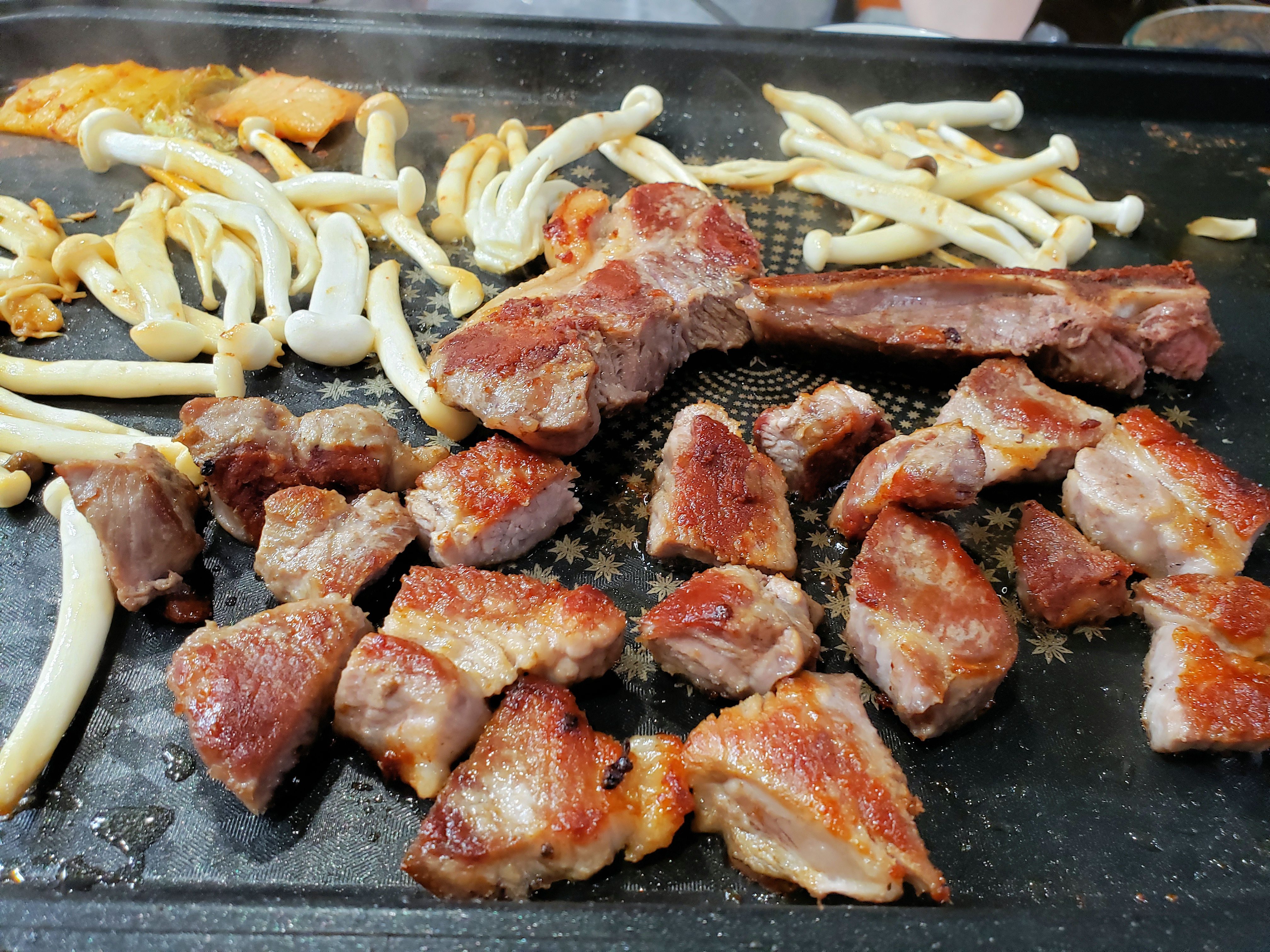
Image by hannaone: Table-top Grilling
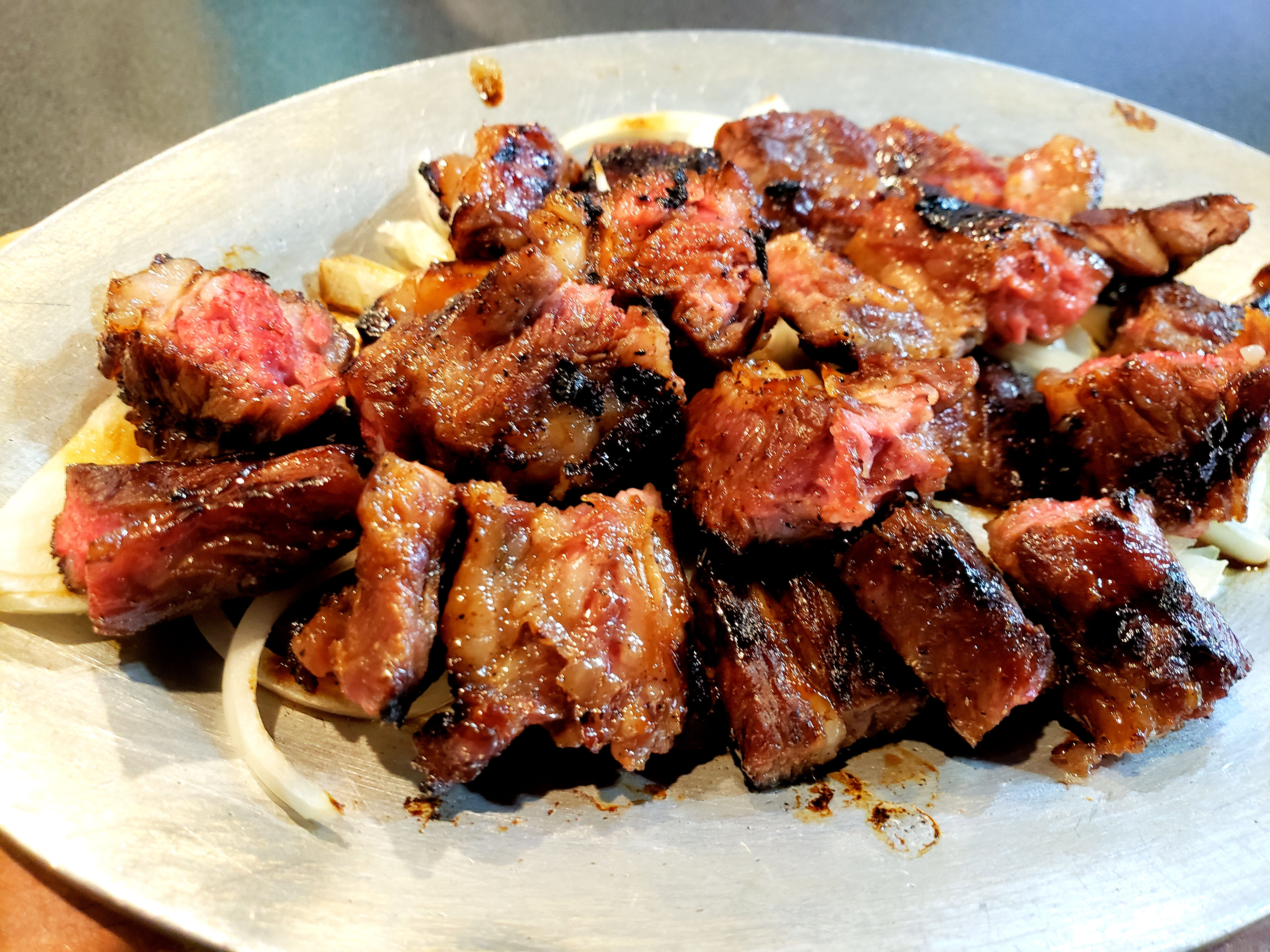
Image by hannaone: Galbi-fingers

Comment?