Articles
Jjamppong: Korea's Spicy Seafood and Noodle Soup
짬뽕 | jjamppong
Jjamppong: Korea’s Spicy Seafood Noodle Soup
Jjamppong is a Korean-Chinese noodle soup known for its bold, spicy broth and generous mix of seafood and vegetables. It’s a go‑to dish for anyone who enjoys deep, ocean-forward flavors balanced with heat and chewy wheat noodles.
History and Origin
Jjamppong developed within Korea’s Chinese restaurant culture, drawing from Shandong-style chǎomǎmiàn (炒碼麵). The original Chinese dish used a light, milky bone broth, but Korean cooks adapted it by stir‑frying seafood and vegetables with gochugaru to create a red, spicy base.
During the Japanese occupation (1910–1945), Japanese visitors encountered chǎomǎmiàn in Korean Chinese restaurants and associated it with chanpon, a Japanese noodle soup. The Japanese pronunciation was then adopted into Korean as jjamppong.
Although its roots are Chinese, the dish evolved in Korea—especially in port cities like Incheon—into the spicy seafood noodle soup now considered a staple of Korean-Chinese cuisine.
Ingredients
A typical bowl of jjamppong includes:
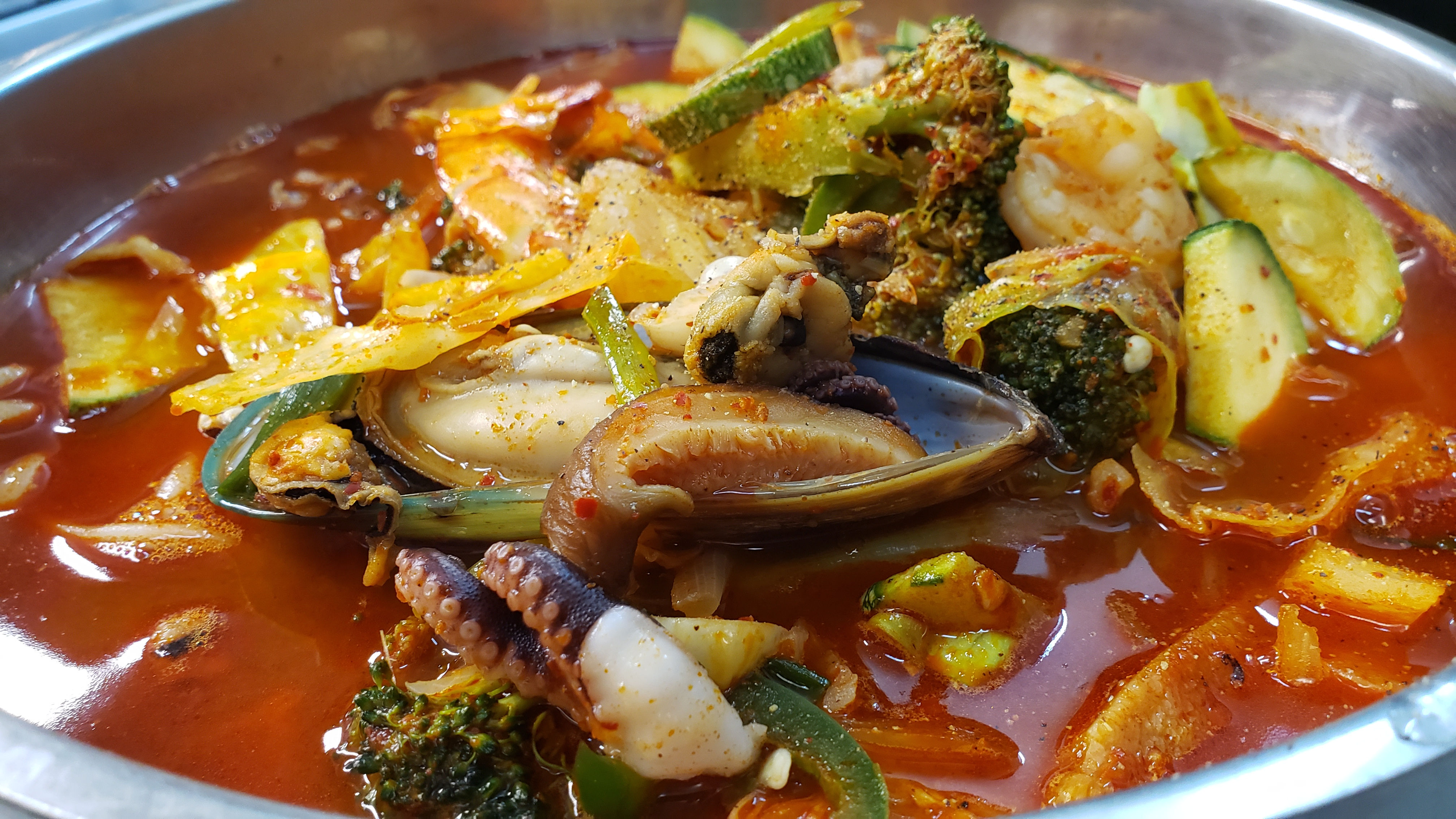
- Seafood: mussels, clams, squid, shrimp, or whatever is fresh and available
- Vegetables: napa cabbage, onions, carrots, garlic, ginger, and scallions
- Broth base: gochugaru, soy sauce, and sometimes a light stock made from anchovies or kelp
- Noodles: thick, chewy wheat noodles similar to those used in jjajangmyeon
The combination of stir‑fried aromatics, seafood, and chili flakes gives the broth its signature smoky, spicy depth.
Nutritional Notes
Because seafood is central to jjamppong, the dish naturally provides:
- Lean protein
- Omega‑3 fatty acids
- Vitamins such as B12
- Minerals like iodine and selenium
The broth’s heat—usually from gochugaru—adds warmth and intensity without relying on heavy fats. Overall, it’s a hearty but relatively balanced meal.
How Jjamppong Is Made
Home cooks and restaurants follow a similar process:
- Prepare the stock: often a simple anchovy‑kelp broth or a light chicken stock.
- Stir‑fry aromatics: garlic, ginger, onions, and chili flakes are cooked in oil to build flavor.
- Add seafood and vegetables: stir‑fried briefly to release their juices.
- Add broth and seasonings: simmer until the flavors meld.
- Cook noodles separately: then combine them with the broth just before serving.
The key is balancing heat, savoriness, and the natural sweetness of seafood.
Variations and Customizations
Jjamppong is flexible, and many restaurants have their own versions:
- Extra‑spicy jjamppong: more gochugaru or chili oil
- White jjamppong (baek-jjamppong): no chili flakes; a lighter, milky broth closer to the original Chinese style
- Meat-based jjamppong: pork or chicken added to the stir‑fry
- Vegetarian jjamppong: mushrooms, tofu, seaweed, and vegetable stock in place of seafood
- Deluxe versions: crab, lobster, or abalone for special occasions
The dish adapts easily to personal preference without losing its identity.
Serving and Pairing
Jjamppong is usually served piping hot, often with:
- Kimchi: its acidity cuts through the spicy broth
- Steamed rice: helpful for tempering heat
- Pickled radish: a common side in Korean-Chinese restaurants
For drinks, people often pair it with:
- Makgeolli
- Light lagers or pilsners
- Cold barley tea
These help balance the spice and refresh the palate.
Why Jjamppong Endures
Jjamppong remains popular because it’s satisfying, customizable, and rooted in a unique blend of Korean and Chinese culinary traditions. It delivers heat, depth, and comfort in one bowl, making it a favorite in Korean-Chinese restaurants and an approachable dish for home cooks
Article by Gil "hannaone" © Copyright 2025-2026. All rights reserved.
Image by hannaone: jjamppong
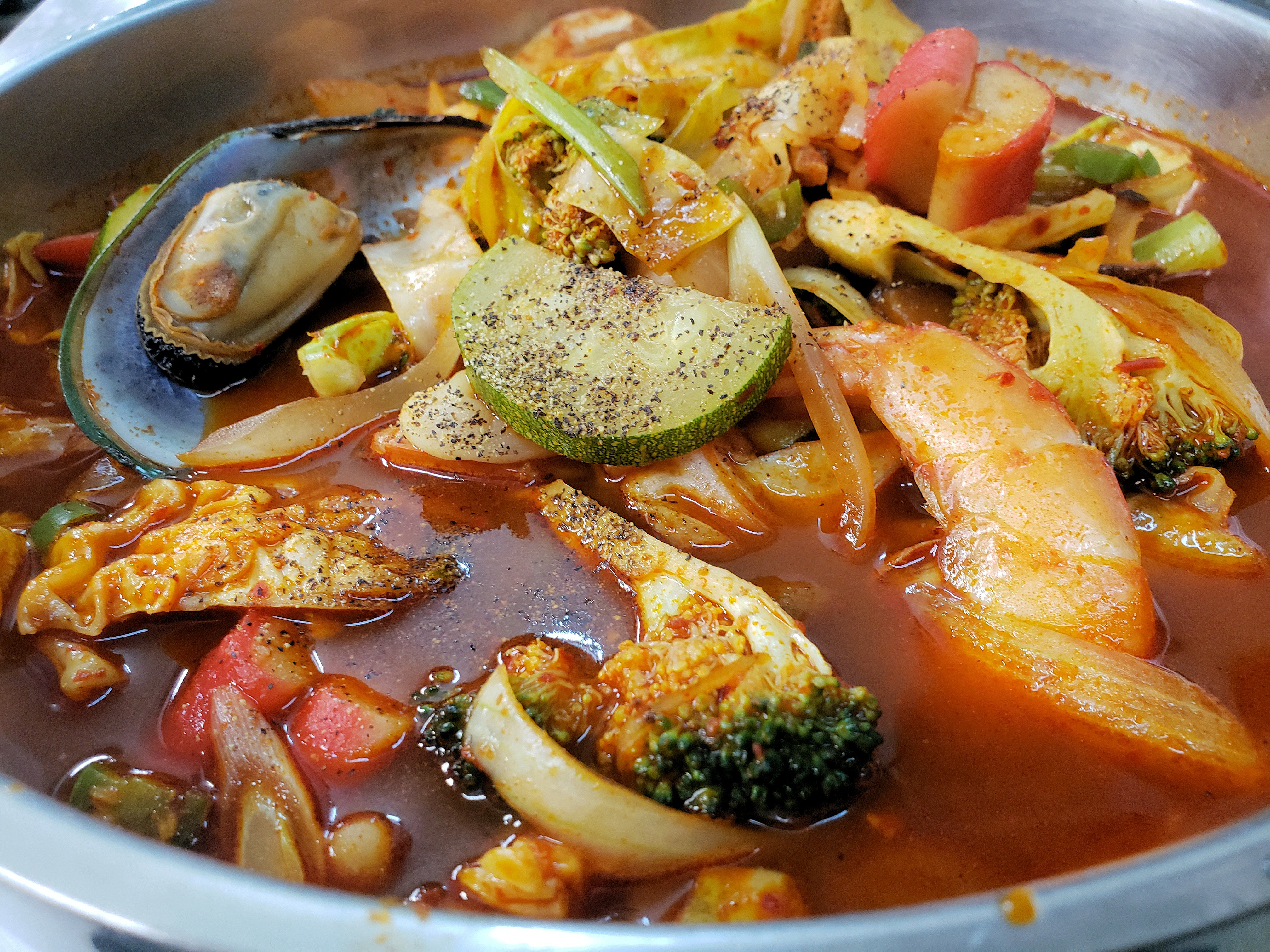
Image by hannaone: Jjamppong
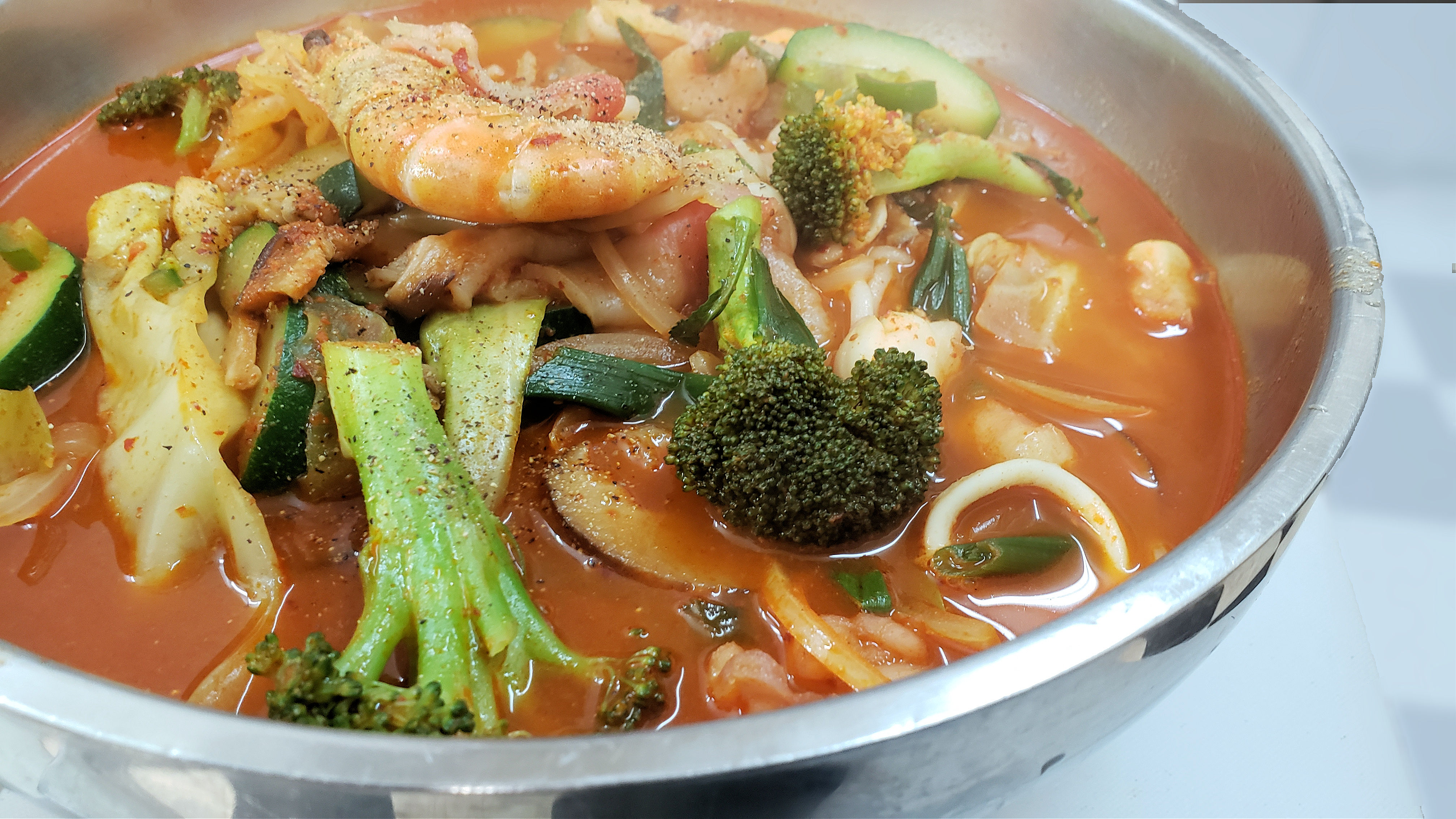
Image by hannaone: Jjamppong
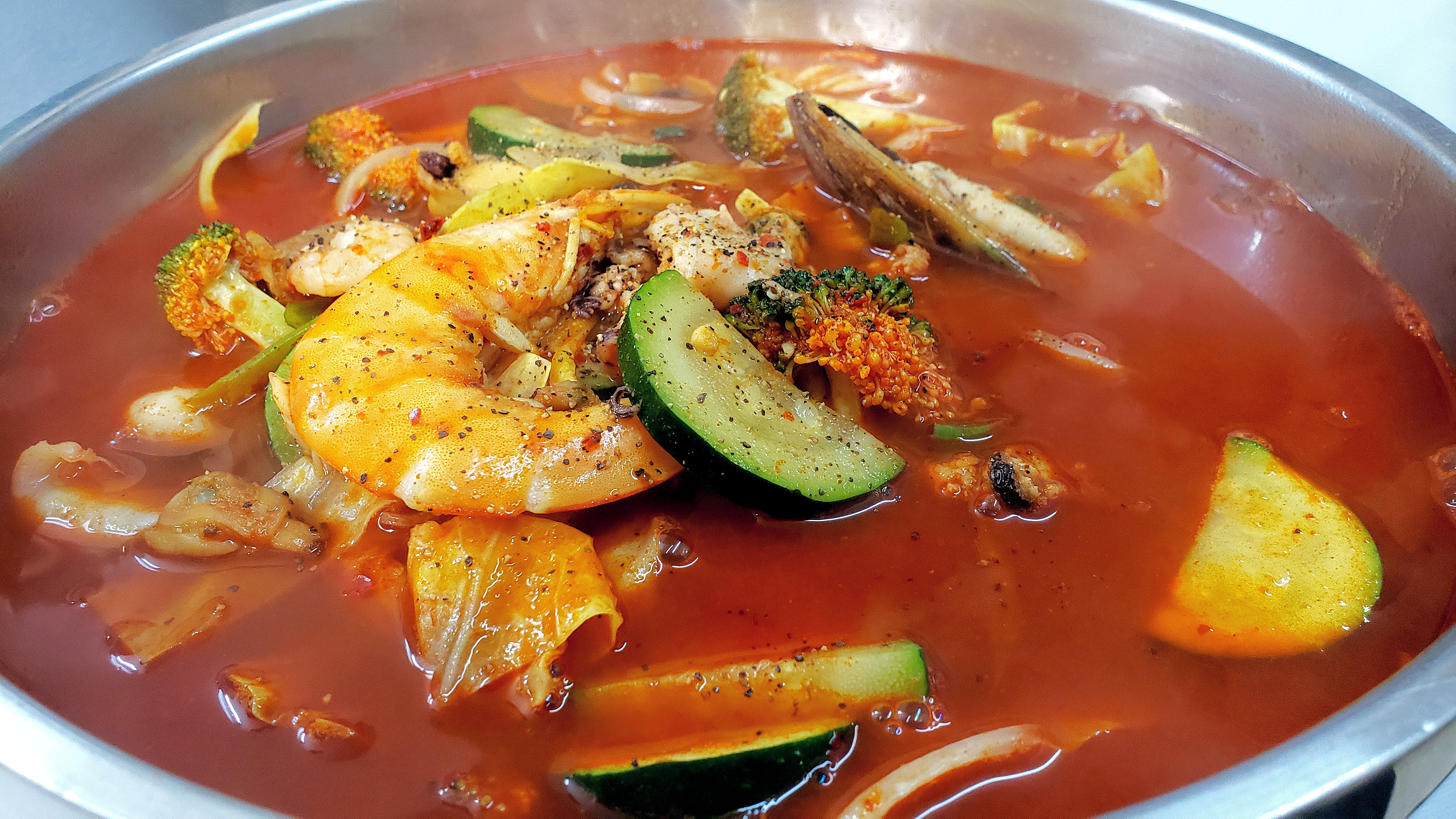
Image by hannaone: Jjamppong
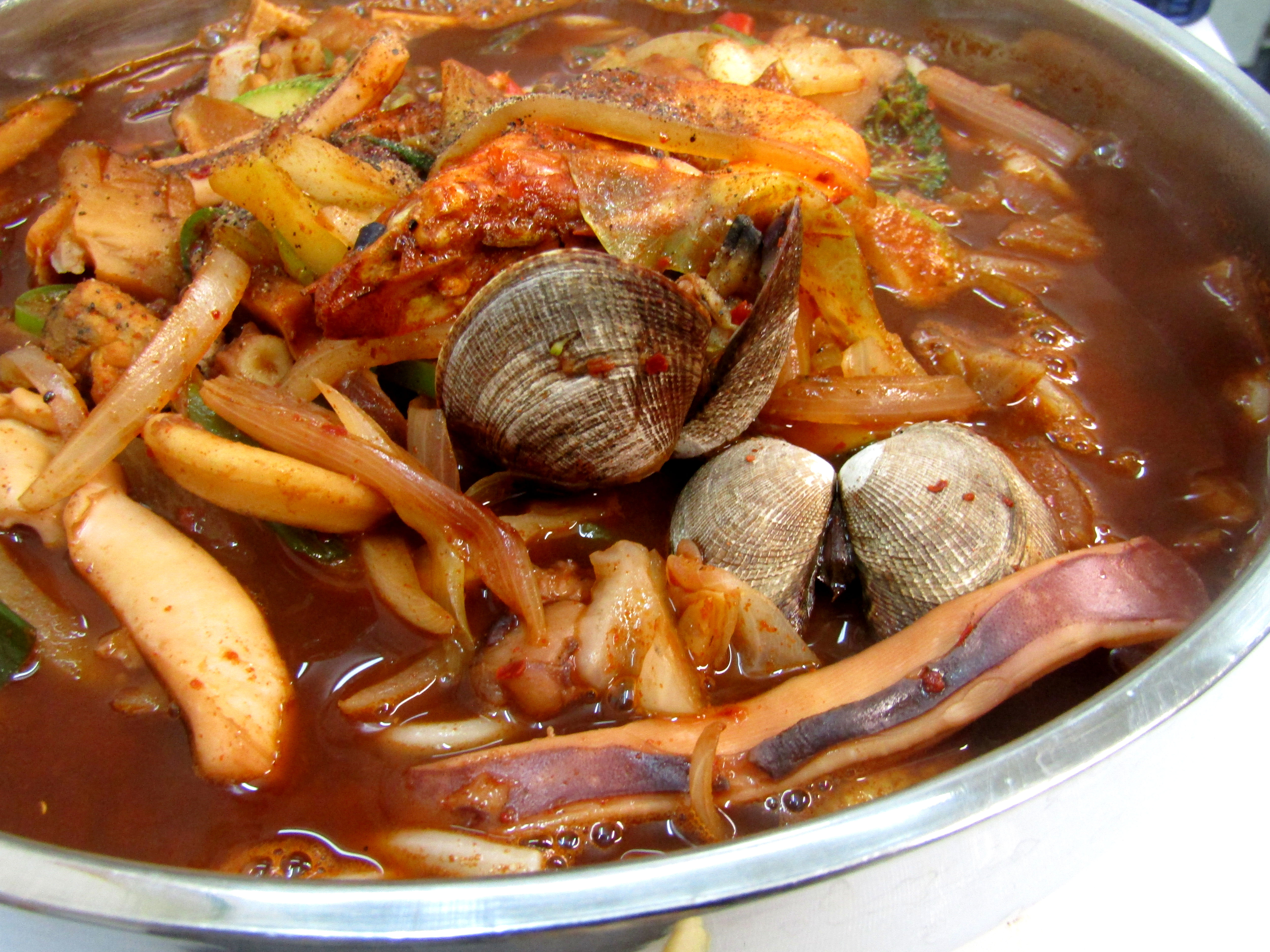
Image by hannaone: Jjamppong

Comment?